
The Longship Runs on Your Forearms
I did not expect a rhythm game to leave me sore. I expected to wave my arms at some drums and feel clever. What I got was twenty minutes of hammering four runic drums to a DragonForce track and the distinct realization that my shoulders were going to have opinions the next morning.
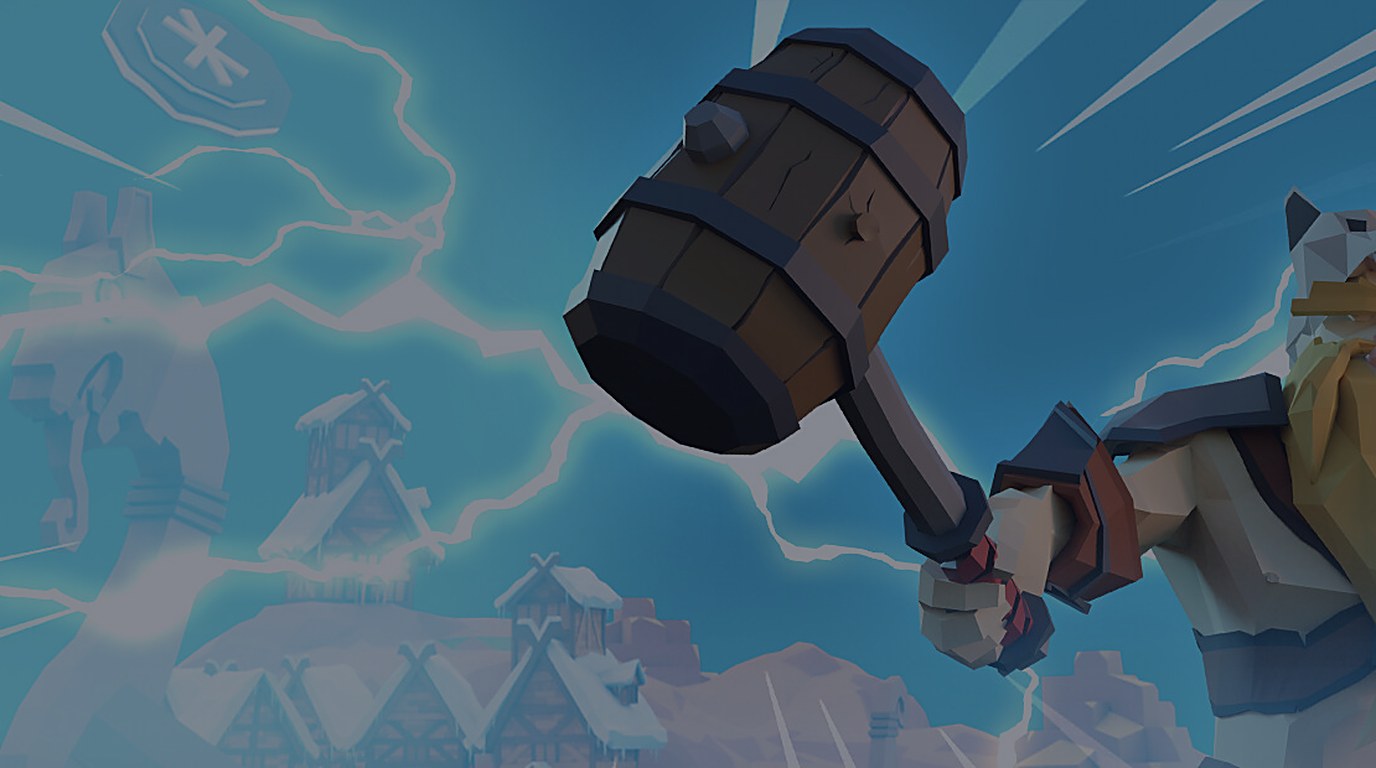
Ragnarock is a Viking-themed rhythm game, and that undersells it. You are not tapping notes in a lane. You are the drummer of a longship racing rival ships down a fjord, and every beat you land drives the oars harder. Miss the beat and your ship drifts; nail a streak and you surge past the pack. It is the most physical a rhythm game has made me feel since I first picked up the sabers, and it pulls it off with two mallets and a wall of metal.
What You’re Actually Buying
This one is simple, and that’s the point. Ragnarock is a VR-first game — there is no flat version to “convert,” no mod to bolt on, no injection driver to coax into rendering. WanadevStudio shipped it for VR from day one on Steam Early Access, then brought it to the Quest store as a standalone build and to PSVR2 on the PlayStation channel. You buy it on the store your headset uses, you download it, you pick up the drumsticks. There is no setup story here, and for once that’s a relief rather than a missed opportunity.
The input is the whole game: two tracked controllers become mallets, and you strike four drum positions arranged in front of you. The game reads the angle and timing of your swing, not a button press, so the motion is the mechanic. Tracked Controller Support is a literal store tag, and it’s the right one — your hands are the only thing between you and the beat. It plays standing or seated, and because there is no artificial locomotion, the comfort story is about as clean as VR gets: you are planted at the drum bench, the world moves around you, and nothing induces the nausea that smooth-motion shooters do. The load is entirely upper-body, and that’s the part worth respecting before you queue up a Gloryhammer marathon.
The Soundtrack Is the Whole Pitch
Here is the thing that separates Ragnarock from the rhythm pack: the music is licensed. This is not a synth-loop library with a Viking skin. It is celtic rock, viking power metal, and full folk-metal bands — Sabaton, Wind Rose, Gloryhammer, Powerwolf, Lordi, and a deep bench of Hellfest artists show up across the song catalogue. When a track kicks in and you’re slamming drums in time with a choir of power-metal vocalists, the genre clicks in a way Beat Saber’s originals never quite sold me.
The catch is that a lot of the best material lives in paid song packs. The base game gets you going, but the catalogue that makes Ragnarock feel like a dedicated metal-rhythm destination is a DLC investment. That’s a real purchasing decision, not a flaw — but go in knowing the free setlist is a tasting menu, not the feast. If you want the Sabaton war anthems everyone clips, that’s a separate transaction.
Racing the Beat
The race framing is what keeps Ragnarock from being a glorified drum trainer. Each song is a regatta: your accuracy feeds your ship’s speed, and you’re chasing AI longships or, better, real people. The online PvP supports up to six players, and cross-platform play means the PCVR crowd, Quest standalones, and PSVR2 owners are all in the same fjord. There are private lobbies too, so you can drag friends into a rhythm duel without randoms crashing the longship.
What surprised me is how much the competition changes the way you play a track you’ve already learned. Solo, you chase a gold medal and a clean full combo. Online, you’re watching the rival ship in your periphery, pushing for a streak you’d never risk alone, and the trash-talk in voice chat when you clip a drum on the final straight is its own reward. It is the same competitive pull that built Beat Saber’s expert community, and Ragnarock clearly has one — there is a committed tail of players posting difficulty-graded full-combo runs on the hardest charts, which is the signature of a rhythm game with legs rather than a launch-week novelty.
Where It Buckles
I’m not going to pretend it’s flawless. The drum layout is fixed and the note reading takes a session or two to internalize — the four runes don’t map to obvious left-right pairs the way saber colors do, and my first attempt looked like I was swatting flies. That’s a learning curve, not a wall, but don’t expect to feel competent in the first three songs.
The bigger honest caveat is scope. Ragnarock is a rhythm game with a Viking coat of paint, and underneath the longship framing it is exactly that: you strike drums in time with music. There is no progression system that deepens the fantasy, no story to inhabit, no world to explore between tracks. You are at the bench, the track plays, the ship moves. That’s the entire loop. For a rhythm obsessive that’s perfect; for someone who wants VR to mean “be somewhere,” Ragnarock is a workout machine with a great soundtrack, not a destination. Compared to the world-building that pushes something like Half-Life: Alyx or even a sandbox like Walkabout Mini Golf into higher tiers, Ragnarock’s world is a thin theme over a tight mechanic — which is exactly why it lands where it does rather than higher.
And the DLC model deserves a second mention as a real friction point, not a nitpick. The song packs are where the identity lives, and paying per-band after the base purchase means the “full” Ragnarock is a cumulative spend. Budget for it the way you’d budget for a rhythm game’s career mode, because the free setlist alone undersells what the game is.
The Drum Bench Is the Destination
I keep coming back to the sore shoulders, because that’s the real review. Ragnarock got me sweating over a rhythm game, and it did it without artificial locomotion, without a comfort compromise, and without asking me to mod a flat game into submission. It is the most physical a music game has made me feel, and the licensed metal is the difference between a good rhythm toy and a game I actually want on my library.
Is it essential? No. The world is a theme, not a place, and that’s the one thing keeping it out of the top tier — there’s no reason to inhabit Ragnarock the way you inhabit a true VR landmark. But for the player who already knows they like rhythm games and already knows they like metal, this is an easy yes. It’s the drum game the genre was missing, it runs anywhere VR runs, and it’ll quietly become the most reliable cardio on your headset. Skip it if you don’t care for either half of that equation — but if you do, put the drumsticks down only when your arms tell you to.