
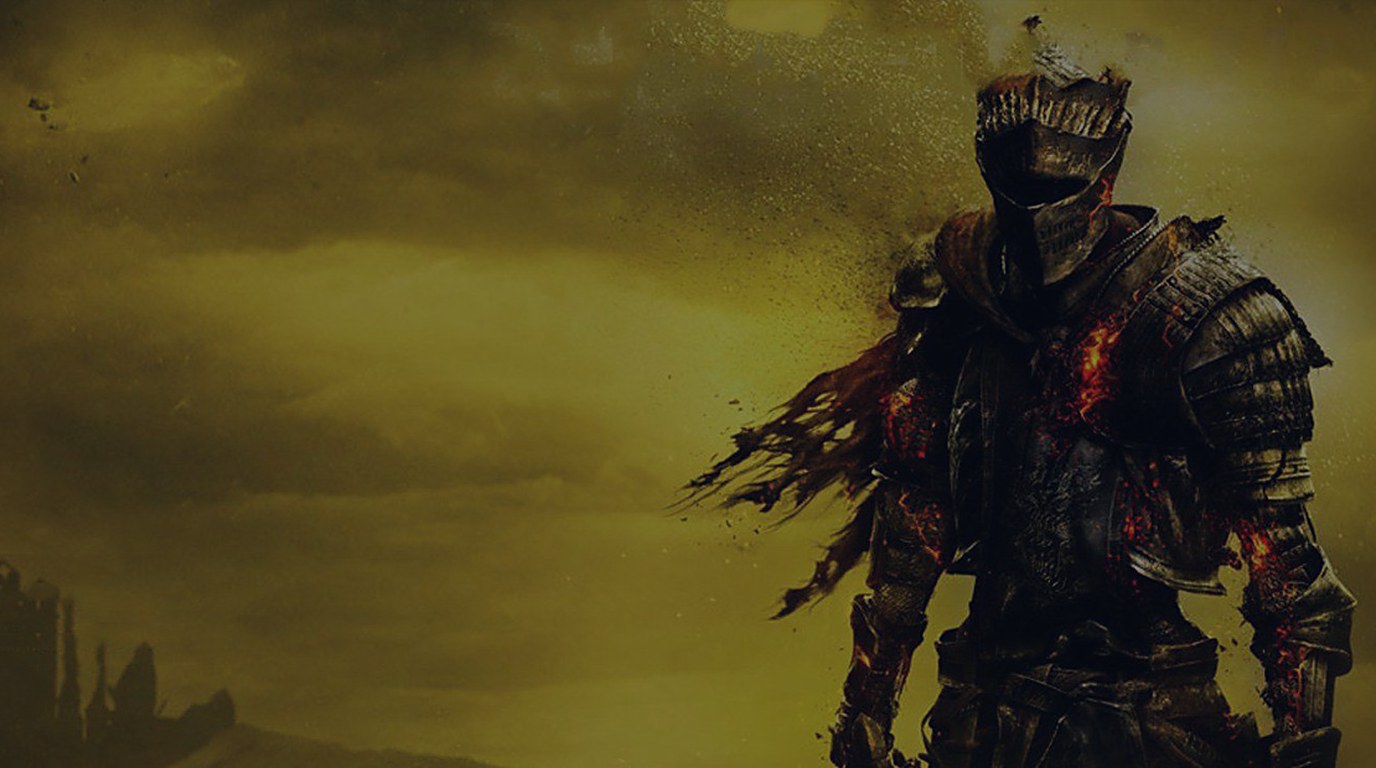
I died to the Crystal Sage about forty times before I admitted the real problem was that I’d been playing Dark Souls III on a monitor like a coward. Then I loaded Luke Ross’s R.E.A.L. VR conversion, put the headset on, and watched a boss the size of a cathedral actually loom over me. That changes how a fight reads in a way no resolution bump ever did.
What the R.E.A.L. conversion is
There’s no official VR mode for Dark Souls III and FromSoftware never promised one. What you get instead is a community conversion by Luke Ross — the same person behind the R.E.A.L. framework that’s dragged a pile of flat games into headset-shaped reality. For DS3 it layers stereoscopic 3D and full 6DOF head tracking on top of the complete game. You keep the original third-person camera and the original gamepad controls; what changes is that the world now has depth, scale, and a viewpoint that’s actually yours. Every swing, parry, and spell is a button — your arms stay in your lap. You’re standing behind your knight, looking around Lothric in real three dimensions.
Getting it running is a moderate lift: grab the R.E.A.L. build from the creator’s authorized source, point it at your Steam install, and spend a few minutes tuning performance before you dive in. Play offline — DS3 has a long history of soft-banning modified installs, and nobody needs that on a second playthrough.
Before this conversion, the only way to cram DS3 into a headset was the old VorpX plus a first-person camera hack, which worked but felt like duct tape and gave plenty of people the “very janky” experience they complained about. The R.E.A.L. path is the one worth talking about.
Standing inside Lothric
The first thing that hits you is scale. Firelink Shrine has always been a quiet, lonely hub, but in the headset the drop-off behind the bonfire has real height, and the way the light falls across the stone means something now. The bosses stop being rectangles with health bars and become things with mass. I came around a corner in the Cathedral of the Deep and the Deacons were suddenly there, a cluster of bodies filling my view — and I understood the room’s geometry in a way the flat version never taught me. The dread is more physical because the space is.
Combat reads differently too. Souls fights are about spacing, timing, and reading telegraphs, and head-tracked 3D makes those reads sharper. When a greatsword comes down, you see the arc in space, and your dodge rolls feel like they happen in a real room. It’s still gamepad — roll on B, swing on RB — but the camera is yours to lean, crane, and peek with. That alone pulls you out of spectator mode.
Performance sits at a moderate demand. DS3 isn’t a current-gen horsepower hog, but stereoscopic rendering doubles the work, and the game’s particle and lighting effects pile on. Drop shadows and resolution to keep a steady 90Hz and you’re fine on a mid-range PC; the “4K monitor preset” is not a VR preset, and treating it like one is how you get a slideshow. Comfort is manageable — third-person framing means you’re not welded to a first-person sprint, so it’s gentler on the stomach than the old VorpX first-person route, though the constant locomotion will still test anyone who’s shaky on smooth movement.
What it doesn’t do
Be clear about the ceiling. This is a conversion, and it shows in the places that matter to hardcore VR fans. There are no motion controls — every swing, parry, and spell is a gamepad button, so don’t come expecting Blade-and-Sorcery melee. The UI is the flat UI, floating in the world rather than rebuilt for headset legibility, which means the occasional menu squint. And because it’s third-person, you’re piloting a character at a distance — the presence is real, but it’s a puppeteer’s presence.
The bigger caveat is for newcomers. Dark Souls III is a 60-hour commitment with a learning curve that punishes impatience, and VR adds a setup step on top of an already demanding game. If you’ve never beaten a Souls boss, the headset won’t teach you the fundamentals — it’ll just make your deaths feel more personal. I’d never hand someone this as their first VR game or their first Souls game. Those are two separate walls, and stacking them is how you end up frustrated at both.
The staying power
Here’s what sold me: this has staying power well past the first hour. Dark Souls III is one of the most-rewatched VR-mod subjects on the channels that cover this stuff — Beardo Benjo alone has put out multiple DS3 VR videos across years, one of them pulling six figures. Players have logged 75-hour VR playthroughs and come back talking about how the game “just happened to be one of the best games modded” for headset play. That’s a real, complete game that happens to be even better with depth and scale wrapped around it.
The VorpX-first-person route still exists for the truly committed, but it’s a rougher, jankier experience and I don’t think it’s worth your time when the R.E.A.L. conversion exists. Play the clean path.
What “stable but quiet” means for you
One caveat deserves its own space, because it shapes how you should approach the install: this conversion is finished. It works, it has worked for a long time, and there is no roadmap of new features coming. That is a different proposition from a mod that ships monthly, and it cuts both ways.
The good half is stability. Nothing here is going to break under you mid-playthrough because the maintainer pushed a half-tested build on a Tuesday. The R.E.A.L. framework underneath is mature, the DS3 conversion is a known quantity, and the community has already mapped the settings that keep it running at frame. You are installing something settled.
The other half is that fixes for new problems will be slow to arrive. If a future Dark Souls III patch or a Windows update changes something the conversion depends on, you may be waiting, or working it out yourself. That is why the offline note in this article is not a throwaway line — play offline, keep the install stable, and treat the working state you get as the state you keep. Check the creator’s current notes before you update anything around it, because there is nobody upstream racing to patch the fallout.
For a 60-hour game you intend to replay, a settled conversion is arguably the right shape. Just go in knowing you are adopting something finished.
Where Lothric lands
Dark Souls III in VR is a B-tier experience for one simple reason: it’s an exceptional game wearing a good-but-not-native VR suit. The world is the draw, and the R.E.A.L. conversion lets you finally inhabit it — third-person, gamepad in hand, bosses looming where they should. It plays the way you already know, and it won’t convert anyone who bounced off the series flat. But if Lothric already means something to you, this is the cheapest, most welcome way back in I’ve found. Praise the conversion, and praise the sun.