
The Top 50 PSVR Games of All Time
The complete PSVR library ranked from #50 to #1 — from FNAF: Help Wanted to Astro Bot Rescue Mission.
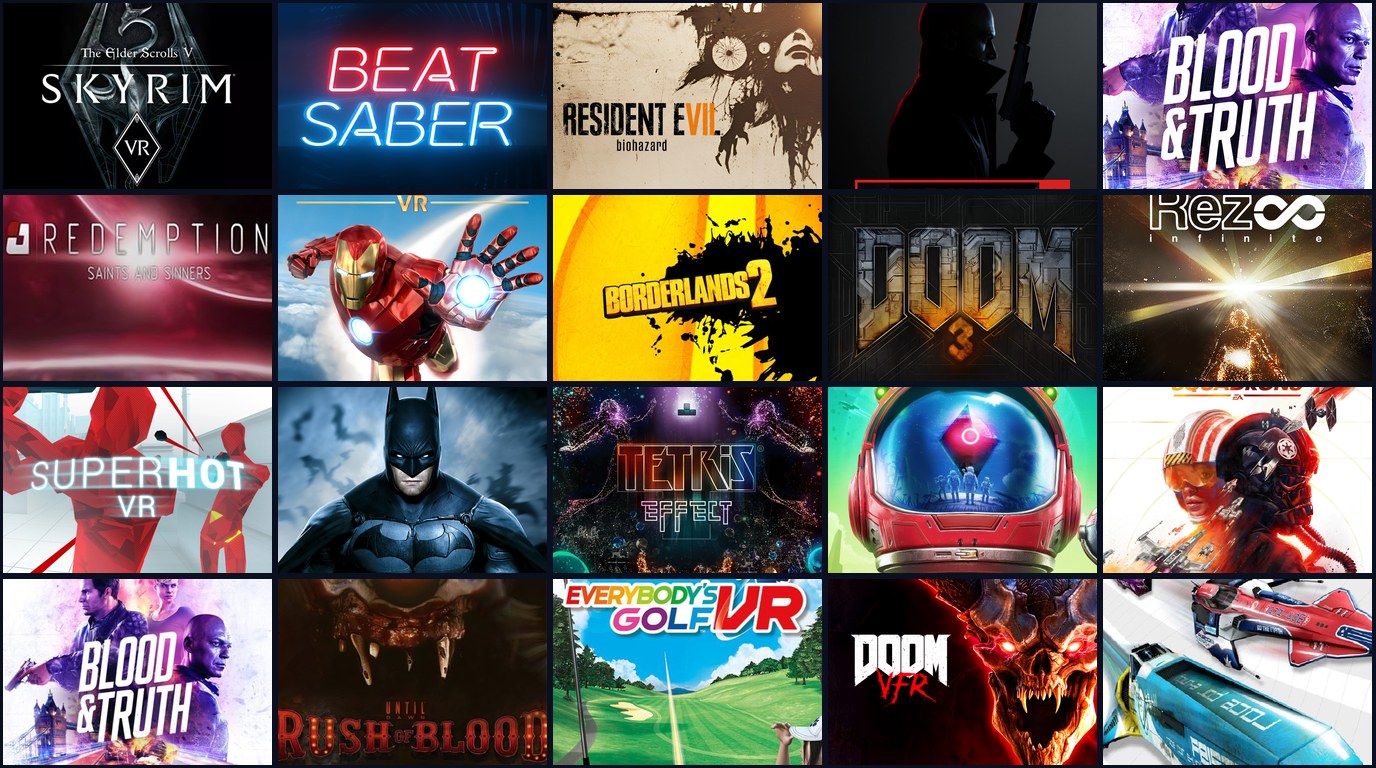
The PlayStation VR library is the widest spread of virtual reality experiences ever assembled on a single console. I’ve spent the better part of six years with the headset on, and what still gets me is the range: some of these are built for VR from the ground up, and some are full flat-AAA titles that shipped a VR mode alongside the disc, and both belong on the same shelf. This is the definitive ranking of all 50, counted from the bottom up, #50 to #1.
#50: Five Nights at Freddy’s: Help Wanted
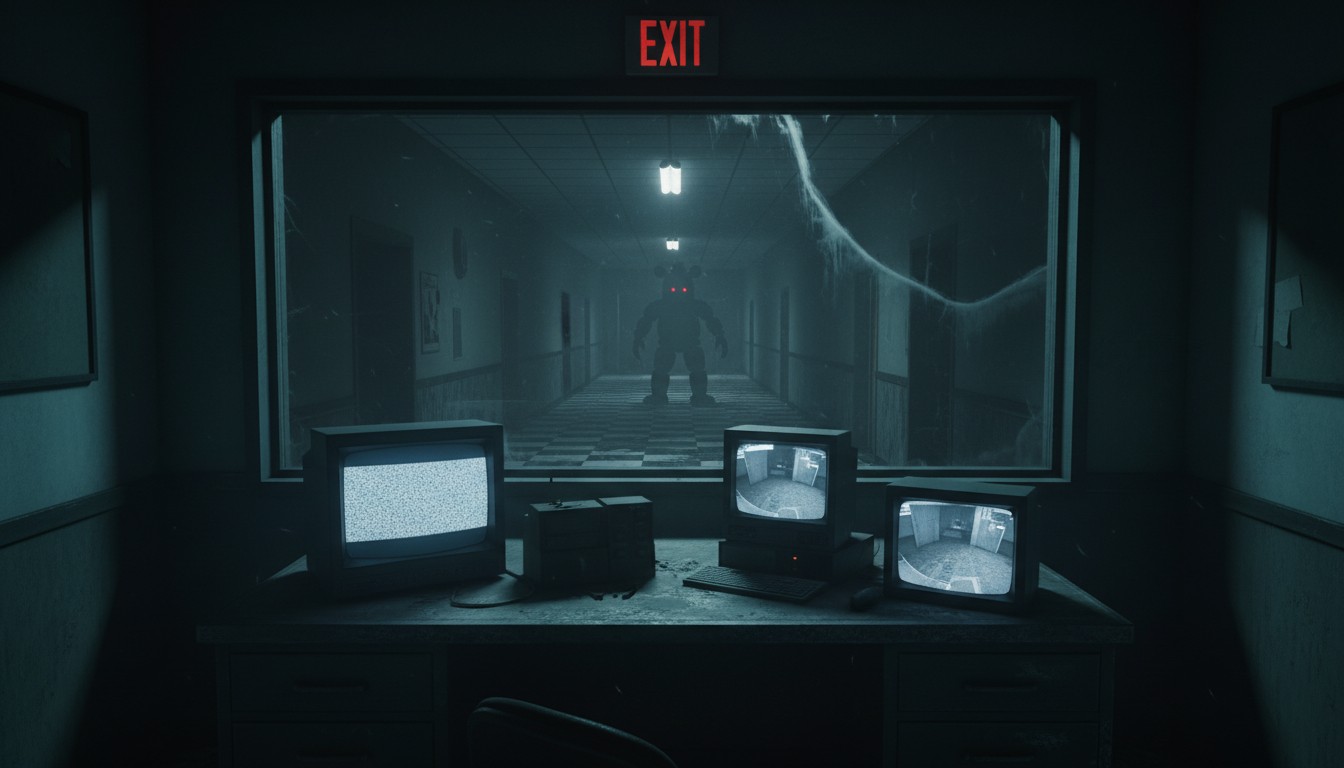
Five Nights at Freddy’s: Help Wanted is a horror minigame anthology, not a single campaign. The headset drops you into flashlight repairs, vent crawls, and the original night-guard shifts rebuilt in VR. The animatronics lean into personal space and the jump scares land because there is nowhere to look away. Treat it as a scare-box anthology. The padding is fine and the best bits are genuinely sweaty.
Read the full Five Nights at Freddy’s: Help Wanted review
#49: Battlezone
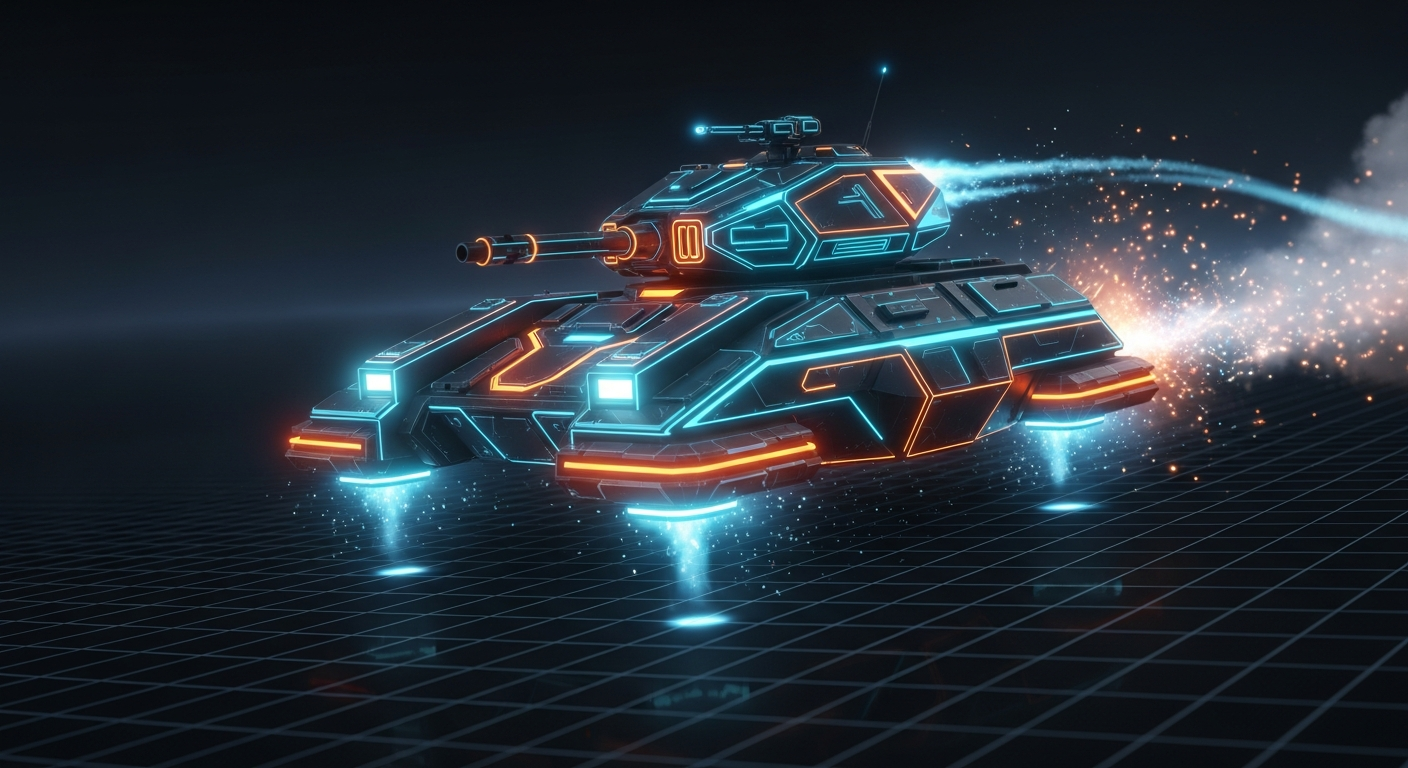
Battlezone opened the PSVR launch window with a neon-vector aesthetic that still reads as the cleanest art direction on the system. The loop is roguelike. You roll out, light up enemy armor, die, and roll out again on a fresh map. The canopy view and vector glow make the simplicity feel deliberate rather than thin. Motion stays smooth and the difficulty curve gets teeth fast, which is what a launch arcade shooter should do.
Read the full Battlezone review
#48: Borderlands 2 VR
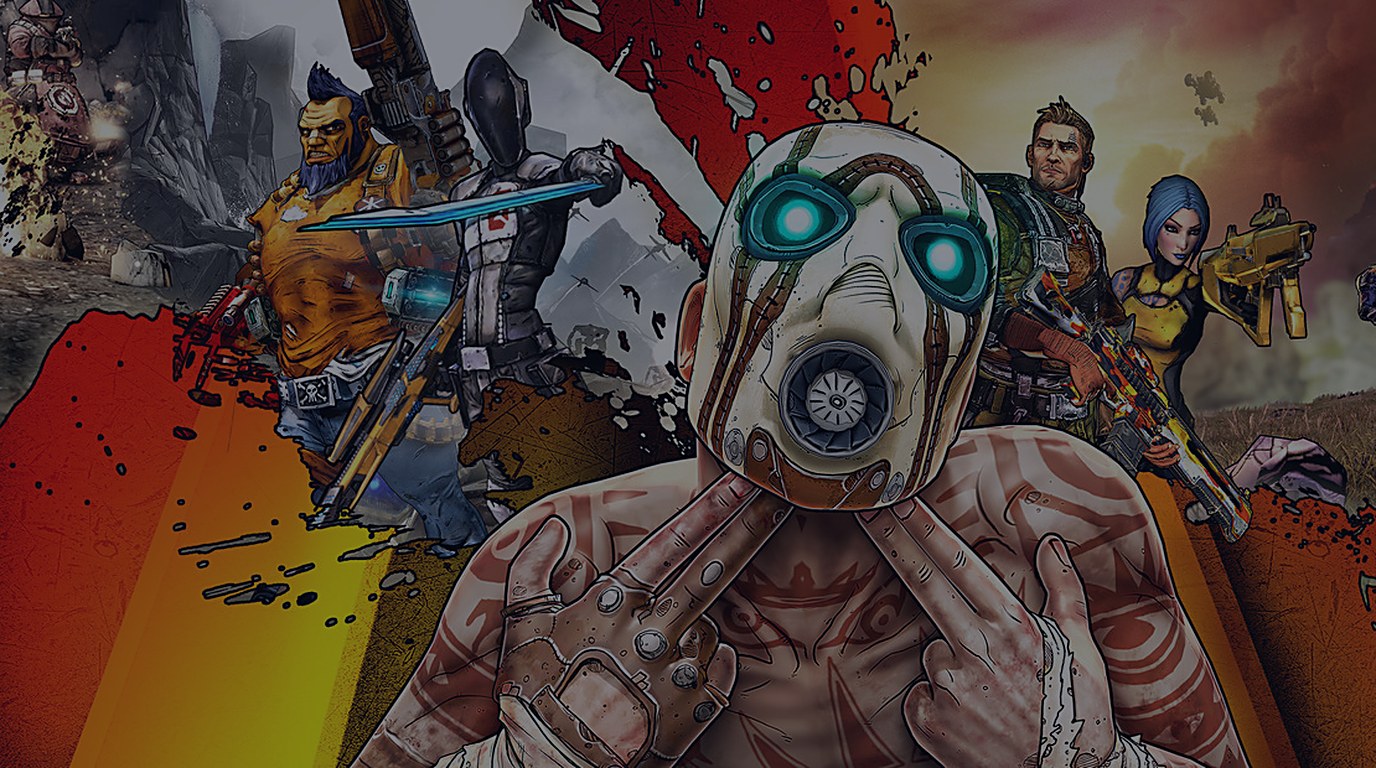
Borderlands 2 VR drops cel-shaded Pandora and the loot-shooter translates better than it had any right to, with the Aim Controller turning every reload into a physical habit. This is the full Borderlands 2 campaign in VR, a PSVR timed exclusive, and gunplay and skill trees survive the jump intact. The frame budget occasionally reminds you it is a port straining the hardware. Loved the flat game? Standing inside its chaos is the upgrade. Didn’t? VR won’t fix the joke pacing.
Read the full Borderlands 2 VR review
#47: Pixel Ripped 1995
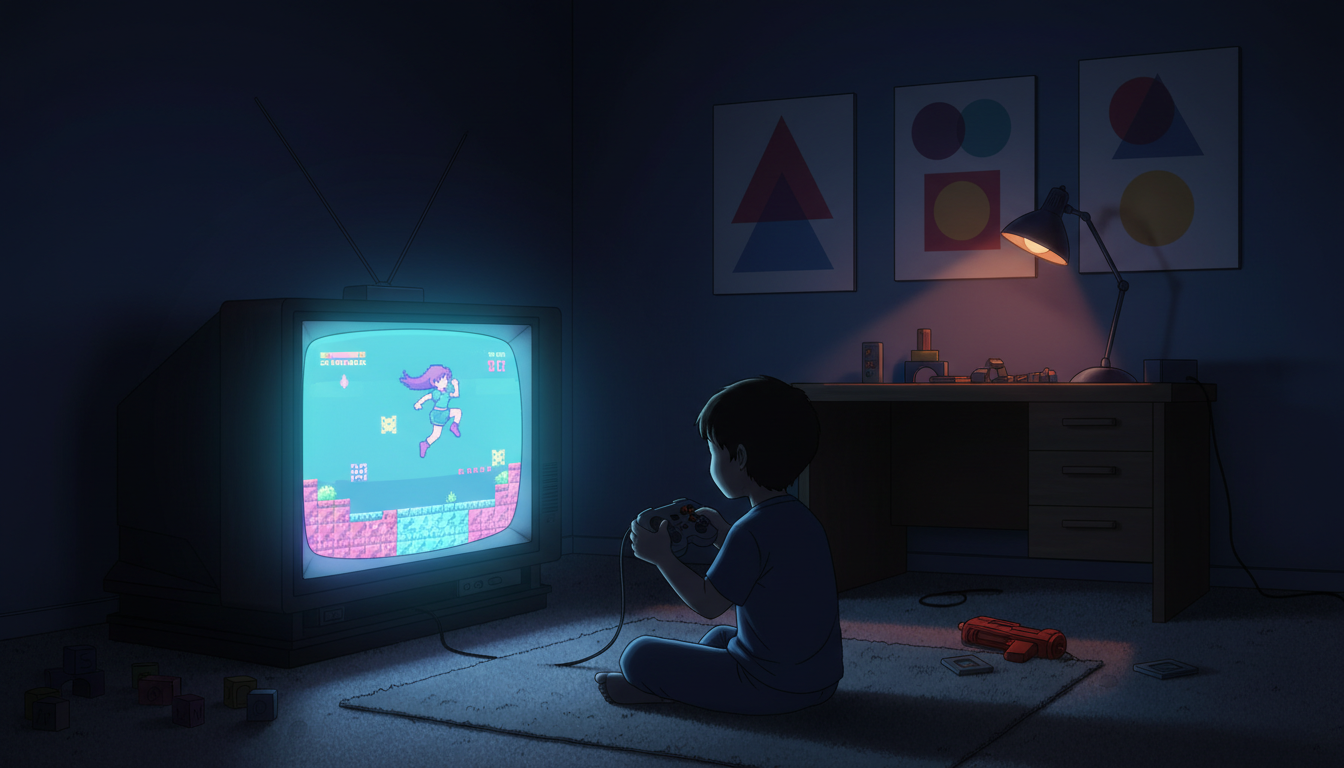
Pixel Ripped 1995 is a 90s console game that bleeds off the screen and into your room, so you play a game while a game glitches into real space. The retro-nostalgia pitch works because the in-world platforming is actually competent and the reality-break moments are the draw, not a gimmick bolted on. It is short and a little precious about its references, but as a love letter to the CRT era it is the most charming weirdo on the list.
Read the full Pixel Ripped 1995 review
#46: The Invisible Hours
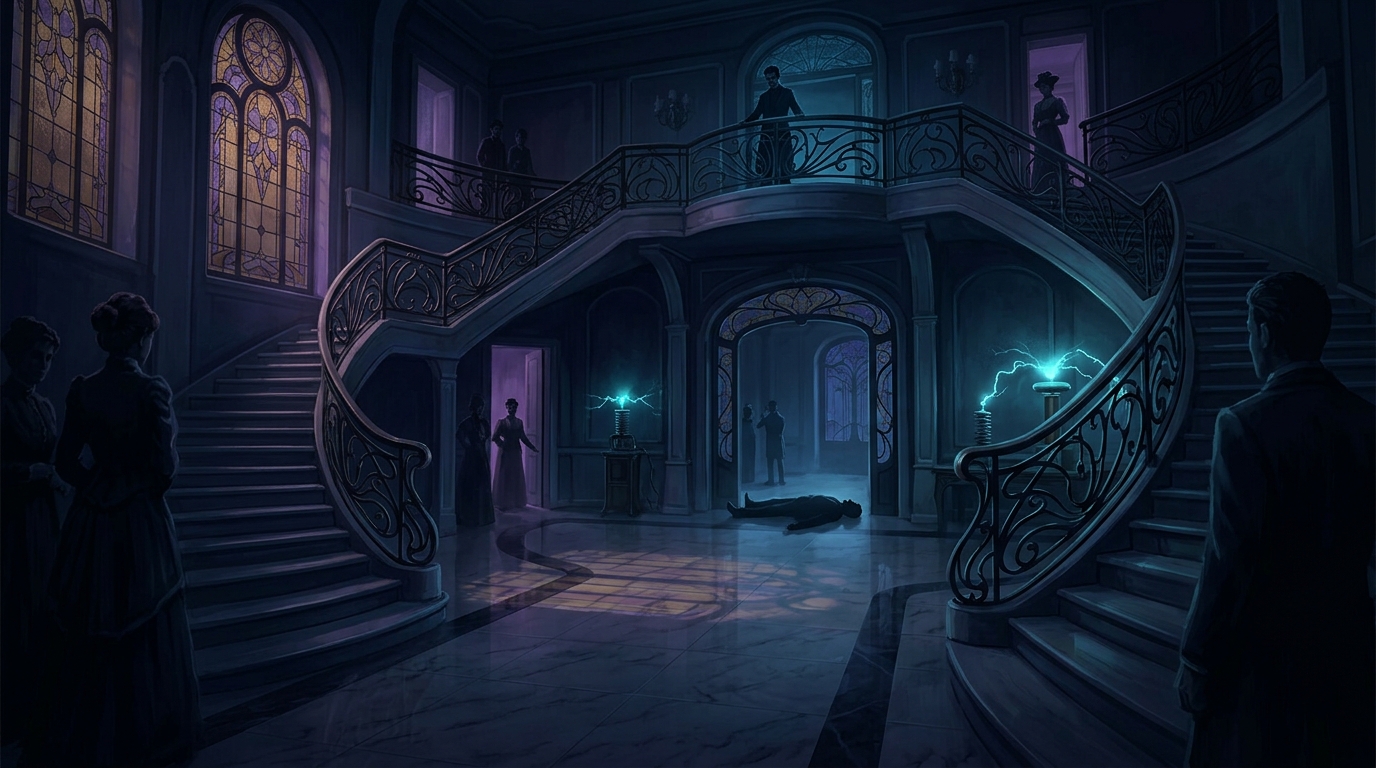
The Invisible Hours is a murder mystery you walk through rather than solve with a cursor. The cast moves on fixed paths and you choose which thread to follow. The trick is agency without interaction. You cannot change the night, only witness it from every angle, and the headset makes eavesdropping feel like trespassing. It is slow and demands patience, but no other VR title lets you drift through a locked-room drama this completely.
Read the full The Invisible Hours review
#45: Arizona Sunshine
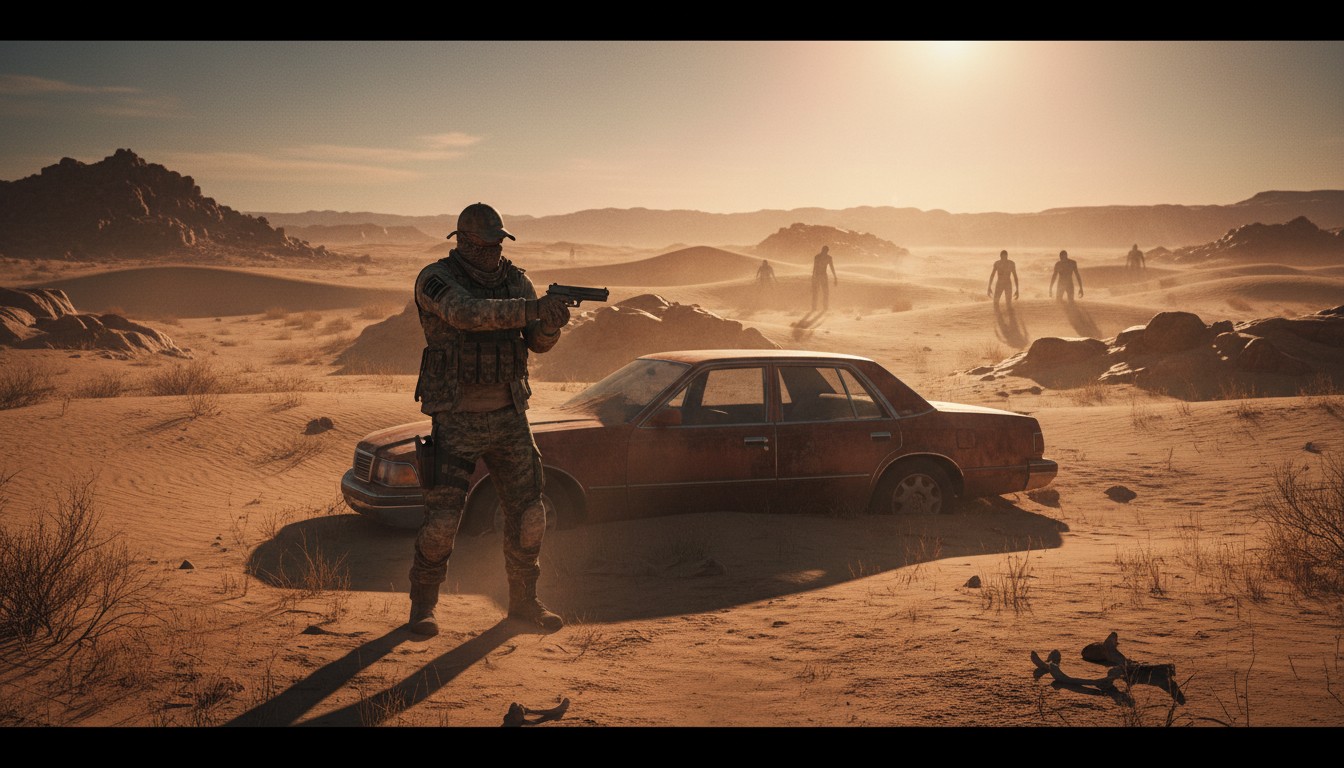
Arizona Sunshine puts the Move controllers in your hands and reloading a shotgun by hand is the tactile habit that carries the whole zombie FPS. The horde closes in from real directions and the Aim Controller later makes the shooting read cleaner, but even on Move the forest panic is the point. The campaign is competent and the co-op mode is the real reason to keep it installed, with gore physics that never stop satisfying.
Read the full Arizona Sunshine review
#44: Firewall Zero Hour
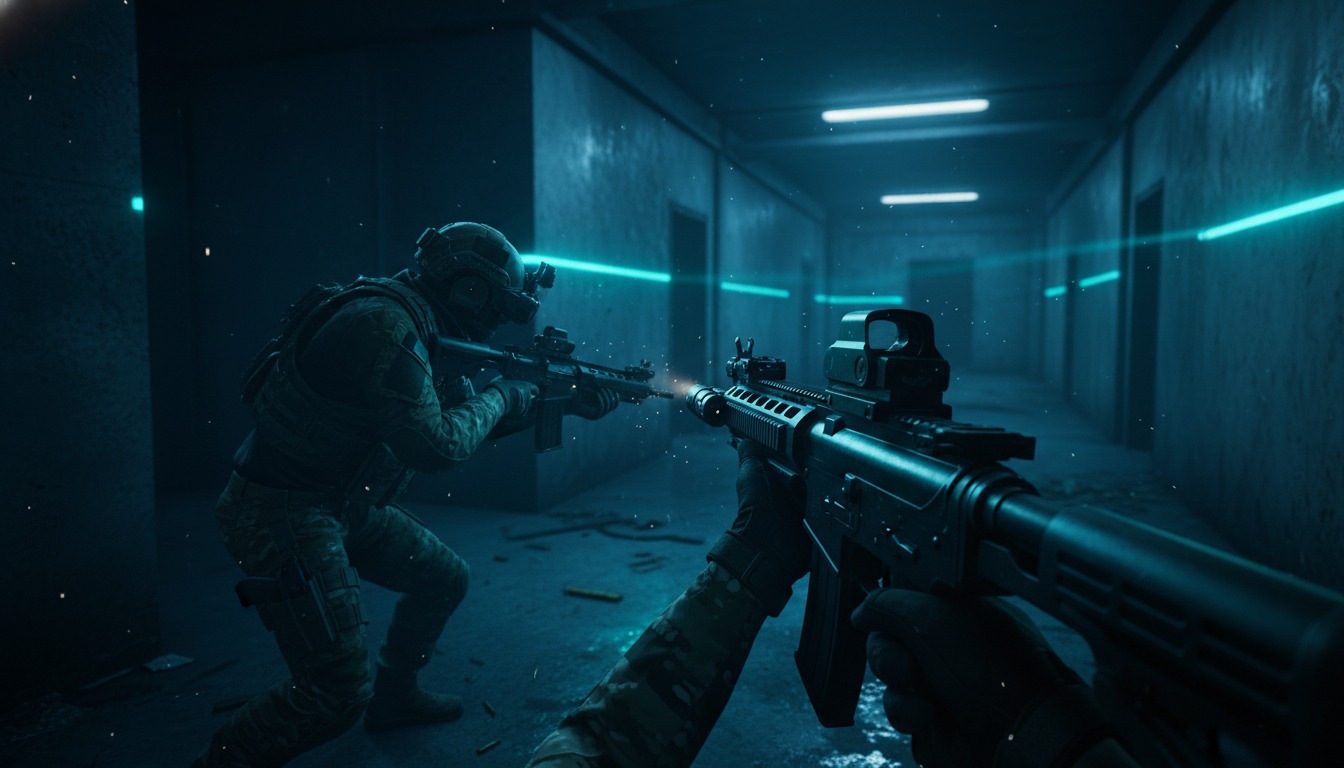
Firewall Zero Hour puts the Aim Controller in your hands like a real rifle and you call targets to your squad. This is the tactical multiplayer shooter that justified the peripheral for something other than Farpoint. Each round is a small hostage-rescue puzzle where sound and positioning beat reflexes, and the headset turns peeking a corner into a held breath. It lives or dies on who you queue with, but with a coordinated crew it is the best competitive VR on the console.
Read the full Firewall Zero Hour review
#43: Ace Combat 7: Skies Unknown
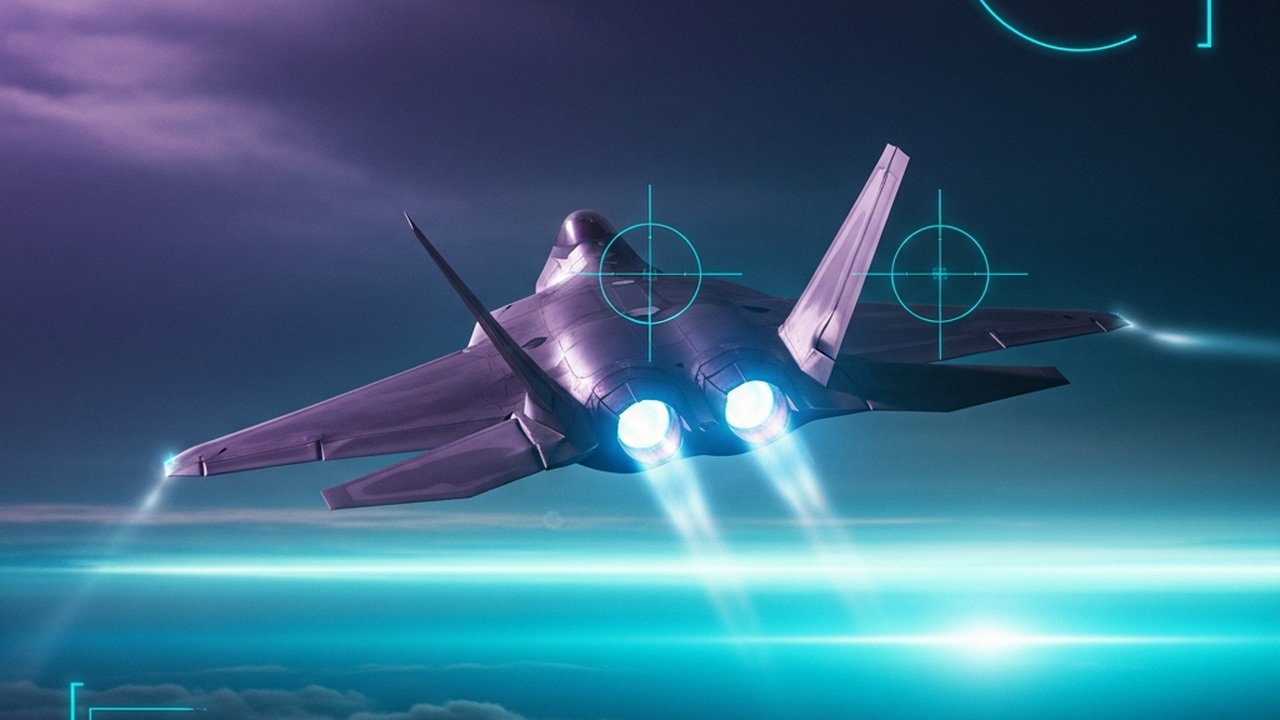
Ace Combat 7: Skies Unknown puts you in the cockpit for its dogfights, but only three missions are in VR. The rest of the flat campaign stays on the TV. Those three are gorgeous. The cockpit view and horizon rolling under your wings sell the flight better than a flat cutscene, and the sense of altitude is why you flip the headset on. The VR is a bonus mode on a flat game you would own anyway, not a VR title in its own right.
Read the full Ace Combat 7 review
#42: Everybody’s Golf VR
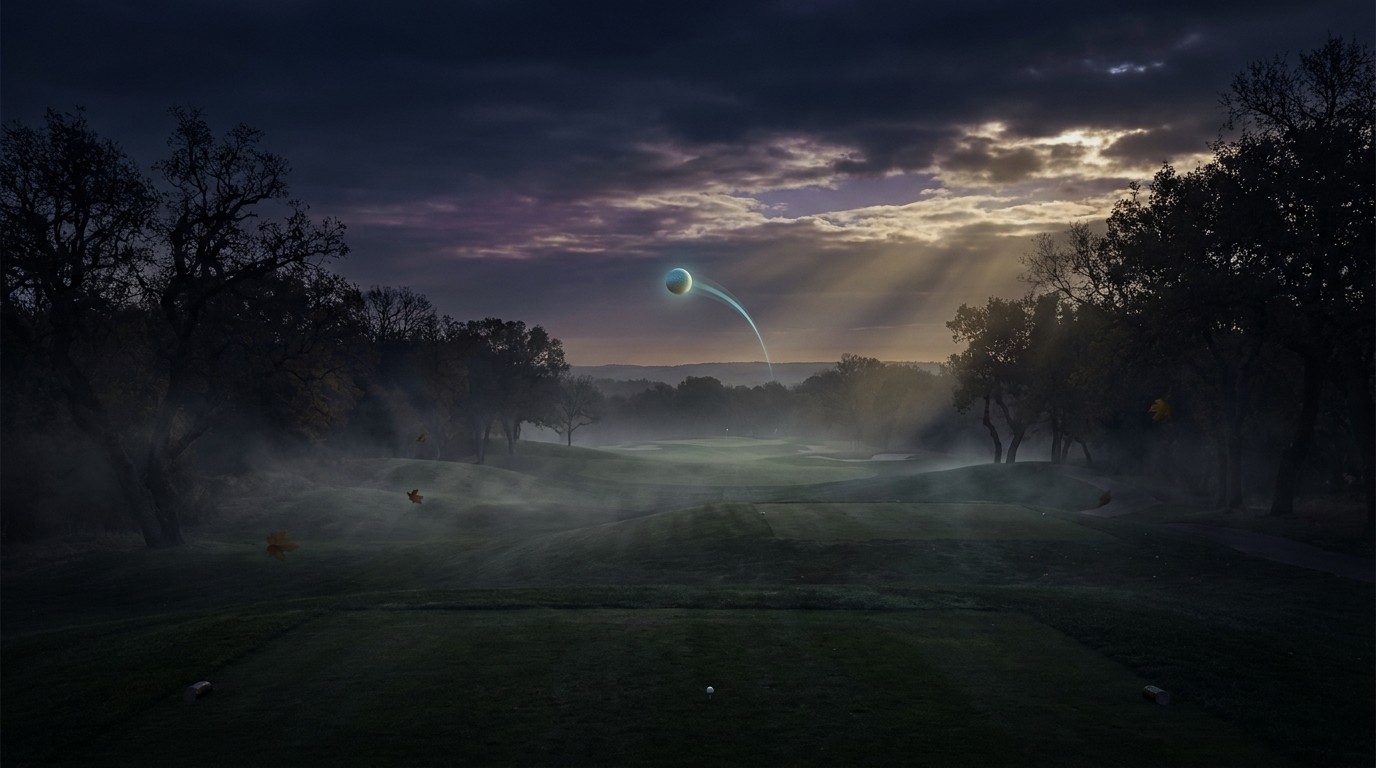
Everybody’s Golf VR hands you the Move controller like a real club and the Clap Hanz swing model reads your tempo rather than your button press, which is the difference between a minigame and a round you want to replay. It is a focused slice of the series with a handful of courses and a calm driving-range loop, but standing on the tee with wind moving grass is what VR golf should be. Light on content, heavy on feel, and the most relaxing thing on the list.
Read the full Everybody’s Golf VR review
#41: Déraciné

Déraciné casts you as a fairy tugging at time inside a hushed boarding-school manor, a FromSoftware curiosity led by Dark Souls director Hidetaka Miyazaki. It is the anti-souls game. There is no combat, just observation and a slow mystery about the students you are meant to protect. The headset makes the stillness intimate, letting you lean into a scene while small details carry the story. Short and deliberately slow, but as proof that VR can do gentle as well as loud it earns its spot.
#40: Thumper
Thumper put the beetle on the track at PSVR’s launch and “rhythm violence” stops being a marketing phrase. The speed and bass physically press on you, and missing a beat stings in the chest. It is a rail shooter married to a metal soundtrack with no motion controls needed, and the simplicity is the strength because you just survive the next stretch of track. On PSVR’s first day this was the argument that sound and speed could do more than guns and rooms.
#39: Until You Fall
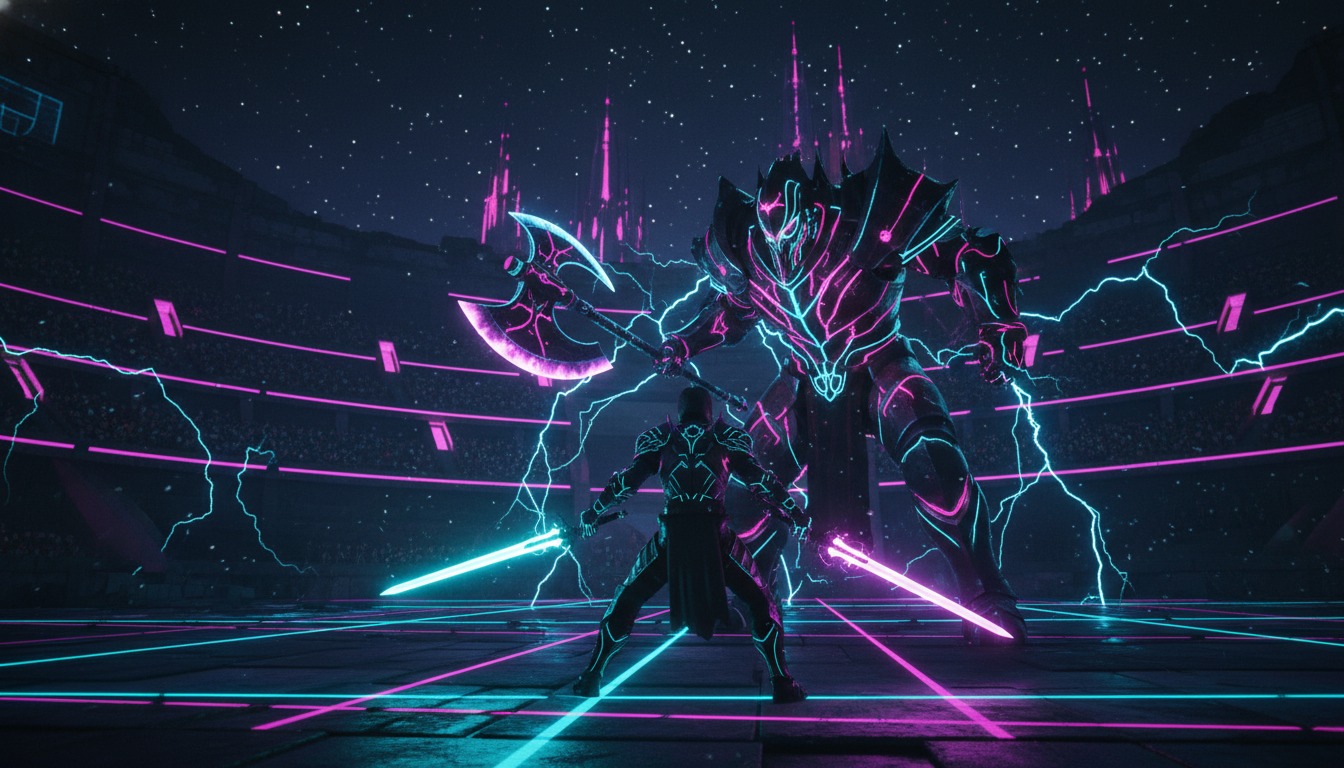
Until You Fall hands you the Move controllers to block and parry, and the roguelike sword combat makes your arms the weapon rather than a button mapping. Each run throws a new loadout of blades at you and the limb-targeted blocking means you actually watch where the enemy’s sword is going. The runs are repeatable and short enough to fit a break, and among PSVR’s melee crop this is the one that taught the rhythm to your wrists first.
Read the full Until You Fall review
#38: Paper Beast
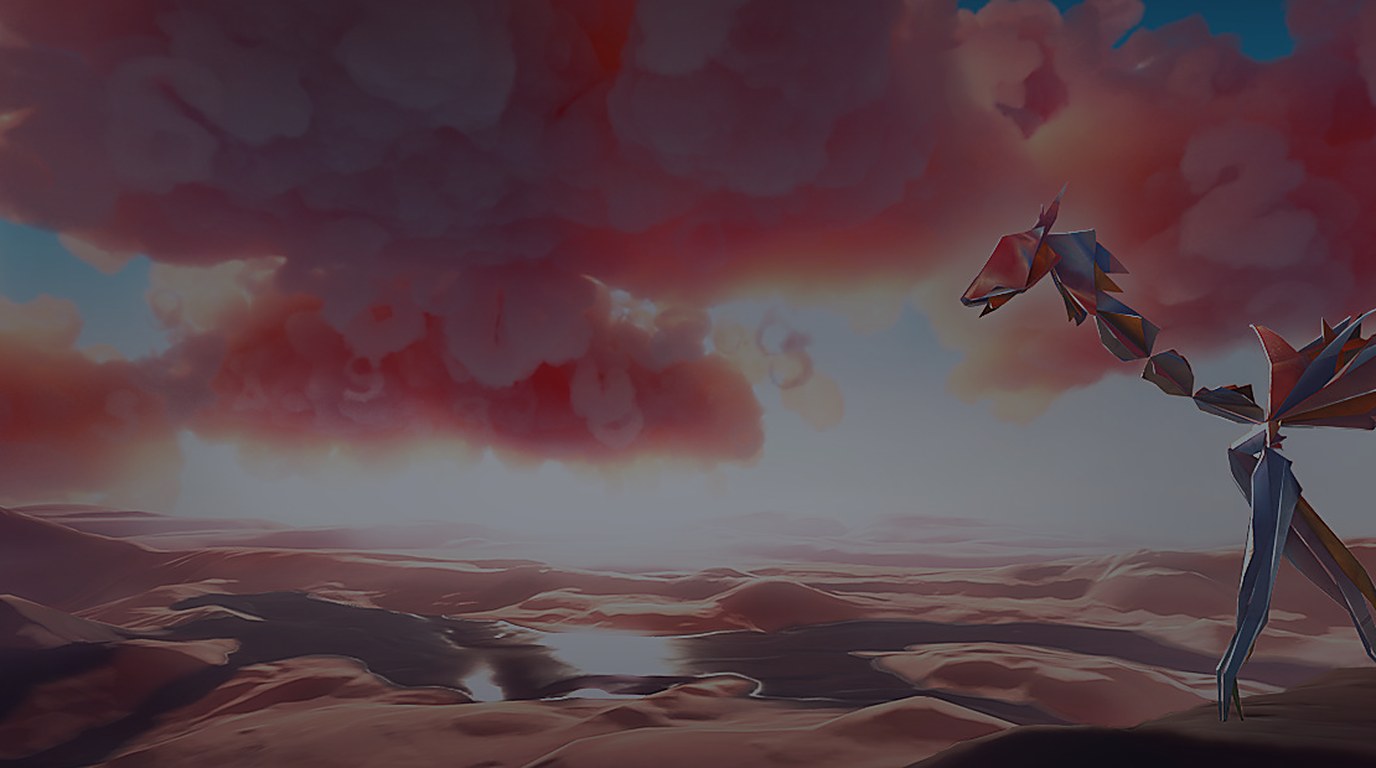
Paper Beast drops your hands into Eric Chahi’s paper ecosystem and the creatures fold and react to your gestures like living origami, which is the entire pitch and it holds up. It is a sandbox more than a game. You nudge, dig, and redirect the wildlife through puzzle valleys, and the weird beauty of the paper world is the reason to stay. Thin on goals, rich on texture, and the most singular art direction in the mid-list.
Read the full Paper Beast review
#37: The Persistence
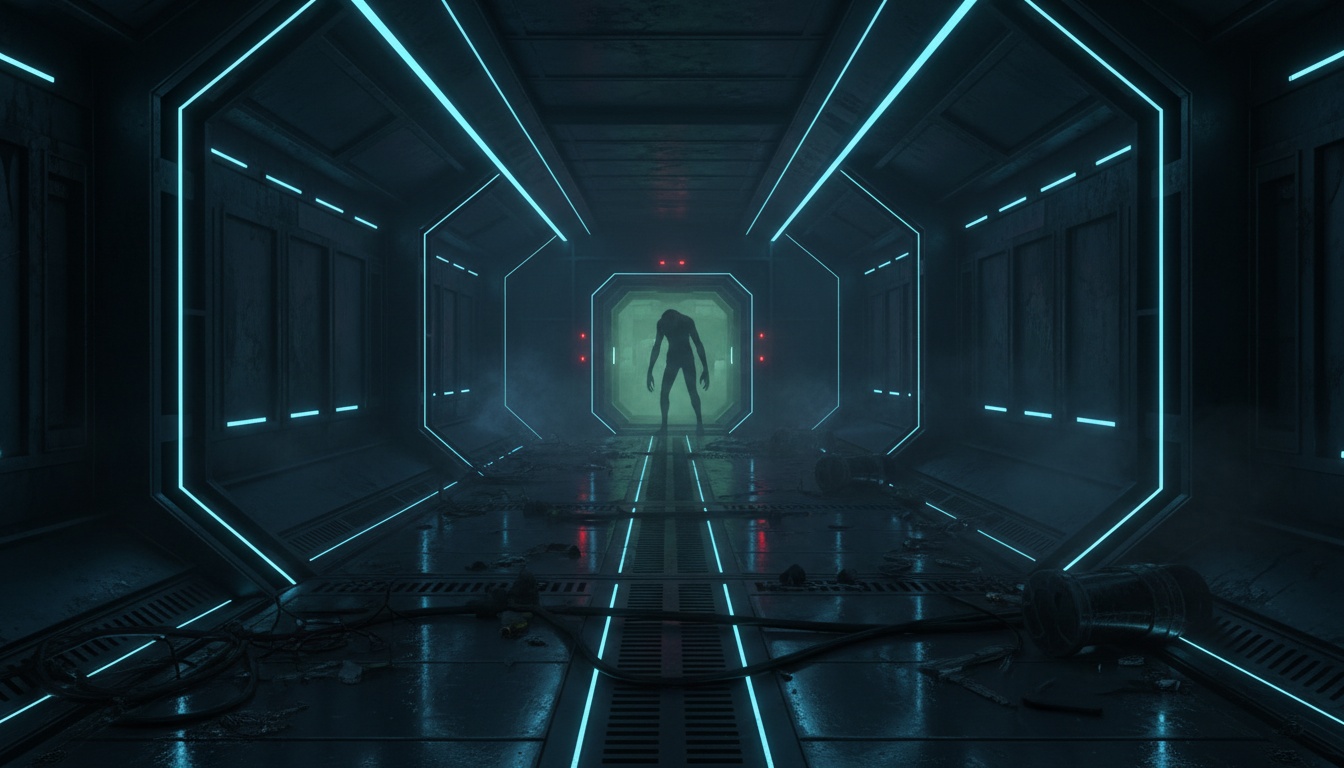
The Persistence drops you aboard a doomed ship in near-total darkness, DualShock 4 in hand, with dread built around not seeing what lurks past the next corner. This roguelike horror rebuilds its map on every death, so the layout never stays familiar. The headset makes the close-quarters stalk genuinely tense, and DS4-only controls spare you from needing Move wands. The loop is a grind that rewards persistence, and the claustrophobia ranks among the most honest scares on PSVR.
Read the full The Persistence review
#36: A Fisherman’s Tale

A Fisherman’s Tale builds its puzzle around a lighthouse that contains a smaller lighthouse you reach into, a recursive nested world only VR can sell. Your own small model holds a world that holds you, and the brain-bending scale flips form the entire game. The trick works because your hands sit literally inside the smaller reality. The experience runs short and a little one-note, but as a pure “wait, what” moment it punches well above its runtime.
Read the full A Fisherman’s Tale review
#35: XING: The Land Beyond
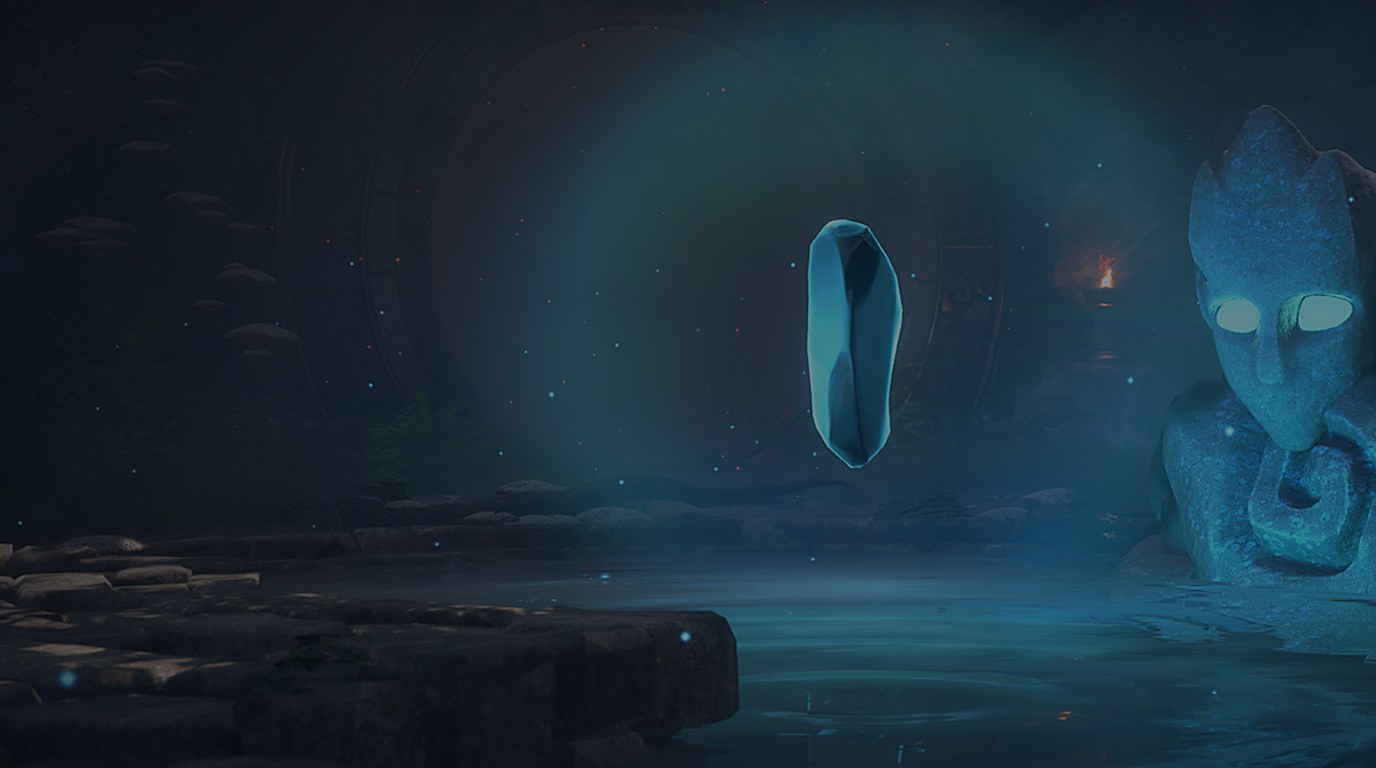
XING: The Land Beyond sends you through Myst-style valleys where puzzles solve by shifting the landscape and weather with your hands. The draw is slow, contemplative exploration rather than any action beat. You manipulate stone and sky to open the next path, and the headset lends the vistas a scale a flat screen flattens. Light on tension and heavy on atmosphere, it stands as a quiet, patient corner of the PSVR library.
Read the full XING: The Land Beyond review
#34: WipEout Omega Collection

WipEout Omega Collection is a flat game with VR support bolted on, not a native VR title. The VR patch puts you in the cockpit of an anti-grav racer that delivers the speed it always promised. The track blurs past the visor and the G-forces read as pressure on the gut. The whole Omega Collection runs in VR on the DualShock, and leaning into a corner at 400kph is the purest arcade rush on the console. As a demonstration of VR velocity it remains untouchable.
Read the full WipEout Omega Collection review
#33: Fracked

Fracked is nDreams’ PSVR-exclusive shooter where you slide into cover and dual-wield through a free-running, slide-and-fire loop. The motion controls make the cover-shooting feel physical rather than menu-driven, and the Move wands deliver the most fun since Blood & Truth. It is a self-aware action romp with skiing sections and a smug villain that wears its B-movie heart openly. A timed exclusive, it earns its place in the library on sheer kinetic confidence.
#32: L.A. Noire: The VR Case Files

L.A. Noire: The VR Case Files rebuilds seven cases with the original’s famous facial capture right in front of you. You lean in to interrogate a suspect face-to-face, walk crime scenes, dust for prints, and watch witnesses sweat. The headset makes the lying obvious in a way a television never did. This is a curated slice of the flat game rather than the whole thing, but as a detective toy it is the best use of VR law enforcement on the system.
Read the full L.A. Noire: The VR Case Files review
#31: Ghost Giant
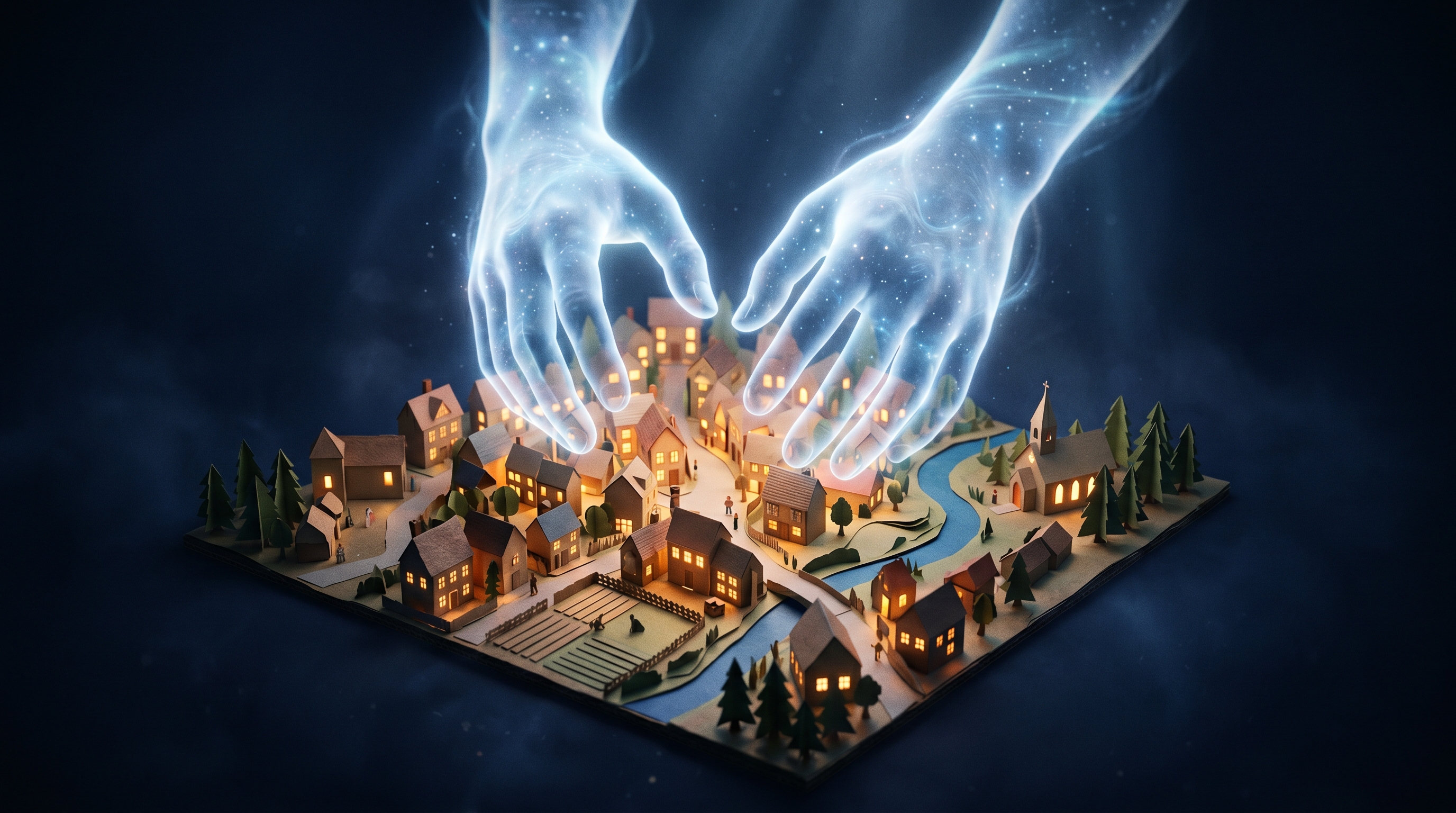
Ghost Giant is a diorama puzzle adventure that casts you as a giant ghost reaching into a tiny world to help Louis the cat. You lift, tug, and solve small problems for the townsfolk, and the scale play of being huge above a miniature street is the quiet joy. Cozy and undemanding, it plays more like a bedtime story than a challenge. The warmth is earned, which is why it sits as the softest entry in the mid-list.
Read the full Ghost Giant review
#30: Until Dawn: Rush of Blood
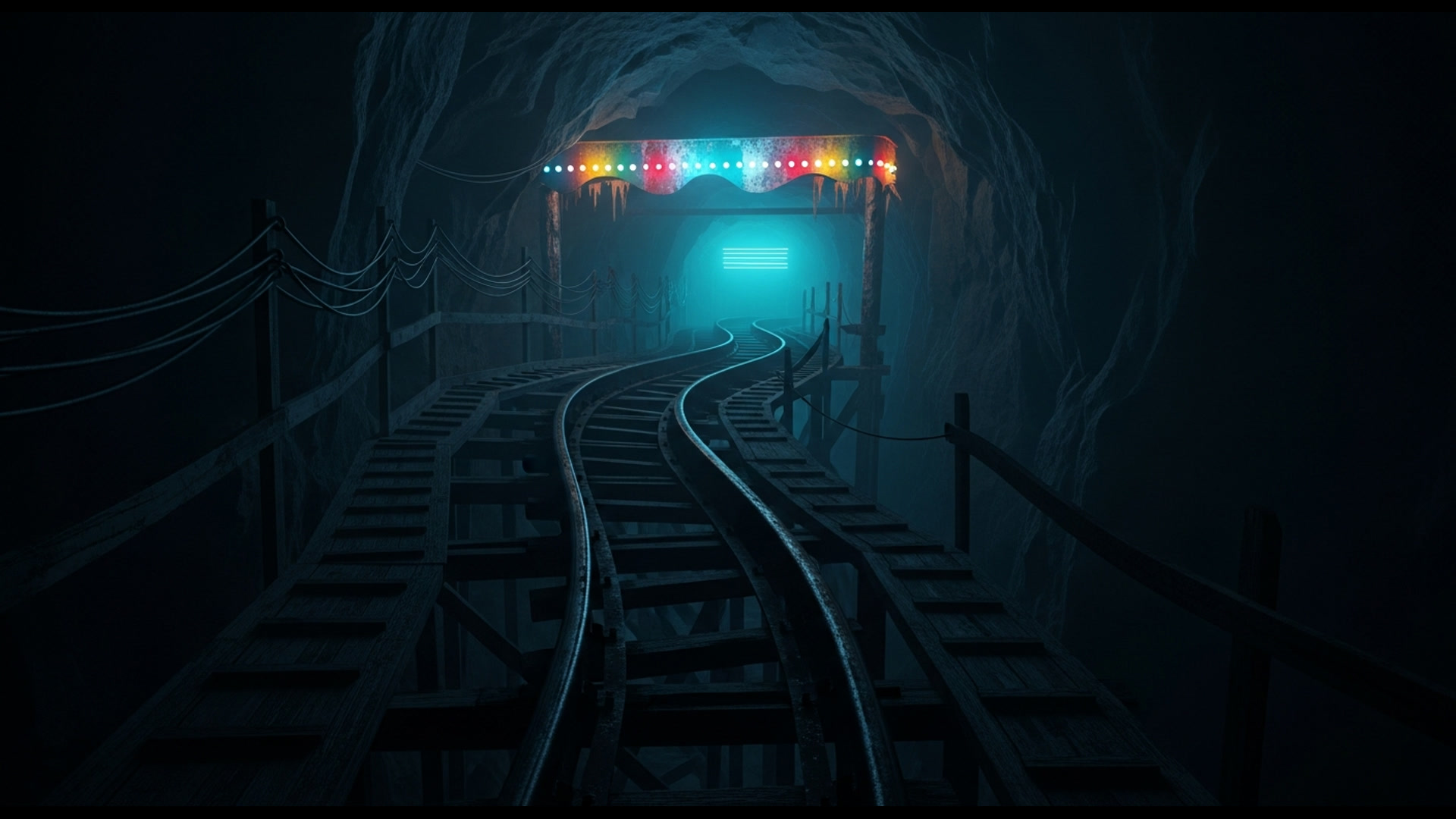
Until Dawn: Rush of Blood is an on-rails horror shooter from Supermassive where you ride a rollercoaster-style cart with Move controllers on a fixed path. The scares come at you on rails, and while the jumps are telegraphed, the headset makes the proximity land. The gunplay is just enough to feel like you are fighting back. A spinoff rather than the full Until Dawn, it remains the most reliable fright in the launch window.
Read the full Until Dawn: Rush of Blood review
#29: Song in the Smoke
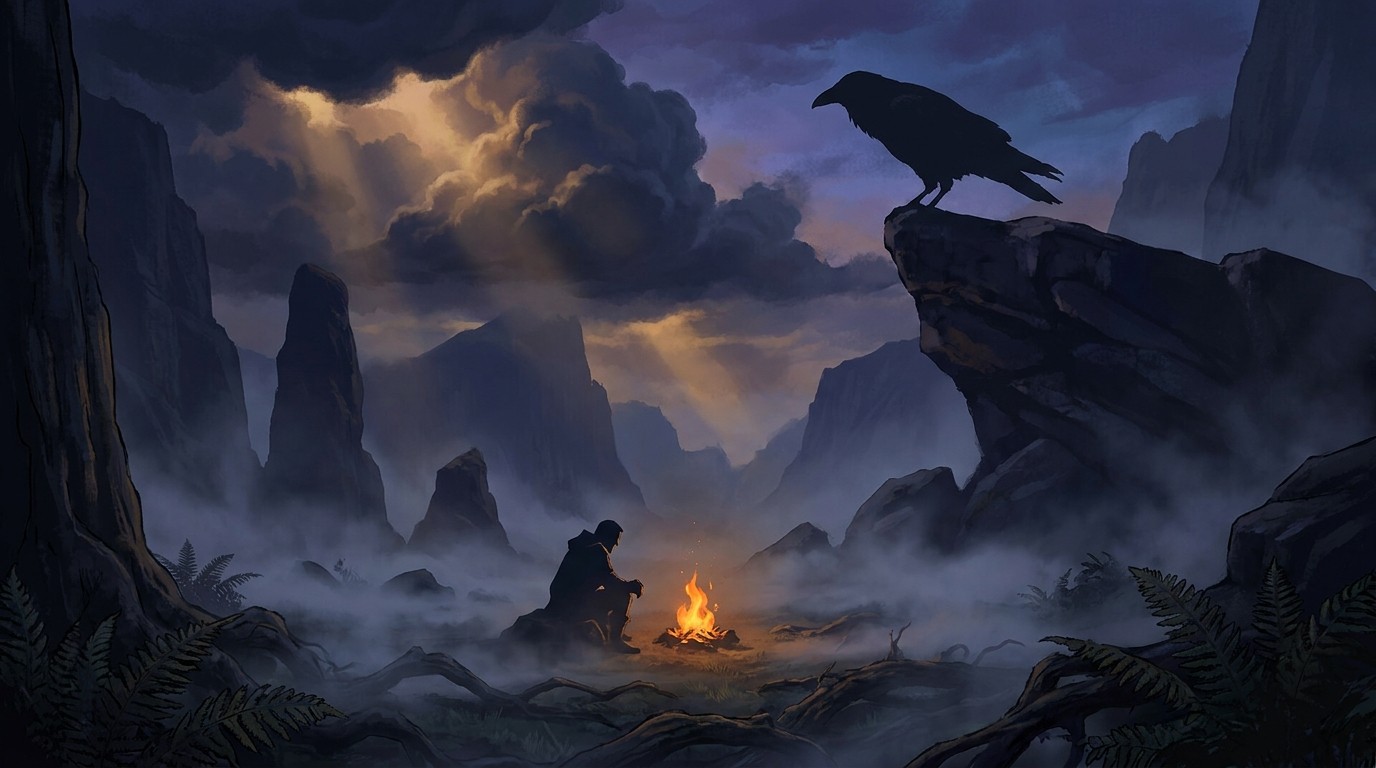
Song in the Smoke is 17-BIT’s VR survival crafting game where you make fire and hunt by hand in a frozen world that wants you dead. The loop is the real thing, gathering, building, and staying warm to survive. Move controllers make the tool work tactile, and creature hunts force you to plan a kill rather than spray bullets. Sparse and rough around the UI edges, it still stands as the most complete VR survival sim the console received.
Read the full Song in the Smoke review
#28: Sniper Elite VR
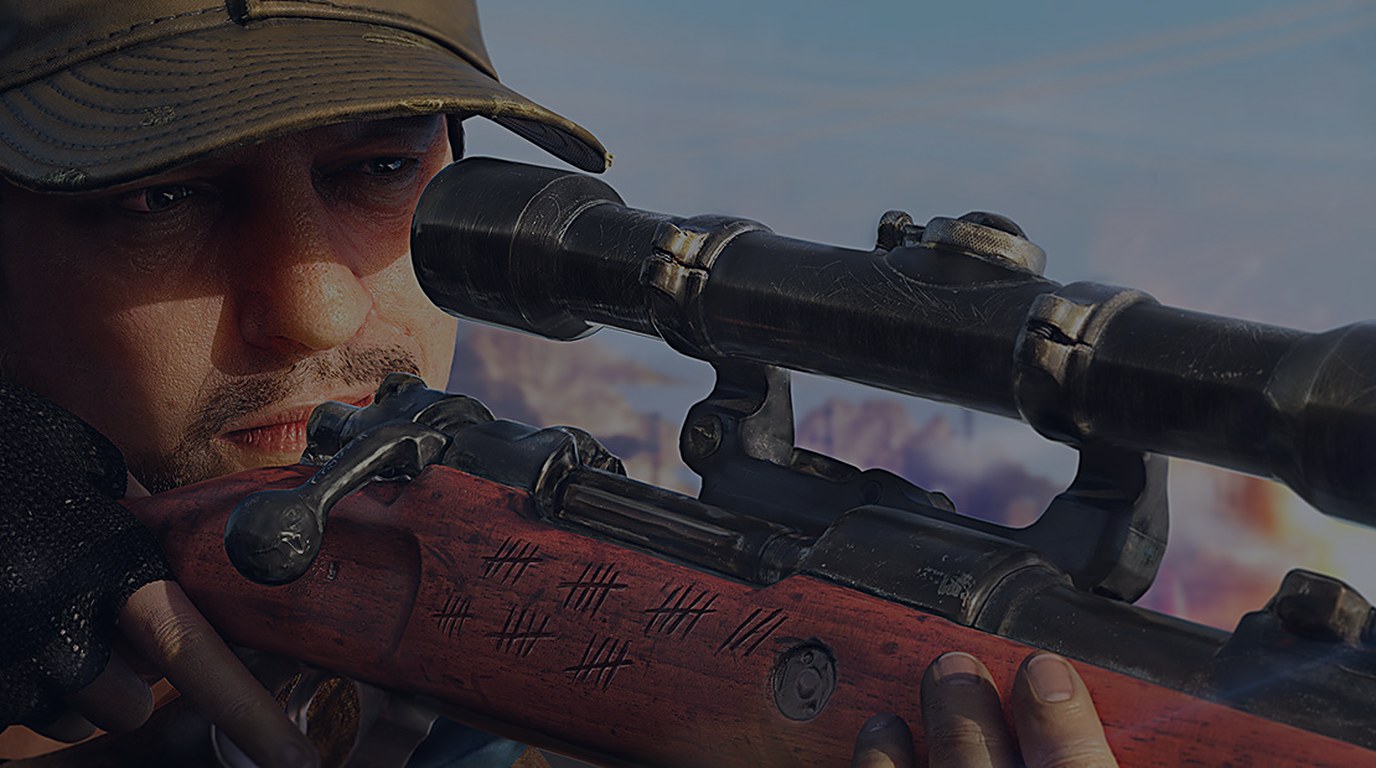
Sniper Elite VR lives or dies by the slow-mo kill cam on the Aim Controller, which is the entire reason it exists. This is sniping built from the ground up for the peripheral, not a flat game with a mode bolted on. You plan shots, hold your breath, and line up the scope while WWII set-pieces reward patience over run-and-gun. Focused and single-note, it delivers the purest marksman fantasy on PSVR for anyone holding the Aim Controller.
Read the full Sniper Elite VR review
#27: Doom 3 VR Edition
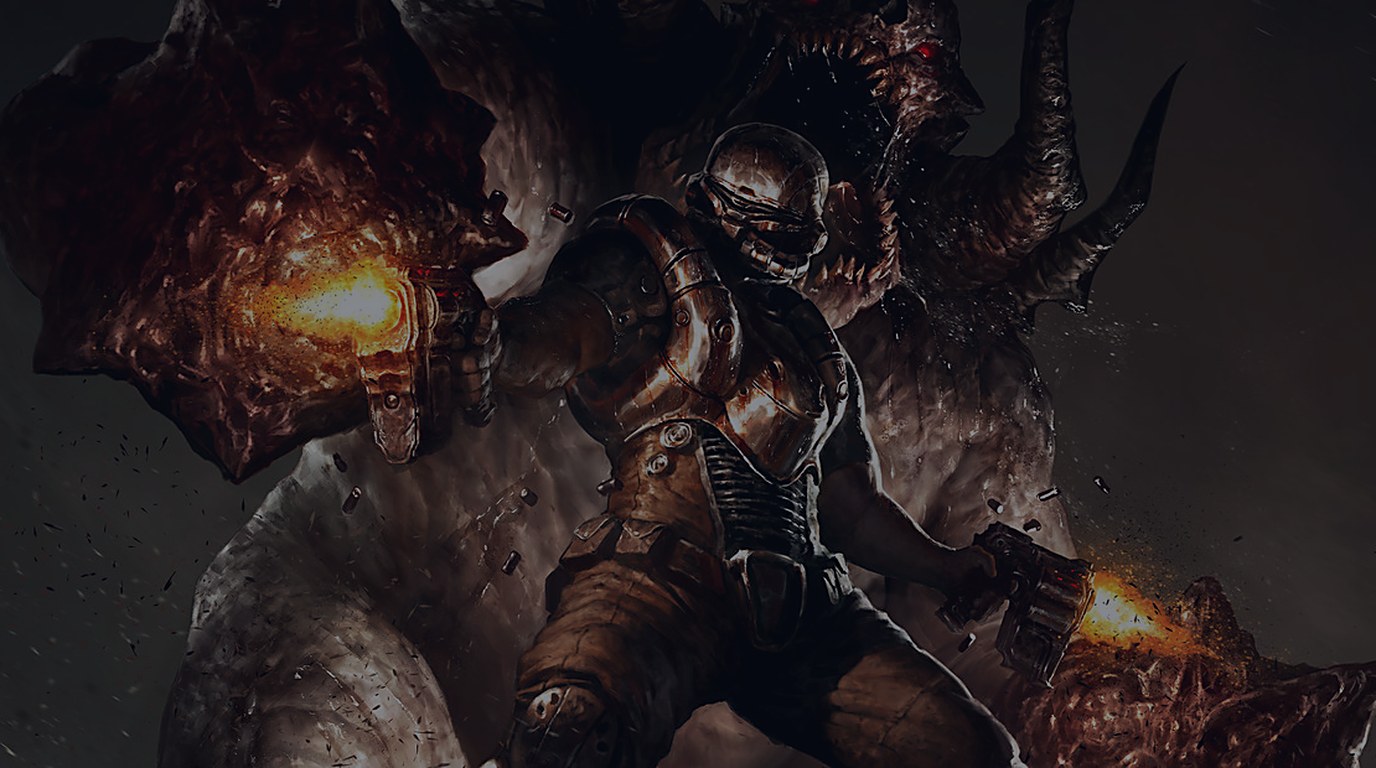
Doom 3 VR Edition drops you into the full campaign with a flashlight in one hand and a pistol in the other, and the old flashlight-versus-weapon tension turns literal because you physically cannot light the hall and fire at once. It is the complete game on Aim, Move, or DualShock, and the corridor dread reads harder when an imp is in your space. A late, generous port, it proves the BFG belongs in a headset as much as on a monitor.
Read the full Doom 3 VR Edition review
#26: Wanderer

Wanderer is Oddboy and M-Theory’s time-travel adventure where you handle objects across decades, and the chronology gimmick works because you physically turn the mechanism that moves you through eras. A native build and one of PSVR’s last big showcases, it stages set-pieces like a falling building and a pod race that earn their scale. The pacing sags in places and the late stretches are the weakest, but for a title shipping in 2022 it is a confident send-off for the headset’s run.
#25: Red Matter
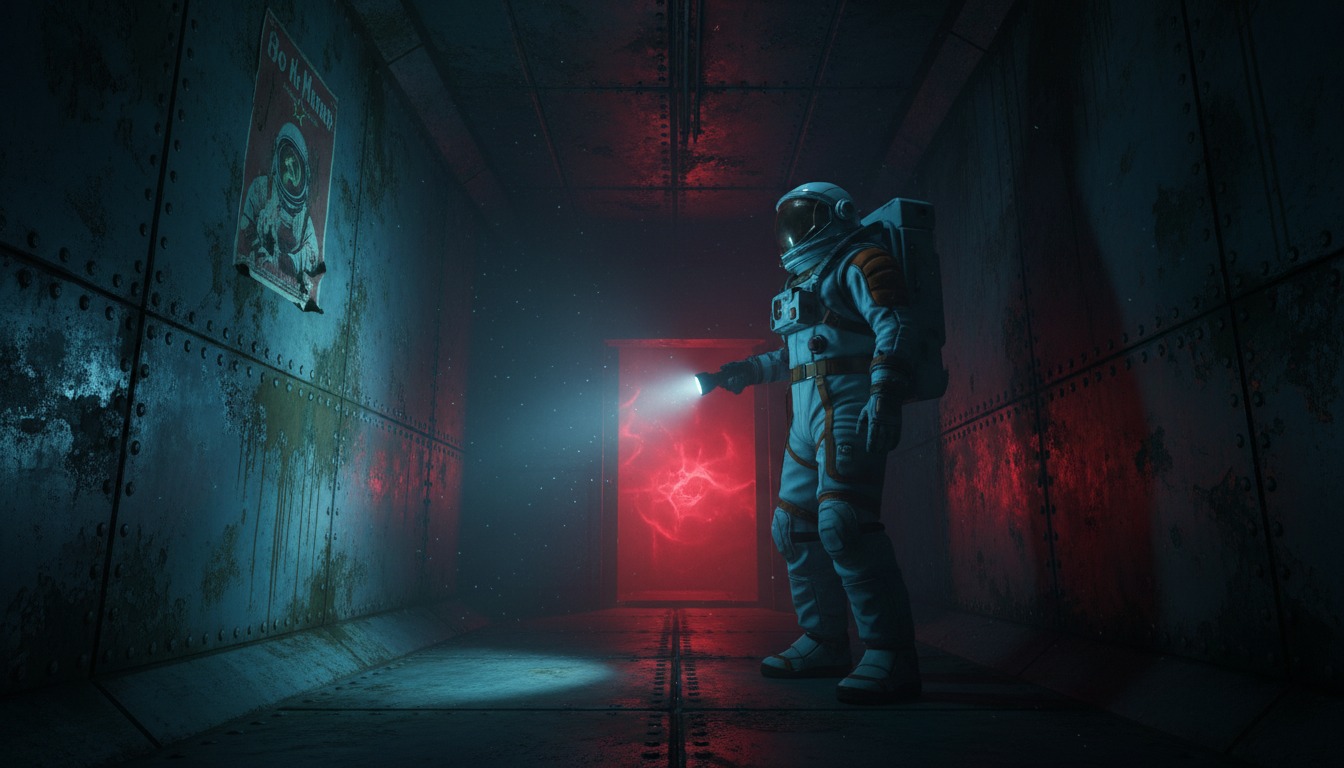
Vertical Robot’s cold-war sci-fi puzzle adventure drops you into the abandoned Volgravian base, where solitude feels designed rather than empty. The translation tool and zero-g moments give that solitude shape, and the headset sells the cold. This is a slow, thoughtful puzzle game built on atmosphere instead of thrills, the quiet, beautiful sibling to the louder action games nearby on the list.
Read the full Red Matter review
#24: Rez Infinite

Rez Infinite is the synesthesia rail shooter that turns music into something you wear. Area X, the free-flight bonus stage, drops the rails for open space where you chase the beat with no track to follow. The Move controllers make every shot feel like conducting the track rather than firing it. This is a 2016 remaster with one new idea bolted on, and that free-flight idea is the strongest argument for VR rhythm on the console.
Read the full Rez Infinite review
#23: Robinson: The Journey
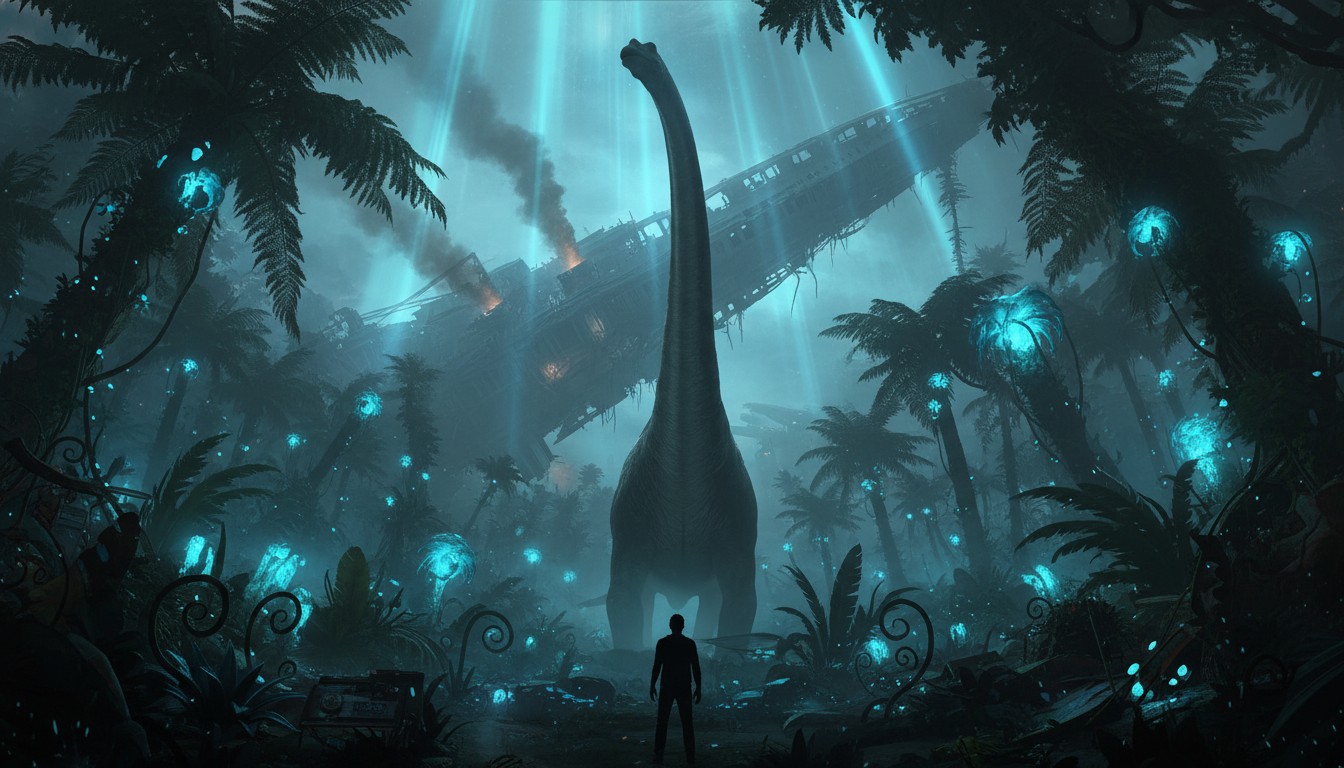
Crytek’s CryEngine showcase builds the whole experience around scale. You stand beneath dinosaurs that loom because the headset lets them loom. You explore a crashed planet alongside a robot companion, and the set-pieces are built around looking up, the thing VR does better than any flat screen. The systems are light and the walking sections drag, but as a 2016 technical postcard it still impresses.
Read the full Robinson: The Journey review
#22: Vader Immortal
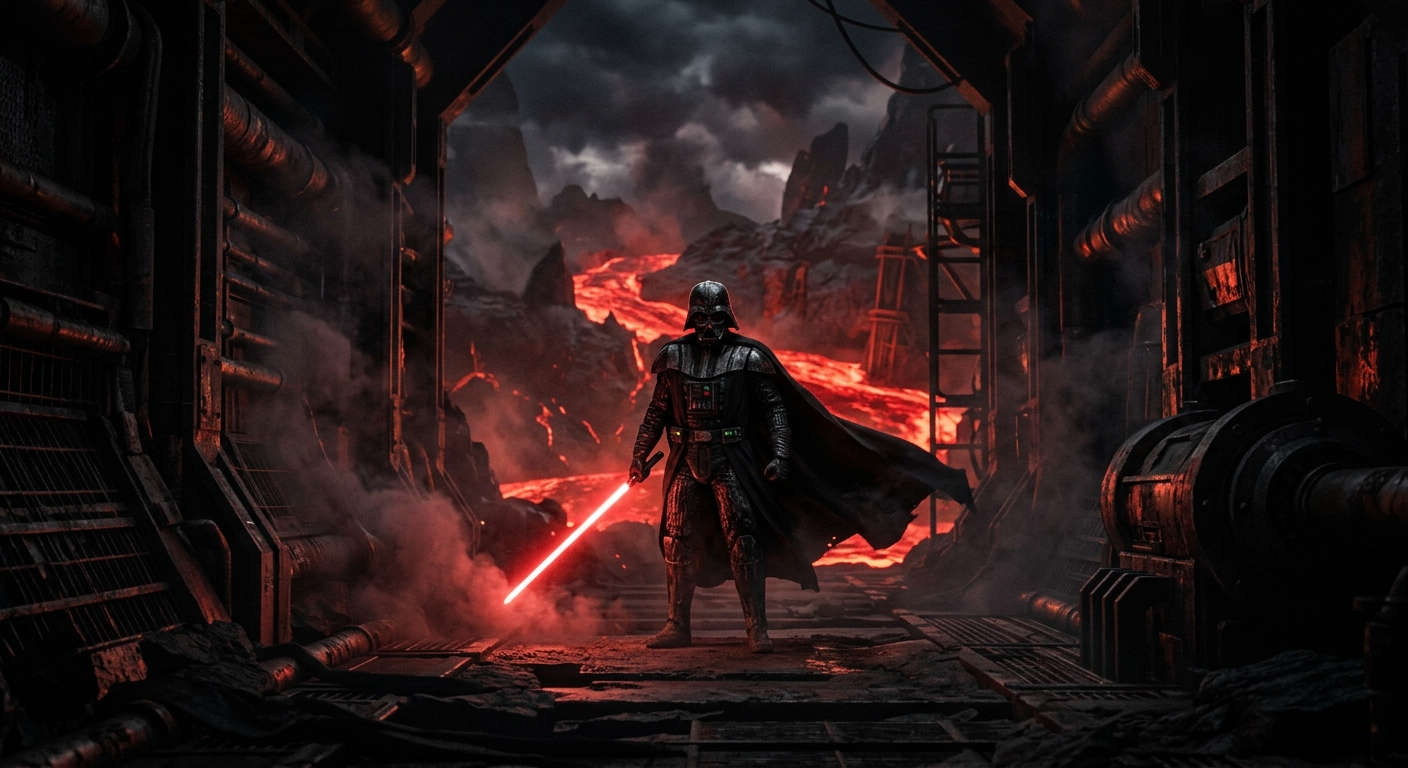
Vader Immortal is three short episodes, not a full-length game. ILMxLAB’s Star Wars VR storytelling arrived on PSVR in 2020 as a bundled trilogy, each linear stretch running about forty minutes. The dojo, a repeatable lightsaber wave mode, is the part worth returning to, while the narrative beats are gorgeous but over quickly. Rank it as a polished episodic series and it’s a treat; expect a campaign and you’ll feel short-changed.
Read the full Vader Immortal review
#21: Creed: Rise to Glory
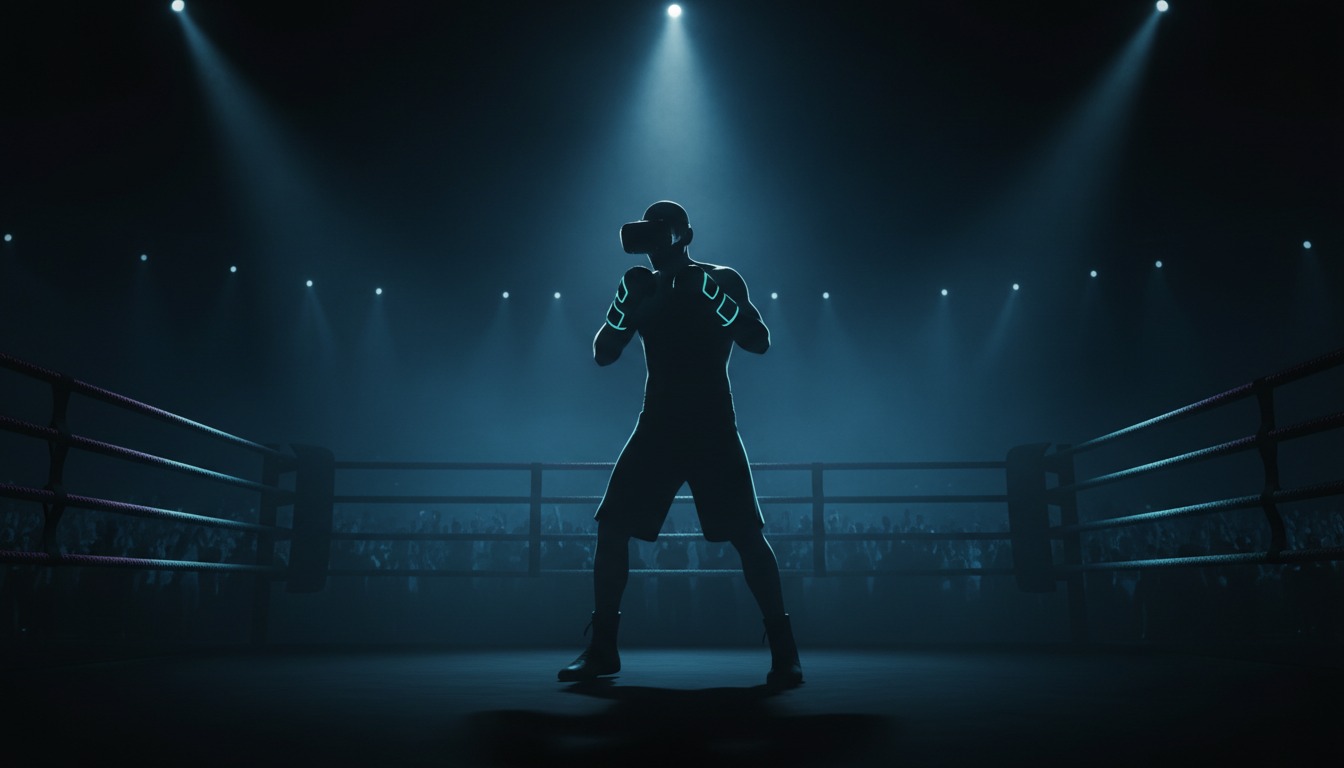
Survios’ boxing game wears the Rocky license and stands as the most physically honest workout on PSVR. Your arms tire because your arms do the work, throwing real punches and slipping jabs in the ring. Career mode gives you a reason to keep training, and the ring presence makes every haymaker land with weight. The loop is narrow for a sports game, but as a stand-up-and-move title it is the best the console offers.
Read the full Creed: Rise to Glory review
#20: Trover Saves the Universe
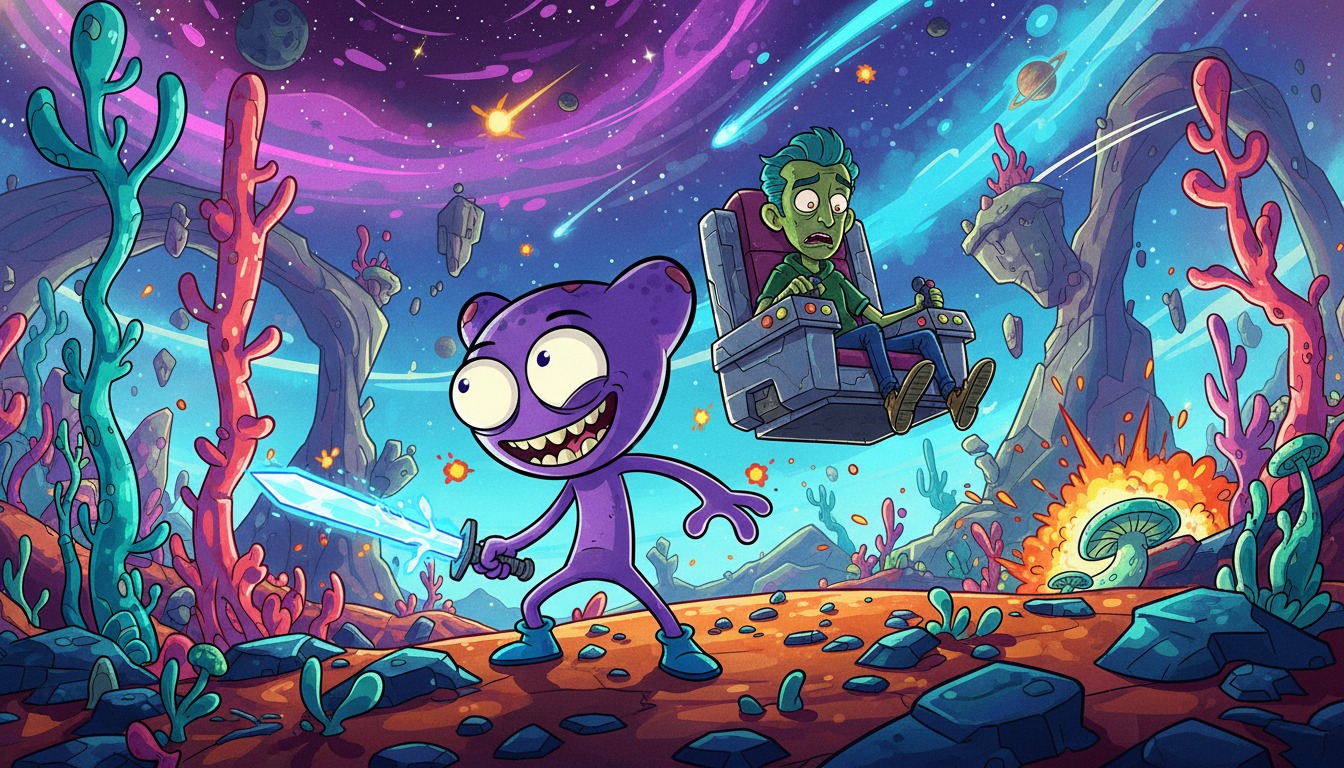
Trover Saves the Universe is Justin Roiland’s absurdist comedy, and its VR mode plants you as a floating chair-being controlling Trover. The joke density survives the jump to VR, and the DualShock chair movement keeps you from getting sick while the world insults you from every direction. The frame is a gimmick wrapped around a comedy, but the writing carries it, and the headset makes the sarcasm land right in your ears.
Read the full Trover Saves the Universe review
#19: Doom VFR
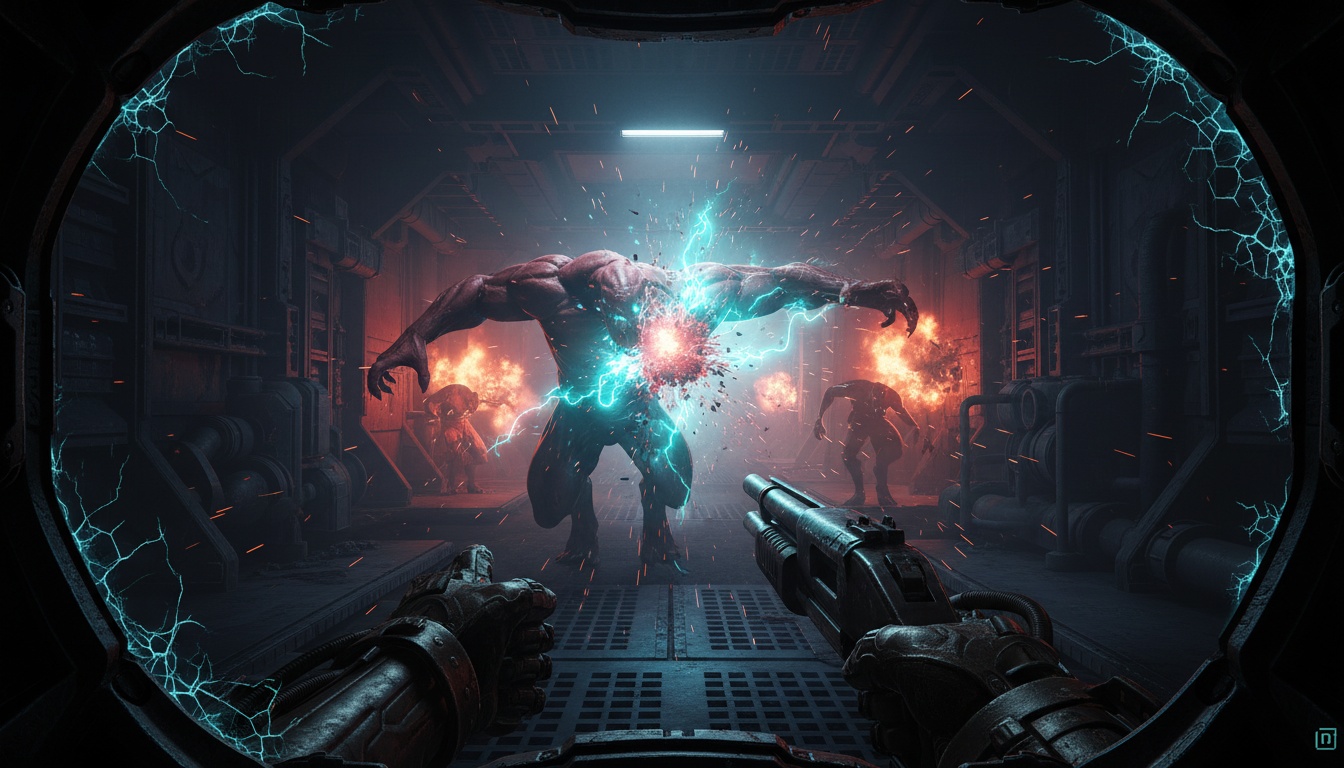
id’s fast FPS is the arcade take on Doom in VR. You blink around the arena rather than sprint, which keeps the speed brutal without the sickness. The Aim Controller makes the guns feel right in your hands, and the hellish corridors read with proper menace. This is a leaner, faster cousin to the flat games, and as a pure locomotion experiment it holds up better than expected.
#18: SUPERHOT VR
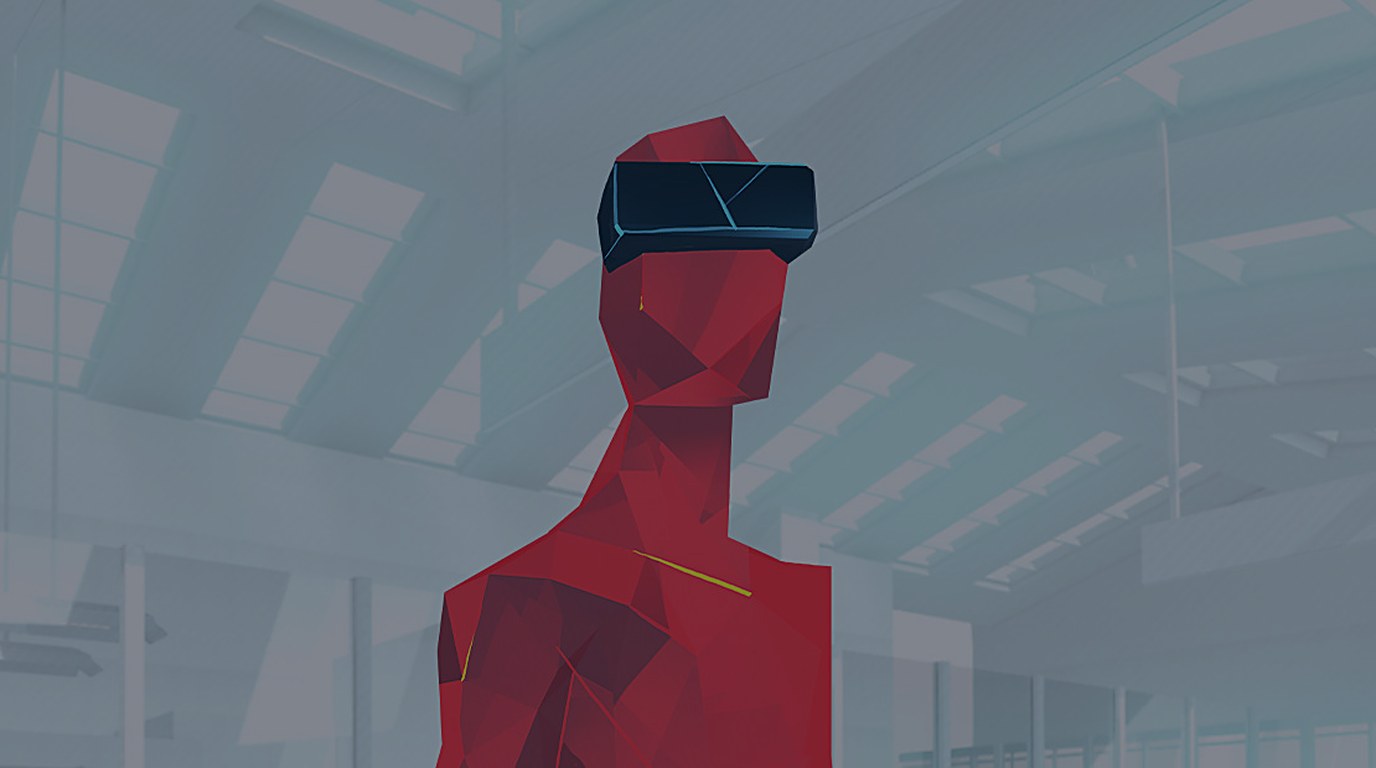
The rule that time moves only when you move turns your body into the only clock that matters. Red-and-white minimalism strips away everything but the choreography of your own movement, and the Move controllers make each grab-and-throw a small triumph. The campaign is short, but its challenge modes offer endless replay. It remains the puzzle-box shooter worth handing to newcomers first.
Read the full SUPERHOT VR review
#17: Marvel’s Iron Man VR

Camouflaj’s superhero fantasy is the closest PSVR gets to making you feel like a licensed character. The flight model, tilt to steer and thrust to climb, clicks after a session, and the dual-Move combat is the reason to keep playing. The campaign is focused and slightly repetitive, but strapping on the suit and leaving the ground is the headline, and it delivers that promise.
Read the full Marvel’s Iron Man VR review
#16: Golem
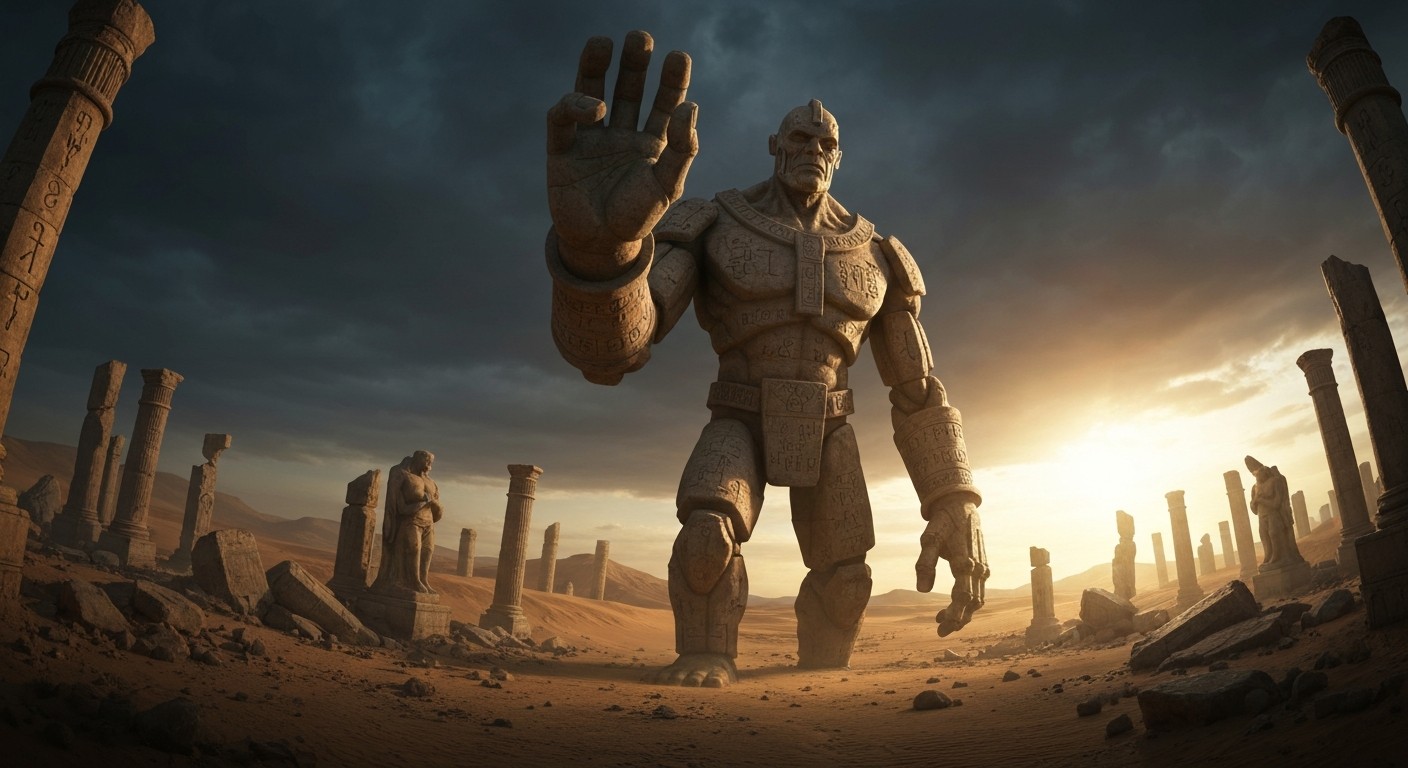
Highwire’s long-delayed motion-control adventure is built entirely around a possession trick. You raise your real arm and the golem’s arm rises with it. You pilot a stone guardian by mirroring your own limbs, and the PSVR-exclusive does something no other title on the list does with the Move wands. It is uneven and clearly shipped later than planned, but the core idea, your body as the controller, is the most interesting swing in the lower ranks.
#15: Tetris Effect

The synesthesia puzzler’s VR mode deepens the trance into something closer to meditation than gaming. You let the blocks and music wrap around your head as line clears pulse with the soundtrack, and the headset makes the calm total, with no screen edges to break it. This is a mode on the flat game, but as a zone-out-for-an-hour experience it is the most beautiful thing the console renders.
Read the full Tetris Effect review
#14: Batman: Arkham VR
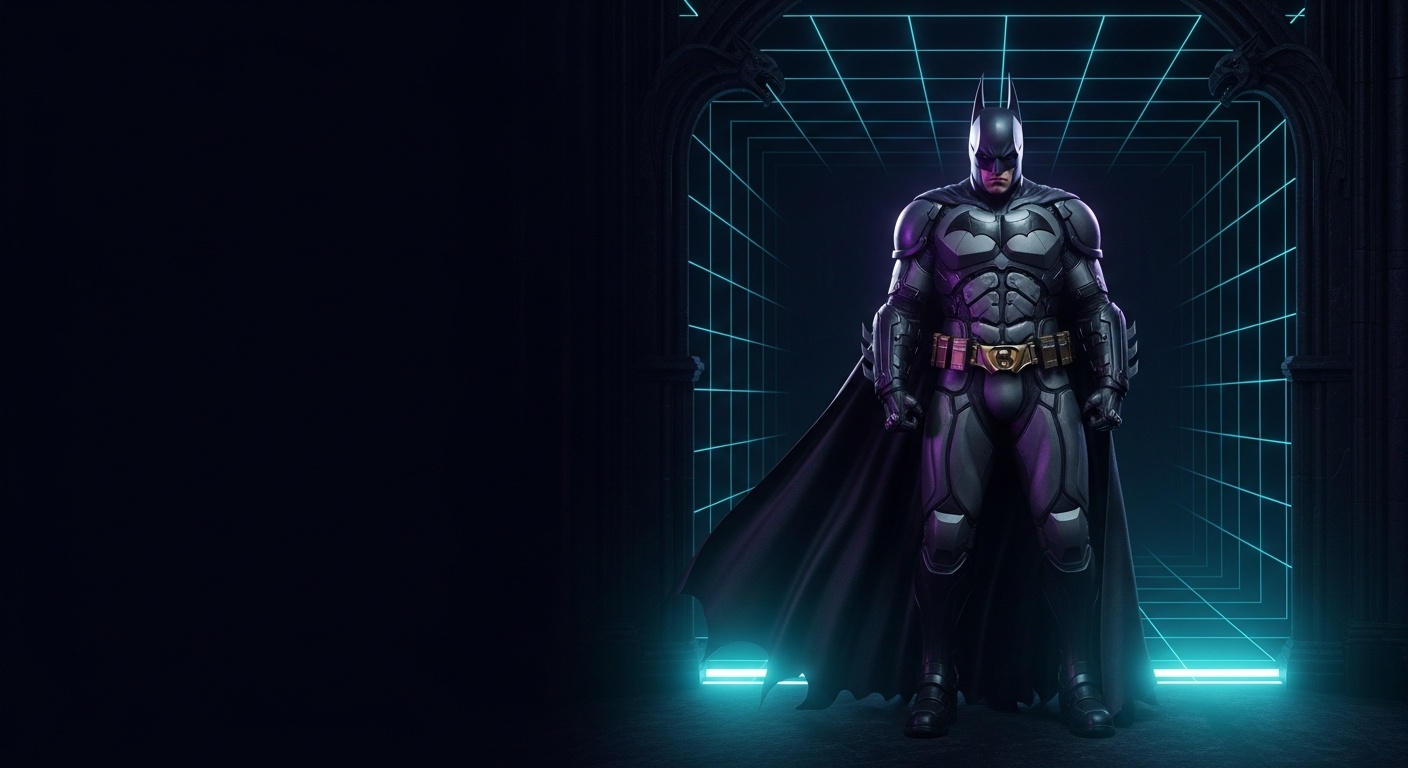
Batman: Arkham VR runs roughly an hour, a launch-window detective experience rather than a full game. The morgue scene and the forensic moments land because you are the one reaching into the evidence, and Rocksteady’s craft shows in every frame. Treat it as a premium VR vignette and it is essential; expect a campaign and you will be checking your watch.
Read the full Batman: Arkham VR review
#13: Star Wars: Squadrons

Motive’s cockpit starfighter combat is the VR space dogfight the console was missing. Cross-play spans PS4, PS5, and PC, but VR and flat pilots still fly in separate lobbies. The HOTAS or gamepad both work, and the headset makes checking your six a real head turn rather than a button press. This is a mode on the flat game, but for anyone who wanted to fly a TIE fighter with their own eyes, it is the one.
Read the full Star Wars: Squadrons review
#12: Pistol Whip
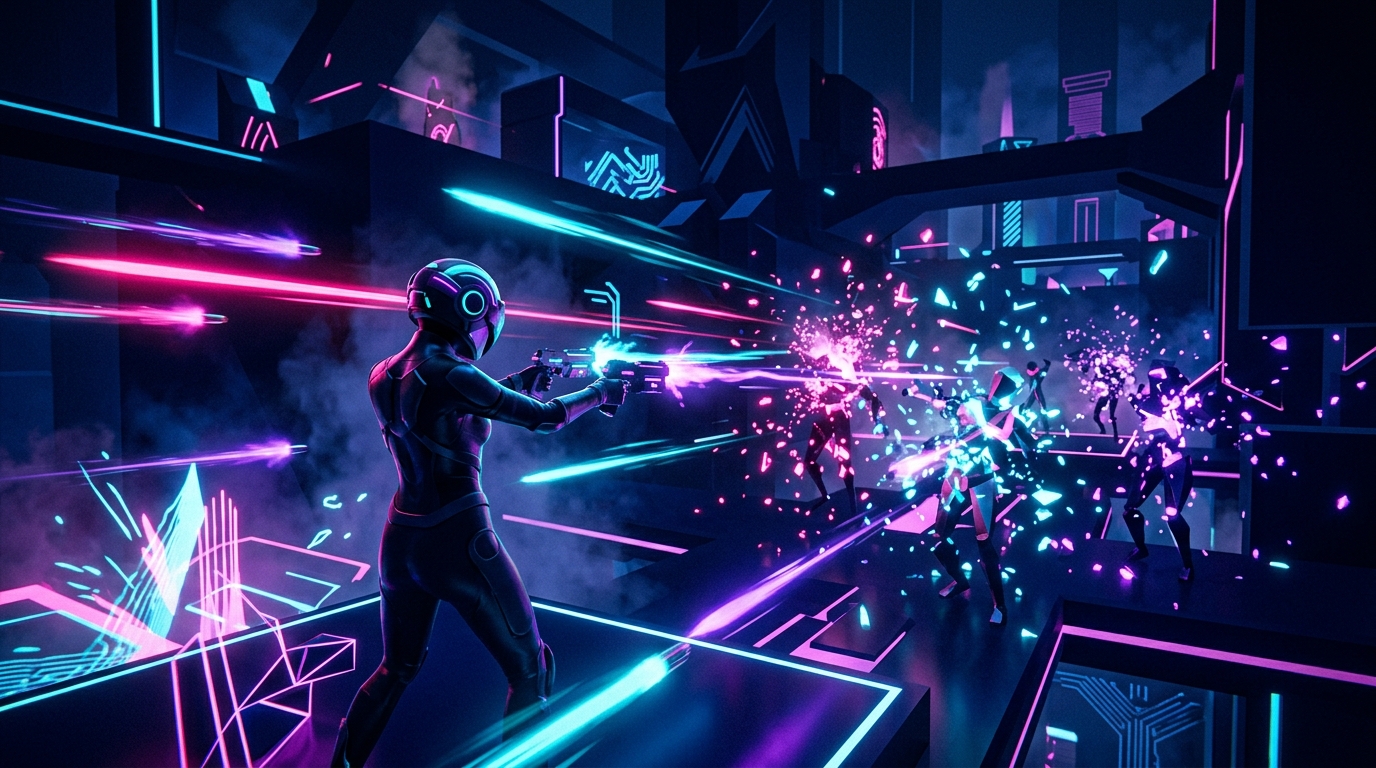
Cloudhead’s “rhythm violence” turns an FPS into a chase choreographed to music. You move down the track, fire on the beat, and the motion controls make dodging a literal duck under the bullet line. The two Move controllers keep both hands in the fight while the soundtrack sets the pacing. It is Beat Saber with guns, only faster and tighter. On PSVR it is the most replayable arcade shooter in the top tier.
Read the full Pistol Whip review
#11: No Man’s Sky

Hello Games’ entire procedural universe drops into VR through the Beyond update, and flat and headset players share the same worlds seamlessly. Stepping out of the ship onto a living planet delivers the 2016 promise VR made, and No Man’s Sky keeps it. It runs as a mode on a game that grew enormously since launch. For the pure “stand on another world” feeling, nothing else on the console matches it.
Read the full No Man’s Sky review
#10: Dreams

Media Molecule’s creation suite became a VR tool the moment the 2020 update landed. You build and play inside the dreams other people make, and the headset turns the editor into something you reach into rather than click through. The community’s VR creations are the real gallery. It is a platform wearing a game’s clothes, and as the most open-ended thing on PSVR it earns its top-ten slot on possibility alone.
#9: Blood & Truth
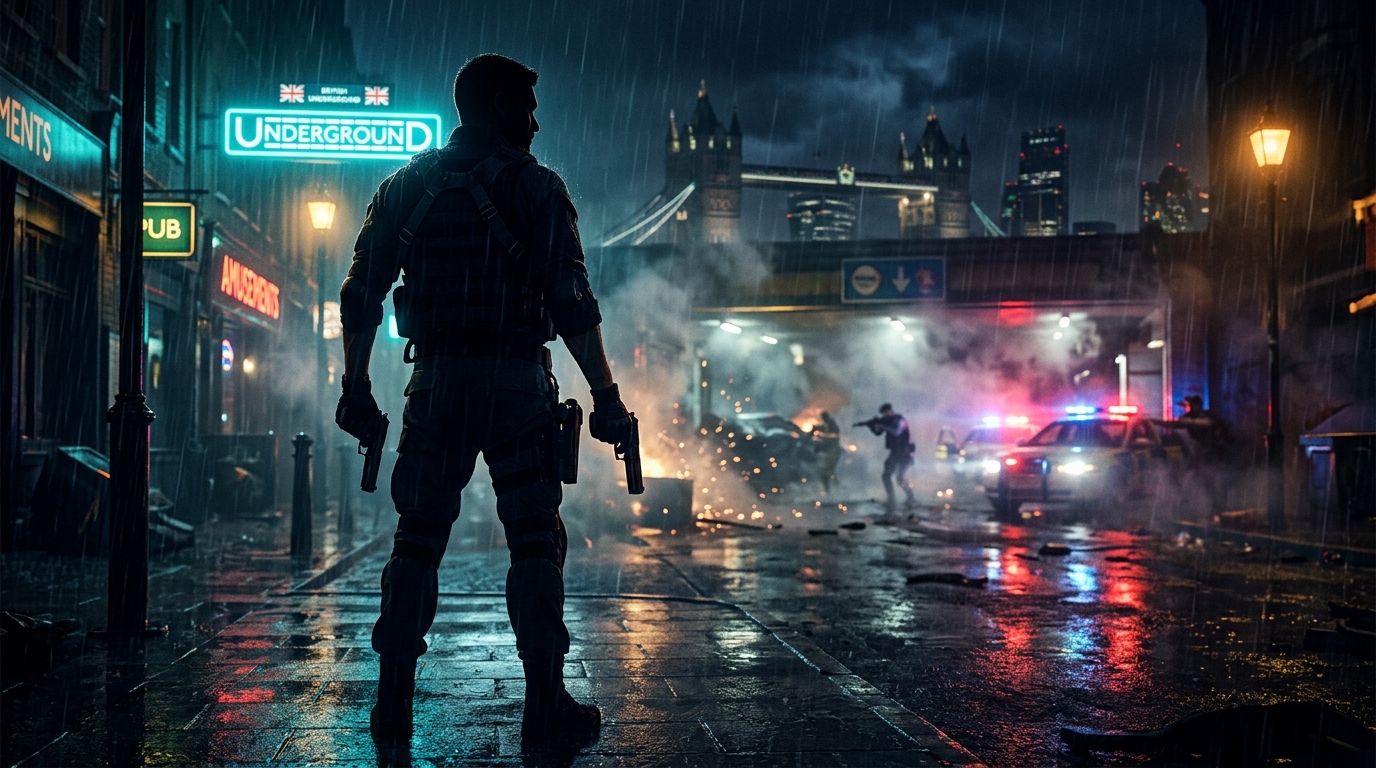
In SIE London Studio’s gangster action romp you dual-wield and reload with motion, and the twin Move wands make every gunfight feel handled rather than aimed. The Cockney spy story is B-movie fun, and set-pieces like a casino shootout and a rooftop chase are built for the headset. As a PSVR exclusive it wears its studio polish openly. It is the best pure action movie the system ever produced.
Read the full Blood & Truth review
#8: Resident Evil 7: Biohazard

Capcom’s full-length AAA horror game in VR is the title that proved the headset could carry a real campaign instead of tech demos. The first-person dread, the crawling mold, the dinner table, the hallway you must walk down, reads harder when your hands are on the controller. It landed on PSVR weeks ahead of PC, and that head start is why this console owns the scariest night of 2017.
Read the full Resident Evil 7: Biohazard review
#7: MOSS
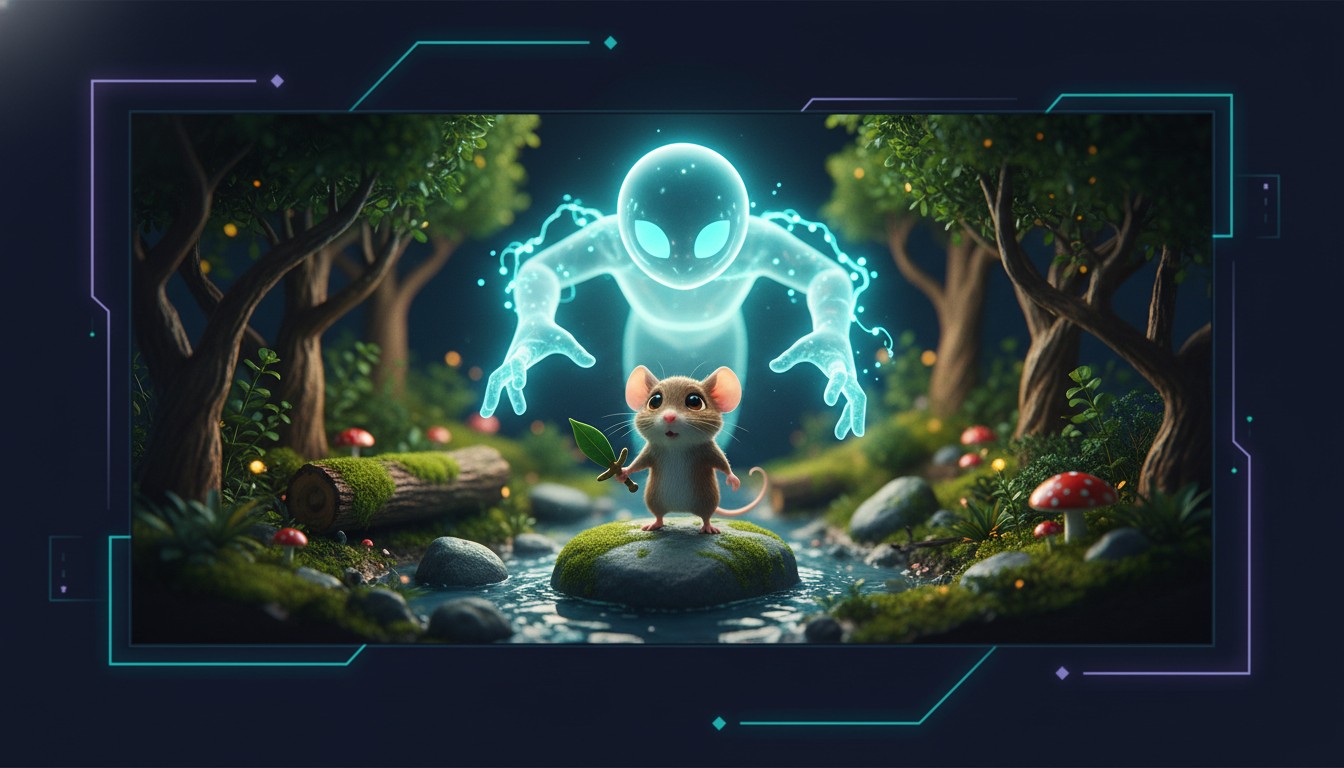
You lean in close to the tiny mouse, and Polyarc’s diorama platformer casts you as a giant presence Quill looks up at, the trick that makes the whole thing work. The DualShock moves the world’s objects while Quill runs the action, so the partnership plays like co-op with a storybook. It is a focused, gorgeous adventure, and as the most charming native platformer on PSVR it sits comfortably in the top ten.
#6: The Walking Dead: Saints & Sinners
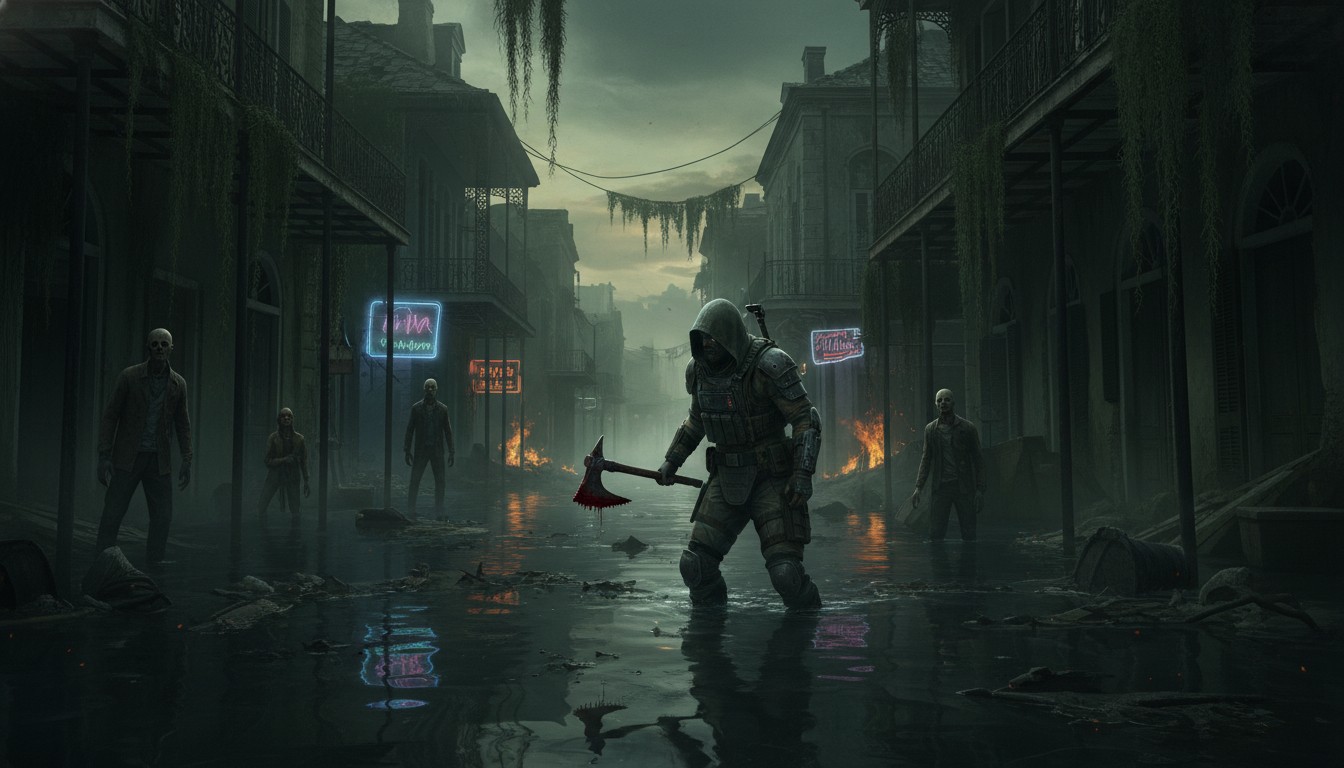
You drive a screwdriver into a walker’s skull and feel the resistance, and Skydance’s physics-based melee survival is the VR zombie game that finally respects weight. Every weapon is a tool you swing, not a stat, and the flooded New Orleans is dense enough to keep you scrounging through its crafting loop. The “braining” melee is the reason this series matters in a headset. It is a full game with real systems, and on PSVR it is the survival horror to beat.
Read the full The Walking Dead: Saints & Sinners review
#5: Farpoint

The PSVR Aim Controller finally had its game in Farpoint. Impulse Gear’s shooter maps the peripheral 1:1, so two-handed aiming feels like holding the real rifle. The alien frontier is a competent campaign wrapped around that hardware pitch, and the rifle tracking is the reason the Aim exists at all. It is the showcase that sold the accessory, and as the headset’s best argument for a gun in your hands it belongs in the top five.
Read the full Far Point review
#4: Hitman 3
You lean around a corner in Sapienza with a controller in hand, and IO Interactive’s trilogy-in-VR puts the whole World of Assassination into the headset, though note this is the PS4 build only, with no PS5 VR. The stealth reads differently when you crane to spot a guard, and the flat game’s elaborate levels become places you actually occupy. It is a mode on a flat game, but as the most ambitious VR stealth sandbox on the console it clears the top tier.
#3: The Elder Scrolls V: Skyrim VR
Bethesda’s full open-world RPG in VR is the single biggest world the headset ever held, and it reached PC only weeks after the console version. Both the Move and DualShock controllers work, and the head tracking makes the vistas land even where the port shows its age in the corners. It is a mode on a flat game, but as the “live inside a hundred-hour fantasy” experience PSVR is the only console that delivered it.
Read the full The Elder Scrolls V: Skyrim VR review
#2: Beat Saber

Beat Games’ rhythm game is the one that put PSVR in living rooms that never bought a headset for anything else. The simplicity, watch the block and hit it on time, hides a skill ceiling that keeps players coming back for a year. The song library is the reason it outlasts its launch buzz. It ranks here on ubiquity more than depth, but as the system’s default “come try this” demo it is untouchable.
Read the full Beat Saber review
#1: Astro Bot Rescue Mission

Team Asobi’s platformer understands PSVR better than any other. The DualShock appears as your own tools, and the headset acts as your body, crouching to see under a ledge and leaning to line up a jump. Every level builds around the fact that you are a giant helping a small hero. It is a polished short platformer, a few hours at most, and the craft is in how naturally that reads. The critical high-water mark of the library, the one to hand a skeptic first.
Read the full Astro Bot Rescue Mission review
Fifty games, one headset, and the through-line is clearer now than it was at launch. The best of them isn’t the biggest flat game with a VR toggle bolted on. It’s the title that treats the headset as the player rather than the screen. Astro Bot takes #1 for the simple reason that it never lets you forget you’re inside it, and the hybrid giants beneath it earn their places by how completely they occupy the room.