
Best 2000s Games to Play in VR
The 25 best 2000s games ranked by what they actually feel like in a headset today — every entry states its VR method up front, from dedicated 6DOF mods to emulator head-tracking, with no hype where the method is thin.
The 2000s are quietly one of the best decades for VR modding — the games are old enough that most PCs (and even Quest headsets) can run the full mods without compromise, but new enough that the level design, gunplay, and pacing hold up. Every entry on this list earns its headset time through a dedicated mod, a source port, an official VR edition, emulator head-tracking, or the occasional injection driver. The method is stated up front for every game because it matters: a VorpX profile is not a 6DOF mod, and a head-tracked-only port is not a motion-control game.
#1: Half-Life 2
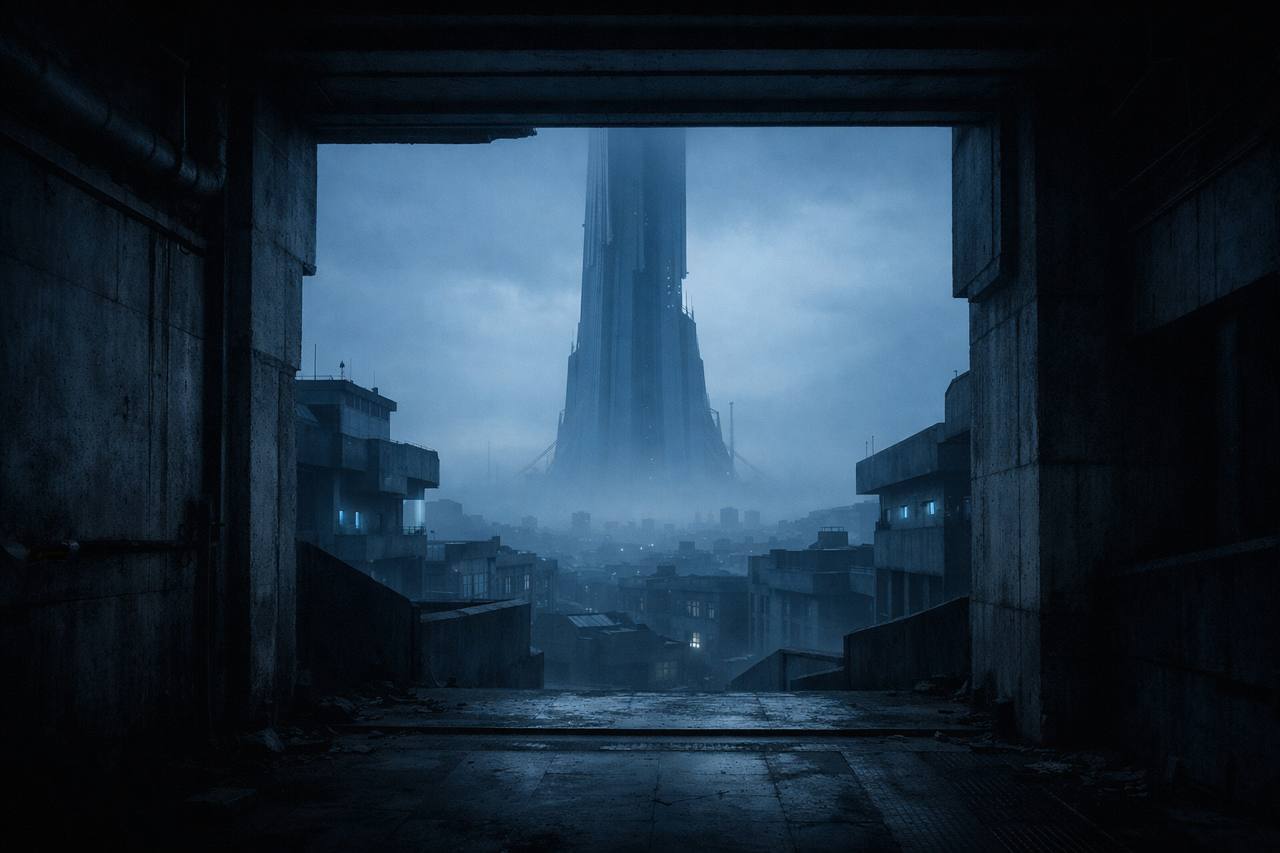
Half-Life 2 is the easiest number one here, because the HL2VR mod treats the game like it was always meant for a headset. You move through City 17 in full 6DOF, the gravity gun lives in your actual hands, and the physics puzzles that defined the flat game finally have weight you can feel. The pacing that made the original sing — the slow dread of Ravenholm, the set-piece chaos of the Citadel — lands harder when you are standing in it.
The mod covers the episodes too, so this is the complete Gordon Freeman arc in VR, not just the base campaign. Combat reads clearly at close range, and the vehicle sections survive the transition better than expected. If you install one thing from this entire list, install this. It is the template every other 2000s mod is measured against.
Read the full Half-Life 2 review
#2: Resident Evil 4

Resident Evil 4 is the one entry with a real, shipped, first-party VR edition, and it is a Quest-exclusive official port built by Armature Studio. That matters: this is not a community mod holding itself together with goodwill, it is a studio release with the aiming, the knife, and the inventory all rebuilt around headset control. The rural-Spanish tension of the original — a stealth-action game wearing a zombie costume — plays beautifully when you physically swing the knife and line up headshots.
The catch is right there in the delivery: Quest 2 only. No PCVR version, no PSVR edition, no path to a sharper image than the standalone hardware allows. For Quest owners it is essential. For everyone else it is the one game on this list you cannot reach without the right headset.
Read the full Resident Evil 4 review
#3: Doom 3
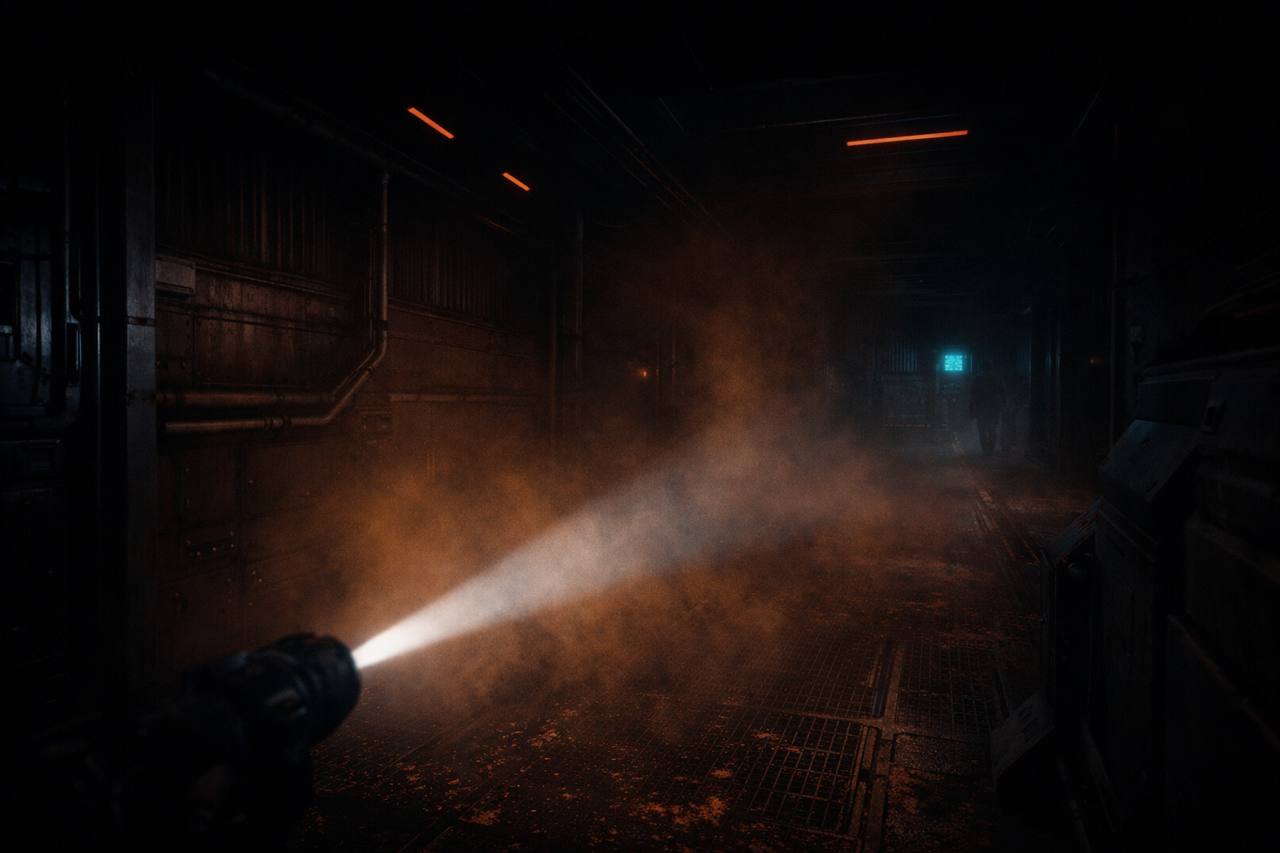
Doom 3 is a horror game in a way the franchise forgot afterward, and the BFG VR mod — from the Fully Possessed and fholger lineage behind the modern id VR treatment — puts you inside that claustrophobic Mars base with a flashlight in one hand and a shotgun in the other. The dark-corridor panic works exactly as intended when the demon is in your space. The mod is mature, the controls are solid, and the tension of the original’s flickering industrial halls survives the jump to VR intact.
What you get is a polished, room-scale take on a game that was always about proximity and dread. The pistol-and-flashlight juggle is the whole point, and it finally has a reason to exist. This is the 2000s shooter that feels least like a compromise.
#4: BioShock
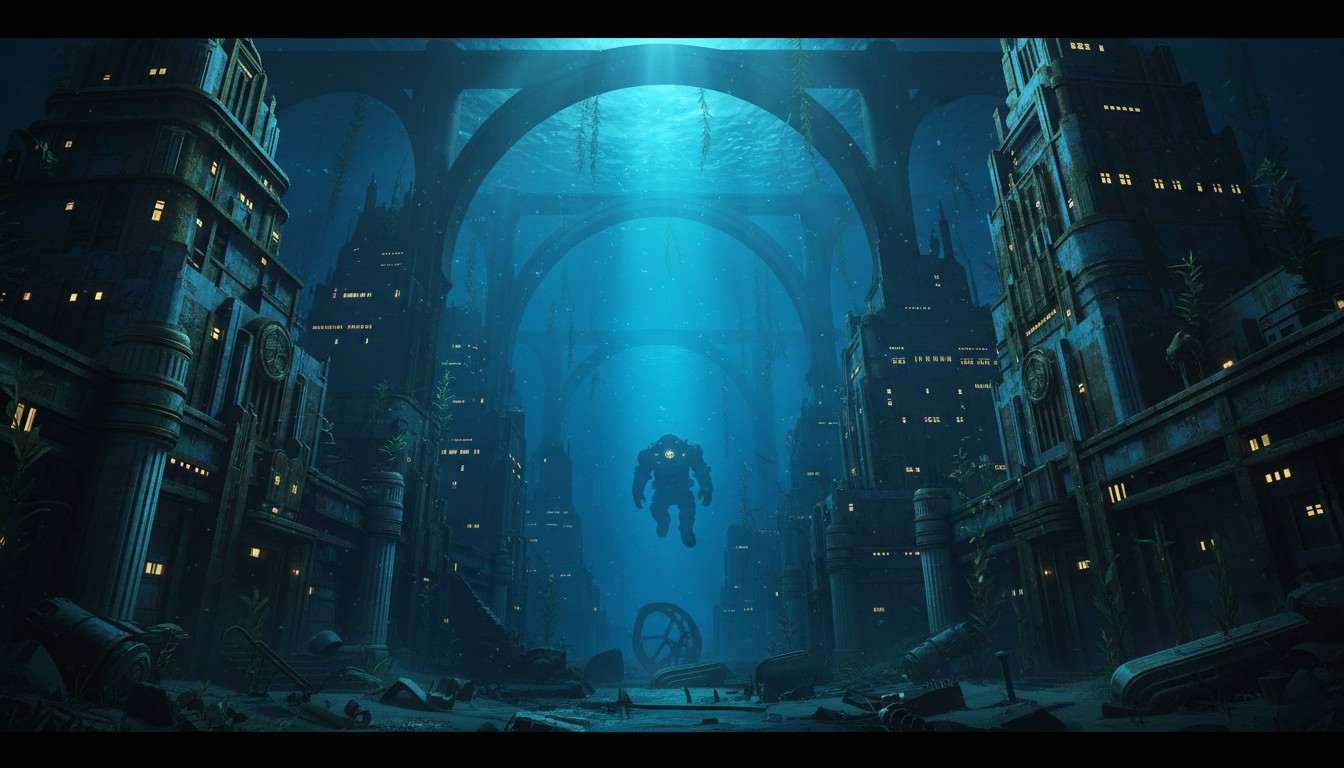
BioShock is the newest arrival on this list, so be clear up front: the bioshock-trilogy-vr mod from VR-Stereo-Hub is a 2026 build, not a decade-old institution. What it already does is remarkable — native stereo with 6DOF and motion controls, plasmids in one hand and a wrench or pistol in the other, Rapture’s art-deco decay wrapping around you. The plunge into the ocean and the first glimpse of the city are genuinely transporting.
Treat it as a young mod with a huge ceiling. The core loop works, the atmosphere is there, and the two-handed plasmid-weapon split is exactly right. But it is new, so expect rough edges and a faster update cadence than the settled entries above. The potential is top-tier; the maturity is not yet.
#5: Halo: Combat Evolved

Halo: Combat Evolved in VR via HaloCEVR by LivingFray is the game that finally lets you stand on the ring and feel the scale the original hinted at. The Warthog drives like a Warthog, the Covenant fire comes from actual directions, and the silent-cinema opening of the Pillar of Autumn reads as the spectacle it wanted to be. This is a hand-built PCVR mod, and the sense of place is the whole reason to be here.
Two honest notes. First, you need the PC version and a willingness to follow setup. Second, the control depth — how far motion-control aiming and weapon handling go past a solid baseline — I could not fully verify, so I am not overselling the gunplay. The world is the draw. The shooting is good; how deep it gets is the open question.
Read the full Halo: Combat Evolved review
#6: Crysis

Crysis in VR, through fholger’s crysis_vrmod, is the prettiest jungle on this list and the most demanding on your hardware. The same author behind the Far Cry VR treatment built this one, and the island’s foliage, light, and draw distance finally have the headroom to impress the way the 2007 marketing promised. Stalking CELL troopers through the trees in 6DOF is the Crysis fantasy delivered.
The cost is real: this mod wants a strong GPU and rewards it, and a weak one will buckle. That is the honest trade. The stealth-archery pacing and the nanosuit’s mode-switching survive the headset well, but you pay for the visuals in frames. If your rig is up to it, this is a showcase. If it is not, it is a lesson in why the game’s famous line still applies.
#7: Far Cry
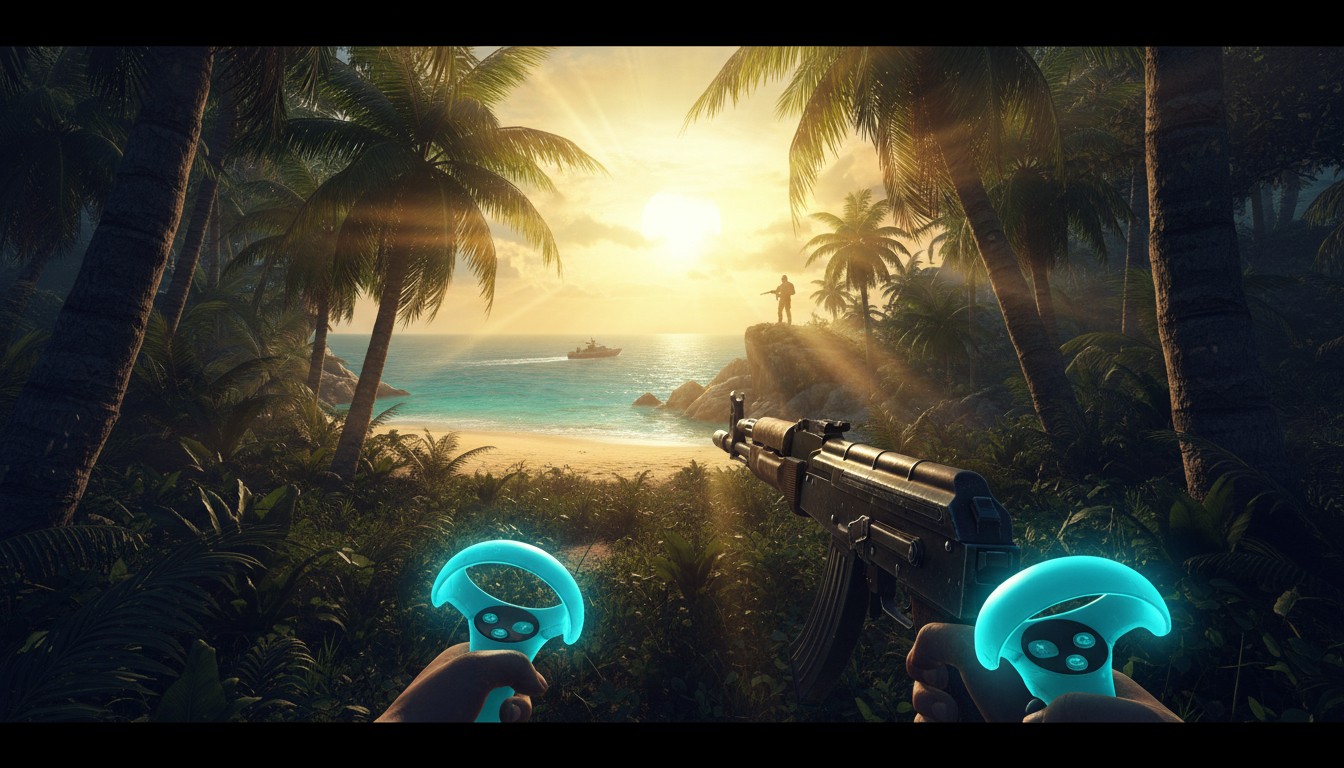
Far Cry in VR, via fholger’s farcry_vrmod, is the open-island shooter done with surprising care: roomscale movement, motion controls, and proper two-handed weapon handling where you actually shoulder the rifle and work the bolt. The first game’s “hunt the trilogy of villains across a tropical map” loop is a better VR fit than its reputation suggests, because the jungle is built for peeking, flanking, and long-range spotting.
We have a full Far Cry VR page if you want the deep dive. Short version: the mod is mature, the controls are better than most 2000s ports, and lining up a scrambler rifle shot across a valley is the whole pitch. Far Cry invented the open-world loop that every franchise later ran into the ground. In VR it actually holds up.
#8: Metroid Prime
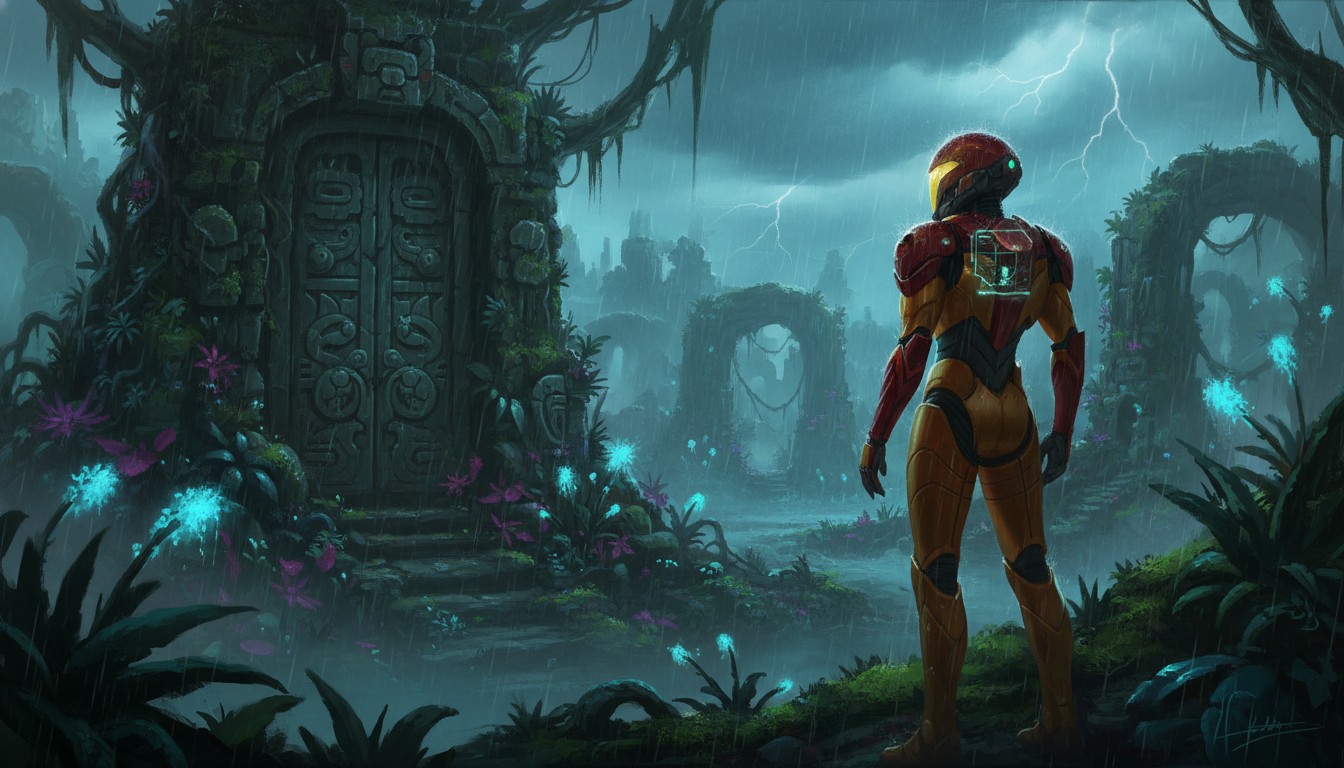
Metroid Prime via PrimeHack layered on Dolphin is the 2000s game that was always halfway to VR and finally gets there. PrimeHack maps the lock-on, the beam switching, and the morph-ball to modern inputs, and Dolphin’s head-tracking pulls the first-person exploration into your space. Scanning a room, backing away from a Pirate, and unraveling the ruined-planet mystery feels native to the headset in a way few emulated games manage.
Call the 6DOF “ish” on purpose: this is emulator head-tracking doing the heavy lifting, not a from-scratch VR rebuild, and the camera behaves like a good emulation of a GameCube game rather than a born-VR title. What you lose in purity you gain in atmosphere. Tallon IV has never looked this present, and the isolation of the original lands harder when you are the only thing moving in it.
Read the full Metroid Prime review
#9: Perfect Dark
Perfect Dark in VR is a decompilation port of the N64 original, running on PCVR and as a Quest standalone build — and the status you need first is that it is a BETA. The bones are there: the gadget-heavy shooting, the stealth Rare built before everyone else caught up, and a headset version of a game that aged better than its console siblings. The data-chunk gunplay and the enemy AI puzzles finally have room to breathe.
But beta means beta. Expect missing features, rough edges, and the instability you tolerate because the core is promising, not because it is finished. If you loved the flat game, install it today to watch it grow. If you want a polished 2000s shooter to sink a weekend into right now, rank it by its potential and check back as the port matures.
Read the full Perfect Dark review
#10: F.E.A.R.
F.E.A.R. in VR through DR-89’s fear-vr is a public beta on OpenXR with native stereo, and the pitch is irresistible: the best slow-mo horror-shooter of the decade, finally in your face. The opening office-building creep, the sudden Alma turns, and the kinetic bullet-time gunfights are exactly the proximity horror VR was built for. A GOG copy is the community-recommended path to get it running.
Two honest caveats sit next to the praise. One, it is a beta — solid stereo and a working foundation, but not a finished product, so expect the gaps betas have. Two, setup assumes you can follow a mod guide without hand-holding. The atmosphere is already genuinely unsettling in a headset. The polish is not. Rank it as a promising work-in-progress, because that is what it is.
#11: Prey
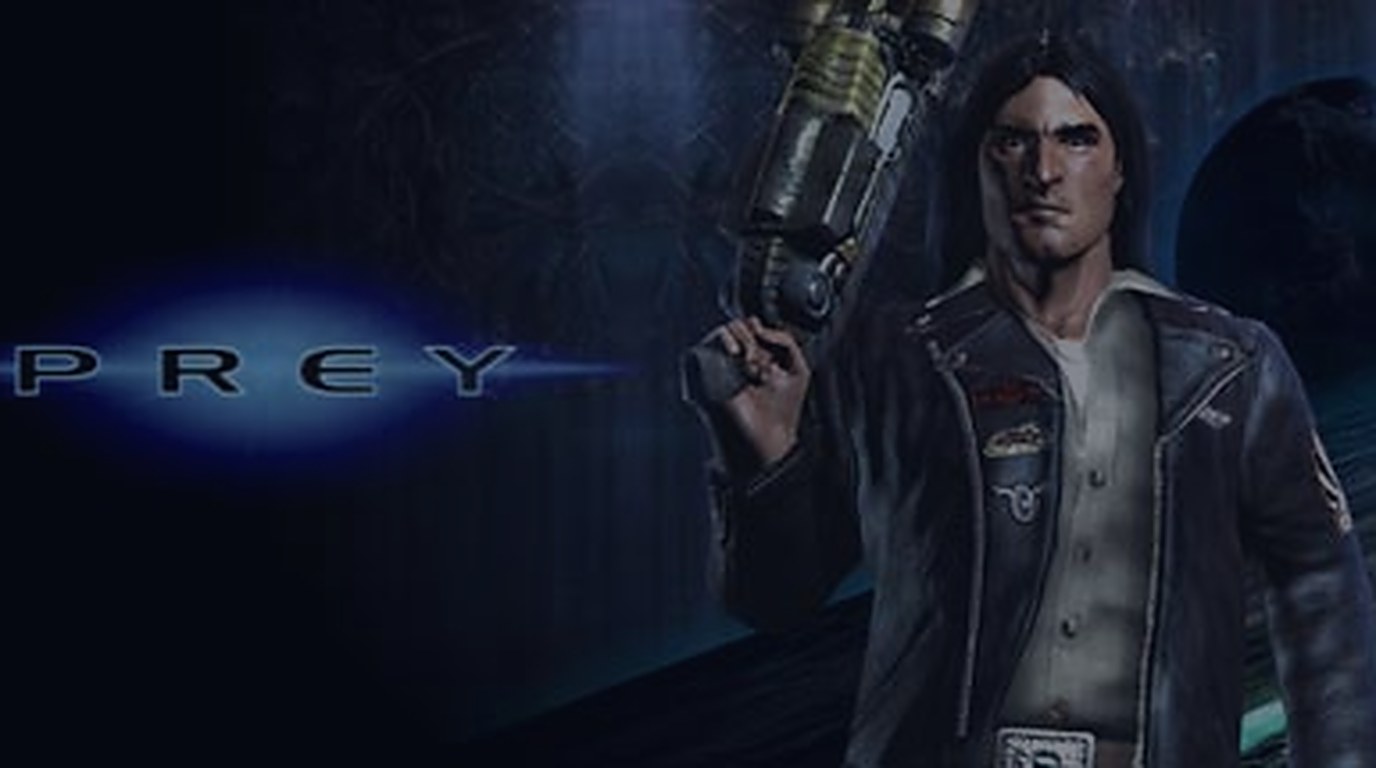
Prey in VR via Team Beef’s PreyVR is a standalone Quest 2 and Pico 4 port, updated to v1.2.4 in March 2026, bringing the 2006 portal-gun shooter to a headset with two-hand aiming and a weapon wheel that makes sense in 3D. The game’s gravity-defying spaces — walking up walls, flipping the floor under you — are the spatial trick VR was made to sell, and Prey has them in spades.
This is a port of the original, not a remake, so the textures are what they are, but the level design holds up when you crane your neck at a ceiling that became a floor. Team Beef’s port stability shows here. If you missed Prey the first time, this is the version that justifies the detour, and the mind-bending architecture is the whole point.
Read the full Prey (2006) review
#12: Grand Theft Auto: Vice City

Grand Theft Auto: Vice City in VR is the freshest arrival on this list, not an institution: vice-city-vr landed in July 2026 and reached v0.4.0 in August, bringing hand tracking and a Quest build to the neon soap-opera sandbox. The appeal is immediate — standing on a sun-bleached Miami street in 1986, thumbing a ride, watching the pastel skyline wrap around you is the retro-dream VR promised.
Frame it as a promising arrival, not a finished classic. A mod this new is still finding its feet, the hand-tracking and driving need maturity, and the open-world jank that was charming on a CRT is less forgiving up close. But the vibe is undeniable and the update pace suggests momentum. If you have a Quest and a soft spot for the decade, this is one to watch and an early one to enjoy.
Read the full Grand Theft Auto: Vice City review
#13: Mass Effect
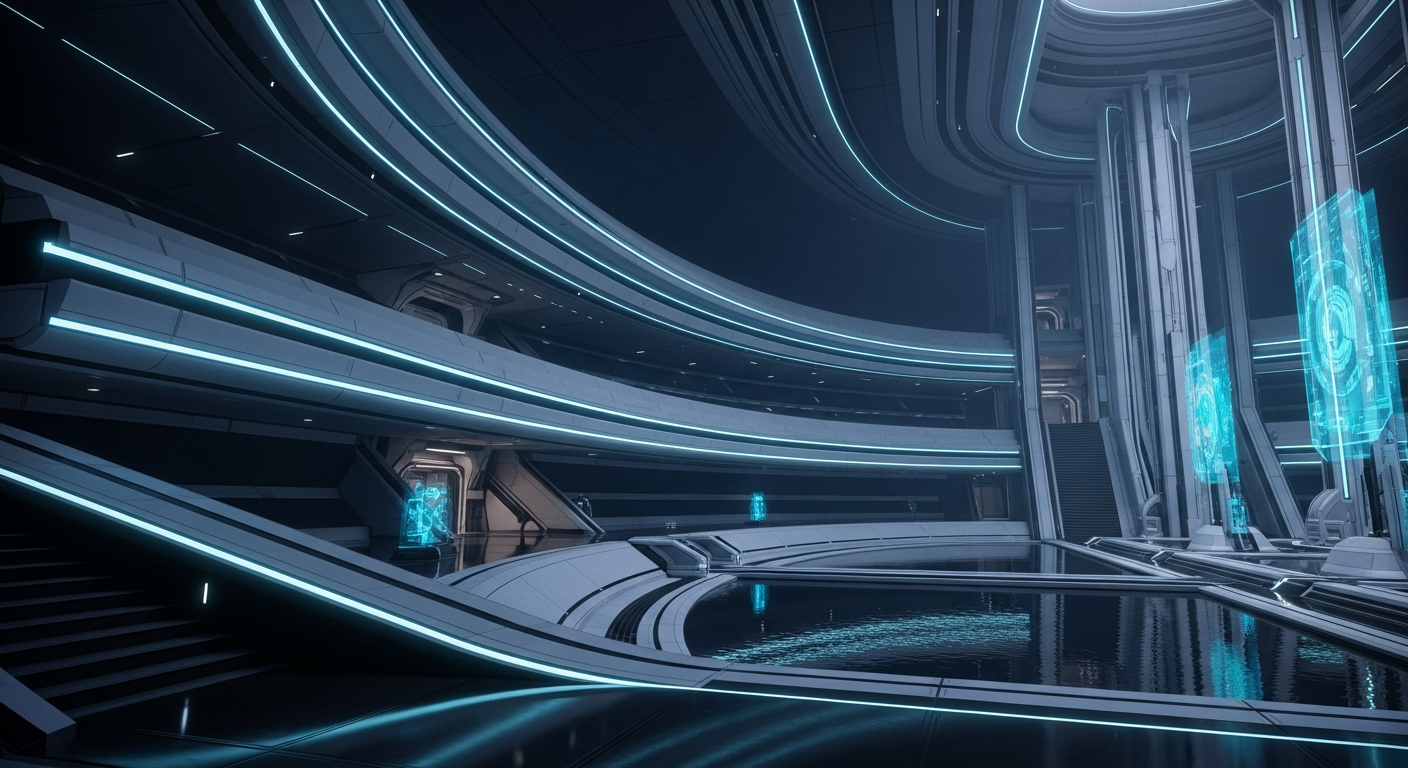
Mass Effect in VR comes through the Halcyon trilogy mod for the Legendary Edition, and the limit is first: head-tracked real stereo only, no motion controls. You look around the Normandy and the Citadel in genuine 3D, but you are not reaching for your pistol or working the omni-tool by hand. Ranked thirteenth on feel, it earns the spot through presence and scale, not hand-tracked gunplay.
That honesty matters because the game is a powerhouse of atmosphere — the first game’s rigid class system, its conversation-wheel weight, the galaxy-spanning first act a joy to sit inside. But “sit inside” is literal: you aim with a reticle, not your hands. If you came for the RPG and the spectacle, this is a strong way to revisit Shepard’s opening. If you came for VR gunplay, this is not that, and no ranking changes it.
Read the full Mass Effect review
#14: Portal
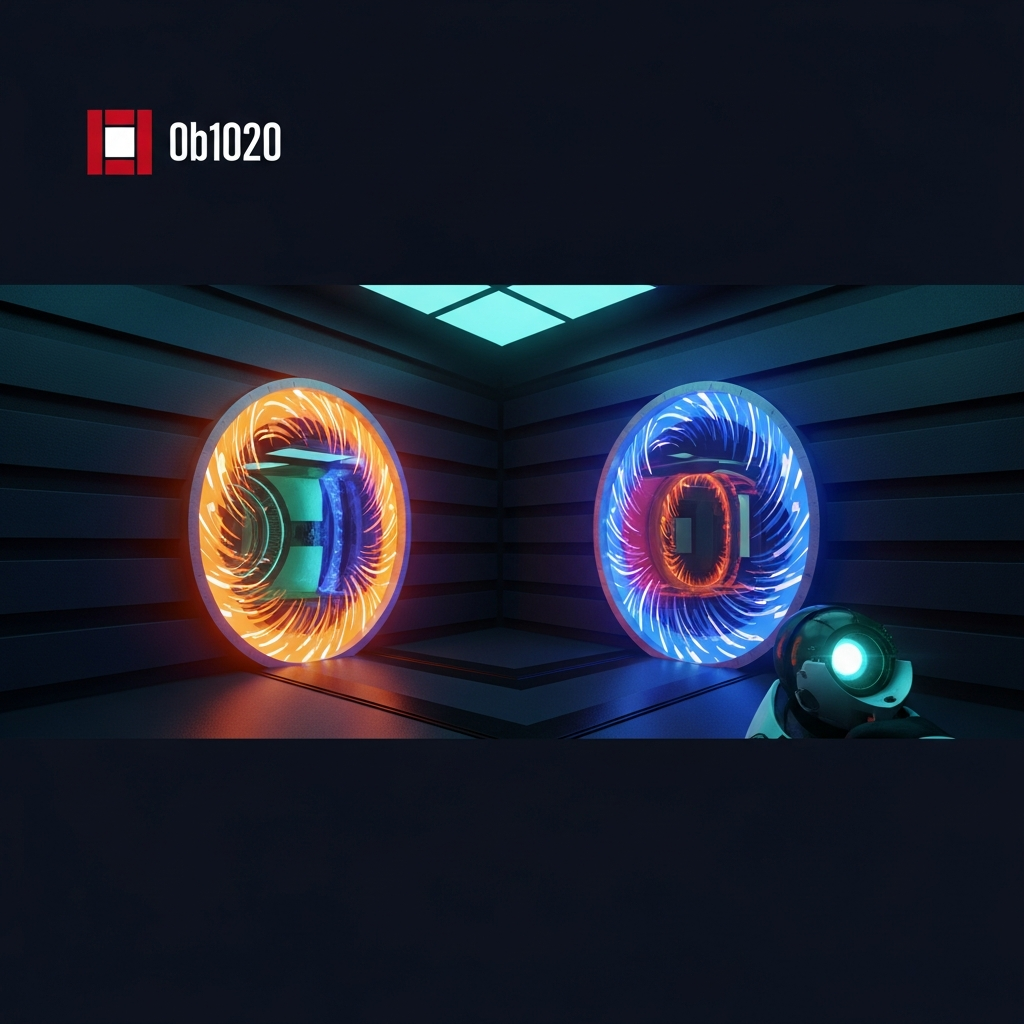
Portal in VR is a two-step community workaround, not a native Portal 1 mod, and you should know the shape first: you own both games, mount the Portal 1 campaign into the Portal 2 engine, then play it through Gistix’s portal2vr 6DOF mod. The reward is the full 2007 puzzle box in a headset, portals you place and walk through, the dry comedy in first person. The mod carries real community weight, with hundreds of stars and coverage since 2023.
The catches are part of the deal. The ModDB tutorial that walks you through the mount warns of game-breaking bugs, so follow it exactly and save often. This is hobbyist plumbing, not a polished port, and a wrong step can wreck a save. Done carefully, it is the best way to be inside Aperture. Done carelessly, it is a lesson in why workarounds are called workarounds.
#15: Left 4 Dead 2
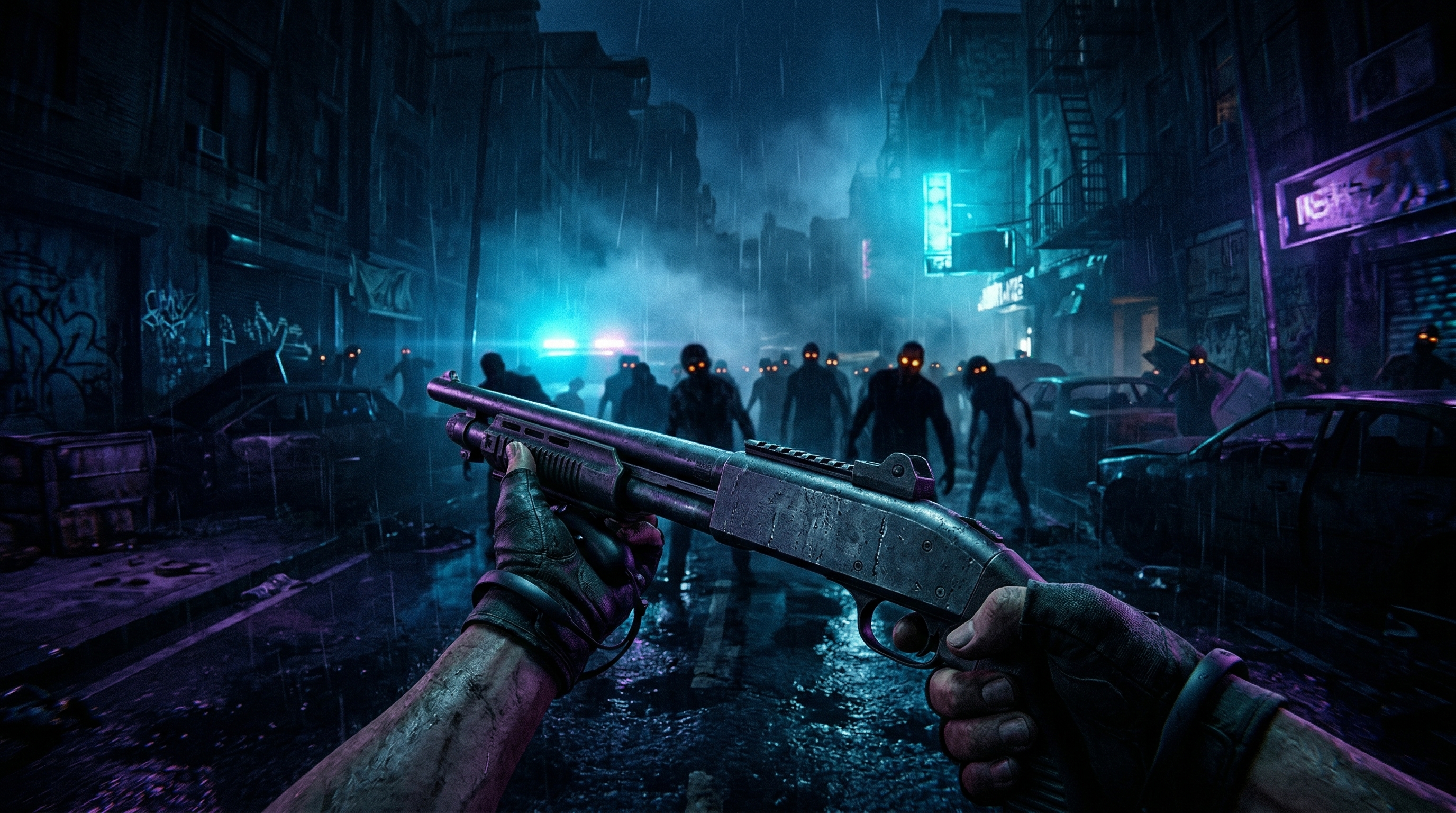
Left 4 Dead 2 in VR via sd805’s l4d2vr is the 2000s co-op shooter that was always one headset away from perfect, and the mod puts you in the middle of the horde with both hands on the shotgun. The Valve pacing — the calm before a Witch, the scream of a Tank, the relief of a safe room — reads entirely differently when the infected are around you. The Screaming Oak level alone justifies the install.
One honest gap: the depth of the motion-control aiming and melee handling I could not fully verify, so I am not calling the gunplay best-in-class without having pushed it. The foundation is there, the set-piece scale survives, and the panic of four players against a wall of bodies is intact. For PCVR owners who want the decade’s best co-op in their space, this earns its rank.
Read the full Left 4 Dead 2 review
#16: Star Wars Jedi Knight II: Jedi Outcast
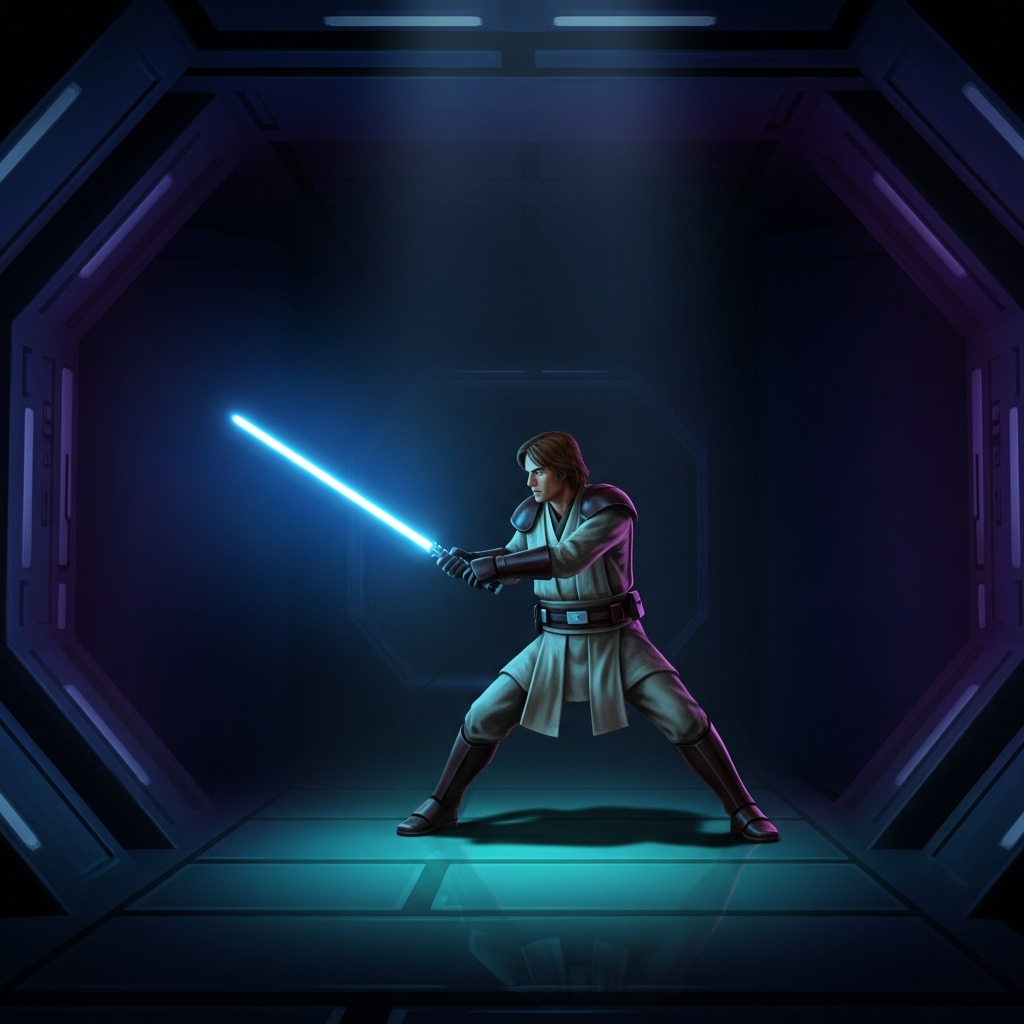
Jedi Outcast in VR via the xLAva VR mod is the entry carried entirely by one promise: lightsaber combat with motion controls. The moment you draw the blade and actually swing it — parrying a stormtrooper, carving through a Dark Jedi, feeling the hum in your hands — the game’s whole identity clicks into place. Kyle Katarn’s arc from gunfighter to Jedi was always about that transition, and VR makes the saber the star it should be.
The rest is a solid 2002 shooter around the saber work. The blaster sections are fine, the level design dated but readable, and the force powers gain weight when you push or choke. I could not verify how deep the motion-control lightsaber moves go past core swings, so I will not oversell the dueling. The core fantasy, though, is real and worth the install.
Read the full Star Wars Jedi Knight II: Jedi Outcast review
#17: Star Wars Jedi Knight: Jedi Academy
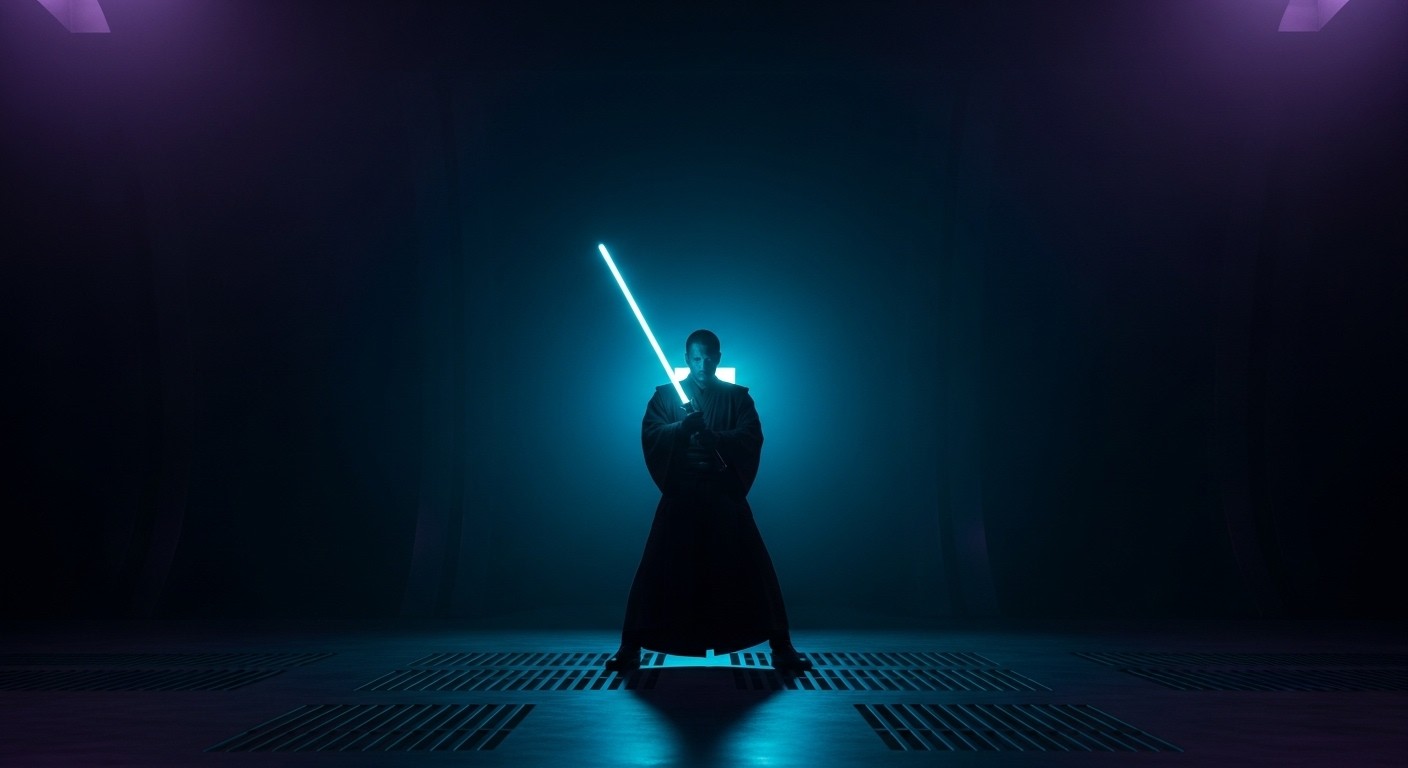
Jedi Academy in VR leads with JKXR, DrBeef’s Quest port, with the xLAva VR mod as the PCVR path and a VorpX profile in reserve as fallback. The draw is the same as its predecessor and a little broader: you build your own Jedi, wield a lightsaber with motion controls, and carve through a campaign that hands you more freedom than Outcast did. The dual-saber and staff-saber options are pure VR joy.
Lead with JKXR and you get a standalone Quest experience that needs no tethered PC. The xLAva path is there for PCVR players who want the desktop mod’s maturity. VorpX is the last resort — injection, not native, and you feel the difference. The force powers and saber work are the reason to be here; the shooting is filler between duels. For lightsaber fans on Quest, this is the cleaner install of the two Jedi games.
Read the full Star Wars Jedi Knight: Jedi Academy review
#18: Call of Duty 4: Modern Warfare

Call of Duty 4 in VR finally has a real path: KisakCOD VR, a 2026 OpenXR conversion of the original PC release, puts the campaign in a headset with 6DOF head tracking and motion-controller weapon aiming. “All Ghillied Up” with your hands on the rifle is the CoD 4 fantasy delivered straight — the pacing masterpiece plays the same, but you are inside the ghillie suit now instead of watching it.
The honest frame is age: this is a 2026 beta on a 2007 game, so expect the rough edges and update cadence of young community software, not a finished product. A VorpX profile exists as a legacy fallback, but it is injection viewed through a headset, not lived in — the mod is the reason this entry is here. If you want modern-war VR with your hands on the gun, this is now it.
Read the full Call of Duty 4: Modern Warfare review
#19: The Elder Scrolls III: Morrowind
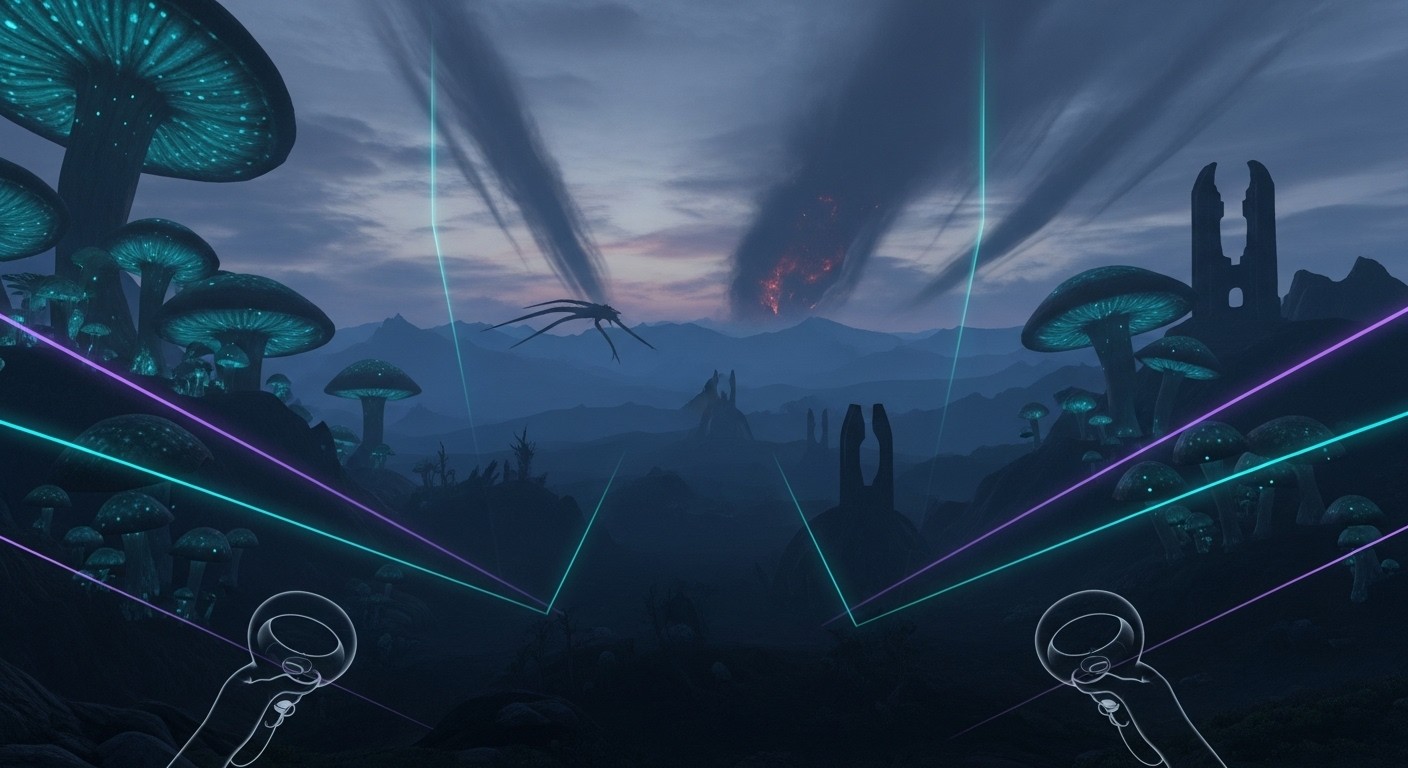
Morrowind in VR through OpenMW-VR is the deep-RPG entry that actually respects the headset, because OpenMW-VR is a true 6DOF rebuild, not an injection afterthought. Vvardenfell’s weird, flat-shaded alien coast becomes a place you stand in, and the game’s famous freedom — talk to anyone, join any faction, get hopelessly lost in a cave — finally has the spatial weight the writing always implied. The world is the oldest and strangest in the series, and VR suits its oddness.
The maturity of OpenMW-VR is why this ranks above the injection-only shooters nearby. You move, loot, and fight in real space, and the awkward melee is at least your awkward melee now. The UI is a learning curve and the combat dated, but exploration is the point, and few 2000s worlds reward wandering like this one. For RPG fans, it is the decade’s best headset fit.
Read the full The Elder Scrolls III: Morrowind review
#20: Quake 4
Quake 4 in VR comes from Team Beef, the same crew behind several Quest ports here, with a Quest early-access build from 2025 and a PCVR update in April 2026. The appeal is the Strogg campaign as a room-scale shooter: the metal-and-flesh horror of the opening hospital sequence, the nailgun in your actual hand, and the id combat rhythm that holds up because it was always about proximity and timing.
This is a port of the 2005 game, so the narrative ambition — the part where Quake tries to be a story — is as clumsy as ever, but the shooting is the point and the shooting is good. Team Beef’s stability shows in the build. The PCVR update broadened where you can play it. If Doom 3’s horror is not your mood, Quake 4’s louder uglier war is the alternative that works.
#21: Battlefield 1942

Battlefield 1942 in VR has a new answer: BFVR, an August 2026 full VR mod that puts the map-scale warfare in a headset with real head tracking and motion controls — the carrier wake, the parachute drop onto Wake Island, fought inside rather than viewed through a screen. For a game this old to get a from-scratch VR treatment this late is the surprise; the scale that defined 1942 finally has the presence it always implied.
Two honest caps remain. One, the mod is weeks old, so treat it as a fast-moving project with young-software edges. Two, 1942 lives on multiplayer, and you still rely on a community two decades thinned — the mod gives you the game, it cannot give you 2002’s server population. A VorpX profile exists as fallback, but it is the old ceiling: head-tracked stereo only. BFVR is the entry point now.
Read the full Battlefield 1942 review
#22: Return to Castle Wolfenstein
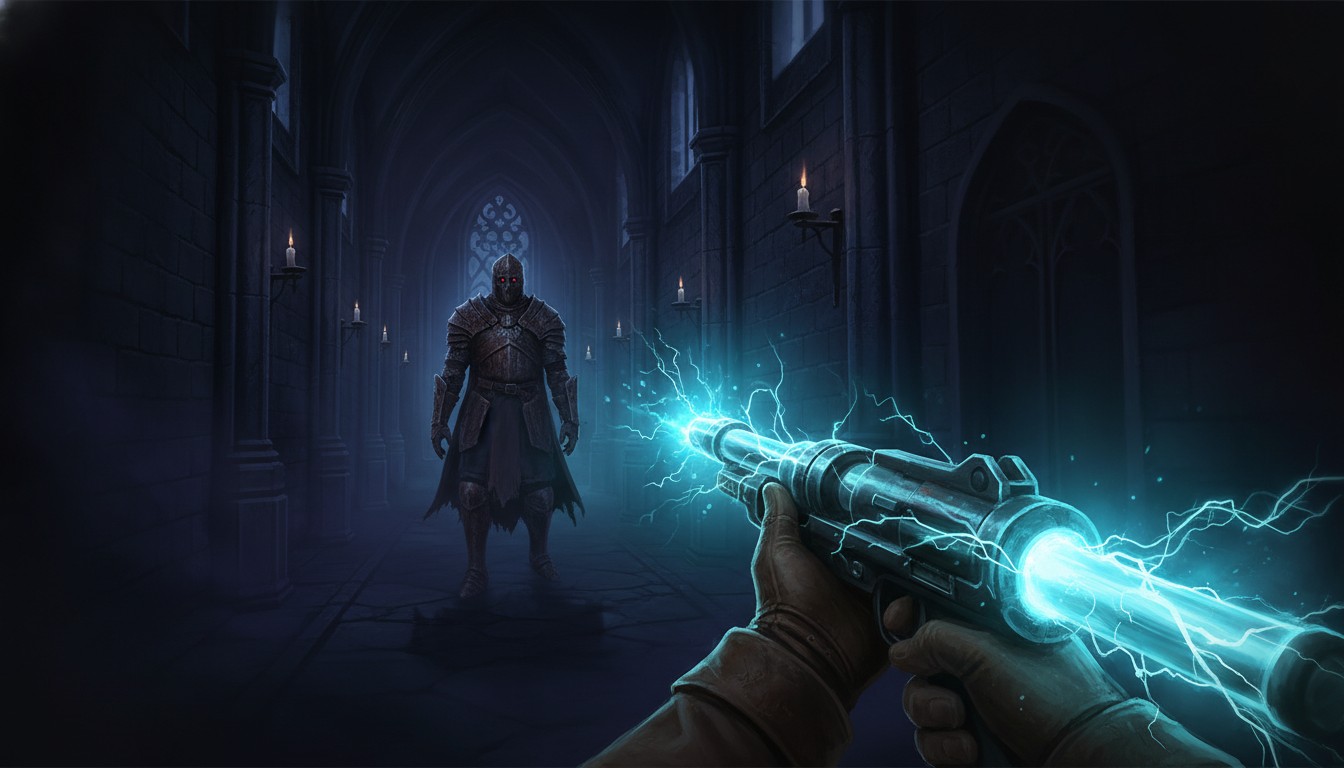
Return to Castle Wolfenstein in VR comes through RTCWQuest by DrBeef, a proper engine port for Quest distributed via SideQuest, and it is the occult-Nazi-horror shooter the decade deserved in a headset. The opening prison escape, the zombie catacombs, and the knife-edge between occult pulp and straight WWII combat are a better fit for VR than the flat game’s rep suggests, because the scares are about proximity and the corridors are built for it.
One practical note: you need an owned copy, and while a demo is bundled, the full experience requires you to supply the files. That is standard for these ports and worth knowing before you install. Once running, the Venom-powered gunplay and gothic dread land well on standalone hardware. For Quest owners who want a 2000s shooter more horror than war, this is the cleaner install than the injection-only entries nearby.
Read the full Return to Castle Wolfenstein review
#23: Counter-Strike 1.6
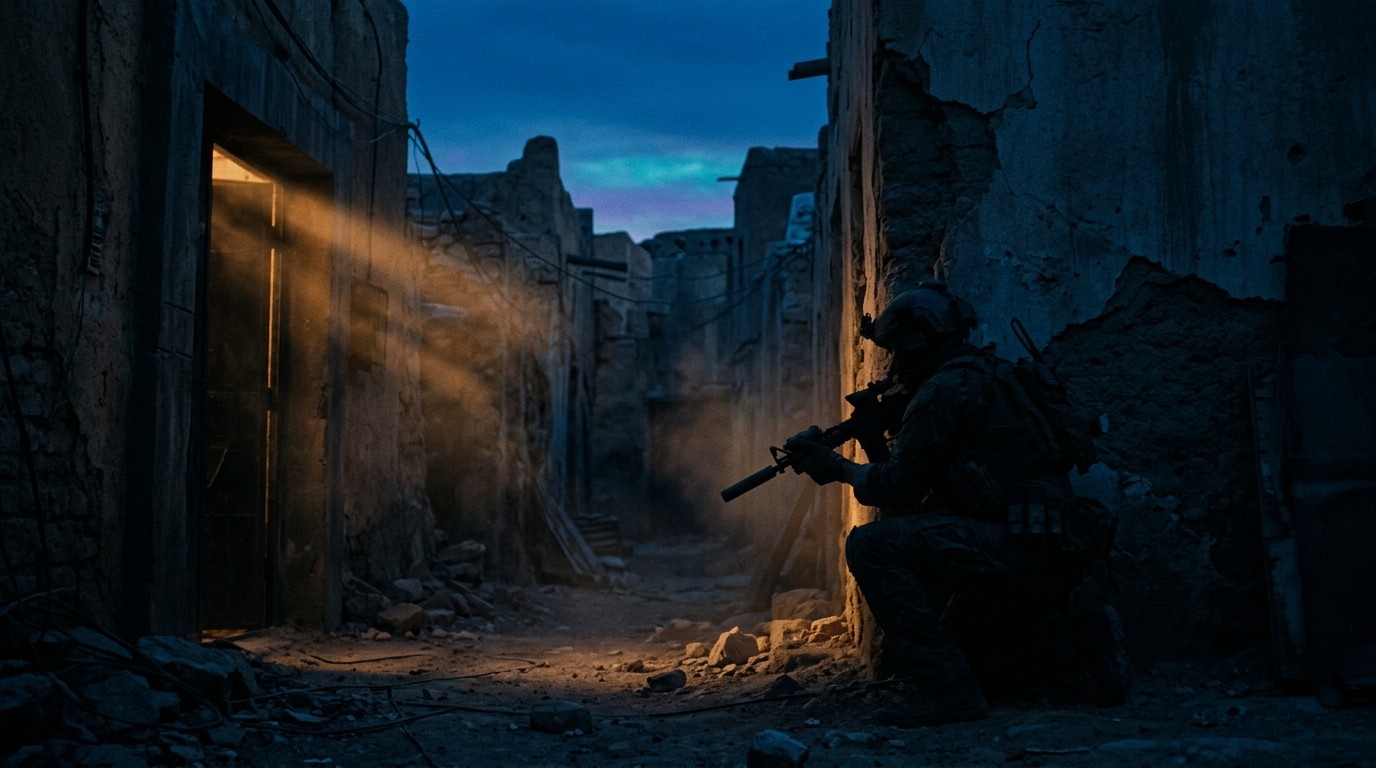
Counter-Strike 1.6 in VR arrives through Team Beef’s CSVR, a standalone Quest and Pico 4 build released in January 2026, and it is the competitive-shooter fix the decade’s purists waited for. Dust2 in your living room, the AWP actually shouldered, the quiet of a bomb plant you can hear coming from a real direction — the tactical loop that defined competitive FPS survives the jump because the loop was always about space and sound.
The honest caveat is the genre’s: 1.6 is multiplayer-only, so the experience lives or dies on who you can find to play. The port gives you the game; it cannot give you 2003’s server population. For Quest owners with a crew, this is a nostalgia hit done right. For lone installs, it is a workshop you visit when friends are on. Rank it by the play you can get.
Read the full Counter-Strike review
#24: Red Faction

Red Faction in VR is an alpha — Alpine Faction VR, OpenXR, version 0.1 from August 2026 — and that word leads, so I put it first: this is highly experimental pre-release software, not a finished port, and you should install it with exactly that expectation. The promise is what made Red Faction special — Geo-Mod destruction, blowing holes through walls instead of finding doors, finally in a headset.
An alpha tempers it hard. Expect missing content, instability, and a fraction of the final intent. The destruction fantasy is the reason to watch this project, and early builds suggest interesting bones, but “interesting bones” is the honest ceiling today. If you loved the flat game and want to watch a mod grow from nothing, this is one to track. If you want a 2000s game to play tonight, it is not there yet.
Read the full Red Faction review
#25: The Legend of Zelda: Twilight Princess

Twilight Princess in VR via Dolphin VR is the Zelda entry carried by atmosphere and undercut by hardware-era limits, and the version choice comes first: run the GameCube build, not the Wii one, because GameCube tracks your head better while the Wii motion controls have no clean VR analog. The twilight-covered Hyrule, the wolf transformation, the slower darker Zelda tone are a strong fit for VR presence.
The honest limit is the motion controls. Dolphin VR gives head-tracking and a world worth standing in, but the Wii-era waggle that defined the original has no VR translation, so sword swings and item use are a compromise. Play the GameCube build, accept aiming as functional rather than physical, and the journey holds up. It closes the list because the controls most clearly remind you this is emulation doing its best, not a native build.
Read the full The Legend of Zelda: Twilight Princess review
Honorable Mentions
These did not make the top 25, but they belong in your library or your watchlist.
Half-Life 2: Episodes One & Two — Already covered by the HL2VR mod at #1, so there is no separate install and no separate verdict. If you played the base game in VR and want the rest of Gordon’s story, the same mod continues it.
Metroid Prime 2 & 3 — PrimeHack’s trilogy support carries the sequels into the same head-tracked treatment as #8. Echoes and Corruption are rougher emulation targets than the first, but the control scheme that works for Prime works for them.
Serious Sam: First & Second Encounter — The cleanest entries on this whole list by delivery: official Serious Sam VR ports exist, built as real VR editions rather than community mods. If you want 2000s shooting with none of the setup burden, this is the easy win. Read the full Serious Sam review
Garry’s Mod — The GMod VR mod exists and lets you step inside the sandbox, which is chaos in the best way when the physics toys are in your hands. Mature enough to be worth a look, rougher than a native build. Read the full Garry’s Mod review
iRacing — Official VR support, no modding required, and a reminder that not every 2000s great here is a shooter. If you want the decade’s simulation crown in a headset, it has been there properly for years.
Mirror’s Edge (2008) — The mirrors-edge-vr-mod landed in August 2026 alongside the game’s historic Rift support, and the first-person parkour of Faith’s rooftop runs is a strong VR fit when the movement is in your hands. New, but the concept was VR-shaped before VR existed. Read the full Mirror’s Edge review
Dead Space (2008) — The chortdev trilogy VR mod is in progress as of mid-2026, early and incomplete, so treat it as a project to track rather than a game to play tonight. The original’s “cut off the limbs” horror is a perfect VR premise; the mod is not there yet. Read the full Dead Space review
The Elder Scrolls IV: Oblivion (2006) — Be precise here: the VR path is UEVR running on the Oblivion Remastered from 2025, built in Unreal Engine 5, not the 2006 original. The 2006 game does not run in VR. If you want Cyrodiil in a headset, you buy and mod the Remastered, and the result is a modern-looking province worth the setup. Read the full Oblivion review
Eternal Darkness: Sanity’s Requiem — Dolphin VR, the GameCube psychological horror that messes with your head in ways VR amplifies. The sanity effects — screen tearing, fake controller disconnects, the game pretending to delete your save — are genuinely unsettling when you are inside them. Read the full Eternal Darkness review
F-Zero GX, Wind Waker, Super Mario Sunshine, Galaxy, Mario Kart Wii, Double Dash, Star Fox Adventures, Skies of Arcadia Legends, Rogue Leader, TimeSplitters, Umbrella Chronicles, Dead Space: Extraction — The Dolphin VR family, emulated GameCube and Wii titles with head-tracking treatment. Per-game depth varies wildly: racing and flight entries like F-Zero GX and the Star Fox titles need honest handling because emulated controls and camera behavior are uneven, while the exploration games fare better. All are name-checks here, not endorsements of equal quality.
Wipeout Pure — PPSSPP VR puts the PSP racer in a headset, and the sense of speed in a tube of neon is exactly what the series does best. A solid emulated pick for arcade-racing fans. Read the full Wipeout Pure review
Simpsons Hit & Run — The GameCube build through Dolphin VR, open-world driving-and-brawling that gains a surprising amount from being stood inside. Comfortable emulation target, mid-tier ambition.
Painkiller — A VorpX profile only, injection rather than a real port, so the same ceiling that caps the CoD4 and Battlefield entries applies. Fun gunplay viewed through a headset, not lived in one.
Super Mario Sunshine — Dolphin VR, the GameCube platformer with FLUDD on your back. The water-puzzle platforming is a tougher VR fit than the racing cousins, but the world is a joy to stand in.
Also worth playing
Richard Burns Rally — openRBRVR adds proper VR to the best rally sim ever made. Head-tracking in a rally cockpit is the definitive way to play. Live for Speed — native VR support built into the sim. No One Lives Forever 2 — Luke Ross’s R.E.A.L. mod brings the spy-fi shooter into stereo 3D. Halo 3 — covered by the Halo-MCC-VR project (alpha as of mid-2026, also handles CE, Reach, and ODST). Call of Duty: World at War — WorldWarVR, a standalone OpenXR mod with 6DOF head tracking and motion-controller aiming. Zombies is the supported mode; campaign and multiplayer are experimental, so track it as a fast-moving beta rather than a finished port. Star Trek: Voyager – Elite Force — VorpX profile. Ace Combat 5 — PenguinScreen2 adds VR head tracking via PS2 emulation. Beyond Good & Evil — VorpX profile.
Looking for a different era? Check our Top 10 Retro Games From the 80s & 90s for the pre-2000 classics. For more on how CompoundVR evaluates VR games, see our review methodology.