
I looked at the man, and his head came off. Not from a bullet — from my mind. In Synapse, that isn’t a cutscene or a quick-time event. That’s just what happens when you look at someone hard enough and decide they’re done.
Synapse is a PSVR2 exclusive, built from the ground up for the headset by nDreams, a UK studio that has done nothing but VR for a decade. There’s no flat version that got a VR mode stapled on and no other way in. If you’ve got a PS5 and a PSVR2, the entire “setup” is opening the PlayStation Store and buying it. That’s the ordeal. For once, the barrier to entry is just owning the right hardware.
Inside the colonel’s head
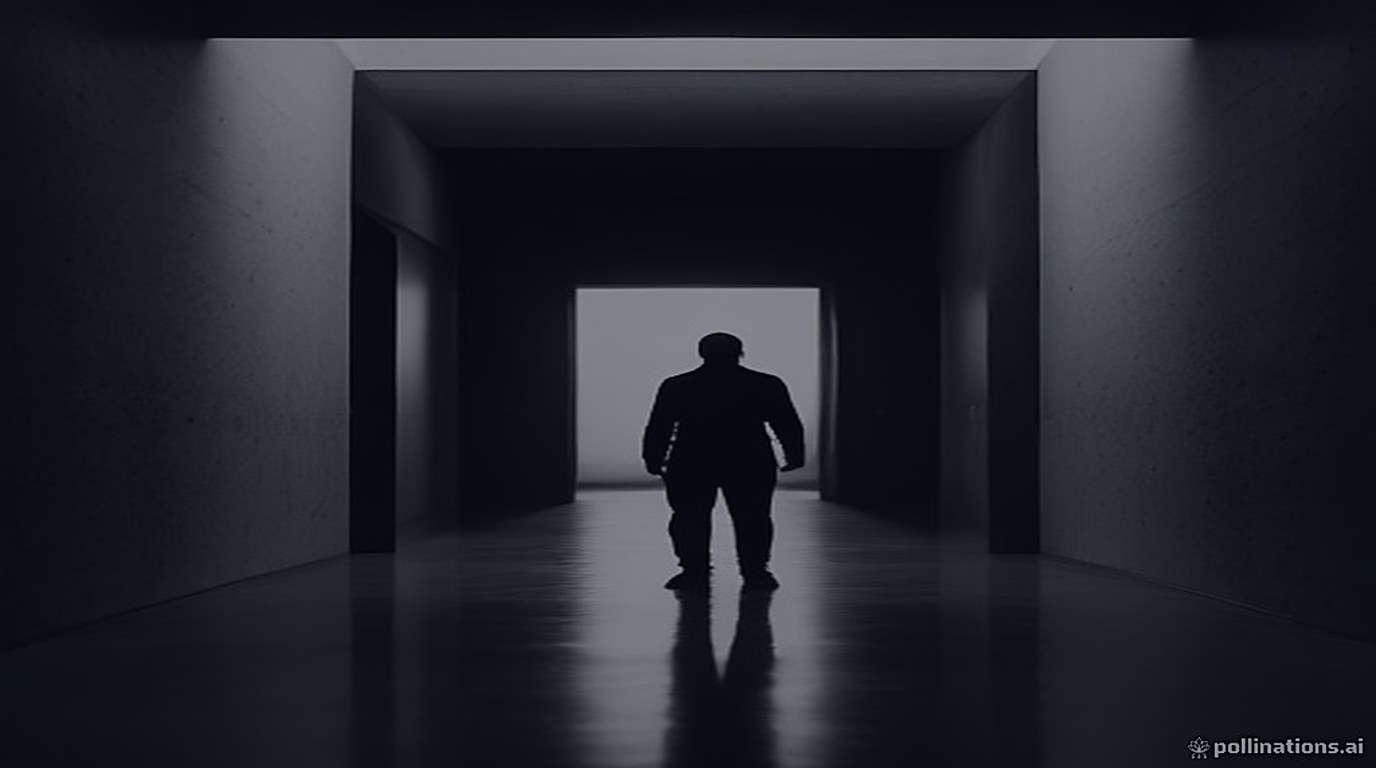
The premise is thin on purpose. You’re a special agent sent to crack open the mind of a rogue colonel — a man whose mental landscape you raid mission by mission. nDreams knows the story isn’t the draw, so they lean all the way into the aesthetic instead. The world renders as a monochrome mindscape: cold greys and blacks, with single-color accents punching through like a thought you can’t shake. It’s stark, it’s confident, and it’s the kind of art direction that makes a PSVR2 launch title feel like it belongs to the medium instead of apologizing for it.
Some players found the monochrome look divisive — too sterile, too samey across runs. I get it. But when you’re standing in a grey void with a single red doorway and a pistol in your hand, the restraint reads as intent, not laziness. The mindscape is a backdrop for violence. That’s a fair trade.
Looking is the trigger
The PSVR2’s eye-tracking is the gun here, not a gimmick for foveated rendering. You look at an object or an enemy, and your left-hand telekinetic power locks onto it. Hold the grip, and you yank — a crate across the room, a grenade out of someone’s hand, or the enemy himself, pulled into the air and held there while you decide what to do with him.
I’ve played a lot of VR shooters where “aiming” means pointing a wand. Synapse asks you to aim with your eyes and act with your hands at the same time, and the split never stopped feeling like a superpower. Look at the sniper on the catwalk, grab him mid-reload, and put a round through his partner before the first one hits the floor. The targeting is forgiving enough that you’re never fighting the hardware, which is the only way a mechanic like this survives contact with real play.
Two hands, one fantasy
The right hand is where the shooting lives. Pistol, shotgun, SMG, grenade launcher — you unlock the roster across runs, and each one feels distinct enough that swapping matters. The left hand is pure telekinesis: grab, throw, shield, or yank weapons out of enemy hands. You are dual-wielding the entire time, and the game never makes you choose between defending yourself and attacking. Throw a crate to break a line of sight, then dump a shotgun shell into the gap.
Movement is smooth locomotion through the mindscape, and you’re doing all of this standing with controllers live in both hands.
Die, learn, reload
Synapse is a roguelite, so every run is a self-contained assault on a slice of the colonel’s mind, and death sends you back to the hub with permanent upgrades called Revelations. Three skill trees — weapons, telekinesis, resilience — let you bank progress toward the next run instead of starting from zero. Clear a memory, bank the reveal, come back meaner.
The loop keeps you in the headset past the point where the novelty should have worn off. A run is tight enough that “one more” is a real temptation, and the Revelations system means those runs are actually building toward something. For a genre that usually survives on repetition, Synapse earns its loops with powers that keep changing how a room plays.
Where the mindscape cracks
The biggest catch is length. You can exhaust the upgrade trees in somewhere around six to ten hours of focused play. For a PSVR2 exclusive, that’s a short stay, and the roguelite structure means once the Revelations are banked, there’s less reason to come back.
The monochrome art that I praised a couple sections ago is also the thing that wears on some players. It’s striking in bursts and monotone across a long session. And the mission-to-mission variety, while solid, doesn’t reinvent the mindscape the way a longer campaign might. None of this breaks the experience — it just caps how long Synapse lives on your home screen after the first weekend.
The eye-tracking works, the guns work, the loop works. The complaints are about scope and stamina.
Unstoppable, for a few hours
Synapse is the PSVR2 exclusive that finally made eye-tracking feel like more than a spec-sheet bullet point. You look, you grab, you gun down everything else, and for the few hours it lasts, you feel like the most dangerous thing in someone else’s head. It’s short, it’s stylized to a fault for some, and it asks for a specific headset — but if you’ve got that headset, this is one of the shooters the platform was built to show off.
If you own a PSVR2 and you like the idea of playing John Wick crossed with a telepath, buy it. If you’re on any other headset, this one’s a reason to want one — Synapse is a PSVR2 exclusive, built for the hardware and no other. It’s a complete, confident VR game that does one strange thing better than anything else on the market, and that’s worth the headset time.