
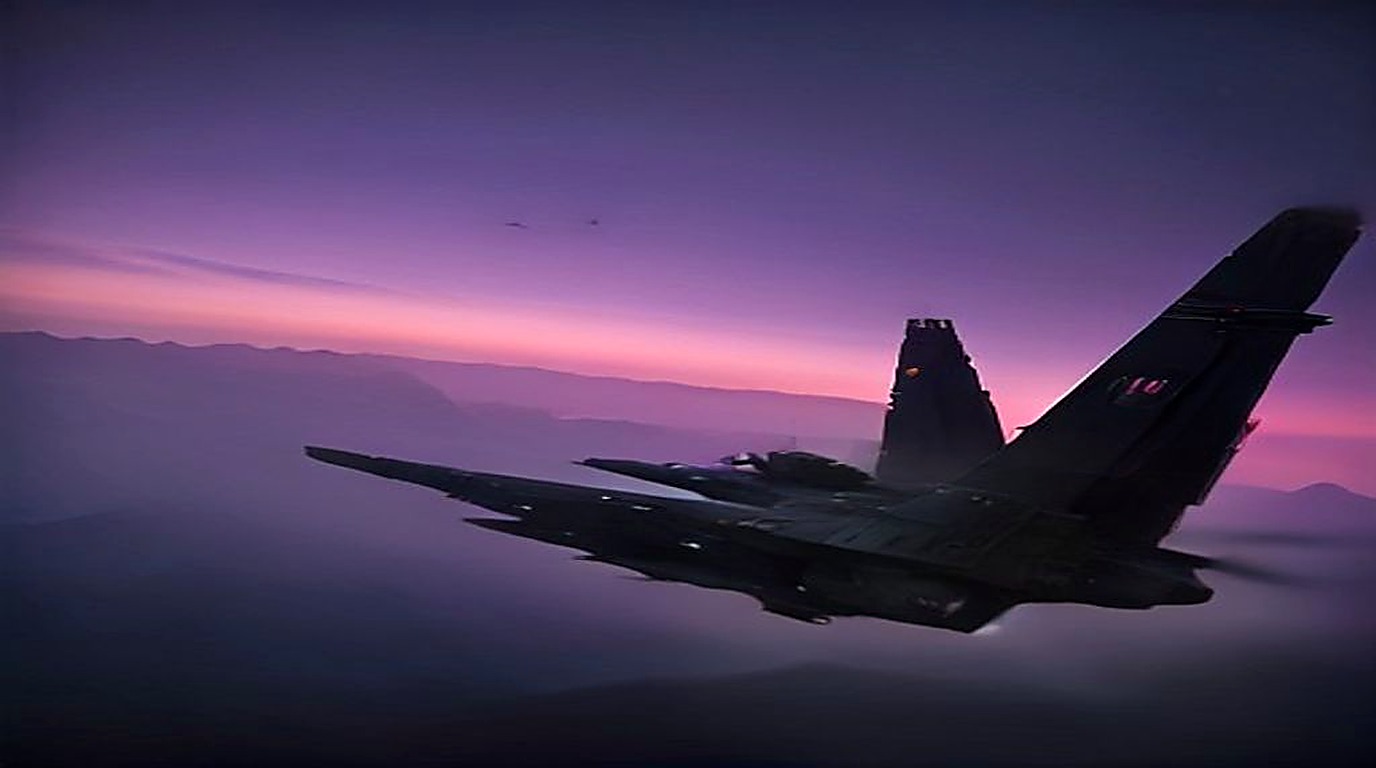
There is a specific kind of Star Wars fan who has wanted this since 2005: not the 2017 reboot, not the Classic Collection remaster, but the scrappy PSP edition — the one with the Imperial Enforcer and Rebel Raider challenge modes, the one you played on a bus. PPSSPP VR is the first thing that lets you put a headset on and stand inside it. I’ve spent time with it, and here’s the honest shape of what you get.
What PPSSPP VR actually is
PPSSPP is the PSP emulator. The VR build is a separate fork, maintained by Luboš Vonásek, that adds OpenXR rendering for standalone headsets — Quest 2, Quest Pro, Quest 3, PICO 4, and a few others. You sideload the APK, drop your PSP disc image on the headset, and the emulator gives you two ways to play: a large virtual screen floating in space, or a 360-degree mode that plants you in the middle of the game world with head tracking.
This is emulation, not a port. There are no motion controls, no hand presence, no VR UI. You play Battlefront II exactly as it played on the PSP — third-person camera by default, twin-stick-ish PSP controls mapped to a gamepad — except now the world wraps around you. That’s the entire pitch, and it’s a narrower pitch than a full VR mod would be.
Two things matter immediately. First, the game renders at 480×272 natively. PPSSPP can upscale the internal resolution several times over, so on a Quest 3 screen the edges are clean, but you’re still looking at a 2005 PSP game’s geometry and texture work blown up to fill your vision. Second, and this is the real catch: stereoscopic 3D is not guaranteed. PPSSPP VR builds its depth from per-game settings, and roughly half of all PSP titles get proper separation. Battlefront II is not on the confirmed-working stereo list, and community testing has shown a lot of games render identical images to both eyes — a flat 360-degree projection, not true 3D. If that’s what you get here, “inside the battle” becomes “inside a curved movie screen.”
How it plays
In the 360 mode, head tracking works. You can lean and look, and the camera follows your gaze. That’s the moment the setup earns its keep — turning your head to watch a Republic gunship bank overhead on Felucia feels like something the PSP never offered. The third-person camera means you’re floating behind and above a soldier rather than being one, which keeps the vestibular load lower than a first-person shooter would, but it also keeps you at arm’s length from the action. You’re a spectator with a gamepad, not a trooper.
Stability is the other variable. The emulation itself is mixed on Android — Battlefront II boots cleanly on some GPU and driver combinations and fails to start on others. When it does run, the 360 mode can pop geometry and stutter during heavy vehicle sections. The virtual-screen mode is the safe play: it’s just a big, sharp panel, and it behaves. You lose the “inside the world” hook, but you keep your lunch and your framerate.
Controls are unchanged PSP controls on a gamepad — no comfort options, no snap-turn, no vignette. The closest thing to a comfort lever is picking the virtual screen and sitting still.
What’s good about it
The appeal is narrow but real. This is the only way to be physically present in the PSP version’s campaigns and Galactic Conquest, and for someone who loved that specific build, standing in its blocky rendition of Endor or Mygeeto is a hit of nostalgia no flat replay delivers. The emulator is actively maintained — current builds ship through 2026 — so it isn’t abandonware. And the virtual-screen mode is genuinely comfortable and stable, a fine way to replay a game you already own without strapping it to your face problematically.
There’s also a Windows OpenXR fork that surfaced in early 2026, aiming to bring the same experience to PCVR headsets through SteamVR. It’s alpha and untested against this specific game, but it widens the path: if you’d rather play on a wired PC headset than a standalone Quest, that route is forming.
What falls apart
The depth problem is the headline. A Battlefront game you can’t perceive in 3D is a Battlefront game with the volume sucked out — the scale of a Star Destroyer looming over a capital ship is the entire point, and flat 360 projection flattens exactly the thing that makes Star Wars read as Star Wars. Until this title is confirmed in the stereo-working list, assume you’re getting the screen, not the world.
Then there’s the source material. 480p assets, no lighting tricks, simple particle work — upscaled, it’s clean, but it’s never convincing. The PSP version also drops the console campaign’s Rise of the Empire narration in favor of the challenge modes, so even the story hook is thinner than the PS2 original. And the “works badly” label the earlier Rift fork gave this exact title hasn’t been fully disproven by the modern build; the maintained fork is better-supported, but nobody has documented Battlefront II as a clean VR win.
Who should bother
If you’re a Battlefront obsessive who specifically wants the PSP edition in your headset, sideload it, start in the virtual-screen mode, and consider the 360 mode a bonus you may or may not get depth from. If you just want a good Star Wars shooter in VR, the flat Battlefront II via a different route, or a modern VR title, will serve you better. This is a curiosity for people who already know they want it — not a discovery, and not a recommendation I’d make cold.