
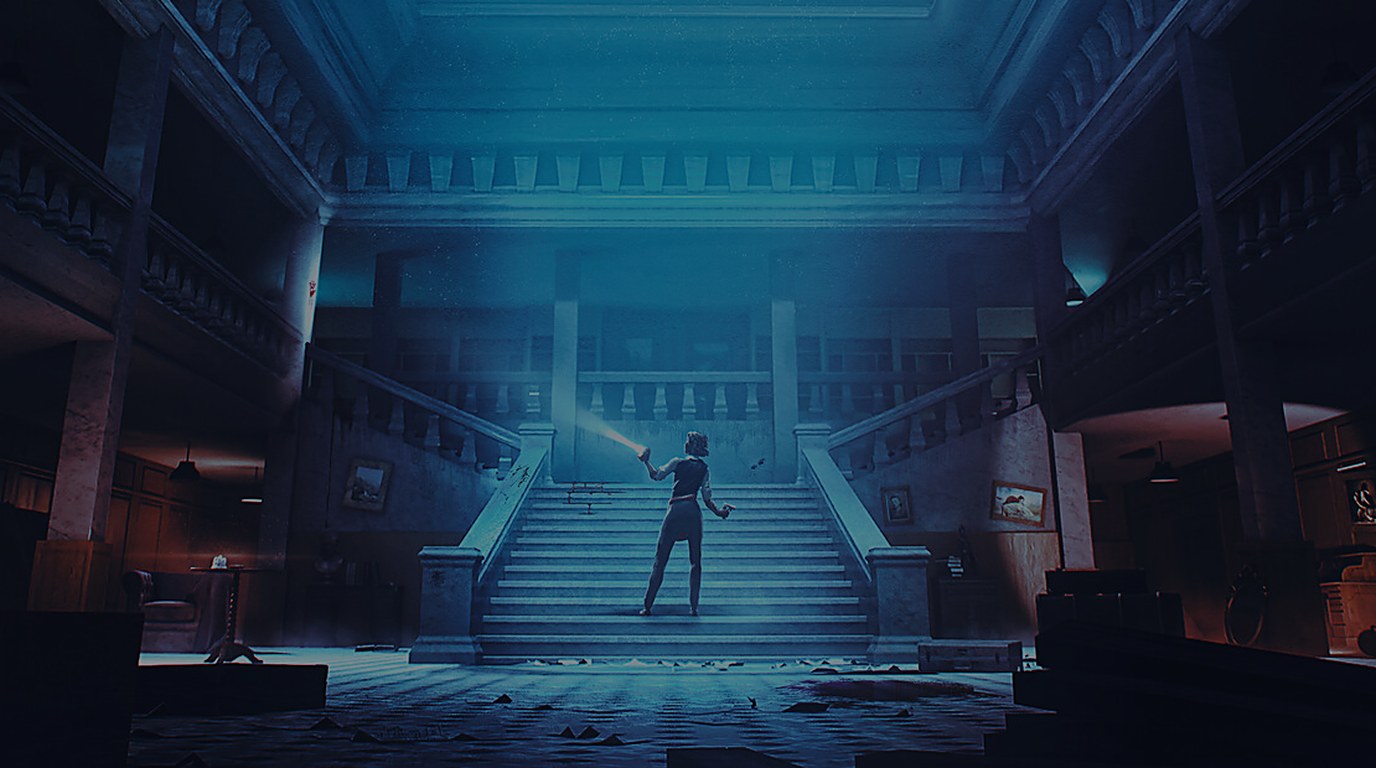
I nearly dropped the controller the first time the hallway lights died. One second I’m lining up a shotgun on a thing that used to be a guest; the next the bulb above me pops and the only light left is the narrow cone from my torch — and the shuffling is coming from behind the front desk. Propagation: Paradise Hotel is a native VR survival horror that earns its scares with space, sound, and a gun you have to actually reload while your hands are shaking.
A Survival Horror Game That Was VR From Line One
There’s no flat version of this game hiding under the hood. WanadevStudio built Paradise Hotel as VR-only from the start, so the headset isn’t an afterthought bolted onto a monitor game — it’s the whole delivery system. You buy it on Steam, on the Meta Quest store, or on PSVR2, and you’re in. No mod loader, no dependency chain, no config file to edit. On PCVR you launch it inside SteamVR; on Quest it’s a native standalone install; on PSVR2 it’s a store download that runs on the headset. I’ve sat through uglier setup rituals for games with a tenth of this polish, and there simply isn’t one here.
It’s also a sequel. The 2020 freebie Propagation VR was a wave-shooter — you stood in one spot and shot zombies. Paradise Hotel takes that universe and turns it into an actual place: a hotel you move through, search, and try to survive. UploadVR, which reviewed it on Quest 2 at launch, handed it a Recommended label and called it one of the best VR horror games of the year. The game showed up already spoken of as a serious entry in the genre, and the PSVR2 version followed later in the year.
The Reload Mechanic Is Where It Lives
Most VR shooters hand you a gun that fires when you point and pulls a nonexistent trigger to reload. Paradise Hotel doesn’t. You hold the weapon two-handed, you aim with your actual hands, and when the slide locks back you physically work the action — the shotgun’s sliding handguard ejects the spent shell with a satisfying clack that I caught myself grinning at mid-panic. Reloading “under stress” is a real mechanic here: fumbling shells into a magazine while something wet drags itself toward you is the core tension, and it works because the controls are honest about it.
There’s a dash, too — a sideways burst of movement to dodge or reposition. It’s useful, and the only comfort note is that a few quick lateral leaps can nudge motion sickness if you’re prone, though the game gives you smooth locomotion, blink teleport, and both smooth and snap turning to tune the ride. The gunplay loop — aim, fire, clear the jam, sprint, repeat — is the part I kept coming back for, and it’s the part the game does best.
Where the Hotel Gets Under Your Skin
The fear here comes from architecture and audio. The geometry is tight: doorways you can’t see past, a front desk that blocks your sightline, rooms that open into other rooms, darkness you light one cone at a time. Reviewers kept reaching for the same comparison and I get it — it feels like the Resident Evil mansion got rebuilt for a headset. Gaming Debugged specifically called the environments “meticulously detailed” and praised sound design that puts shivers down your spine, and that matches what I felt: the game is at its best when it’s quiet and you’re listening for which direction the wet footsteps are coming from.
The headset makes that spatial audio matter in a way flat horror doesn’t. When a zombie family — yes, a whole infected family unit, which is one of the more genuinely unsettling enemy concepts I’ve met this year — moves through the wall behind you, you turn because your ears tell you to, not because the HUD does. The game is scarier because you’re standing in the space, not watching it.
The Dealbreaker Is the Length
The catch that keeps this from a clean recommendation: The campaign runs about four hours, and it ends cold. UploadVR’s reviewer said it left him feeling “a bit cheated” — the story resolves almost nothing and the completion achievement is literally named “To Be Continued.” The store copy frames this as the first chapter of a larger story, but as things stand you’re buying a tight, polished opening act, not a complete arc. On the Meta store the most-helpful negative reviews all land on the same word: “demo.” Some players felt they paid for a slice.
The other rough edges are smaller. The dialogue is stilted, the voice acting is sketchy in spots, and the checkpoint saves — guestbook stations rather than a true autosave — mean a bad death can cost you a chunk of progress, especially on the hardest mode where autosave is stripped out entirely. None of that broke my time with it, but it’s the difference between a game I’d call essential and one I’d call good.
Who Should Check In
Paradise Hotel is for the VR horror fan who wants to be actually afraid, not just startled — the player who liked the tension of Resident Evil 7 or Walking Dead: Saints & Sinners and wants more of that particular dread. It’s a confident, well-built native effort with gunplay that respects your hands, and at the price it routinely sells for it’s an easy yes for that crowd. Go in knowing it’s a short first chapter and the scares land harder than the story does — and you’ll have a very good, very tense night at the hotel.