
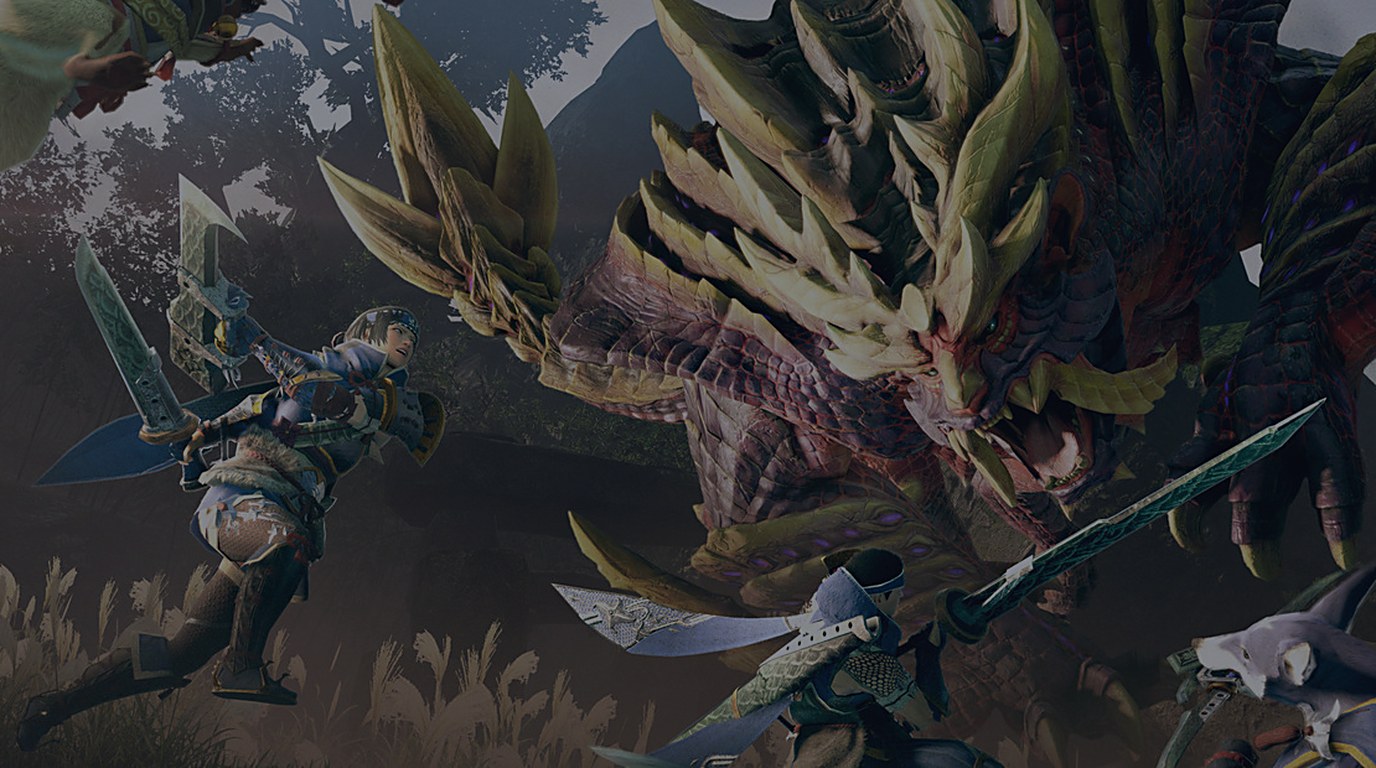
I’ve sunk too many hours into this franchise to pretend I’m neutral. The loop — track the thing, learn its tells, carve it up, build a slightly better sword — is the most compulsive time-sink Capcom has ever built, and Rise is the one that finally runs smooth on a laptop. So the day I saw REFramework’s VR mode cover RE Engine titles, my first thought wasn’t “will it work.” It was “how much of my week is this about to take.”
The answer, after living in it: this is a great Monster Hunter made better by a headset, with one honest ceiling you need to know before you install anything.
What REFramework actually hands you
Rise doesn’t have an official VR mode. Capcom never announced one, and nobody’s quietly building a native port. What you get is praydog’s REFramework — the same drop-in mod framework that brings VR to the Resident Evil remakes — pointed at Rise’s RE Engine build. You drop the framework files into the game folder, flip VR mode on in the in-game REFramework menu (hit INSERT), and launch through SteamVR or an OpenXR runtime.
The perspective is third-person, headset-tracked. Your head becomes the camera, not the hunter — the character still lives on screen in front of you, weapon and all. It’s third-person, so comfort sits at moderate intensity rather than churning your stomach. What that setup is and isn’t matters before you click install: you’re not swinging a greatsword with your hands. You’re watching a great hunt from inside the arena, free to look anywhere, lean into a dodge, and feel the scale of a monster that flat play hides behind a fixed camera.
One thing the framework does not give you: motion controls. REFramework’s built-in motion implementations were built for the first-person RE titles — RE2, RE3, RE7, RE8. Rise isn’t in that list, and nobody’s modded tracked weapons into it. You play with a gamepad. If you came here hoping to physically swing, this isn’t that game, and no setting flips it.
Third-person VR changes how big these things feel
Third-person VR changes the scale of this game in a way a monitor never could. A Rathalos swooping the length of the arena isn’t a sprite on a widescreen — it’s a winged wall of scale and malice that fills your peripheral vision as it banks toward you. The wirebug traversal, which already felt good on a pad, reads completely differently when you’re craning your neck to watch your hunter zip up a cliff face and fire back down.
That’s the whole deal. The combat is unchanged, the weapons are unchanged, the loop is unchanged. What’s new is that you’re standing in the world instead of watching it. For a game this obsessed with enormity and geography, that’s not nothing — it’s the difference between a screenshot and a memory.
A lightweight hunt that your GPU will thank you for
Rise is one of the more forgiving RE Engine titles in VR. Compared to something like Monster Hunter Wilds, it’s a feather — which makes it a genuinely good entry point if your GPU is midrange or older. The community noticed: one of the core PCVR-mod channels didn’t just test it once, they came back with a dedicated performance-fix video for the Rift S path. That’s the base experience worth refining rather than abandoning.
In practice it holds a clean frame rate on a mid-range rig, and Quest 3 or PICO 4 over a wireless PCVR stream keep up fine because the game doesn’t ask much of the hardware. You’re not tuning graphics settings for an hour before you hunt. You’re hunting.
The flat UI is the honest catch
Nothing here is free. The biggest annoyance is the interface: the menus and HUD are flat panels floating in space, not built for a headset. They’re readable, but they sit at whatever distance the framework picks, and you’ll find yourself tilting your head to read a status screen mid-hunt. It’s the kind of small friction that flat play hides. You learn to glance, not stare.
Stability is mostly solid, with one real gotcha. Because this rides on REFramework and the live game build, a Sunbreak-era game update can occasionally black-screen you until a newer framework nightly catches up. It’s not a daily problem — it’s a “did Capcom just patch?” problem. And if you start stacking other REFramework scripts on top, conflicts happen. Remove the newest script, check the framework logs, update the framework. That’s the entire dance.
Bring friends — the hunt scales to four
The flat game supports up to four-player co-op hunts, and that carries straight into the VR build. There’s no VR-specific multiplayer testing on record, but the networking is the game’s own — you’re four headsets in the same arena, each seeing the hunt from their own tracked third-person camera. A four-player Rampage or a coordinated monster takedown is where this stops feeling like a tech demo and starts feeling like a reason to own a headset. If you’ve got a hunting group, this is the strongest argument for the mod.
A first-person script exists — and it won’t change your mind
If third-person bugs you, the community has a Lua script that forces a first-person camera inside REFramework’s VR mode. It works — there’s video of it running — but understand what it is: a camera move, not an input change. Your weapon is still gamepad-driven. You’re looking out from behind the hunter’s eyes instead of over their shoulder, and that’s the whole upgrade. It doesn’t add motion controls, doesn’t rebuild the combat, doesn’t turn Rise into a VR action game. It’s a neat way to see the world up close, not a reason to install the whole stack.
Start here only if you’re already a hunter
A great Monster Hunter made genuinely better by presence, but it’s a better camera on the hunt, not a new way to fight. The world is worth standing inside — the scale, the geography, the wirebug sightlines all land harder with a headset on — and it runs clean on hardware that would choke on the newer entries. But gamepad-only input, a flat UI floating in space, and the occasional patch black-screen are the honest price.
If you already love this franchise, install it tonight. If you’ve never played a Monster Hunter and you’re shopping for a VR-native reason to start, this isn’t your entry point — play Rise flat first, fall for the loop, then come back and put the headset on. The hunt’s better from inside the arena. It just isn’t a different hunt.