
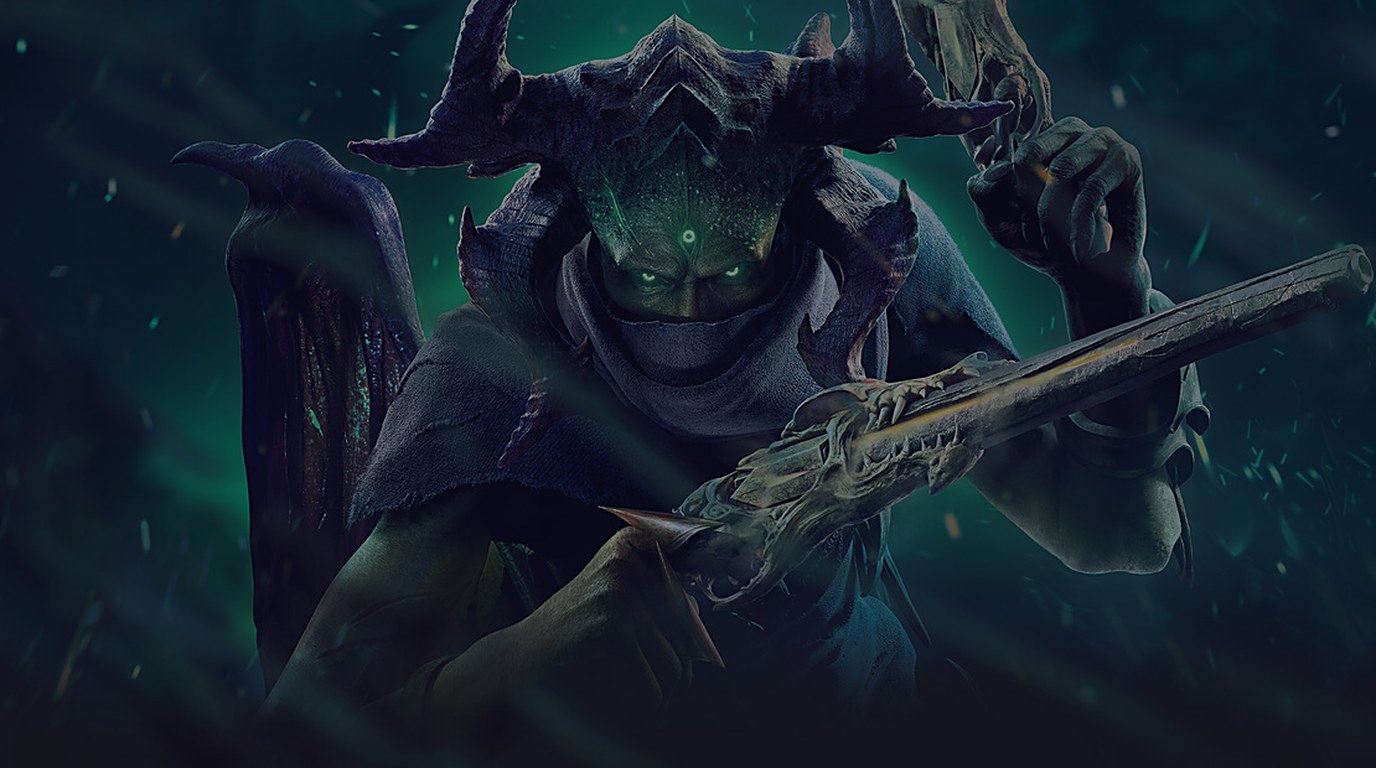
I spent my first hour in Metal: Hellsinger VR missing every beat. Not because the guns felt wrong — they felt right the second they hit my hands — but because I was too busy grinning at the drums to pull the trigger. Then the bass dropped, my right hand found the rhythm on its own, and the whole arena snapped into focus. That’s the game: a rhythm shooter that stops being about hitting heads and starts being about hitting the beat, and in VR your body is the metronome.
What you’re actually buying
Metal: Hellsinger VR is a full native rebuild, not a mod with a headset stapled on after the fact. Lab42 — the studio behind a run of competent VR ports — built it from the ground up for VR, and Funcom shipped it as a standalone “VR Only” product on Steam. You get the complete campaign, Archdevil difficulty, the Torment Challenges, and a Beat Assist Mode that loosens the timing windows if your rhythm eye needs training wheels. The whole infernal arsenal is in your hands: pistols, shotguns, the sword, the talking skull — each one tracked in 6DOF, each one demanding you actually aim it instead of clicking a crosshair at a wall.
At launch it hit Steam, with Quest in the same release window and a PSVR2 version following after. Confirm the current Quest and PSVR2 store listings before you commit, because this sweep only verified the Steam build live — but the shape of it is clear. This is a shipping VR game with a publisher behind it, not a community project you keep alive with depot pins and hand-edited config files. A community mod put the flat game in VR headsets for two years before this, but its author parked it the day the official port shipped — the native rebuild is the version to play. The moment you own it, you launch it, and you’re in Hell.
Firing on the beat changes everything
Here’s the core loop, and why VR bends it: every enemy you kill, every shot you land on the beat, pushes a damage multiplier higher. The music — a Two Feathers score with vocals from Serj Tankian, Randy Blythe, and Alissa White-Gluz — starts muffled and thin, then opens up as you play in time. Miss the beat and the song pulls back, the world goes quiet, and you feel the loss in your chest before you see the score dip. In flatscreen that’s a HUD bar. In VR it’s the room getting smaller.
That’s the part no video shows. You stop aiming with your eyes and start aiming with your hands, because your hands are already moving to the rhythm. A dash on the downbeat, a sword swing on the snare, a shotgun blast synced to the guitar — the gestures and the music stop being separate systems. I caught myself physically leaning into corridors before I’d ever been in them, just because the kick drum told me to. That’s the flow state the store copy promises, and for once the promise lands: you stop thinking about controls and start thinking about the next bar.
The comfort load is real but earned. This is a fast, dash-heavy shooter — you’re strafing and blinking through arenas built for momentum, not sightseeing. Motion controls plus constant movement plus a camera that rewards aggression is a recipe for a few of you to lose lunch on the first Archdevil run. Snapping and smooth turning are both in there, and Beat Assist softens the timing if you’d rather survive than score. Nobody’s forcing you to chase the leaderboard on day one.
What it does better than flat
Two things the headset adds that a monitor can’t fake. First, the guns. Holding the arsenal instead of clicking it changes how reckless you play — when a double-barreled shotgun is literally in your grip, you stop treating it like a cooldown and start treating it like a weapon. Second, the scale. Hell in this game is a sequence of arenas that feel hand-painted for spectacle, and being stood inside one while the choir kicks in is the reason the flat version felt like a trailer for the real thing.
The presentation holds up under the headset too. Lab42 didn’t ship a blurry port — the visuals are clean, the frame pacing is steady enough to keep you in the music, and the audio mix treats your rhythm ear as the primary input. Beat Assist exists precisely because the developers knew the timing matters more than the damage, which tells you they understood the assignment.
The honest catch
This is a short, arena-based game, and nobody should pretend otherwise. The campaign is a tightly wound sequence of set-piece fights — close it and the replay value lives in the Torments, Archdevil difficulty, and leaderboard chasing, not in a sprawling world you keep exploring. If you need a hundred-hour sandbox, this isn’t it. It’s a rhythm shooter: you come back because the score climbs, not because the map grows.
The depth is thinner than the spectacle. Enemy variety is enough to keep the beat interesting but not enough to surprise you by hour three, and the story is a framing device for the music rather than something you’ll think about later. That’s fine — the game knows exactly what it is — but it caps the experience below the world-builders that earn the top of the shelf. You’re inside a killer album, not a living world. Both are worth the headset; only one is S-tier.
And the comfort caveat is real for a slice of the audience. Fast, constant movement with motion controls will bounce some players off the first aggressive arena. Beat Assist and snap turning soften it, but if dash-heavy shooters already disagree with your stomach, test it on a short Torment before you commit a full session.
Who this is for
If you already liked the flat game, or you’ve ever stood in a rhythm title and felt the room move with the music, this is an easy yes — it takes a great shooter and makes your hands part of the song. Score-chasers and metal fans will get the most out of it, especially on a high-end rig that keeps the beat physical. Skip it if you want a slow, story-heavy world to inhabit, or if fast VR movement is a non-starter. For everyone else: put the headset on, let the skull talk, and shoot on the snare. Hell has never kept better time.