
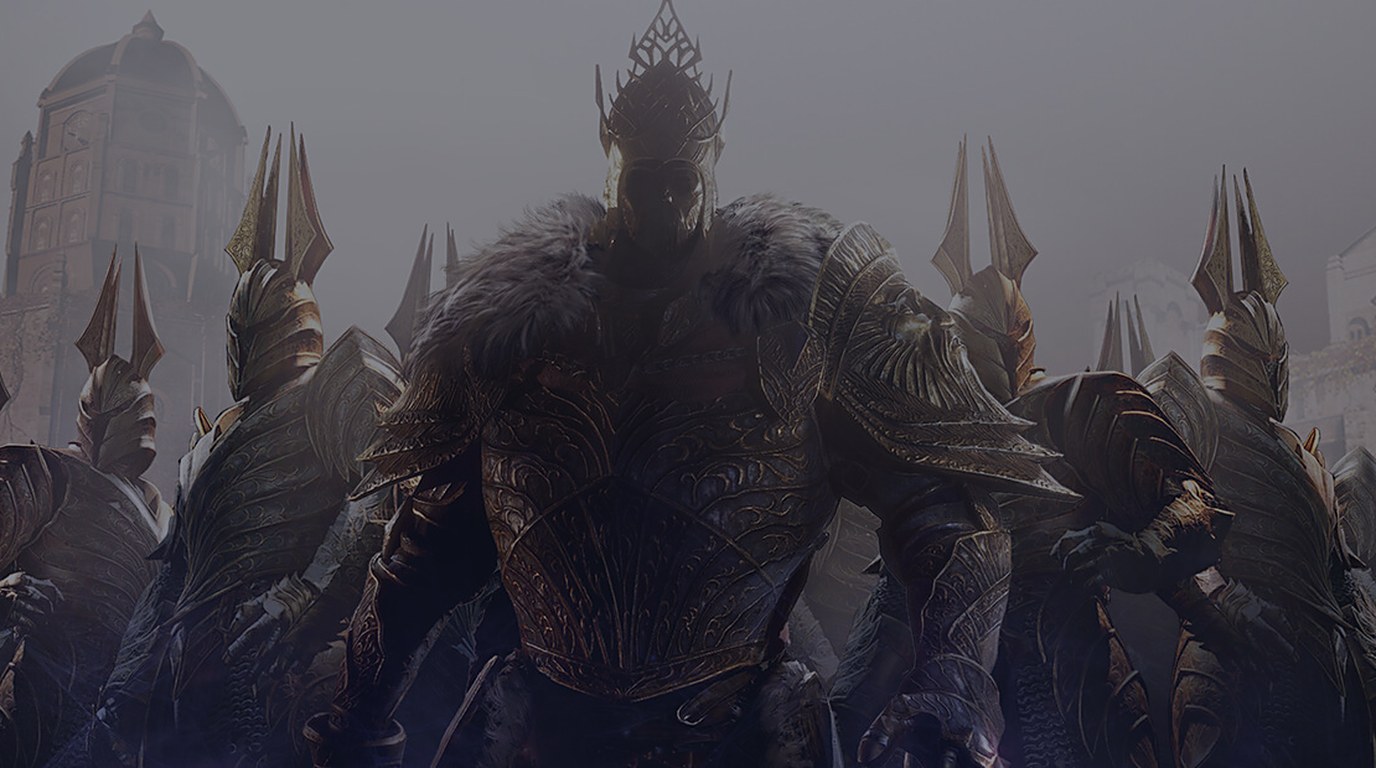
The first time a boss in Grimlord knocked my sword clean out of my hand mid-swing, I stopped thinking about Soulslike checklists and started thinking about how to get my weapon back before the next blow landed. That moment — the panic, the reach, the scramble — is the entire pitch. This isn’t a flat game wearing a VR skin. It was built for the headset from the first line of code, and the melee is the reason you put it on.
Grimlord hit full release on Quest and SteamVR at $29.99, and it’s a complete native VR dark fantasy action RPG. You’re a prisoner in a monastery deep in the Lonely Mountains, and the campaign sends you up against the tyrannical Grim Lord across four story chapters. There’s no mod to install, no profile to wrangle, no framework to inject — you buy it from the store and play. For a Soulslike fan with a headset, that alone is a minor miracle.
What you’re actually fighting with
The core loop is physics-driven melee, and it’s the part that justifies the headset. You pick a build — sword and shield, a staff for magic, a bow for range, dual blades, even shield-and-dagger throwing — and then you actually swing. Blocks connect based on where your controller is, not on a button press timed to an animation. A well-aimed parry against a telegraphed overhead feels earned because your hands did the work. The weapon-smithing runs deep: over 160 parts to piece together your own blade, and the progression tree spreads across 130-plus talent nodes. This is not a tech demo with a sword bolted on. It’s a real RPG with a real kit to build.
You move on smooth locomotion and fight with your hands — standard for a VR action game, and it lands at a moderate intensity that tires your shoulders long before it unsettles your stomach. On a mid-range PC it holds 90Hz through most fights; the Quest build is the leaner version but plays clean, which is the impressive part for a UE5 physics-melee game running standalone.
Where it earns the Soulslike name
The world is the other half of the case. The Lonely Mountains campaign has momentum — individual enemies with their own combat habits, bosses that test what you’ve actually learned rather than what you’ve button-mashed, and loot that pushes you to rebuild your loadout. After a long session it starts to feel like the genre always should have felt: you’re not watching a character swing, you’re the one who whiffed the timing and ate the hit. That physicality is the transformation VR is supposed to deliver, and Grimlord delivers it better than almost anything else in the melee space.
Coverage has been steady and loud for a reason. One well-watched playthrough flat-out called it a rethinking of Dark Souls in VR, and a 40-hour PCVR review rates it the best Dark Souls-type experience in VR, bar none. It shows up in every physics-melee roundup next to Blade & Sorcery, Battle Talent, Undead Citadel, and Hellsplit Arena — and unlike most of those, it brings a story campaign and RPG systems to the brawl instead of just a sandbox to hit things in.
Where it shows its seams
This is a smaller studio’s UE5 game, and it reads that way. The counter-voices are real even if they’re quieter: a few breakdowns dig into what’s frustrating, and they’re not wrong. Enemy telegraphs can be vague enough that a “fair” death feels cheap. The physics, for all its glory, occasionally betrays you — a swing that should connect slides off because the hitbox and your hand disagreed, or a block that should have held gives way. Nothing here is a dealbreaker, but the rough edges are the reason this isn’t a flawless system-definer. You feel the early-access-to-1.0 journey in the polish, even at full release.
And be honest about the fit: this is a Soulslike. If you don’t like deliberate, punishing melee where progress is earned in deaths, the hand-tracking novelty wears off fast. The depth that makes it great for the right player is exactly what makes it a hard sell for someone who just wants to wave a sword around.
The bottom line
Grimlord is one of the strongest arguments on the platform for why melee belongs in VR. It builds a world worth slogging through, hands you a blade you actually swing, and asks you to learn it the hard way — which is the only way a Soulslike should work. The combat has seams and the studio is small, but the experience is real and it’s deep. If you’ve got a headset and any patience for the genre, this is the one to put on; if you came for a casual workout, the monastery will eat you alive, and that’s the point.