
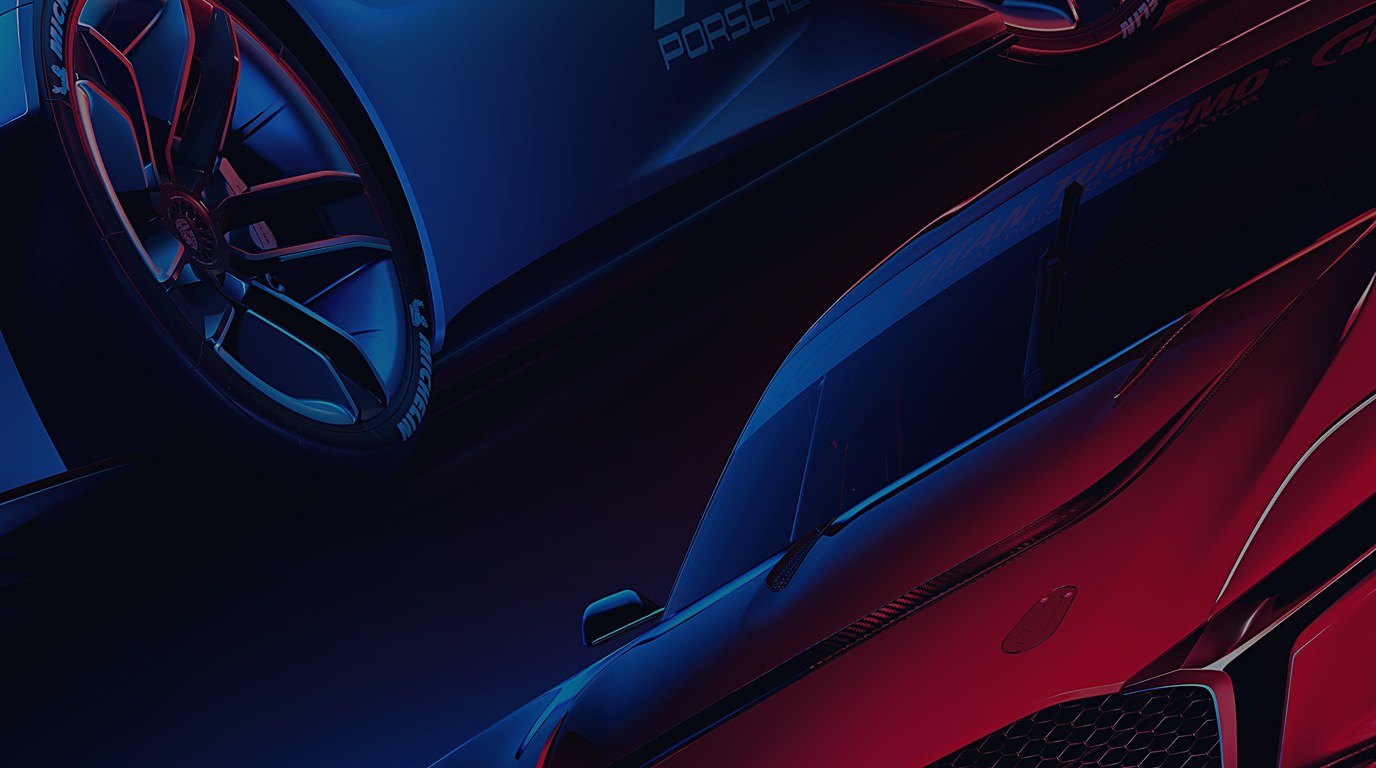
For thirty years, racing games have asked you to judge speed and distance on a flat rectangle. Gran Turismo 7 on PSVR2 ends that argument. I settled into the cockpit at Trial Mountain, glanced left at the driver who’d just overtaken me, and watched his rear tire flex as he powered out of the corner — a thing you simply cannot read on a television. That single glance is the whole pitch.
What you’re actually getting
Gran Turismo 7 didn’t ship with VR. Polyphony Digital added it free eleven months after launch, in Update 1.29, timed to land with the PSVR2 hardware itself. There’s no mod, no sideload, no config file. You own the PS5 version, you connect a PSVR2, and every race and game mode is there in the headset — career, arcade, online lobbies, the works. The only thing that stays flat is two-player split-screen; everything else is fully playable in VR.
Driving from inside the car
The headline feature is presence, and Gran Turismo 7 delivers it without ceremony. PSVR2’s headset tracking means the cockpit is exactly where your head says it should be — lean right and you’re looking at the A-pillar, duck slightly and the dashboard rises. There’s no perceptible lag between your movement and the world responding. For a racing sim, that head-coupled view is the difference between watching a race and being in one.
Polyphony leaned on the hardware hard. Eye-tracked foveated rendering keeps the center of your gaze sharp while lightening the load at the edges, which is how the game holds a clean image without melting the console. 3D audio puts engine note, tire scrub, and the car behind you in actual space — I caught myself lifting off the throttle because I heard a rival closing on the right, not because I saw them. Headset haptics rumble through the visor on hard impacts, and the DualSense’s adaptive triggers give the throttle and brake real, variable resistance under your fingers. If you’ve got a wheel — Logitech G29 and Thrustmaster T300RS both work — the experience scales up further, with force feedback carrying straight through. The Sense controllers handle menus and the Showroom; you drive with the wheel or the pad.
Where it earns the praise
The reception out there is almost uniform, and it’s earned. Across the press and the player community, GT7 on PSVR2 keeps getting called the standard for console VR racing — the title other VR driving games are measured against. It’s the natural conclusion of a complete game with a complete VR implementation. You’re not beta-testing a mode. You’re driving the same 400-plus cars and 30-plus locations the flat players get, with the headset doing real work.
The consistency matters too. There’s no mode you’re locked out of, no content walled behind a flat screen. Online racing — the part of Gran Turismo that actually has legs — is fully in VR. That’s the difference between a VR demo and a VR game you’ll still be playing in six months.
The honest catches
It’s not flawless, and anyone shopping for it deserves the real picture. Image quality in the headset isn’t the equal of a 4K television — foveated rendering keeps the sweet spot sharp, but your peripheral vision is softer, and some players notice it on distant detail. The HUD, designed for a flat panel, doesn’t always sit naturally in 3D space; reading lap deltas mid-corner takes a glance you’d rather not spend. Mirrors, too, are a known weak spot — the in-car reflections don’t carry the same fidelity as the world ahead, so you lean on audio and spatial awareness more than you might in flat play.
Who this is for
You need the specific hardware — a PS5 and a PSVR2, full stop. There’s no other path to this experience, and I’m not going to pretend otherwise. But if you already own that pair, or you’ve been looking for the reason to buy the headset, Gran Turismo 7 is it. This is a sim racer for people who care about cars and the act of driving them, not a thin arcade ride with VR bolted on. Wheel owners get the most out of it; pad players still get a complete game.
I came to GT7 on PSVR2 expecting a tech demo with a famous name attached. What I got was the best argument anyone has made for console VR racing: a world-class sim, fully intact, that becomes something else entirely when you’re sitting in it. The soft edges and the mirror compromises are real, but they’re footnotes next to the fact that I can now lean into a corner and actually see the apex the way I would in a real car. That’s the whole point of VR, and Gran Turismo 7 is one of the few games that delivers it without asking you to compromise the game to get there.