
Top 20 VR Games of 2021
From Resident Evil 4's landmark Quest conversion to Gorilla Tag's viral explosion, the twenty games that defined VR's second mainstream year.
2020 gave VR its breakout moment. 2021 made it a medium with range.
The Quest 2 flooded living rooms and turned standalone VR from a curiosity into a default platform. That changed everything downstream: studios shipped bigger native games, modders pushed flat-screen classics into headsets, and a few experiments went viral without a publisher behind them. The question stopped being “is VR viable?” and became “which of these experiences actually matter?”
This list ranks the twenty games and mods that defined VR in 2021. I’ve ordered them by what each one meant for the year, not just quality but how far it pushed the medium.
#20: Arashi: Castles of Sin

FINAL FORM’s stealth-action game set in feudal Japan is the kind of mid-budget VR experiment I’m glad exists, even when it stumbles. You play a shinobi paired with a wolf companion, working rooftops and shadows to eliminate targets across a handful of castles. The stealth loop works. Leaning over a wall to spot a patrol, then dropping a shuriken or slipping a blade between ribs, feels physical and quiet in a way bigger studios skip. The trouble is scope. The campaign lasts about four hours, and the combat never grows past its opening moves, so at full price that stings. Arashi earns its place because it commits to a VR-native fantasy built around presence rather than spectacle, and delivers it competently. A flawed debut with a real idea behind it.
Read the full Arashi: Castles of Sin review
#19: Mare
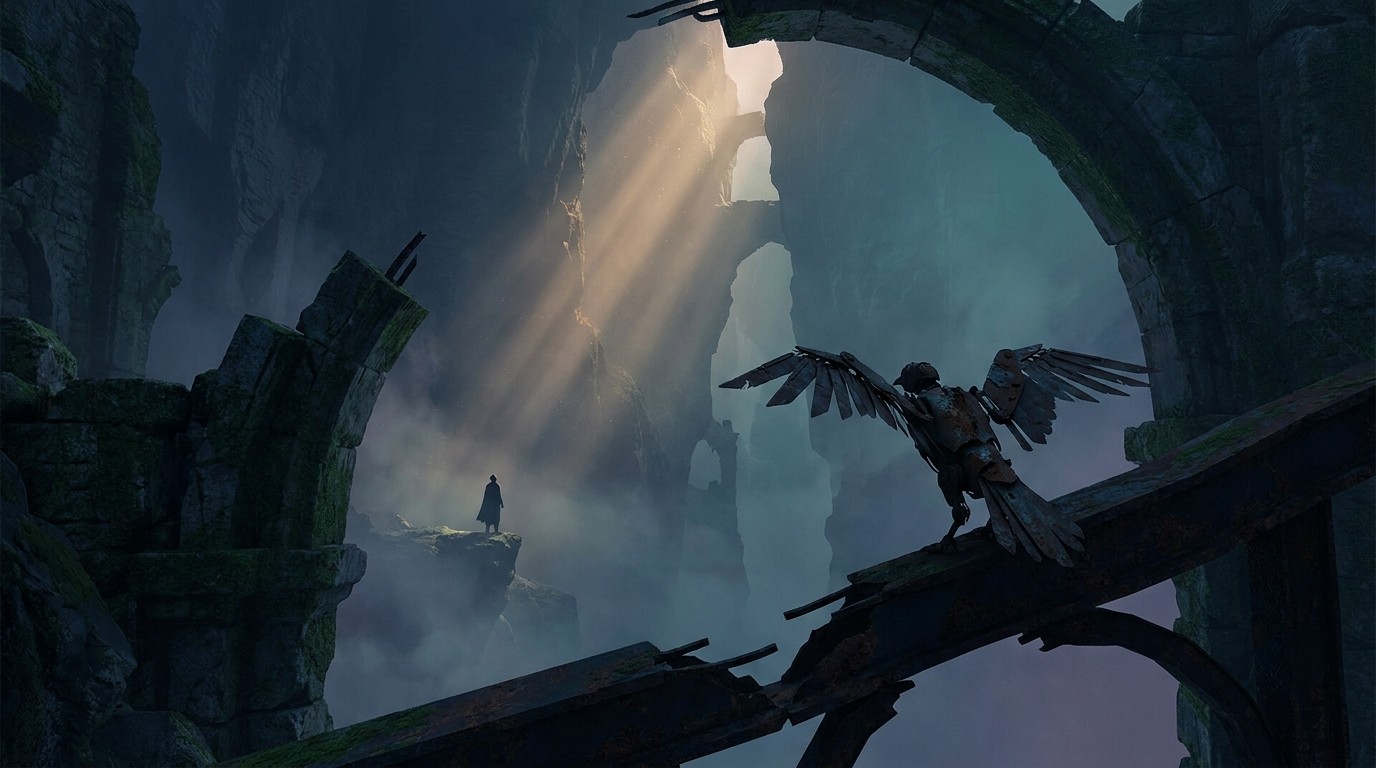
Mare is a dreamlike flight adventure that banks everything on atmosphere, and for most of its two hours it pays off. You guide a small winged creature steering a silent girl through surreal floating landscapes, and the act of spreading your arms to catch air currents is the whole game. There is almost no language and no fail state, just a slow drift through spaces that look painted rather than rendered. That is also the ceiling. The interaction never deepens past “move and look,” and at the price asked, the brevity stings. I still think it belongs here because VR needs experiments that are not games in the traditional sense. Mare treats the headset as a place to be calm, and it does that better than almost anything else released this year.
#18: Legendary Tales
Legendary Tales launched into Early Access in February and immediately became the physics-driven RPG VR had been missing. You swing real weapons, block with a shield, and watch a goblin’s posture break when your axe lands. Four-player co-op turns that into a chaotic, satisfying brawl. The crafting and loot systems run deeper than the rough visuals suggest, and Urban Wolf Games kept shipping updates through the year. It is undeniably Early Access: janky animations, occasional jank, and a UI that fights you. But the melee combat is the real article, and for a medium starved of proper action RPGs, that matters more than polish. If you want to stand in a dungeon with three friends and feel the weight of a sword fight, this is the closest VR came in 2021.
Read the full Legendary Tales review
#17: Mafia

The Mafia VR mod drops you into a 1930s crime drama with full six-degrees-of-freedom and motion controls, and the period detail hits differently when you are standing in the street rather than watching it. The community conversion gives the classic, and its 2020 remake, the presence the original never had. You lean out a car window to fire and the city’s heaviness settles around you. Quality varies by build, and because it is not a from-scratch VR design, the pacing and gunplay still follow a flat-game script. But as proof of what modders can do with a beloved title, it is striking. For fans of the series, walking Lost Heaven in stereoscopic 3D is a genuine “I didn’t think this was possible” moment, and that is why it makes the list.
#16: Fracked
nDreams’ PSVR exclusive is the most stylish thing on the platform this year, and it knows it. Fracked bolts together on-rails skiing, cover-based shooting, and a wisecracking tone that leans into B-movie energy. The Move controllers handle the guns and skis well enough that the set pieces, careening down a mountain while blasting enemies, land with real momentum. It is over fast, about four hours, and the combat is shallow once the spectacle wears off. I do not care as much as I should, because the core loop is fun and the visual confidence is rare on PSVR. Fracked earns its slot as the year’s best argument that a tight, polished arcade experience beats a sprawling one, even if you will finish it in a single afternoon.
#15: Sniper Elite VR
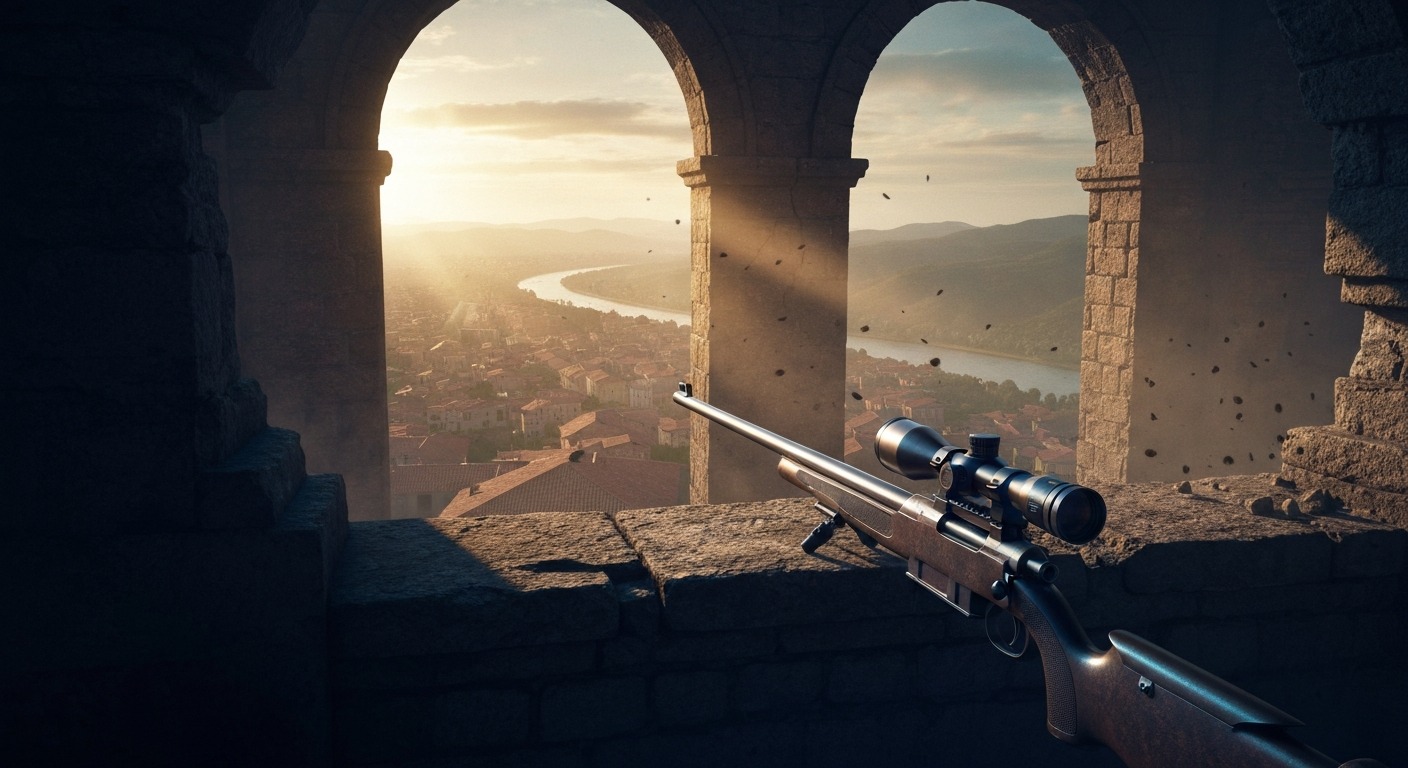
Sniper Elite VR takes the series’ signature patient killing and rebuilds it for a headset, and the manual bolting alone makes it worth a look. Set in WWII Italy, you creep through environments, line up shots, and watch the X-ray kill cam erupt in stereoscopic detail when your round connects. The gunplay is the draw: weighty, deliberate, and far more satisfying than the flat games’ aim assist. The downsides are real. The campaign is short and the enemy AI is thin, so once you have cleared the levels there is little reason to return. But as a pure VR shooter with a clear identity, it stands above the wave of generic wave-defenders. For players who like to set up one perfect shot and watch it unfold, this is the year’s best expression of that fantasy.
Read the full Sniper Elite VR review
#14: Yuki

Yuki is the weirdest thing on this list, and I mean that as praise. You do not control a ship. You hold a tiny action figure in your hand and physically fly it through bullet-hell space, dodging neon walls of fire by moving your arm. It is a bullet-hell shooter reframed as a toy, and the shift from thumbstick to whole-arm movement makes the genre feel new again. The anime styling is bright and frantic, and the short runs are perfect for pick-up-and-play sessions. There is not much depth or a long tail, which keeps it from ranking higher. But Yuki proves VR does not need photoreal worlds to be inventive. Sometimes the freshest idea is just holding the game in your hand instead of playing it on a screen.
#13: Horizon Zero Dawn
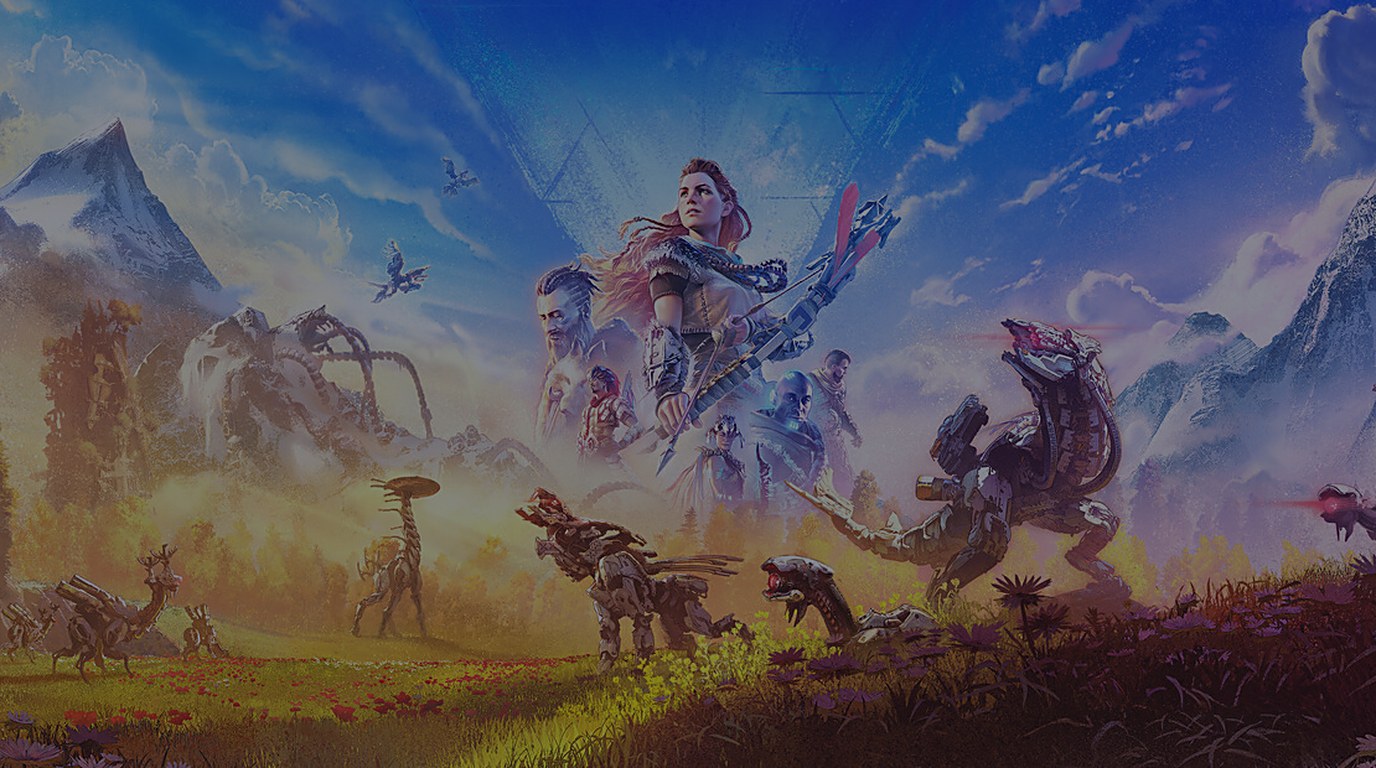
Luke Ross’s mod dropped Horizon Zero Dawn into VR through head-tracked stereoscopic 3D, and the scale of that world is the entire point. You stand in a forest clearing and the machine carcass beside you has real volume; the horizon actually recedes. There are no motion controls, so you are a passenger with a floating camera rather than a pair of hands, and the performance asks for a serious GPU. That is the catch, and it is a real one. But for a game built flat, the sense of place it gains in a headset is uncanny, and it pulled a lot of open-world skeptics into VR this year. As one of the marquee entries in Ross’s 2021 wave, it showed what head tracking alone can still accomplish when the source material is this large.
Read the full Horizon Zero Dawn review
#12: After the Fall

After the Fall is Vertigo Games doing what they do, four-player co-op zombie shooting, and the ambition is obvious from the first minute. Cross-play across Quest, PCVR, and PSVR means your squad can be on any headset, and the post-apocalyptic LA setting has real scope. The gunplay is the studio’s usual solid work, with satisfying reloads and weighty shotguns. Launch was rough: server issues and missions that repeated themselves faster than the premise justified. That keeps it mid-list despite the bones being good. I would still point newcomers here over older co-op shooters because the moment-to-moment feel is current-gen, and the cross-platform promise is the direction VR multiplayer should be heading. A strong foundation that needed more content than shipped.
Read the full After the Fall review
#11: Doom 3 BFG
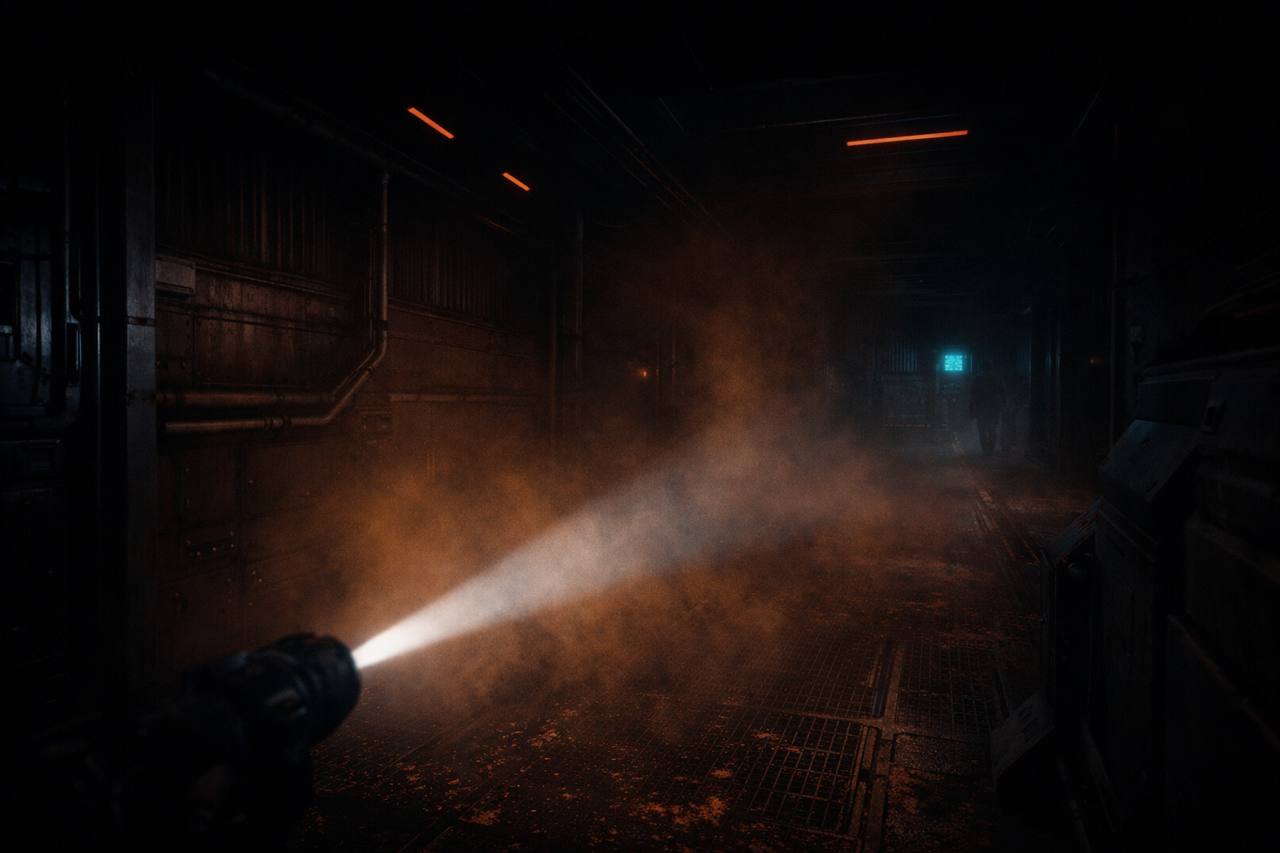
DrBeef’s community ports of Doom 3 BFG are the best argument for the Quest standalone modding scene, full stop. The BFG edition runs on the headset untethered with full 6DOF and motion controls, and the horror hits harder when the demons are actually in your space. The manual reloads and physical aiming turn a 2012 shooter into something that feels native, not ported. On PCVR the same treatment applies with sharper visuals. It is a testament to what unpaid modders accomplished this year that a classic FPS plays this well in VR with no studio involvement. If you own a Quest and have not tried it, you are missing the single most impressive piece of fan conversion work of 2021. Essential, and free.
Read the full Doom 3 BFG review
#10: Gorilla Tag
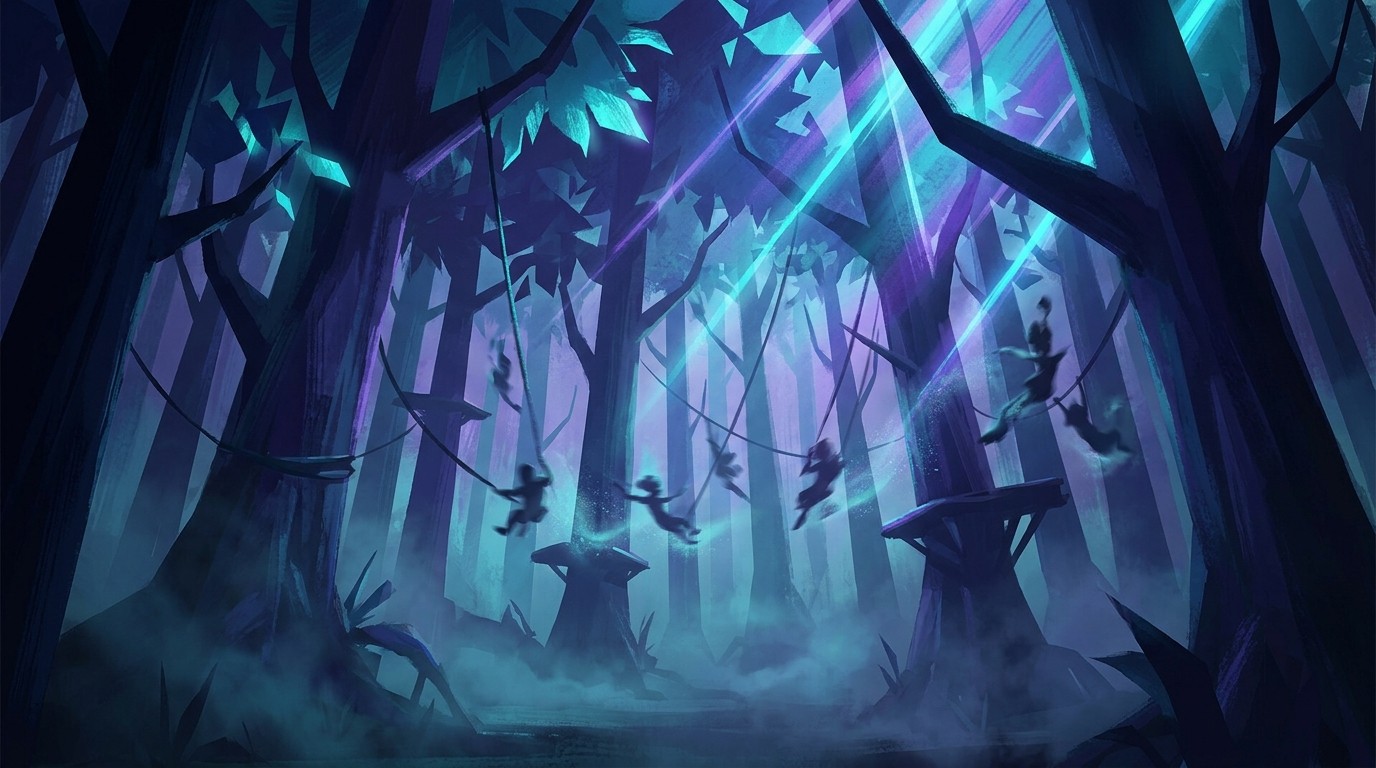
Gorilla Tag is the year’s purest viral hit, and it has almost no game in the traditional sense. You move by swinging your arms, no sticks, no teleport, and chase or flee other players as a fuzzy ape. That single physical rule created a phenomenon on Quest, especially among younger players, and the lobbies are busier than games with ten times the budget. There is no win condition and no progression, just movement and the chaos of a pack of strangers. I would have dismissed it as a toy if it were not so relentlessly fun, and its success told the industry something it keeps forgetting: VR’s killer feature is the body, not the graphics. The most-played VR game of 2021 might also be the least conventional.
Read the full Gorilla Tag review
#9: Risk of Rain 2
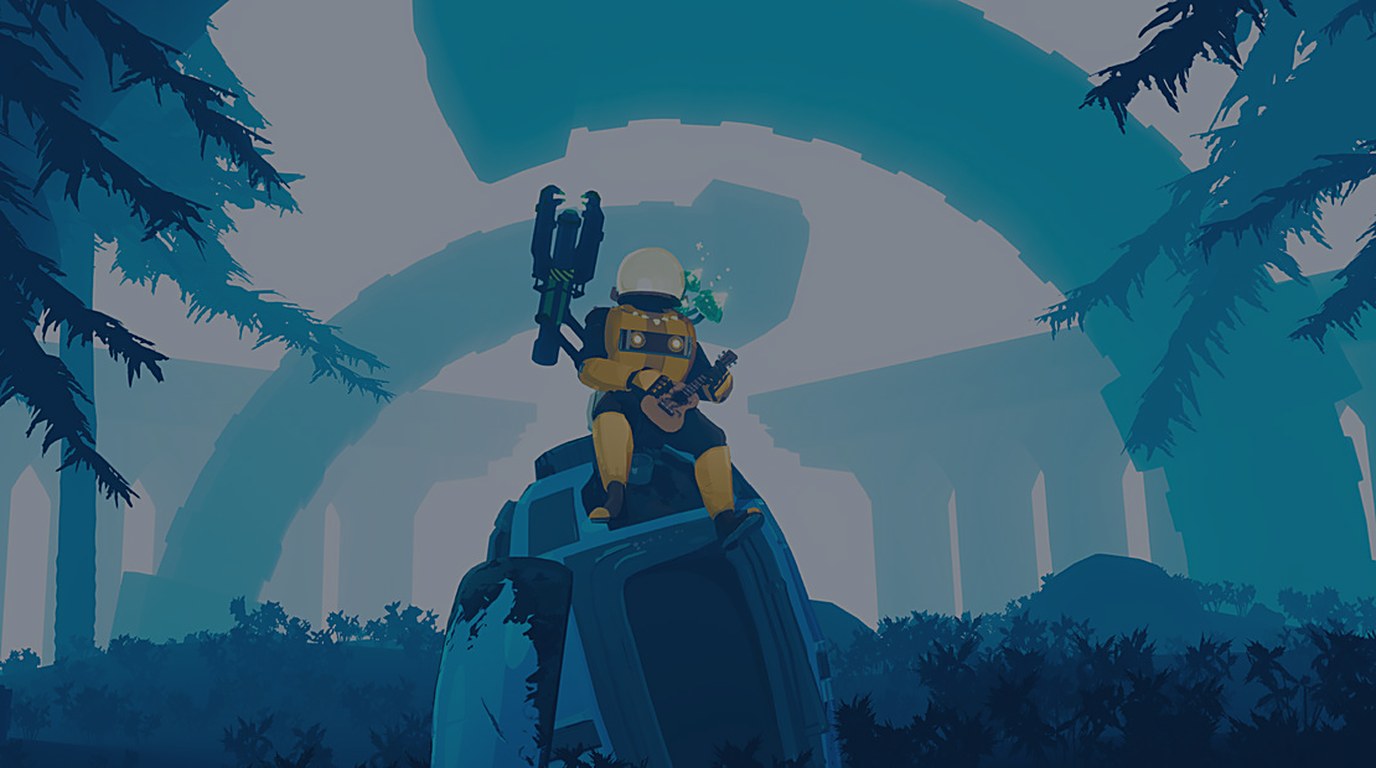
The Risk of Rain 2 VR mod took one of the best roguelikes of 2020 and made it playable in a headset with full motion controls, and the loop survives the transition beautifully. Short runs, escalating enemy counts, and the constant tension of “should I grab one more item” all land harder when you are standing in the middle of the firefight. Co-op works, so you and a friend can watch screen-space chaos become actual spatial awareness. The mod is not flawless, some UI elements assume a flat screen, but the core feel is there. For players who wanted a loot-driven shooter that respects their time in VR, this was the answer in 2021, and it pulled a lot of borderline VR skeptics into headsets for good.
Read the full Risk of Rain 2 review
#8: Valheim
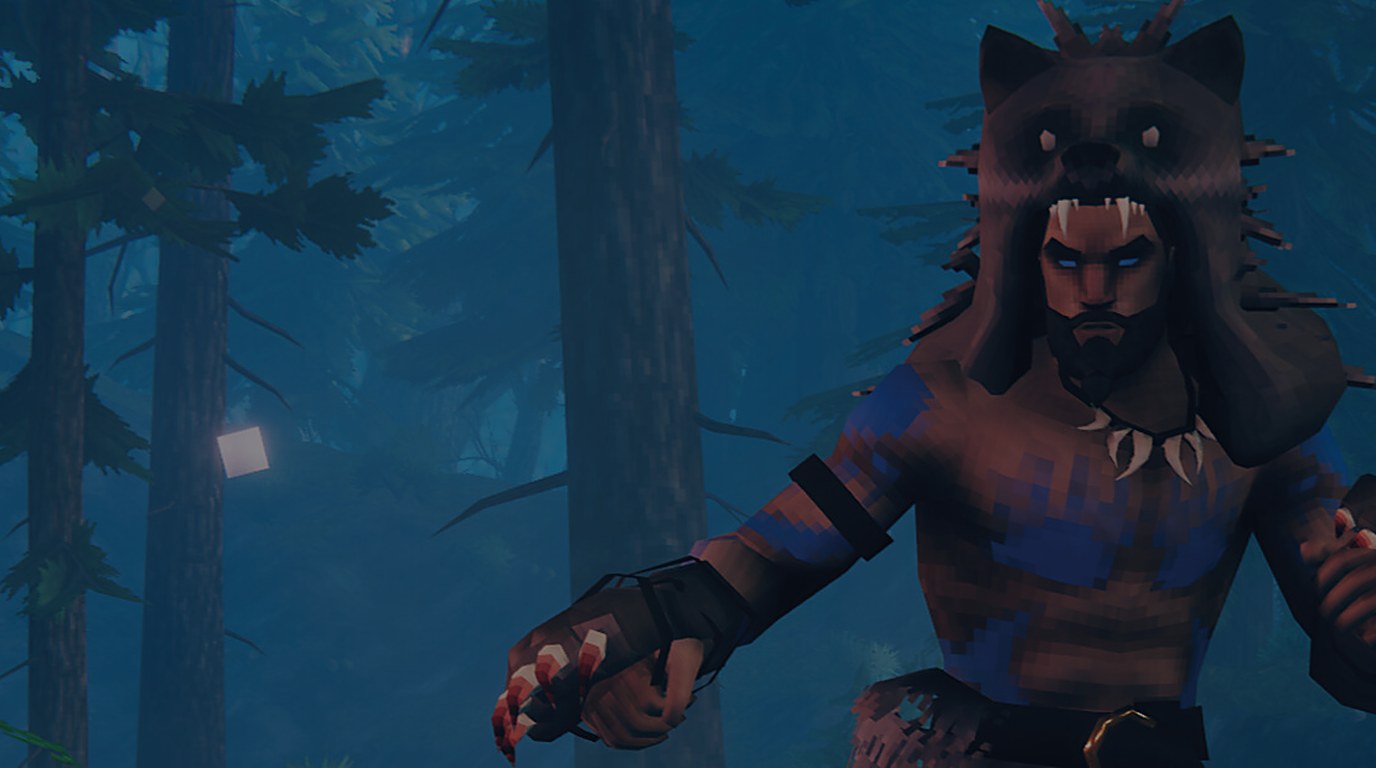
Valheim launched in February and became a cultural event, and the VR mods that followed let you build that Viking world with your own hands. Chopping trees, raising a longhouse, and sailing a longship feel different when the axe is in your grip and the ocean stretches to the horizon in real depth. Performance was the fight: Valheim was never light on a flat screen, and VR roughly doubles the cost, so a strong GPU was mandatory. But the loop holds up. Few things in VR matched the quiet satisfaction of hauling timber back to a base you assembled plank by plank, then heading into the black forest as night fell. One of 2021’s biggest games, full stop, not just in VR. Its place here is the reminder that the year’s defining VR moments were not all built for headsets.
#7: I Expect You to Die 2

Schell Games picked up where the 2017 original left off, and the sequel is sharper in every way that matters. You are a spy trapped in a series of elaborately engineered death traps, and the joy is in the physics: smashing a panel with a throwing knife, gulping a martini to steady your nerves, improvising a solution when the obvious one fails. The writing is funny without reaching for it, and the puzzles reward actual looking rather than pattern matching. It is short, a few focused missions, and some players will finish in an evening, but every minute is polished. The Verge called it the most fun they had solving puzzles all year, and I get why. For showing how good a VR-native puzzle game can feel when the studio respects the medium, it belongs firmly in the top ten.
Read the full I Expect You to Die 2 review
#6: Song in the Smoke
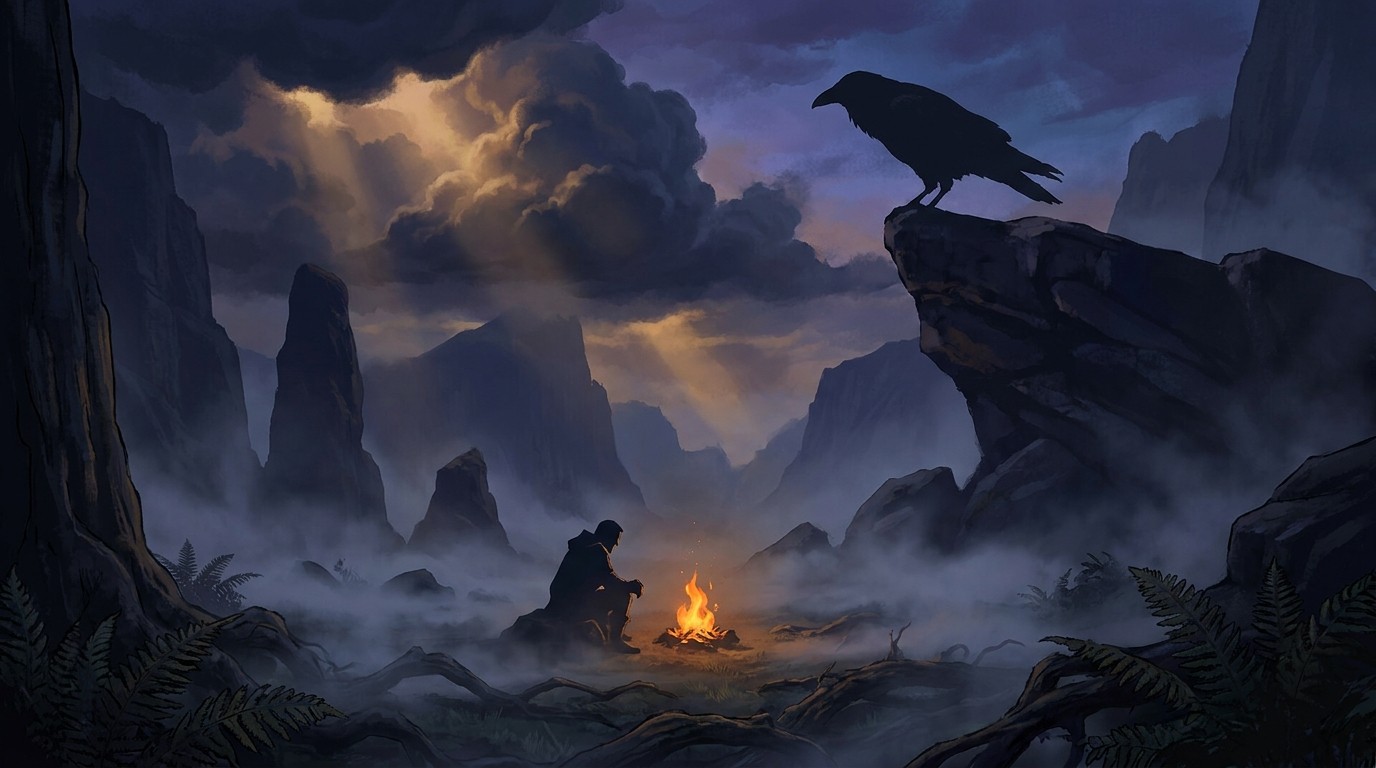
17-BIT’s prehistoric survival game is the year’s best argument that VR crafting does not need a menu. You actually shape tools, string a bow, and pile stones with your hands, and the physical act of making something carries the loop. Surviving means reading the land: tracking animals, managing cold and hunger, and learning which predator owns which valley. The stylized art gives it a majesty that photoreal survival games miss, and it runs across Quest, PCVR, and PSVR without losing its identity. The systems are not as deep as a flat survival giant, so the late game thins out. But the first hours, building your first shelter as snow sets in, are among the most satisfying VR offered in 2021. A confident, atmospheric take on a crowded genre.
Read the full Song in the Smoke review
#5: Red Dead Redemption 2

Luke Ross’s mod put the most beautiful open world of the generation on display in a headset, and the result stopped people mid-sentence. You ride through Big Valley with the mountains actually surrounding you, and the stereoscopic depth makes Rockstar’s world feel lived-in rather than rendered. Like the rest of Ross’s 2021 wave, there are no motion controls; you steer a floating camera with head tracking, and the performance demands are severe. A high-end GPU is the price of admission. But for a game this large, even passive presence is staggering, and the coverage from Kotaku, VG247, and others showed mainstream outlets taking VR mods seriously for the first time. As a headline moment for the flat-to-VR movement, RDR2’s conversion was the year’s loudest statement.
Read the full Red Dead Redemption 2 review
#4: Demeo

Demeo is the rare VR game that understands social presence is the feature, not the graphics. Resolution Games built a digital tabletop where up to four players roll dice, draw cards, and move miniatures in a dungeon crawl, and the act of sitting around that table with friends feels uncannily like the real thing. Cross-play means a Quest player and a PCVR player share the same board. The campaigns, starting with the base crawl and later Roots of Evil, give the loop real structure, and the tactics reward planning without drowning you in rules. It is not a deep simulation, but it does not need to be. For proving VR’s strength is people in a room together, even a virtual one, Demeo is the year’s most quietly important release, and the one I kept coming back to.
#3: Lone Echo II
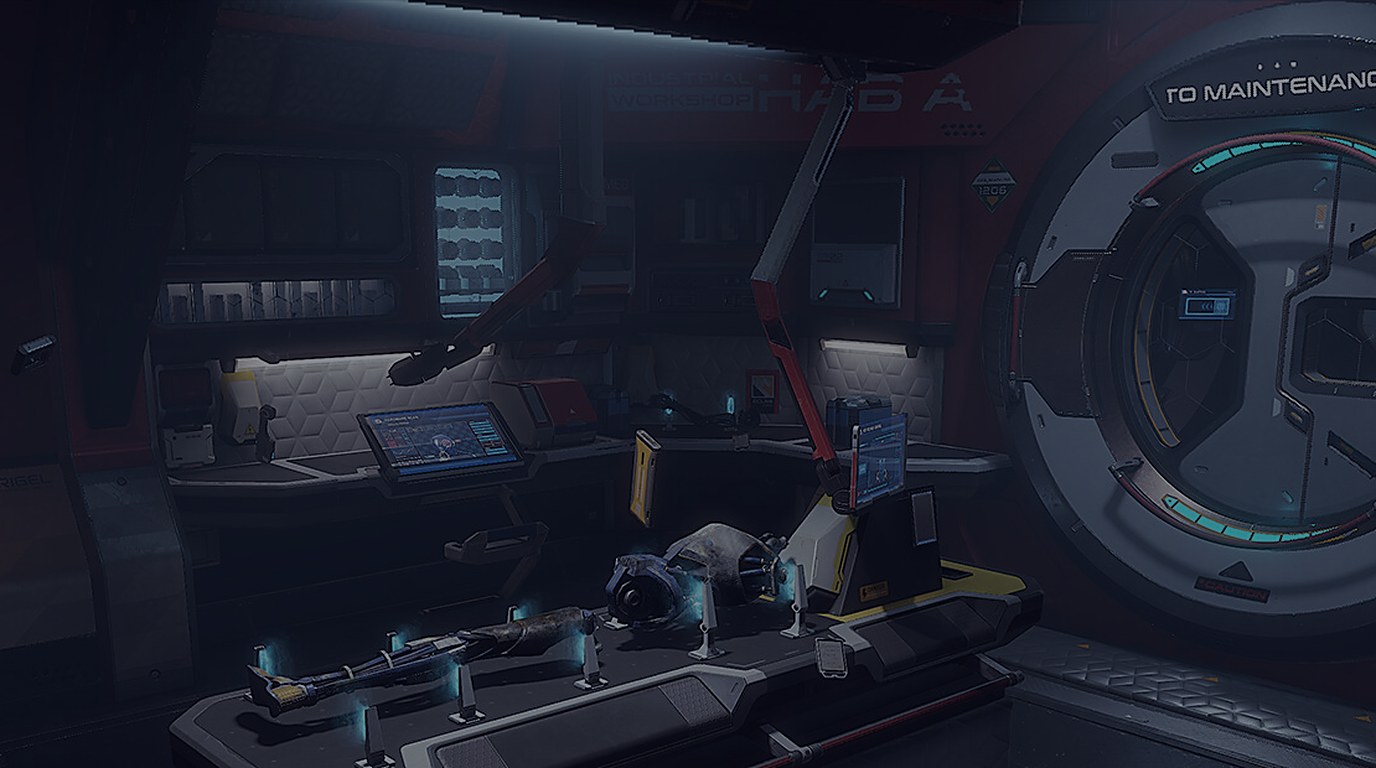
Ready at Dawn closed out Jack and Liv’s story with the most gorgeous zero-gravity environments VR has produced, and the final stretch through a falling station is genuinely beautiful. The sequel refines the first game’s magnetism-grip movement into something that still feels like nothing else: pushing off a wall and drifting through debris with your hands. The criticism is fair, the pacing is glacial and the story plays safe after such a long wait. But as a technical and artistic achievement on PCVR, it stands alone, and its October launch also marked the end of the Rift as a first-party platform. Lone Echo II is a swansong for an era of Oculus, and a reminder of how far native PCVR narrative can be pushed when a studio aims high.
Read the full Lone Echo II review
#2: Hitman World of Assassination VR
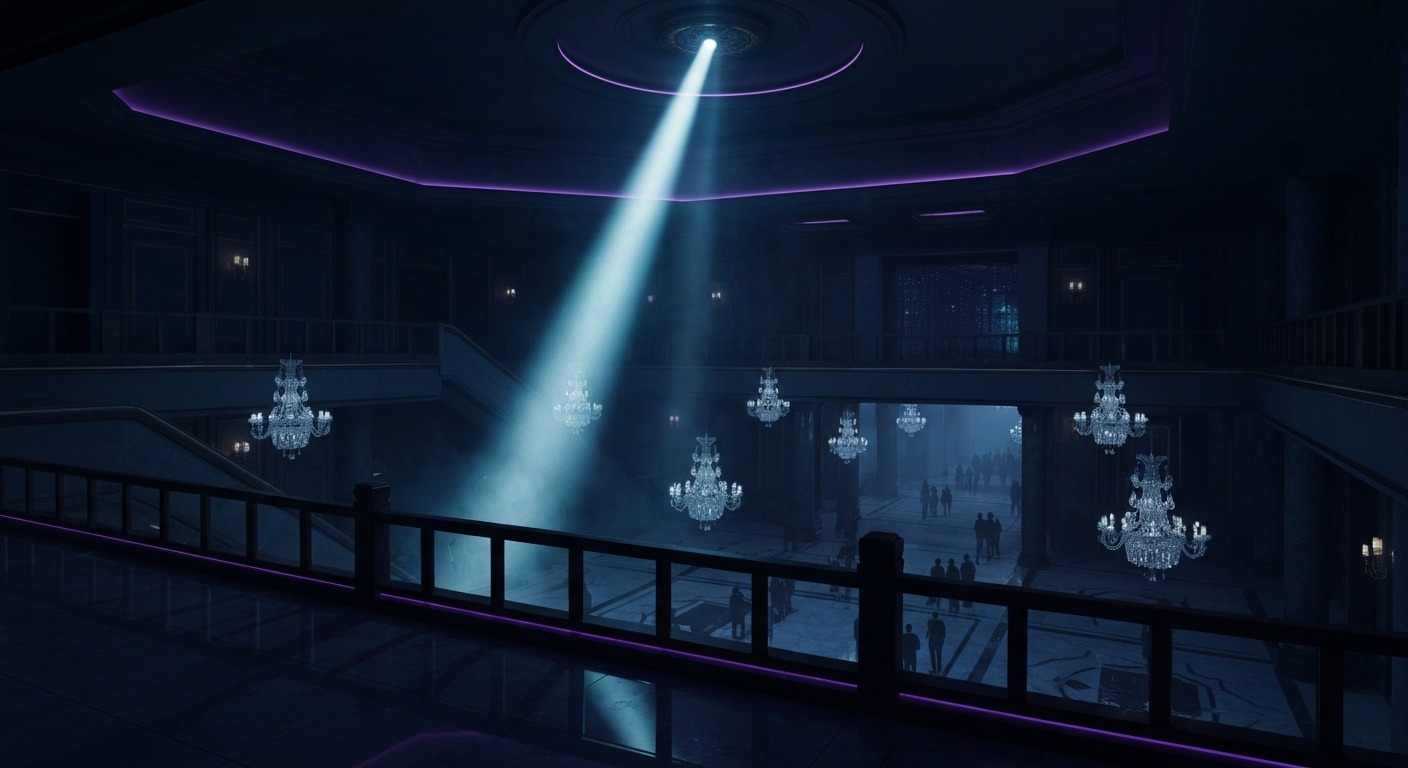
Hitman 3 launched with VR on PSVR and turned twenty-two dense sandbox levels into places you could stand inside. The fantasy is the appeal: walking a crowded Dubai tower, then physically snapping a target’s neck or shoving them off a ledge when no one is looking. IO Interactive built the whole 1-2-3 campaign to be playable headset-on, a scope no other VR stealth game attempts. The launch limits were real, Move controllers and no smooth locomotion at first, but the later PCVR version added full motion controls and fixed the biggest complaints. UploadVR called it a mostly clean kill, and they were right. For delivering a complete, official stealth sandbox in VR, Hitman is the year’s most ambitious hybrid and a blueprint for what studios should attempt next.
Read the full Hitman World of Assassination VR review
#1: Resident Evil 4 VR
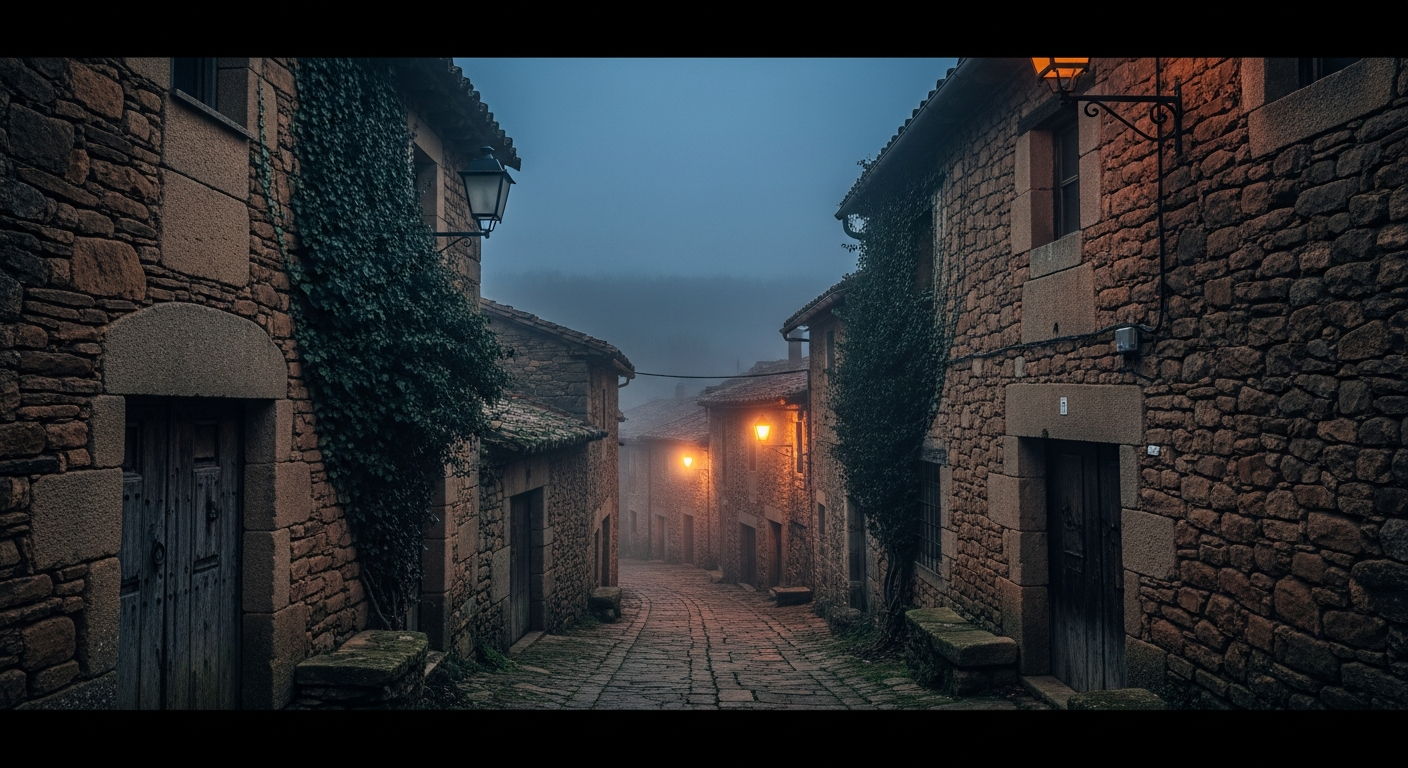
Armature Studio rebuilt Resident Evil 4 for Quest 2 from the ground up, and it is the conversion VR had been waiting for. Dual-wielding lets you fire a pistol while slashing with a knife, reloading is a physical motion, and the village siege that opens the game has never felt this close. Some content was trimmed, shortened cutscenes and a few trimmed areas, but the trade was worth it: a flat classic became a native VR shooter that respects the medium. Universal acclaim followed, and the later PCVR patches widened the audience. For proving a beloved game could be reborn in VR without losing its soul, RE4 is the year’s definitive release. It set a bar for what a conversion should be, and every studio eyeing the back catalog should be studying it.
Read the full Resident Evil 4 VR review
Honorable Mentions
These games didn’t crack the top 20, but they’re worth your time.
Ancient Dungeon — A VR dungeon crawler with procedurally generated levels and physical melee combat. Available on Quest App Lab and PCVR.
MechWarrior 5: Mercenaries — sicsix’s free MechWarriorVR mod put a real cockpit on a 2019 mech sim in September 2021, with working in-cockpit screens, a rebuilt HUD, and head-aim for the arm-mounted weapons. PCVR, gamepad or HOTAS.
Eye of the Temple — A first-person puzzle-adventure built for room-scale VR. You step onto physical platforms to traverse a temple. Quest and PCVR.
Zombieland Headshot Fever — An arcade zombie shooter based on the Zombieland franchise. PSVR and Quest.
A Township Tale — A medieval multiplayer sandbox RPG with VR-native crafting, building, and combat. Quest and PCVR.
Maskmaker — A puzzle adventure about crafting masks that transport you to different worlds. PSVR, Quest, and PCVR.
Resist — An open-world swinging action game with Spider-Man-like traversal. Quest exclusive.
Cosmodread — A roguelite survival horror set on a derelict space station. Quest and PCVR.
Puzzling Places — A photogrammetry 3D puzzle game that is relaxing and meditative. Quest and PSVR.
Swarm — A fast-paced arcade shooter with grapple mechanics. Quest and PCVR.
Against — A VR boxing game with roguelite elements. Quest.
Secrets of Retropolis — A noir detective adventure set in a retro-futuristic city. Quest.
Carve Snowboarding — A snowboarding game on Quest. Fun, but shallow.
Unplugged — An air guitar rhythm game on Quest. A novel concept with limited depth.
2021 was the year VR stopped asking for patience. The standouts were not demos or proofs of concept; they were full experiences you could hand to a skeptic. RE4 showed a classic could be reborn in a headset, Hitman proved official studios would commit to a complete sandbox, and Gorilla Tag reminded everyone the medium’s best ideas still come from the body. The modders did as much as the studios. That mix, not any single release, is what made the year feel like a medium coming into its own.