
Top 20 VR Games of 2019
The year VR came into its own — from lightsaber-wielding Sith temples and ninja parkour to recursive lighthouses and the physics sandbox that changed everything. The twenty games that defined VR's coming-of-age.
2018 proved VR could be mainstream. 2019 proved it could be essential.
This was the year VR stopped being a curiosity and started being a category. Pistol Whip turned rhythm shooting into an art form. Asgard’s Wrath showed that full-length RPGs could work in a headset. Boneworks proved that physics-driven VR wasn’t a dream — it was a standard. And beneath the blockbusters, games like Ghost Giant, A Fisherman’s Tale, and Until You Fall were proving that VR’s real power isn’t spectacle — it’s intimacy, invention, and physicality.
This list ranks the twenty most significant VR games of 2019. Not just by quality, but by how much they moved the medium forward.
#20: Boneworks
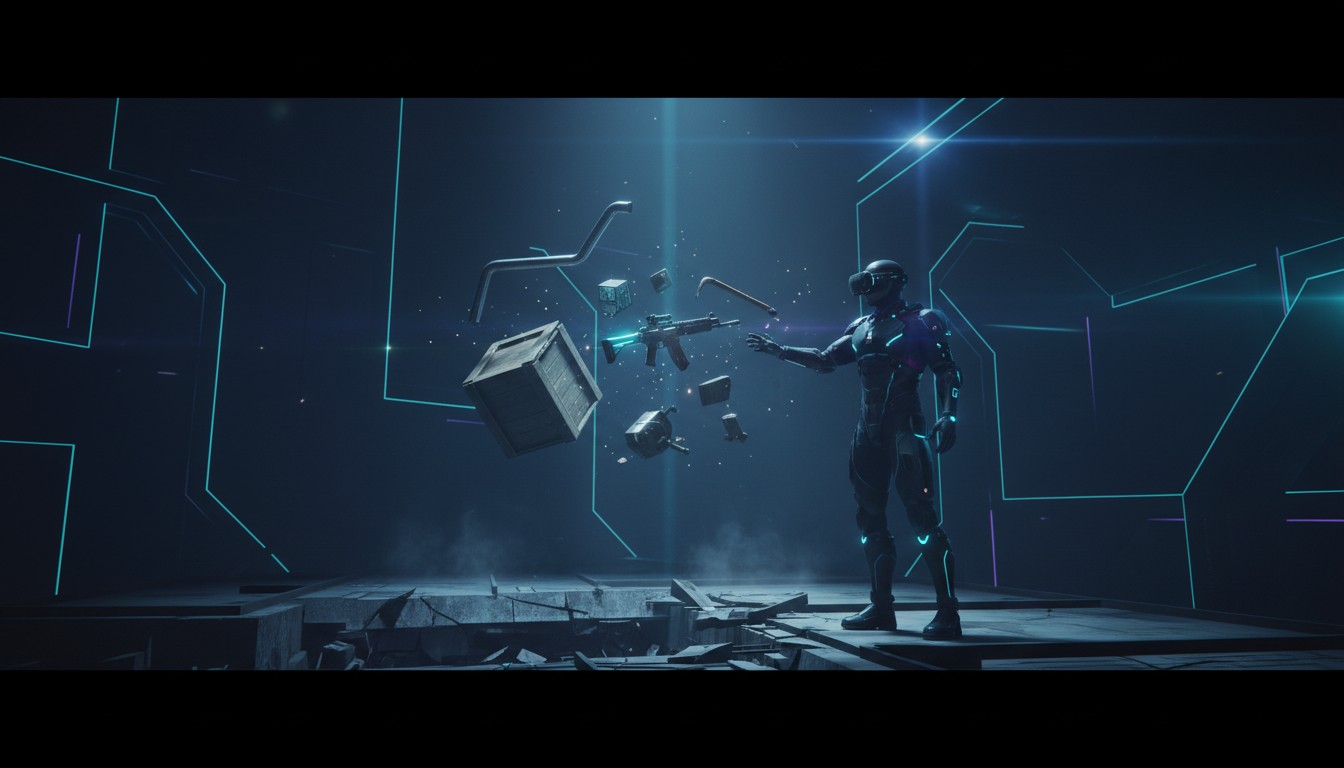
Stress Level Zero spent years promising a physics-driven VR sandbox where every object behaves like it should, and when Boneworks finally shipped, it delivered on that promise — mostly. The gunplay, melee, and environmental interaction are genuinely next-level. Crawling under desks, stacking crates, dual-wielding pistols while shoving enemies with your off-hand — it all works because the physics engine treats your virtual body with the same rules as everything else. The campaign itself is uneven, with pacing that drags and puzzles that feel more like physics exams than creative challenges. But as a proof of concept for what VR combat and interaction can become, Boneworks is unmatched. It raised the bar for every physics-driven game that follows.
Read the full Boneworks review
#19: Assetto Corsa Competizione
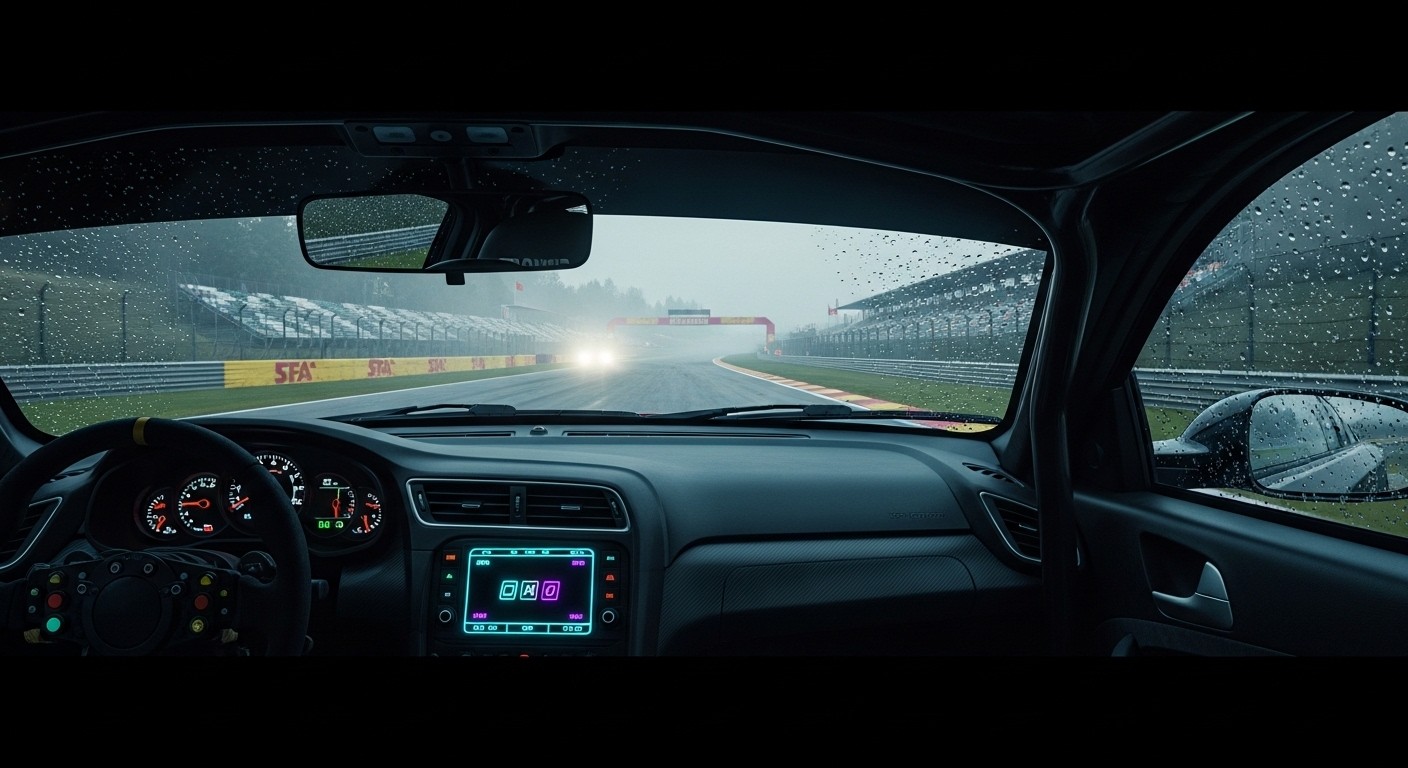
Sim racing in VR has always been technically possible but practically punishing. Assetto Corsa Competizione brought the GT World Challenge license and made the VR experience credible enough that sim racers started treating headsets as essential gear. The track detail, the cockpit presence, the sense of speed when you can actually look into the apex — these are things flat screens approximate but can’t replicate. The VR implementation demands a powerful GPU and has its rough edges, but for anyone serious about competitive sim racing, ACC in VR is where the hobby becomes something more visceral and more precise.
Read the full Assetto Corsa Competizione review
#18: Mario Kart (Dolphin)
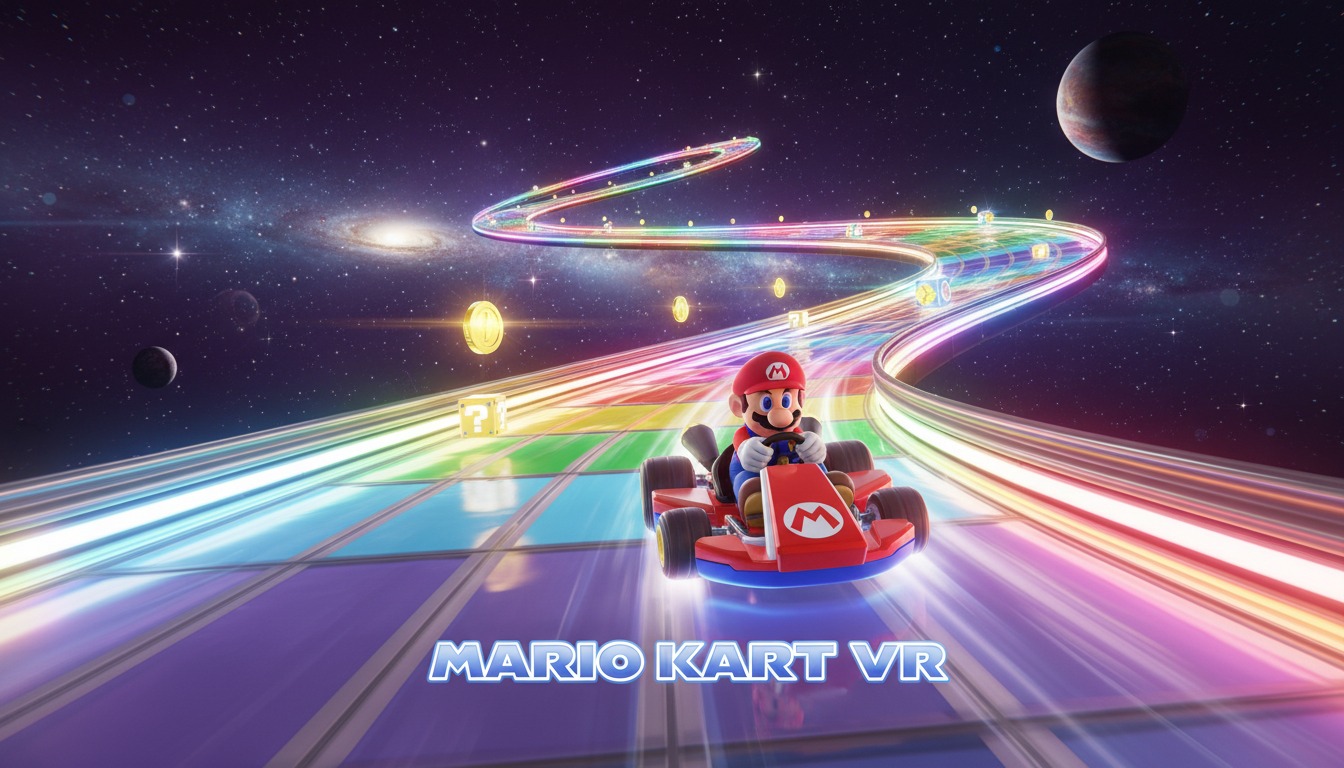
Nobody expected Mario Kart to work in VR. Through Dolphin VR, Mario Kart Wii and Double Dash become surprising delights — the chase camera behind the kart gives genuine depth perception, the sense of speed is amplified by head tracking, and Rainbow Road in stereoscopic 3D is the kind of experience that makes you laugh out loud. The UI floats awkwardly, motion sickness creeps in on sharp turns, and setup requires patience with emulator configuration. But the core racing — the drifting, the item chaos, the track design that defined a genre — translates to VR with an immediacy that flat screens can’t match. A cult favorite that earns every minute of setup frustration.
Read the full Mario Kart review
#17: Espire 1 VR Operative
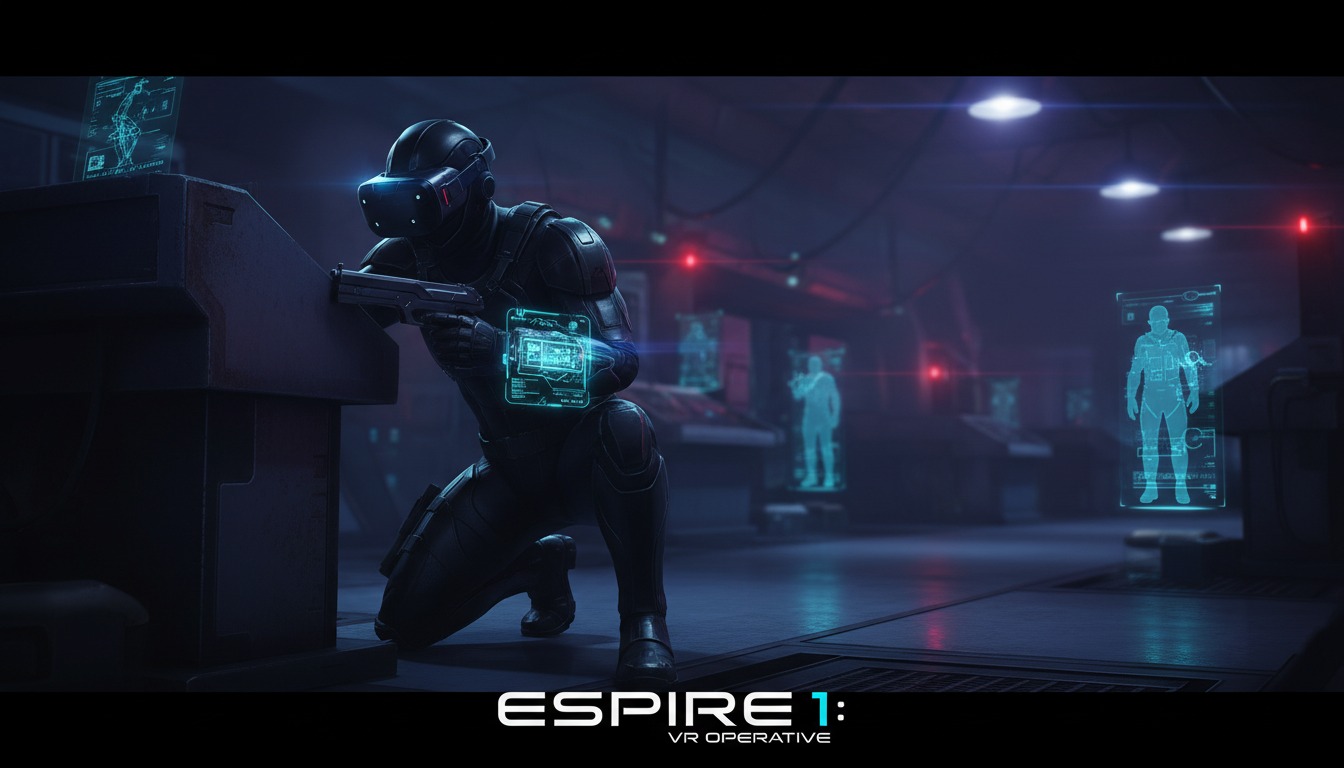
Espire 1 wanted to be VR’s Metal Gear Solid, and in its best moments, it gets close. The Espire Control system — a one-handed control scheme that frees your other hand for physical interactions — is a genuine innovation in VR locomotion. Crouching behind cover, physically leaning to peek around corners, and using voice commands to distract guards are the kind of interactions that only work in a headset. The problem is that the AI and performance can’t always keep up with the ambition. Guards behave inconsistently, frame drops break immersion at the worst moments, and the campaign doesn’t have enough variety to sustain its runtime. For VR stealth enthusiasts willing to tolerate jank, there’s gold here. For everyone else, it’s a promising prototype wearing a full-price suit.
Read the full Espire 1 VR Operative review
#16: Audica
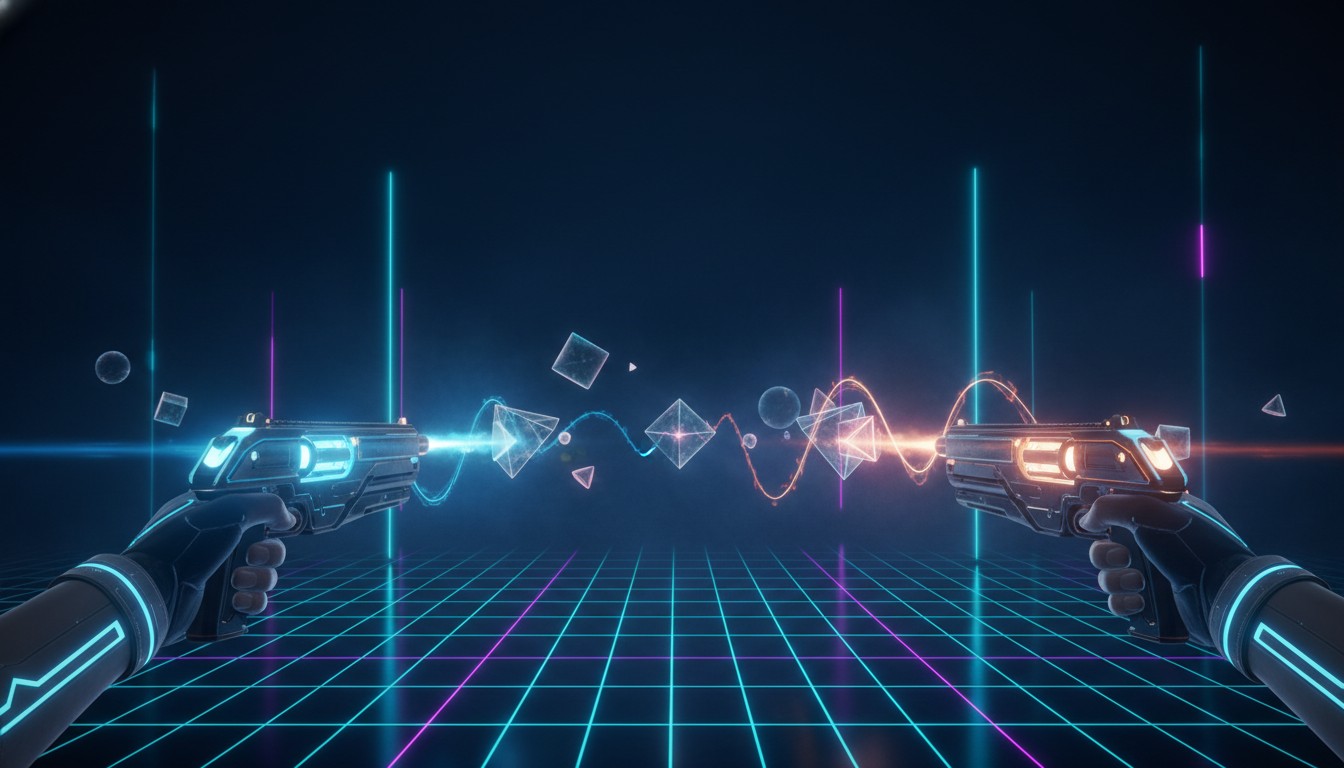
When the studio behind Guitar Hero and Rock Band turns its attention to VR, the result is Audica — a rhythm shooter where your guns are instruments and every target is a note. The mechanics are tight and satisfying: left and right targets come in on rhythmic cues, and hitting them on the beat builds your multiplier. The soundtrack skews EDM-heavy, and the tracklist is smaller than Beat Saber’s, but what’s there is curated with the precision you’d expect from Harmonix. The competitive scoring community keeps the replay value high for dedicated players. It never reached Beat Saber’s cultural saturation, but mechanically, it’s every bit as polished — just in a different genre.
#15: Sairento VR
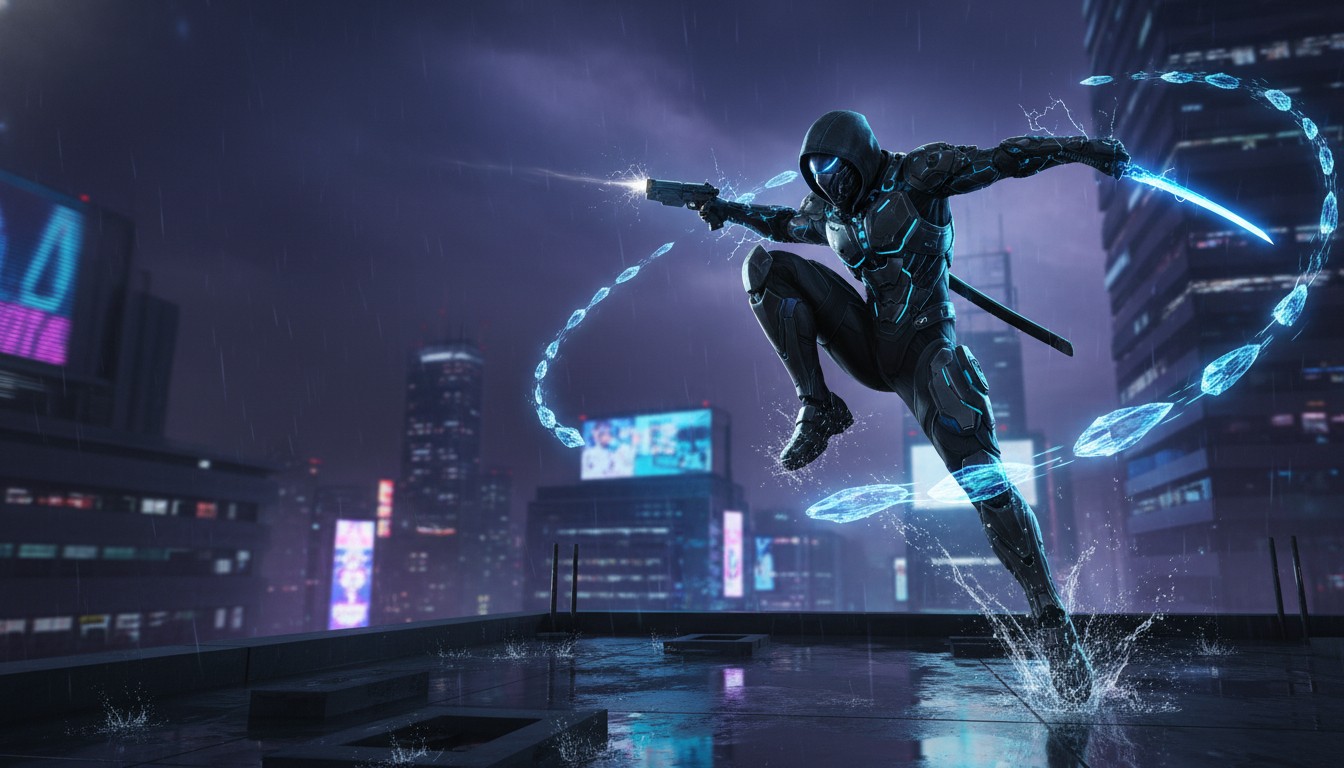
Sairento VR is what happens when someone asks “what if you could be a cyberpunk ninja?” and then actually builds it. Wall-running, bullet time, dual-wielding katanas and firearms, triple jumps — the mobility toolkit is staggering, and when it all clicks, you feel like the protagonist of an action movie that only exists because VR makes it possible. The roguelite structure provides reason to return, and the co-op multiplayer adds dimension. But Sairento demands VR legs. This is not a game for newcomers — the extreme movement will punish anyone without established tolerance. For players who can handle it, Sairento delivers an action experience flat screens simply cannot replicate.
Read the full Sairento VR review
#14: The Legend of Zelda: Ocarina of Time (Dolphin)
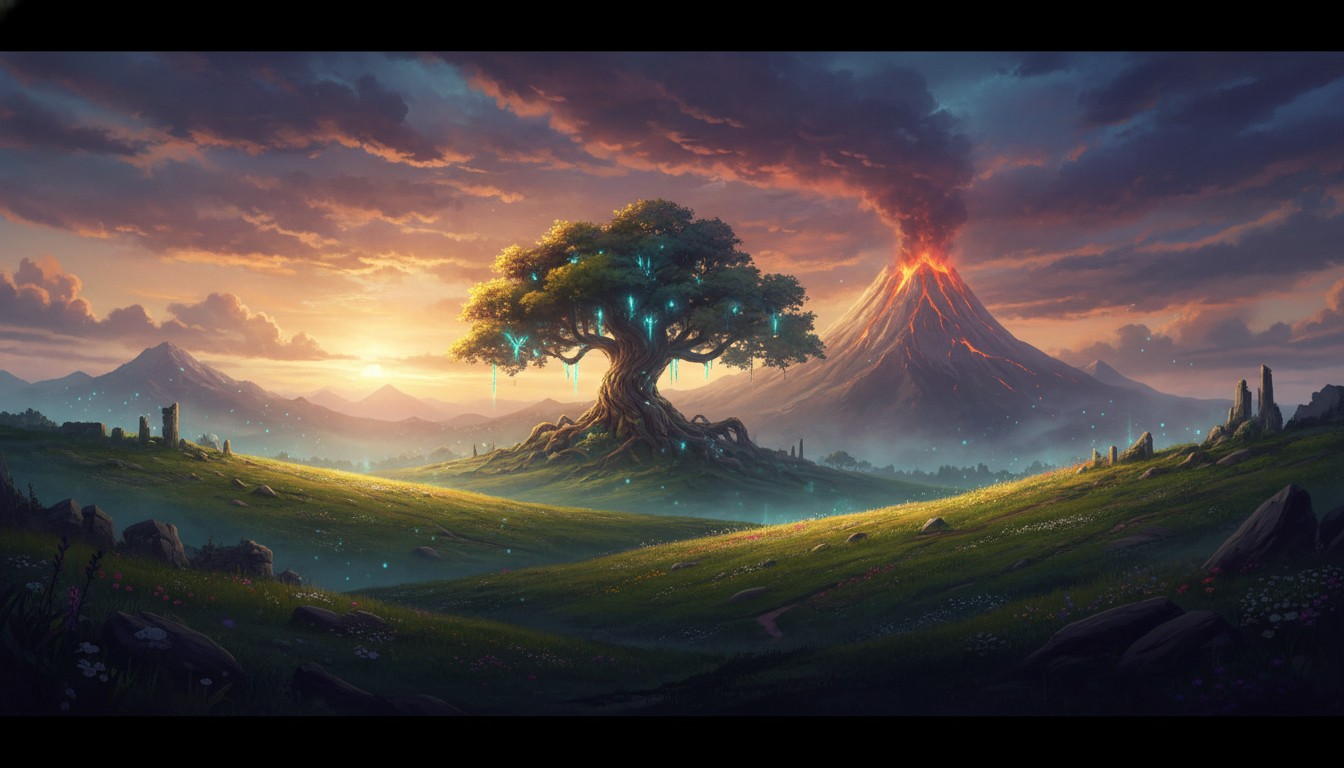
One of the greatest games ever made, experienced in stereoscopic 3D with head tracking. Through Dolphin VR, Ocarina of Time gains something flat screens can’t provide: a sense of place. Kokiri Forest feels like a real forest. Hyrule Field is vast in a way that a monitor simply cannot convey. Death Mountain looms. The trade-off is significant — N64-era textures look rough up close, the UI doesn’t scale well in 3D space, and third-person VR cameras are an acquired taste for the stomach. Setup is not trivial. But for anyone willing to configure an emulator and endure some jank, Ocarina of Time in VR is proof that great design transcends its original medium.
Read the full Zelda: Ocarina of Time review
#13: Ace Combat 7
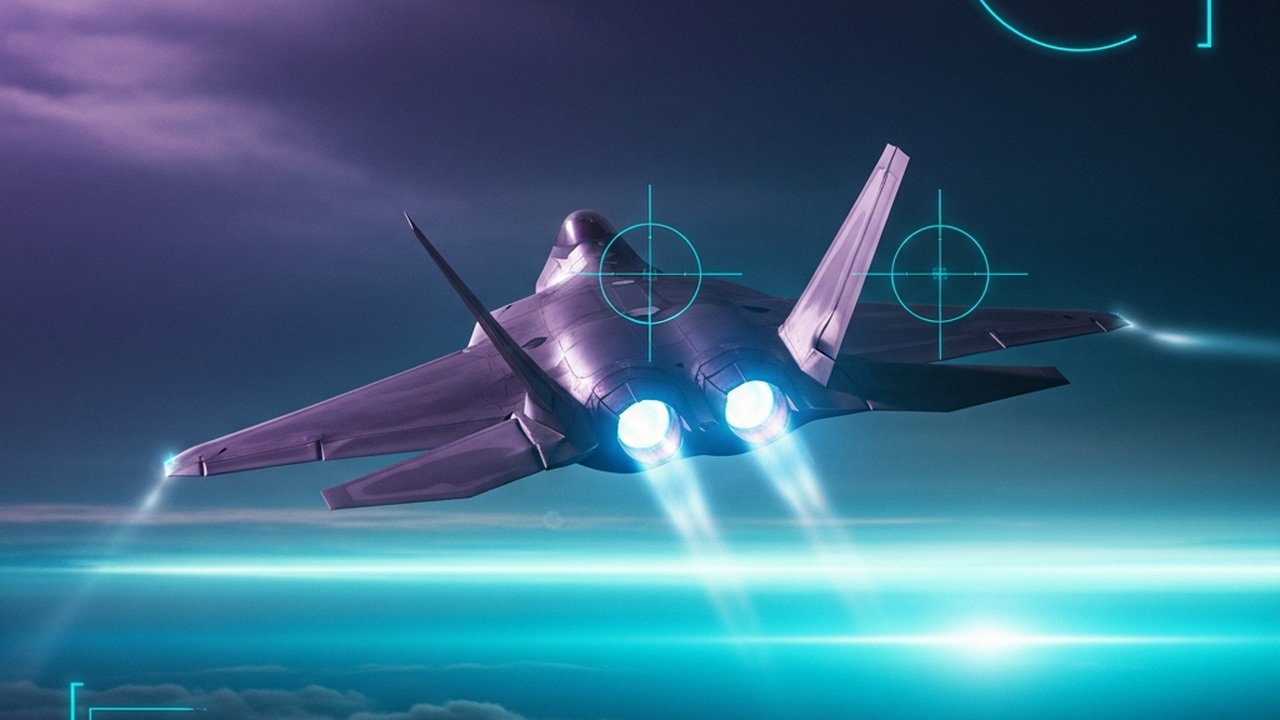
Ace Combat 7’s VR mode is frustratingly limited — just three missions and a free-flight sandbox — but those three missions showcase what dogfighting in VR should feel like. The cockpit presence, the spatial awareness when checking six o’clock, the visceral pull of high-G turns — it’s the most convincing argument for VR flight combat on the market. The flat game is a full-featured experience; the VR portion is a tease that leaves you wanting an entire campaign. But that tease is so good it earned a spot on this list. When the genre gets its VR breakthrough, it’ll trace the lineage back to these three missions.
Read the full Ace Combat 7 review
#12: A Fisherman’s Tale
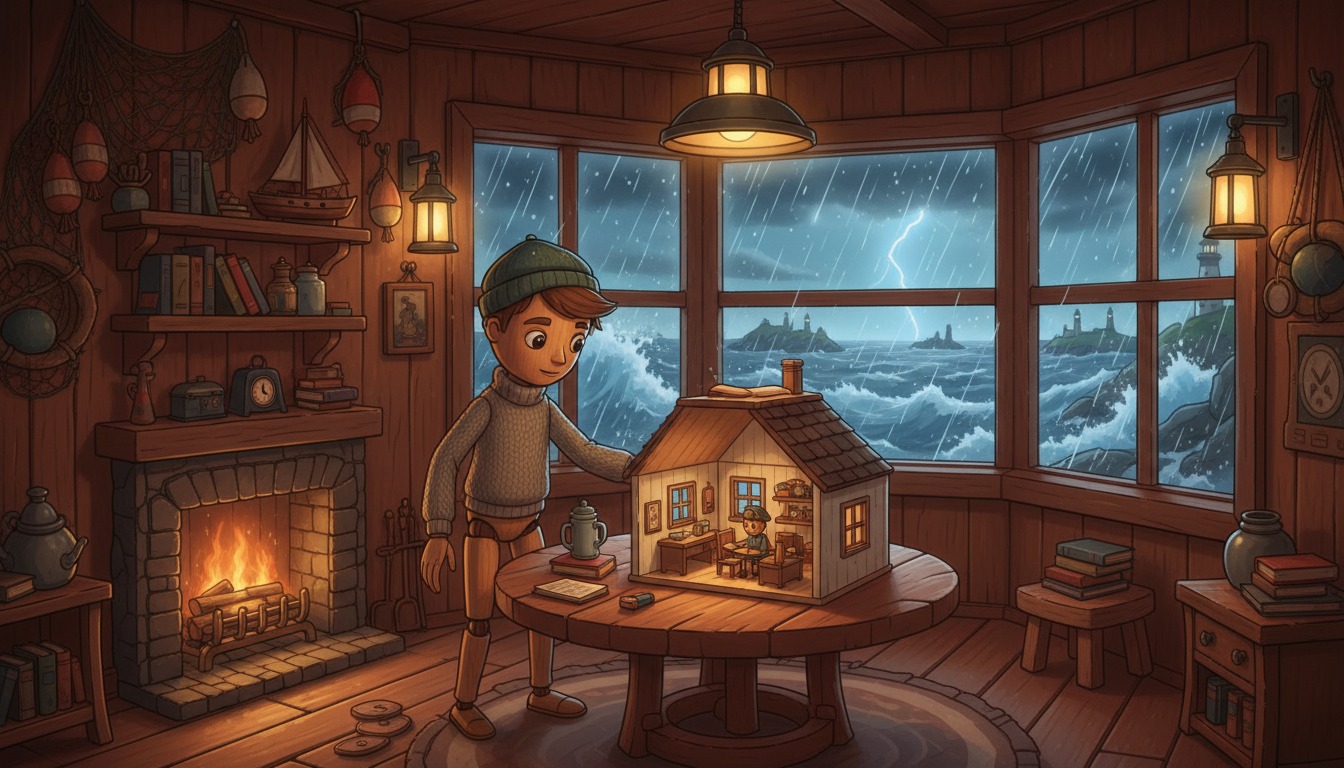
A Fisherman’s Tale is the kind of game that could only exist in VR. You play as a tiny fisherman inside a lighthouse, and inside the lighthouse is a model of the lighthouse, and inside that model is an even smaller version of yourself. The recursive puzzle design — manipulating objects across scales, passing items between nested realities — is the most inventive mechanical idea in VR in 2019. At two hours, it’s short. Some puzzles are more clever than satisfying. But the central concept is so perfectly suited to VR’s unique properties that it justifies the experience on its own. This is what VR game design looks like when someone starts from “what can only work in a headset?” instead of “how do we adapt this to VR?”
Read the full A Fisherman’s Tale review
#11: Until You Fall
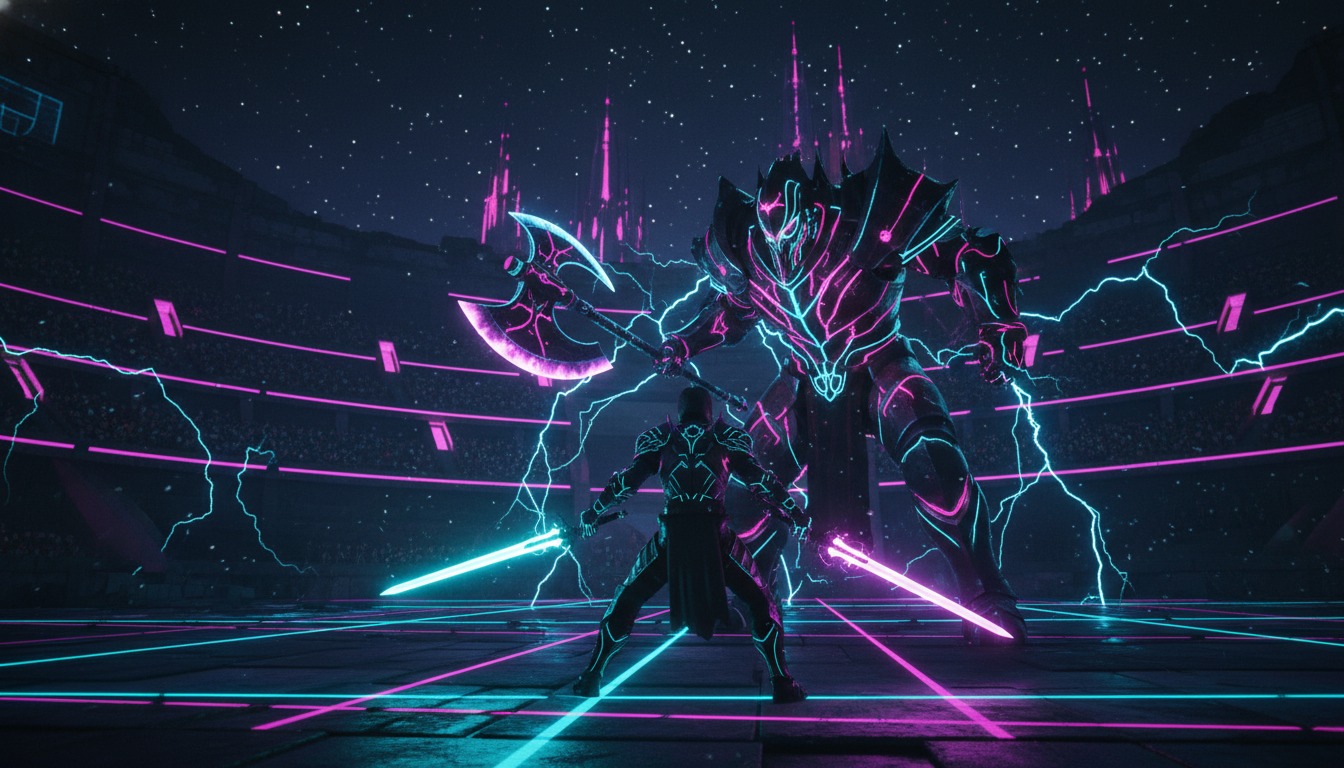
Until You Fall is the VR melee combat game that actually makes you earn every hit. Every swing, block, and dodge is physical — there’s no button to parry, no stick to dodge. You raise your arms to catch a greataxe on your blade, step sideways to avoid a horizontal sweep, and slash when the opening appears. The roguelite loop — die, upgrade, return — gives structure to what could be a combat sandbox, and the synthwave aesthetic gives it personality. It’s physically demanding in a way that filters out players looking for a seated experience, and enemy variety could be better. But for anyone with the space and stamina, Until You Fall delivers the most satisfying melee combat VR has achieved.
Read the full Until You Fall review
#10: Five Nights at Freddy’s VR: Help Wanted
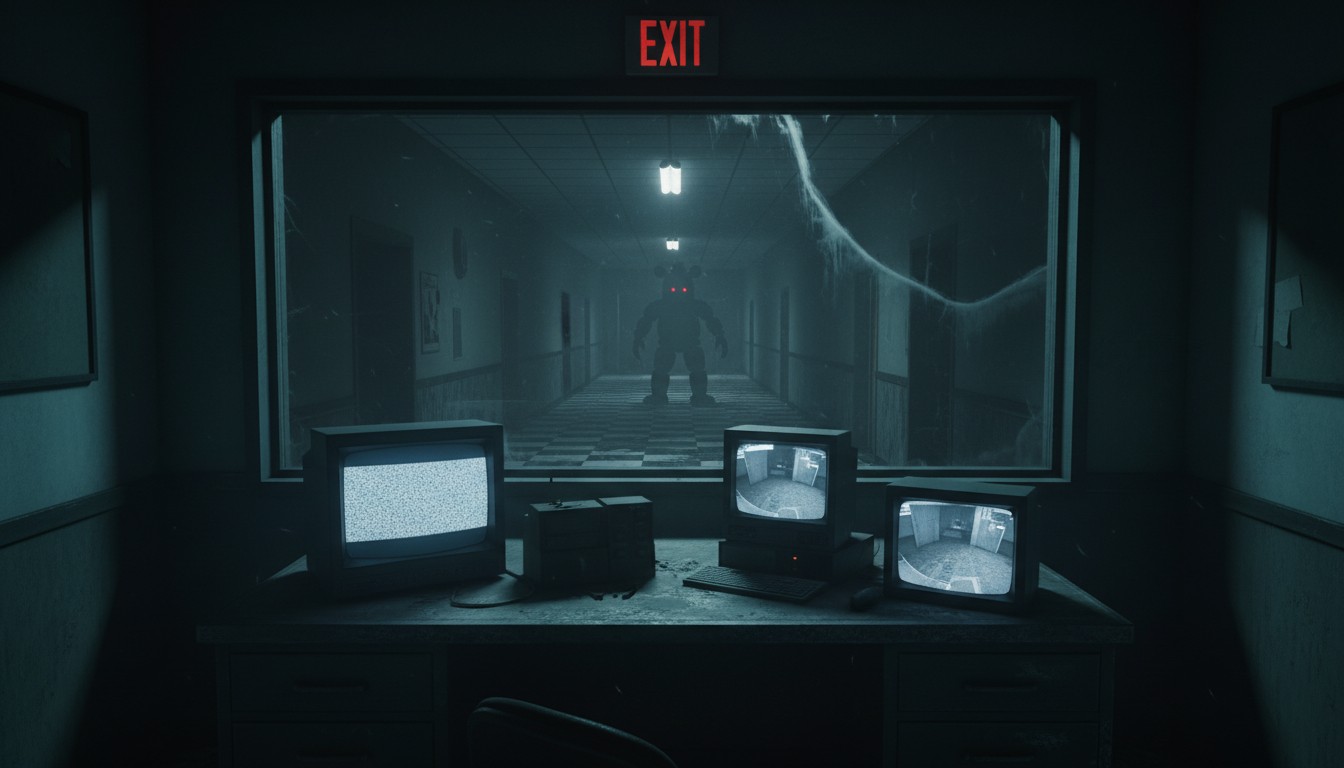
The FNAF franchise found its true home in VR. What was already terrifying on a monitor becomes genuinely unbearable in a headset — the animatronics are no longer on a screen; they’re in the room with you. Help Wanted collects and remasters the core FNAF experiences with proper VR interaction: physically reaching for doors, leaning to check cameras, and turning your head to track movement in your peripheral vision. The curated mini-game structure makes it more accessible than the mainline entries, and the VR-specific additions (including the Curse of Dreadbear DLC) justify the double-dip for existing fans. Horror in VR isn’t new, but FNAF VR is the most commercially successful proof that the genre gains more from presence than any other.
Read the full Five Nights at Freddy’s VR review
#9: Ghost Giant
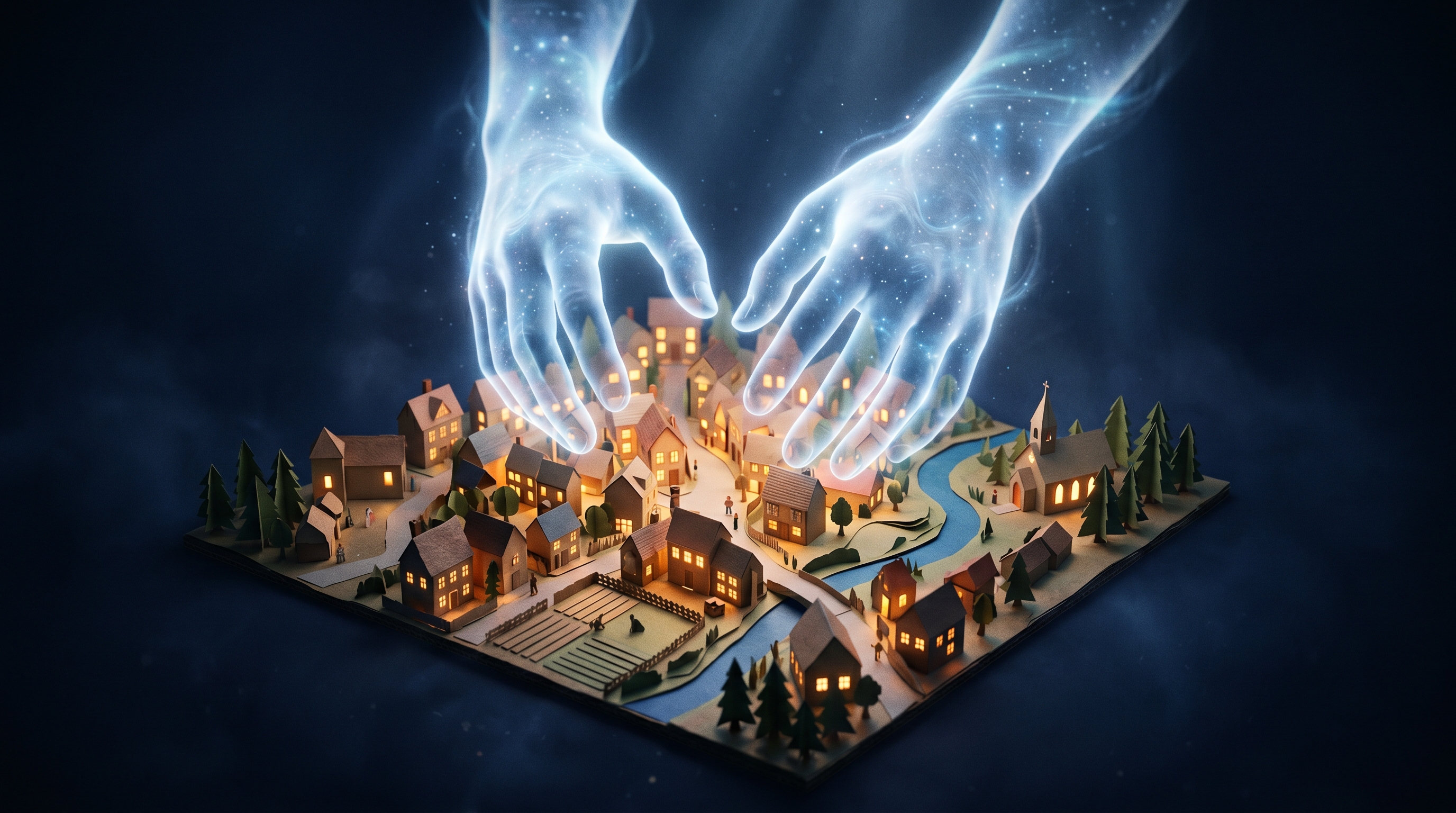
Ghost Giant asks you to reach into someone else’s loneliness and do something about it. You play as a towering, translucent spirit visible only to a young boy named Louis, and your job is to help him by physically interacting with his papercraft diorama world. The emotional bond the game builds between player and character is remarkable — not through cutscenes, but through the simple act of being present and caring. The puzzles are gentle, the four-hour runtime is just right, and the papercraft art direction is exactly the kind of visual design that benefits from VR’s sense of proximity. It joins Moss and Astro Bot as proof that VR can tell intimate, character-driven stories that flat screens can’t replicate.
Read the full Ghost Giant review
#8: Trover Saves the Universe
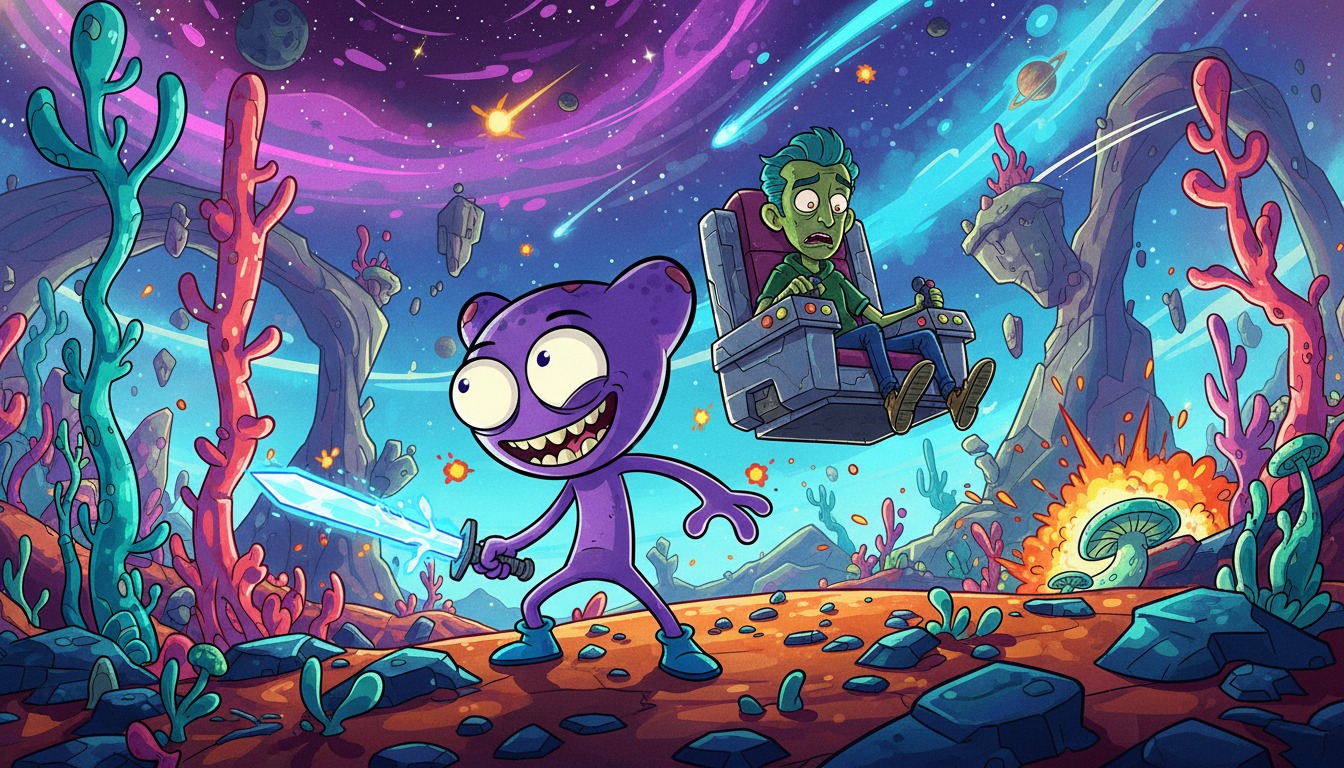
Justin Roiland brought his Rick and Morty-adjacent chaos to VR, and the result is the funniest game you can play in a headset. Trover’s brand of absurdist, fourth-wall-breaking comedy lands harder in VR because the characters are physically present in your space, staring at you, judging you, and refusing to shut up. The platforming is competent but basic — you’ll play for the jokes, not the mechanics. The VR perspective adds genuine comedy timing that flat screens can’t replicate: characters react to where you’re looking, and the spatial comedy of a tiny alien screaming at you from across the room is something no other medium delivers. Gamepad-preferred, which limits the VR interaction, but the writing more than compensates.
Read the full Trover Saves the Universe review
#7: Vader Immortal: A Star Wars VR Series
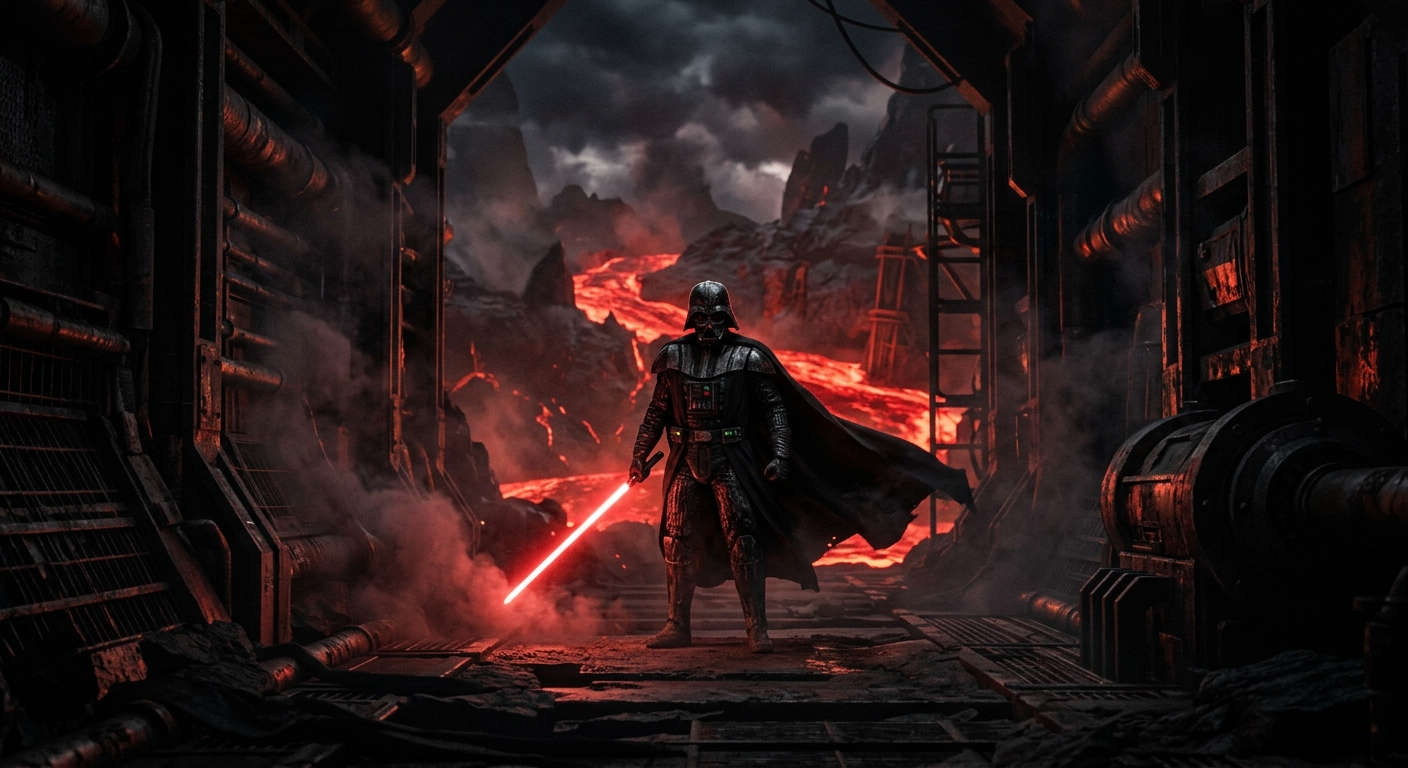
Standing face-to-face with Darth Vader in VR is an experience that transcends its medium. Vader Immortal is not a long game — Episode I runs roughly forty-five minutes — and the lightsaber dojo is arguably more replayable than the story. But ILMxLAB understood something fundamental: VR’s greatest asset is presence, and there’s no presence more commanding than a seven-foot Sith Lord bearing down on you. The lightsaber sections feel weighty and satisfying, the Mustafar environments are atmospheric, and the story, while thin, provides enough structure to justify the spectacle. A cinematic VR experience that knows exactly what it is and doesn’t overstay its welcome.
Read the full Vader Immortal review
#6: Metroid Prime (Dolphin)
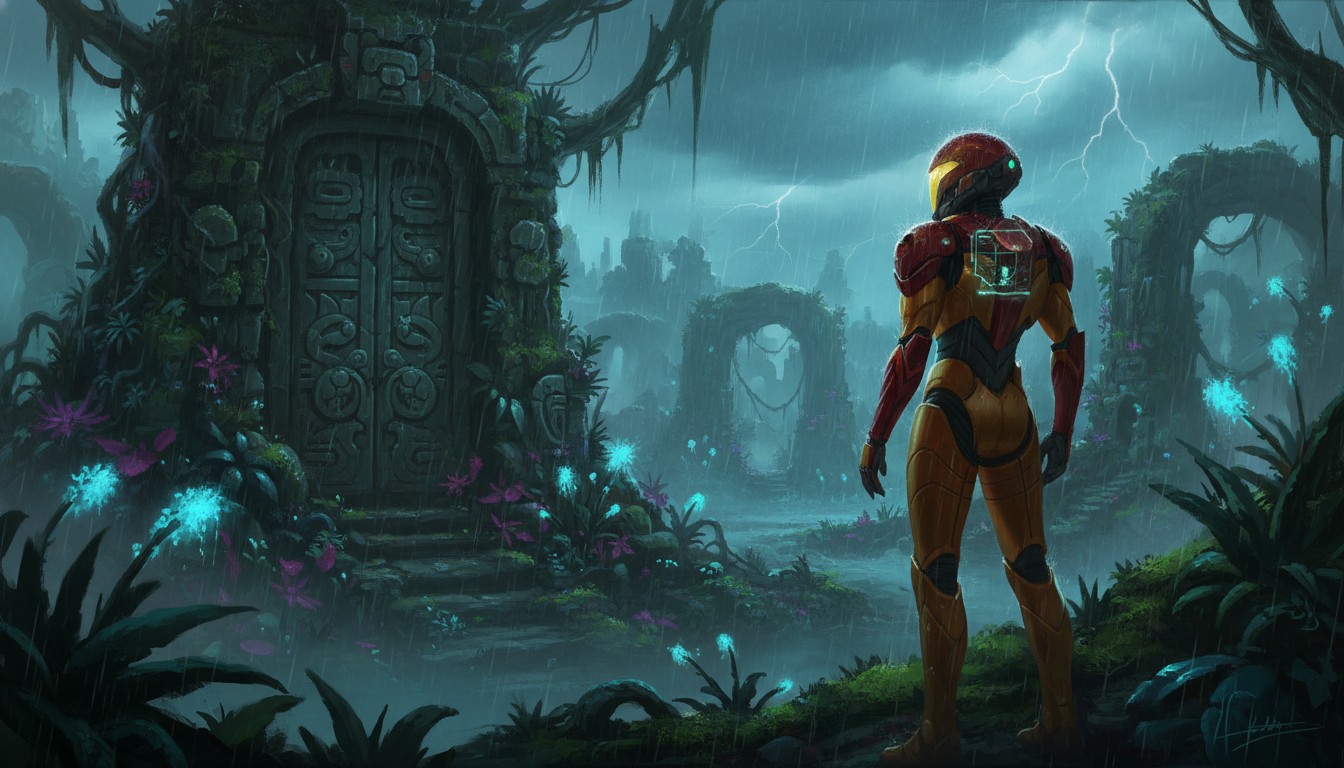
Metroid Prime was already one of the best first-person games ever made. In VR, it becomes something more — not because the game changes, but because you’re finally inside Tallon IV. The scan visor works better when you’re physically turning your head to examine artifacts. The sense of isolation in the Phendrana Drifts hits different when you can look around and see the ice formations surrounding you. The emulator route means setup demands and comfort caveats apply — this is not a native VR experience. But for anyone willing to configure Dolphin VR and accept the rough edges, Metroid Prime in VR is one of the most compelling arguments for emulator-based VR gaming.
Read the full Metroid Prime review
#5: Stormland
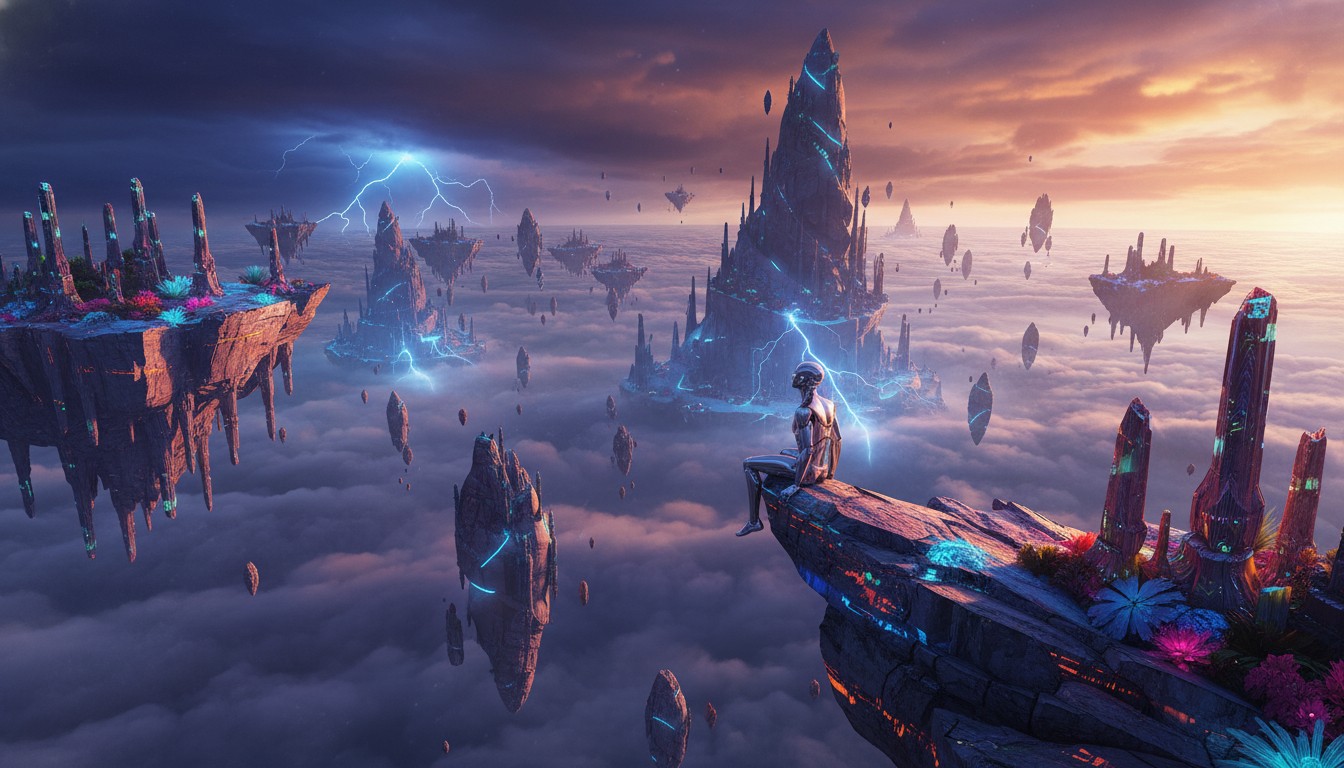
Insomniac built the VR open world that proved the concept works. Stormland’s climbing, gliding, and wall-running give you a locomotion toolkit that makes exploration feel genuinely free — the kind of movement that makes you stop to look at the view, then remember you have enemies to fight. The cyclical respawning world structure keeps the campaign fresh, and the co-op multiplayer adds urgency and chaos. The story is forgettable, enemy variety thins in the later hours, and the gameplay loop doesn’t have quite enough depth to sustain indefinitely. But as a proof that open-world VR can feel liberating instead of claustrophobic, Stormland is essential.
Read the full Stormland review
#4: Blood and Truth
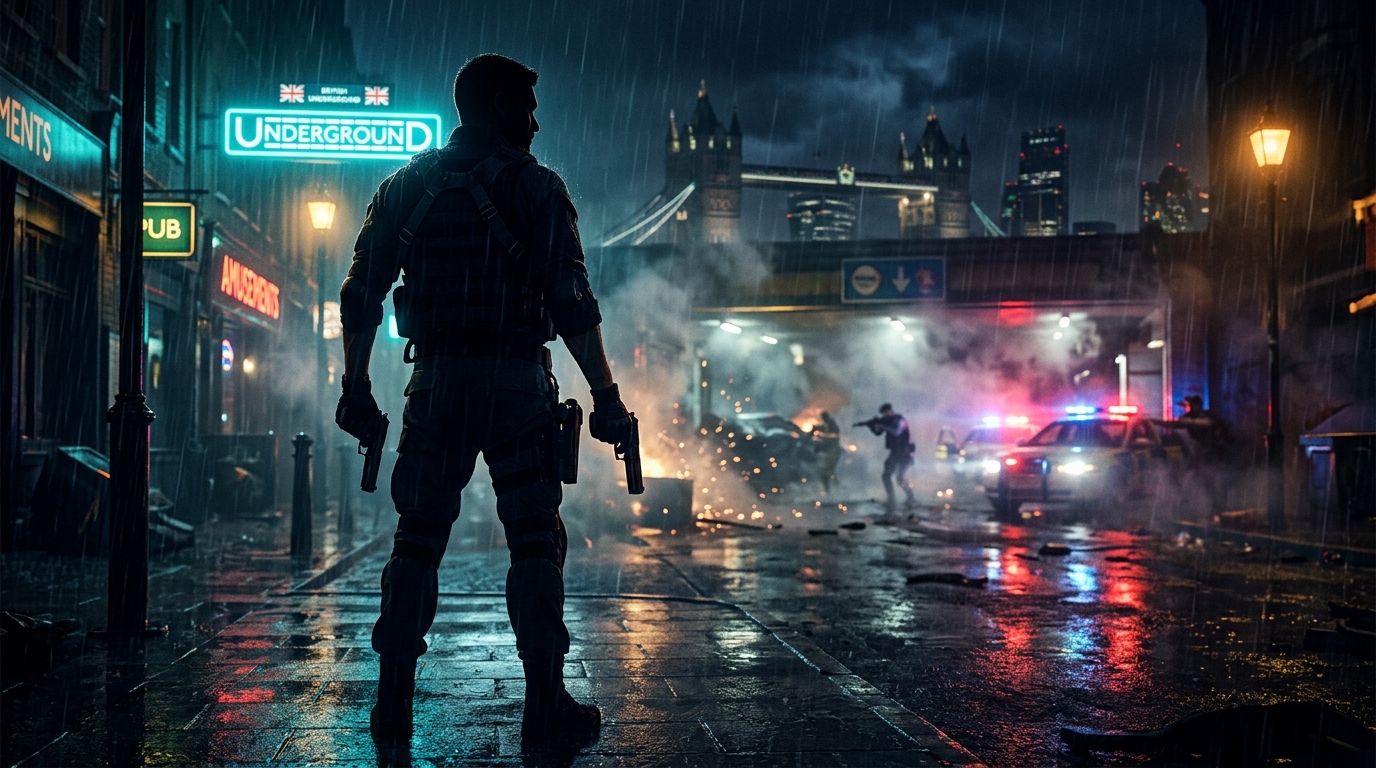
Sony London’s PSVR blockbuster is the most cinematic VR game of 2019. Blood and Truth takes the cover-shooting, set-piece-driven structure of a London gangster film and makes it work in a headset through confident art direction, bombastic set pieces, and some of the best VR gunplay on the platform. The reloading, the ducking behind cover, the physical act of pulling a pin from a grenade — these interactions are simple but effective, and the game strings them together with the pacing of a confident action director. It’s short, it’s linear, and it’s more ride than sandbox. But the ride is good enough that you won’t mind the rails.
Read the full Blood and Truth review
#3: No Man’s Sky

The redemption arc continues. No Man’s Sky’s VR mode, added in the Beyond update, turns the entire universe into a first-person experience — walking on alien planets, flying your starship with virtual hands, and building bases with physical reach. When it works, it’s the most ambitious VR experience on the market. The problem is that it doesn’t always work. Performance can be rough, the interface wasn’t designed for VR hands, and the procedural generation that makes the universe vast also makes it repetitive. But the highs — cresting a hill and seeing an alien ocean stretch to the horizon, all around you, in VR — are unmatched. Recommended with caveats, but the caveats are worth pushing through.
Read the full No Man’s Sky review
#2: Pistol Whip
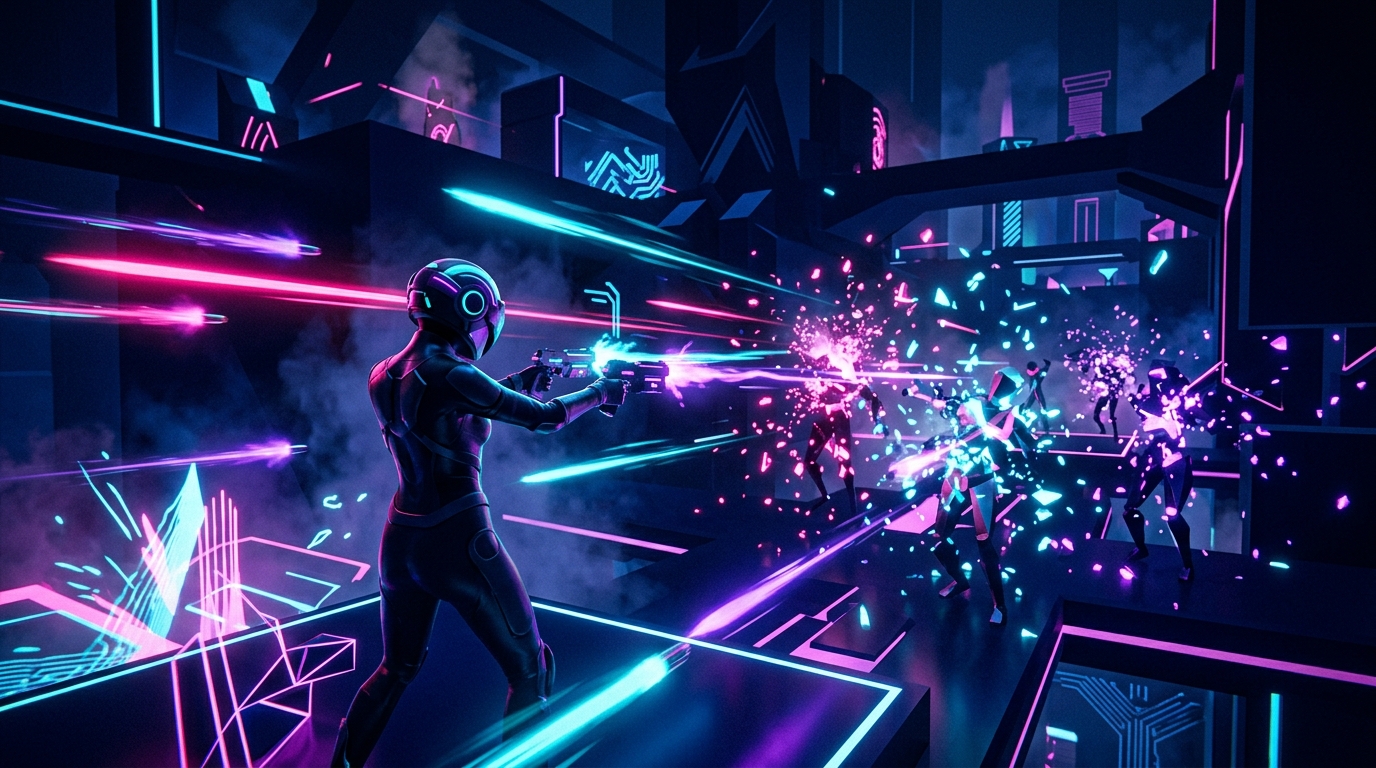
Pistol Whip is the rare VR game that needs no caveats. It’s a rhythm-shooter where you physically dodge bullets, punch enemies, and fire on the beat through a series of increasingly intense scenarios. The DICE Award for Best VR Game wasn’t charity — it was recognition that Cloudhead Games built something that couldn’t exist outside a headset. Every dodge is your dodge. Every shot is your timing. The campaign provides structure, the modifiers provide challenge, and the constant updates (including new scenes and mechanics throughout 2019) kept the community engaged. If you need one game to justify owning a VR headset in 2019, this is the one.
Read the full Pistol Whip review
#1: Asgard’s Wrath
The VR game that proved you don’t have to compromise. Asgard’s Wrath is a full-length action RPG — not a VR-length RPG, not a VR-abbreviated RPG, but a genuine 30+ hour campaign with Norse mythology, multiple playable characters, body possession mechanics, and combat that evolves from simple sword swings to complex ability combinations. Sanzaru Games didn’t make a “good for VR” RPG. They made an RPG that happens to be in VR, and it’s better for it. The sense of scale — towering over mortals as a god, then shrinking down to their level — is something that only works in a headset. The combat has real weight. The puzzles are clever. The story goes places. Asgard’s Wrath is the game that made the case that VR doesn’t need its own category — it just needs developers willing to build something this complete.
Read the full Asgard’s Wrath review
The 2019 list was compiled based on quality, VR-specific innovation, cultural impact, and lasting significance. Games were evaluated on their VR merits — not their flat-screen reputation. Emulator entries are included when the VR experience meaningfully transforms the original game. For more on how we evaluate VR games, see our review methodology.