
PlayStation VR2 Review: The Headset That Split the PS5 VR Crowd
Sony's PSVR2 is the best console VR headset ever built and the most divisive. Here's my take on why it split the PS5 crowd on day one — and who should actually buy it.
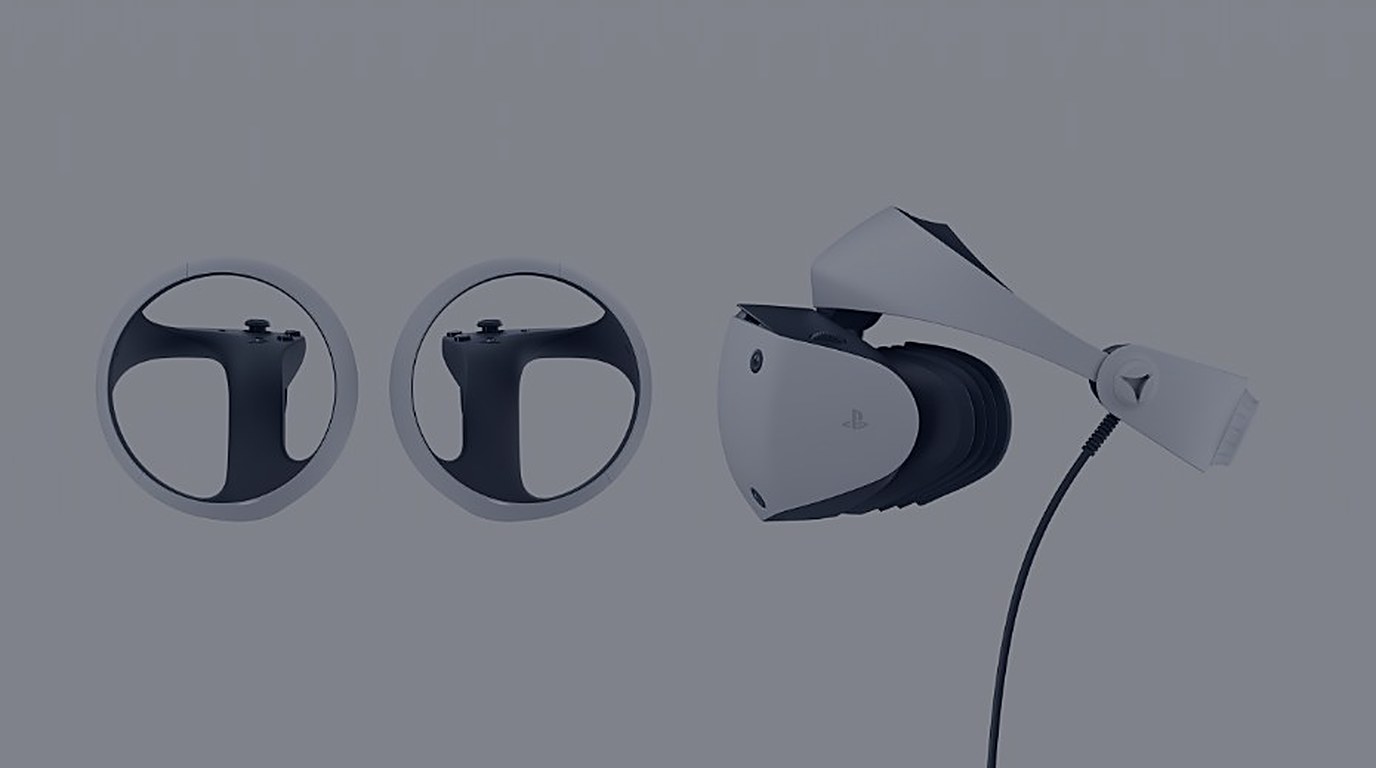
PlayStation VR2 landed on February 22, 2023, at $549.99, and the PlayStation crowd did not react as one. It split. The people who already owned a PS5 and could afford the buy-in called it the best VR Sony has ever shipped. The people who owned the original PSVR and expected their library to follow them called it a wall. I’ve spent the launch window with this headset on my face, and I get both reactions — because PSVR2 is two arguments welded into one box.
Start with the hardware. PSVR2 runs a single OLED panel pushing 2000×2040 pixels per eye, with HDR and a 110-degree field of view, at either 90 or 120Hz. After the original PSVR’s dim, smeary panels and cable spaghetti, this is a different planet. The image stays sharp toward the edges in a way the first headset never managed, and HDR this close to your eyes does things flat screens can’t — neon bloom in Horizon Call of the Mountain, sunlight raking across Gran Turismo 7’s tarmac. The screen is the reason most people who try it walk away impressed.
Sony also killed the external PlayStation Camera. Four cameras on the headset handle inside-out tracking, and it simply works — no base stations, no “stand in this exact spot” ritual, no explaining to a skeptical roommate where the glowing eye has to point. For a console peripheral that’s supposed to be approachable, that’s the single biggest quality-of-life win of the generation.
The Sense controllers are the other half of the story. They carry the DualSense’s adaptive triggers and haptic feedback, plus finger-touch detection through five capacitive sensors per controller. When a game earns them, the resistance in a drawn bow or the texture of a grip is something you feel, not read about on a box. There’s even a haptic motor built into the headset itself, so the world can rumble against your face — a gimmick until the first time a game uses it right, and then not a gimmick at all. Sony also baked in eye tracking with foveated rendering support, which means the headset knows where you’re looking and can spend its pixels there. The potential is real even if launch software only nibbles at it.
Then there’s the cable, and the fact that there’s only one. A single USB-C line, 4.5 meters long, runs from the headset to the PS5 with no breakout box and no power brick on the floor. Against the original PSVR’s tangle of processors and split HDMI, this is the cleanest VR setup I’ve used on a console. The split starts the moment you look at what it costs and what it asks you to leave behind.
First, the price. $549.99 for the headset alone, and that is the only number that exists at launch. That’s a steep gate for anyone who doesn’t already own a PlayStation 5, because the headset is PS5-locked with no exception. If you don’t have the console, you’re now looking at a $499 box plus the headset plus a game — real money for a peripheral. Standing next to a $199 Quest 2 or the $999 Valve Index, PSVR2 is the expensive answer to a question most casual buyers never asked.
Second, and this is the one that genuinely stung longtime PlayStation VR owners: there is no backward compatibility. PSVR1 games do not run on PSVR2. The tracking is different, the controllers are different, and Sony built no adapter and no path. Every title you bought on the original headset stays on the original headset. For a console maker that normally prides itself on generations that respect the last one’s library, this was a cold cut, and the people who had invested in the first wave felt it immediately. That’s the second crack in the crowd.
Third, the launch library. Sony shipped 30-plus titles on day one with 100-plus more in development, and that sounds like a lot until you name them. The flagship is Horizon Call of the Mountain, a launch exclusive built to show the hardware off, and it does. Beyond that you get VR modes bolted onto existing games — Resident Evil Village, Gran Turismo 7, No Man’s Sky, Beat Saber — plus a slate of ports and smaller experiences. What you don’t get, at launch, is a deep bench of PSVR2-native blockbusters. The headset is clearly capable of more than its opening week demonstrates, and early adopters are paying full freight to find out what comes next. That gap between the hardware’s promise and the software’s present is the third place the crowd broke apart.
And then there’s the wire. PSVR2 is tethered, full stop. A single cable, but a cable nonetheless, running back to the PS5. There’s no standalone freedom, no walking around the room untethered, no taking it to a friend’s house without the console in tow. For some that’s a non-issue; for others it’s the line between a toy they’d use daily and a device they’d have to plan around. The split shows up here too.
IGN handed the headset a 9 out of 10 and called it a quantum leap over its predecessor. GameSpot’s review ran under the title “Running In Place,” which tells you the shape of their reservation: brilliant hardware, uncertain momentum. CNET called it the best VR experience they’d had. The outlets that praised it praised the same things I did — the screen, the tracking, the controllers — and the ones that held back did so on the same ground I’m standing on: price, library, and the wall between this generation and the last.
The community reads the same way. On r/PSVR, owners who came in fresh — some buying their first headset for Horizon Call of the Mountain — describe forgetting the world isn’t real, and they credit the OLED and the resolution for that drop. The complaints are as specific and as grounded: finger-sensing haptics that feel wrong when you’re holding a side button, controller grip settings that fight you in a game like Hitman, and a steady current of “is this worth it?” posts that show exactly how price-sensitive the room is. The hardware sells itself one face at a time. The value proposition has to be argued, and people are arguing it.
My verdict: PSVR2 is the best console VR headset Sony has ever made, and it is not for everyone who wants one. If you already own a PS5, have the budget, and want the sharpest, most tactile VR the living room has seen, buy it. The screen and the Sense controllers earn the price the moment you’re in a game. If you’re coming from the original PSVR expecting your library to follow, or you’re a casual buyer who just wants to try VR without committing to a console ecosystem and a cable, this is a harder sell, and I won’t pretend otherwise. It split the crowd because it’s premium, proud, and asking you to meet it more than halfway.
PSVR2 is the best VR the PlayStation has ever shipped. It is also a $549.99 door into one console’s library, and that is a choice you have to make with your wallet, not your optimism.