
The 10 Best Quest Launch Games: The Lineup That Made Standalone VR Real
The Oculus Quest launched on May 21, 2019 with 53 games — the strongest launch library in VR history. Here are the 10 that proved standalone VR wasn't a compromise.
Every VR headset before the Quest launched with a library that felt like an apology. Tech demos, short experiences, and a handful of ports that reminded you what you’d given up by not buying a PC-VR setup. The Rift launched with Lucky’s Tale and… that was basically it. The Vive had Brookhaven and Space Pirate Trainer. The PSVR had Resident Evil 7 and a lot of regret.
The Quest launched on May 21, 2019 with 53 games and apps — and for the first time, the launch library was genuinely good. Not “good for VR.” Not “promising.” Actually good. The kind of lineup that made you want the headset, not just the potential of the headset.
Here are the 10 games that proved standalone VR wasn’t a compromise. Not a stepping stone. Not a consolation prize. The real thing, running on a headset that needed nothing but a box and your hands.
#1: Beat Saber

Beat Saber was already the best VR game when the Quest launched. It had been the killer app on PC-VR since 2018 — the rhythm-slicing game that made VR fun for people who didn’t think they’d like VR. On the Quest, it became essential.
The magic was the cable. Or rather, the absence of it. On the Rift, Beat Saber was excellent but tethered — you swung your arms knowing a cable ran from your head to a PC, a constant reminder that this was still a peripheral, not a standalone experience. On the Quest, the cable was gone. You ducked, you sidestepped, you swung with full commitment and zero tether. The room-scale tracking kept up. The graphics were slightly softer than the PC version. You didn’t care.
Beat Saber was the game you showed people who’d never tried VR. It was the game that made non-gamers understand why headsets existed. And on the Quest, it was the game that proved the hardware was ready for the software that mattered.
Read the full Beat Saber review
#2: Superhot VR
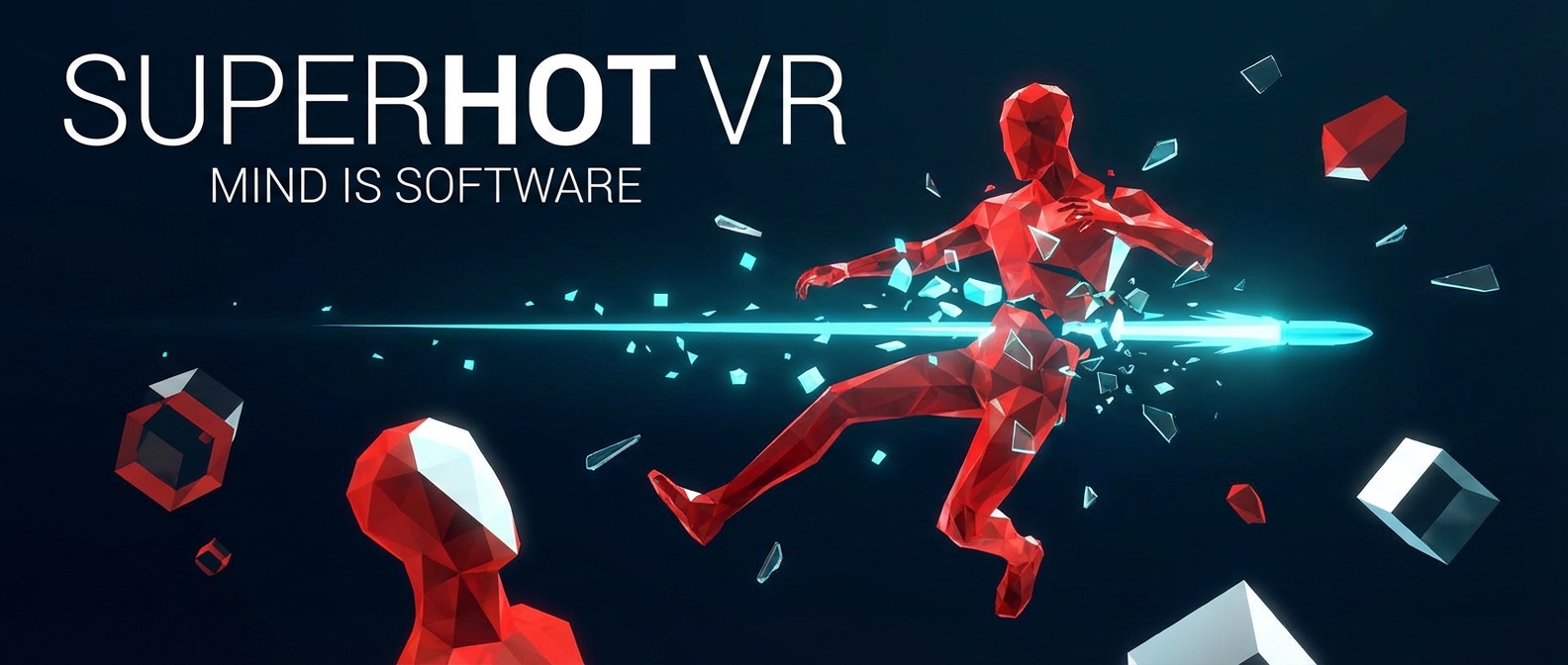
Superhot VR was the other essential — the “time moves when you move” shooter that turned every room into an action-movie set piece. On the Rift, it was a great VR experience. On the Quest, it was a perfect one.
The game’s core mechanic — time advances only when you move — was always designed for physical VR interaction. You lean to dodge bullets in slow motion, reach behind you for a weapon, throw objects to distract enemies, and physically crouch behind cover. The Quest’s inside-out tracking handled all of it flawlessly, and the absence of a cable meant you could commit to the physical movements without worrying about tangling or pulling your PC off a desk.
Superhot VR was proof that the Quest’s “good enough” graphics didn’t matter when the gameplay was this tight. The minimalist art style — white environments, red crystal enemies, black weapons — looked clean and sharp on the Quest’s screens. The 72Hz refresh rate was below PC-VR standards, but the game’s time-movement mechanic meant you were rarely whipping your head around fast enough to notice. It was the perfect match of game and hardware.
Read the full Superhot VR review
#3: Vader Immortal
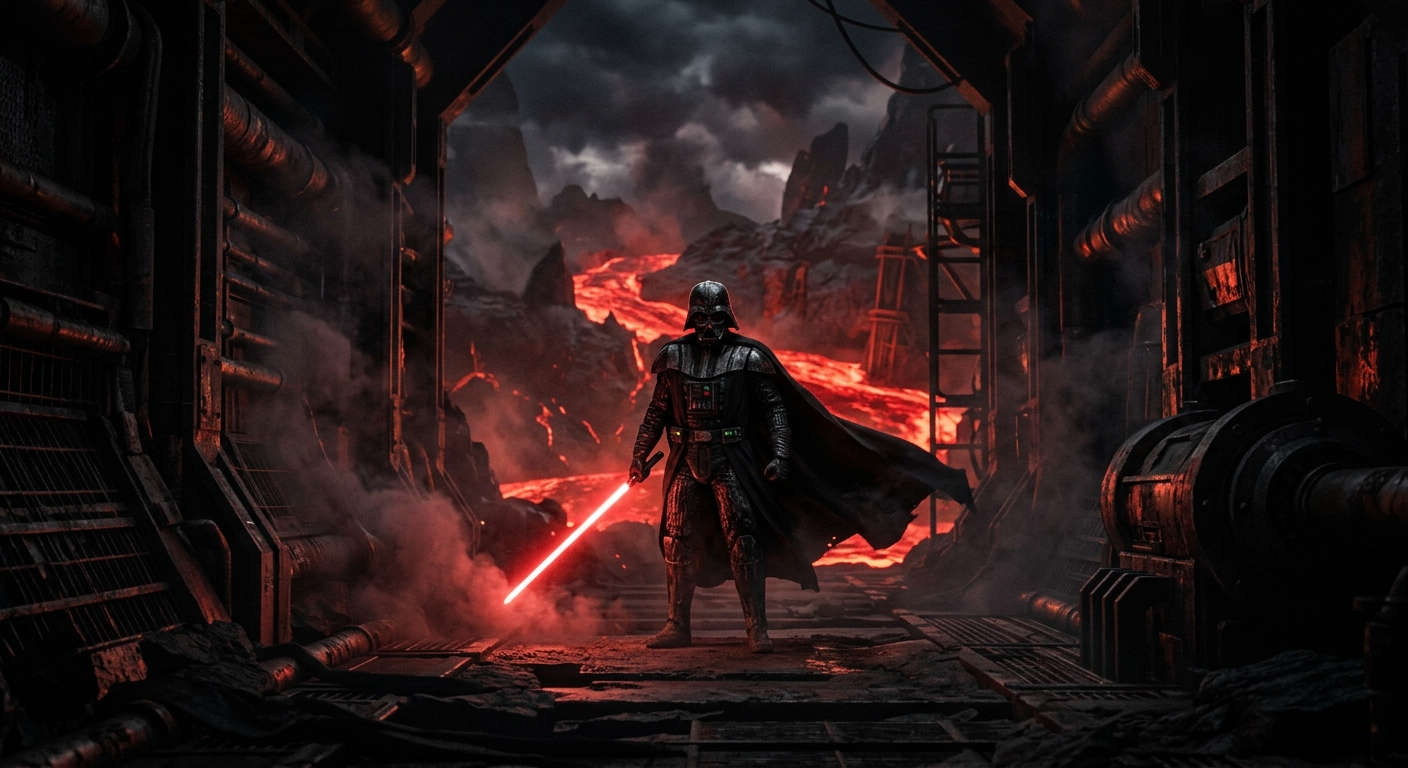
Vader Immortal was the Quest’s signature exclusive — a Star Wars story experience from Lucasfilm and ILM that let you use the Force and fight with a lightsaber in the Dojo. It was short. It was linear. It was the best “I am a Jedi” moment VR had produced.
The three-episode structure was more movie than game — you walked through environments, solved puzzles, and had occasional combat encounters, all while a story unfolded around you. But the Lightsaber Dojo, a standalone wave-based combat mode, was the real draw. You stood in a room and fought waves of Stormtroopers and Dark Troopers with a lightsaber, deflecting blaster bolts, slashing enemies, and using the Force to throw objects. It was the childhood fantasy made physical, and the Quest’s tracking made it work.
Vader Immortal was the game that showed what the Quest could be for non-gamers. You didn’t need to understand game mechanics or button layouts. You picked up the lightsaber and swung. The headset handled the rest. It was the launch’s best proof that VR wasn’t just for gamers — it was for anyone who’d ever wanted to be a Jedi.
Read the full Vader Immortal review
#4: Robo Recall: Unplugged
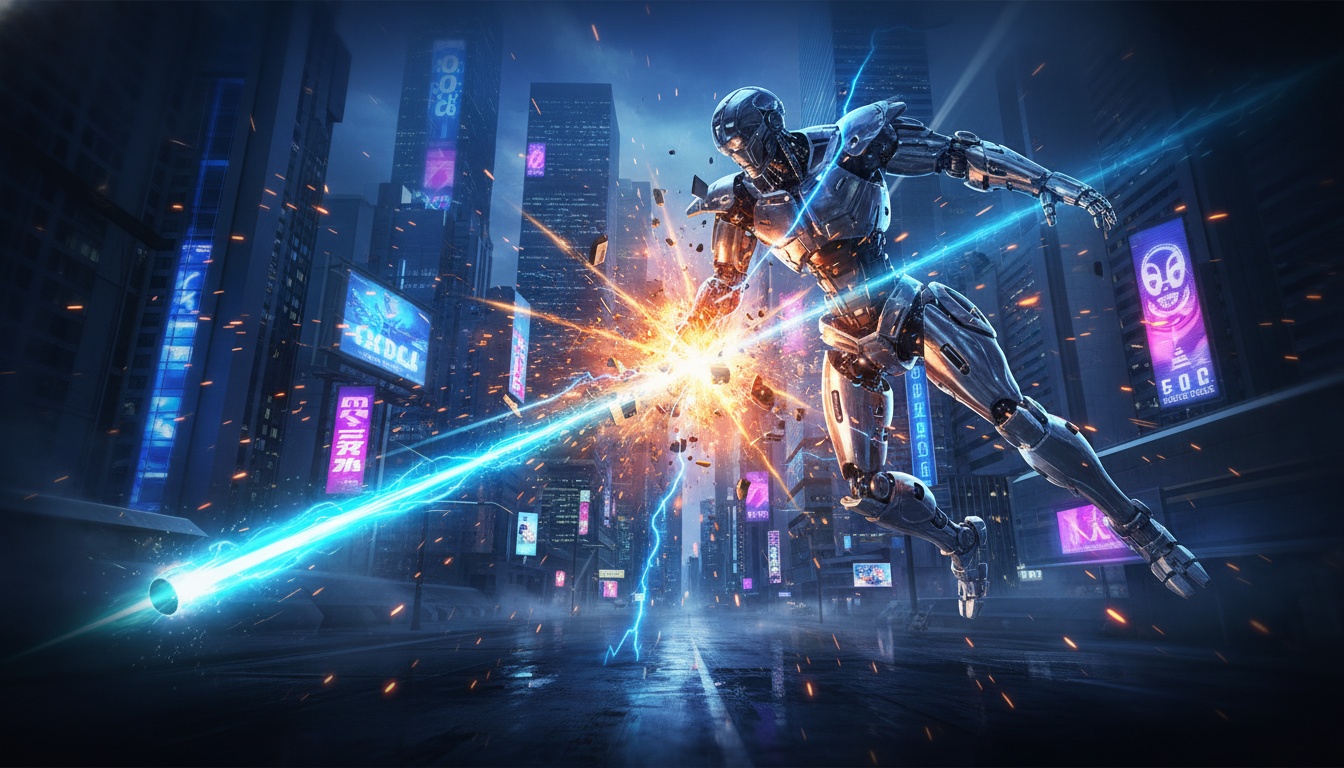
Robo Recall was the PC-to-Quest showcase — proof that a graphically demanding Rift game could be rebuilt for mobile hardware and still deliver.
The original Robo Recall was a Rift showcase: a wave-based shooter where you grabbed robots out of the air and tore them apart with your hands. It was violent, tactile, and visually impressive — the kind of game that demonstrated what the Rift’s tracking and graphics could do. The Quest version was rebuilt from the ground up for the XR1 chip, and the result was surprisingly faithful.
The graphics were softer, the environments were smaller, and some of the visual flourishes were stripped back. The core experience — grabbing robots, ripping out their components, dual-wielding shotguns while backflipping through explosions — was intact. Robo Recall on the Quest was the game that answered the question “can standalone VR handle real games?” The answer was yes, with the right optimization.
Read the full Robo Recall review
#5: Arizona Sunshine
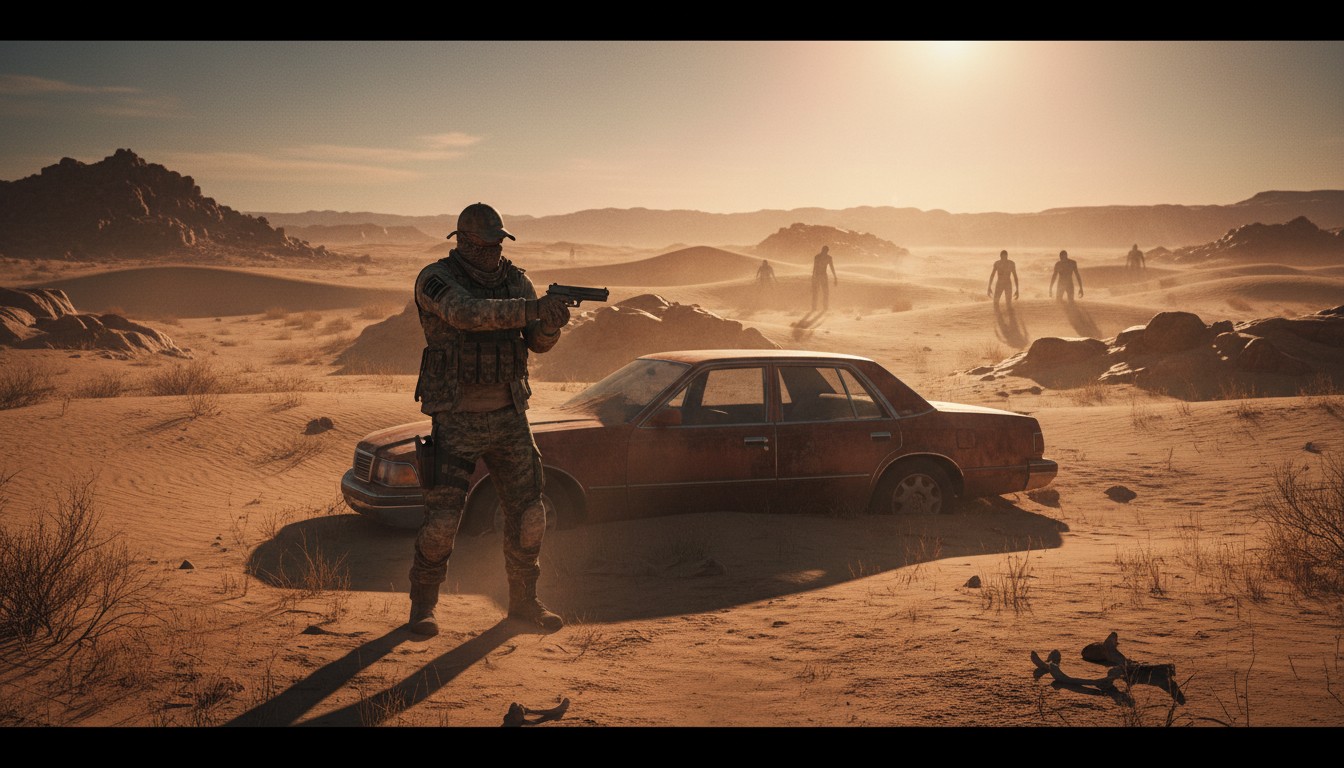
Arizona Sunshine was the Quest’s first real zombie shooter — a full-length campaign that proved standalone VR could deliver a substantial single-player experience, not just short demos.
The game was a first-person shooter set in the American Southwest during a zombie apocalypse. You moved through deserts, mines, and abandoned buildings, shooting zombies with a variety of weapons that you physically reloaded by grabbing magazines from your belt and slotting them into your guns. The campaign was three to four hours long — short by flat-gaming standards, but substantial for a VR launch title.
Arizona Sunshine mattered because it was a “real game” on a standalone headset. Not a tech demo, not a rhythm game, not a story experience. A first-person shooter with a campaign, weapons, enemies, and progression. The graphics were Quest-tier — soft textures, simplified lighting, fewer zombies on screen than the PC version — but the gameplay loop worked. You were inside a zombie shooter, on a headset that needed no PC, and it was actually good.
Read the full Arizona Sunshine review
#6: Creed: Rise to Glory
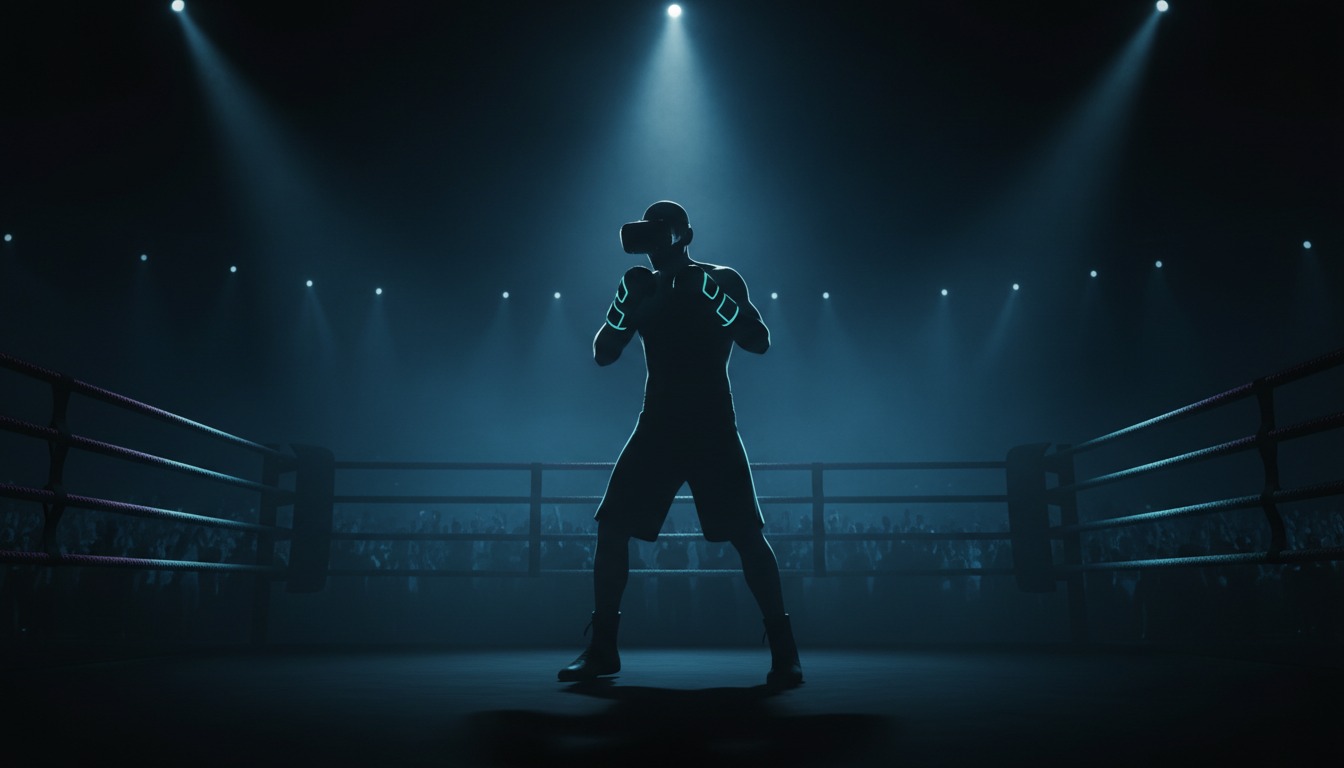
Creed: Rise to Glory was the boxing game that made the Quest feel like a fitness device — a full-body workout disguised as a movie tie-in.
You played as Adonis Creed, training and fighting through a story mode that followed the Creed film’s narrative. The boxing mechanics were physical: you threw punches by punching, blocked by raising your gloves, dodged by leaning and weaving. The game tracked your movements and translated them into the ring, and the result was the most physically demanding game in the Quest’s launch library.
Creed was the game that made people sweat. Not metaphorically — literally. Sessions left you breathing hard, arms burning, sweat dripping inside the headset. It was the first Quest game that people bought specifically for exercise, and it previewed the fitness-VR market that would later explode with Supernatural, FitXR, and countless other workout apps. On launch day, it was the game that showed the Quest wasn’t just for gaming — it was a full-body experience.
Read the full Creed: Rise to Glory review
#7: Journey of the Gods
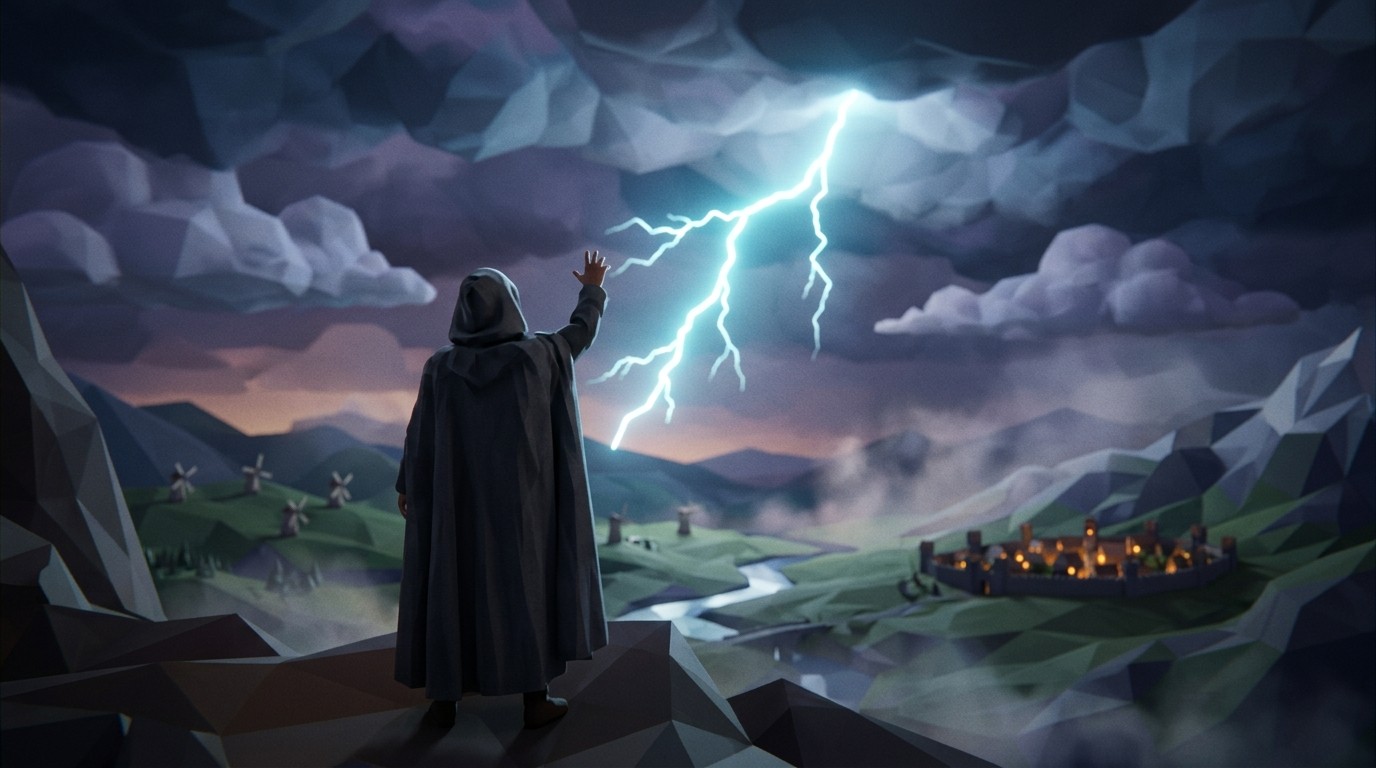
Journey of the Gods was the Quest’s adventure game — a Zelda-like exploration experience that proved standalone VR could deliver atmosphere and discovery, not just action.
You explored a colorful world filled with puzzles, enemies, and secrets, switching between a sword-and-shield combat mode and a “giant god” mode where you towered over the landscape and manipulated the environment at a massive scale. The art style was bright and clean, designed to look good on the Quest’s mobile hardware, and the world was dense enough to reward exploration.
Journey of the Gods was important because it was a different kind of VR game. Not a shooter, not a rhythm game, not a fitness experience. An adventure. A world to explore at your own pace, with mechanics that used the medium — the scale shift between human and god was something only VR could deliver. It was the launch’s best proof that the Quest could support diverse game genres, not just the ones that relied on fast physical movement.
Read the full Journey of the Gods review
#8: Rec Room
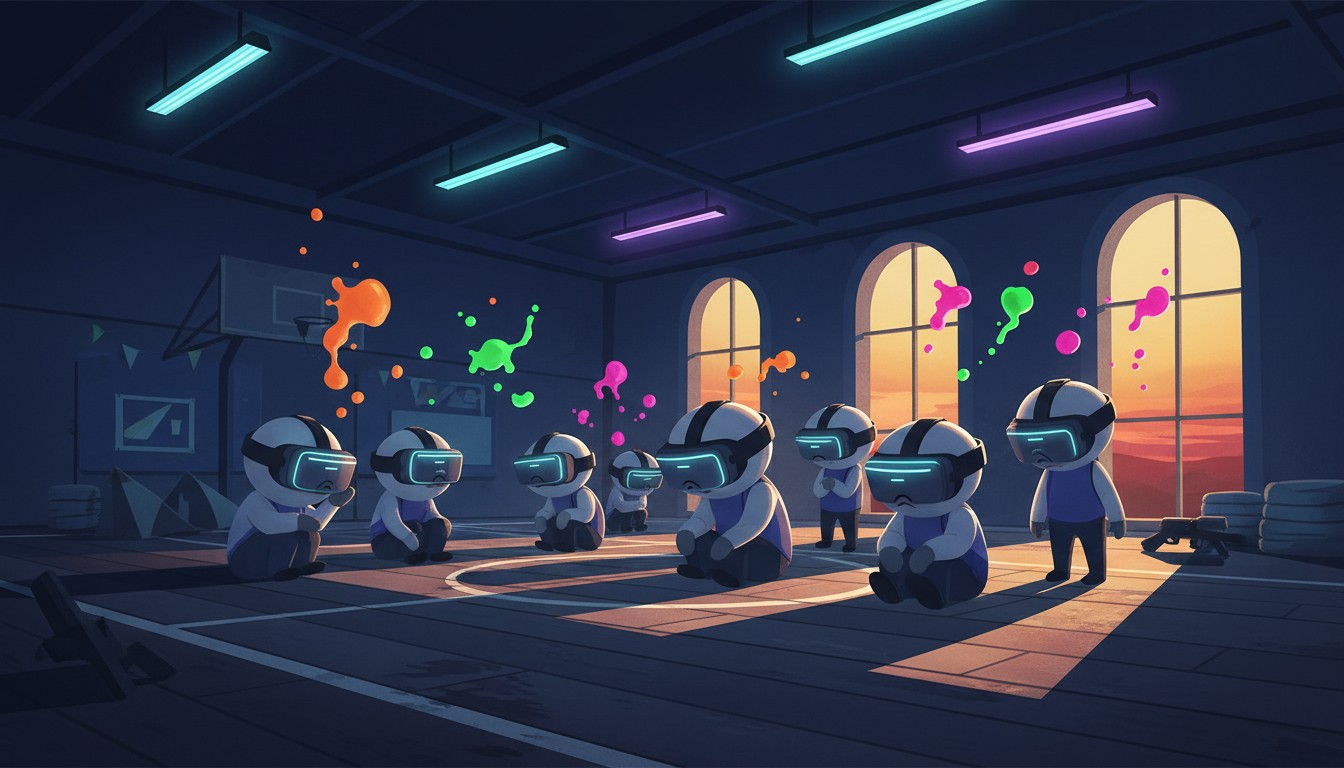
Rec Room was the social platform that turned the Quest into a multiplayer device — a shared virtual space where you played games with friends, built rooms, and hung out in a world that was part game, part social network.
The Quest version launched with the same content as the PC and PSVR versions: paintball, laser tag, disc golf, charades, and a creative mode where you built your own rooms and games. The cross-platform play meant Quest owners could play with PC-VR and PSVR users, and the free-to-play model meant there was no barrier to entry beyond the headset.
Rec Room mattered because it was the Quest’s first real social experience. VR is inherently isolating — you put on a headset and disappear from the physical world. Rec Room reversed that: you put on a headset and entered a world with other people. The Quest’s standalone nature meant you could take it anywhere and jump into a game with friends who might be across the room or across the country. It was the launch’s best proof that VR could be social, not solitary.
#9: Space Pirate Trainer
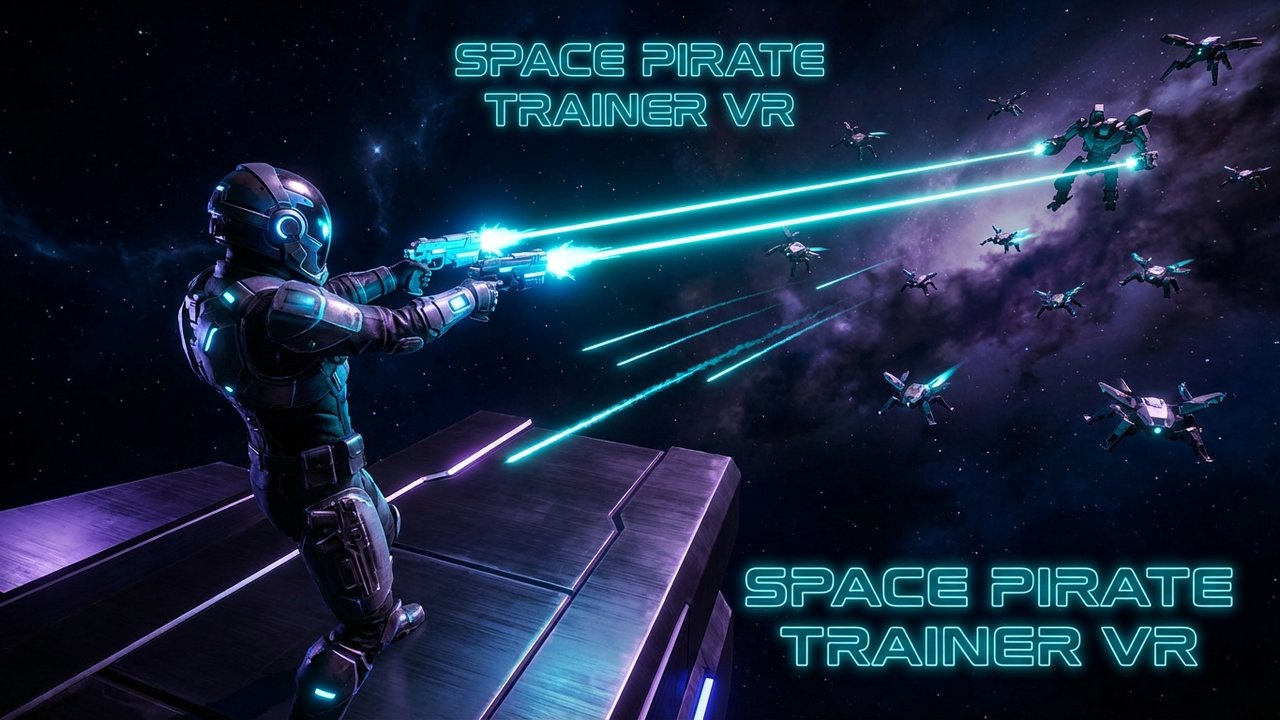
Space Pirate Trainer was the wave shooter that defined the Quest’s arcade experience — a simple, addictive, physically demanding game that used the headset’s tracking to its fullest.
You stood on a platform and fought waves of robots with a combination of guns, shields, and dodging. The robots got faster, more numerous, and more aggressive as the waves progressed. You physically ducked behind a shield, reached for weapons, and moved your body to dodge incoming fire. The game tracked it all, and the result was the closest thing to being inside an arcade shooter.
Space Pirate Trainer was important because it was pure VR — no flat-game equivalent, no compromise, no “this would be better on a screen.” The gameplay only worked in room-scale VR, and the Quest’s tracking made it seamless. It was also the launch’s best party game: short sessions, high scores, and the kind of physical spectacle that made onlookers want to try. Every VR headset needs a game that makes people say “I want to do that.” On the Quest, Space Pirate Trainer was that game.
Read the full Space Pirate Trainer review
#10: Apex Construct
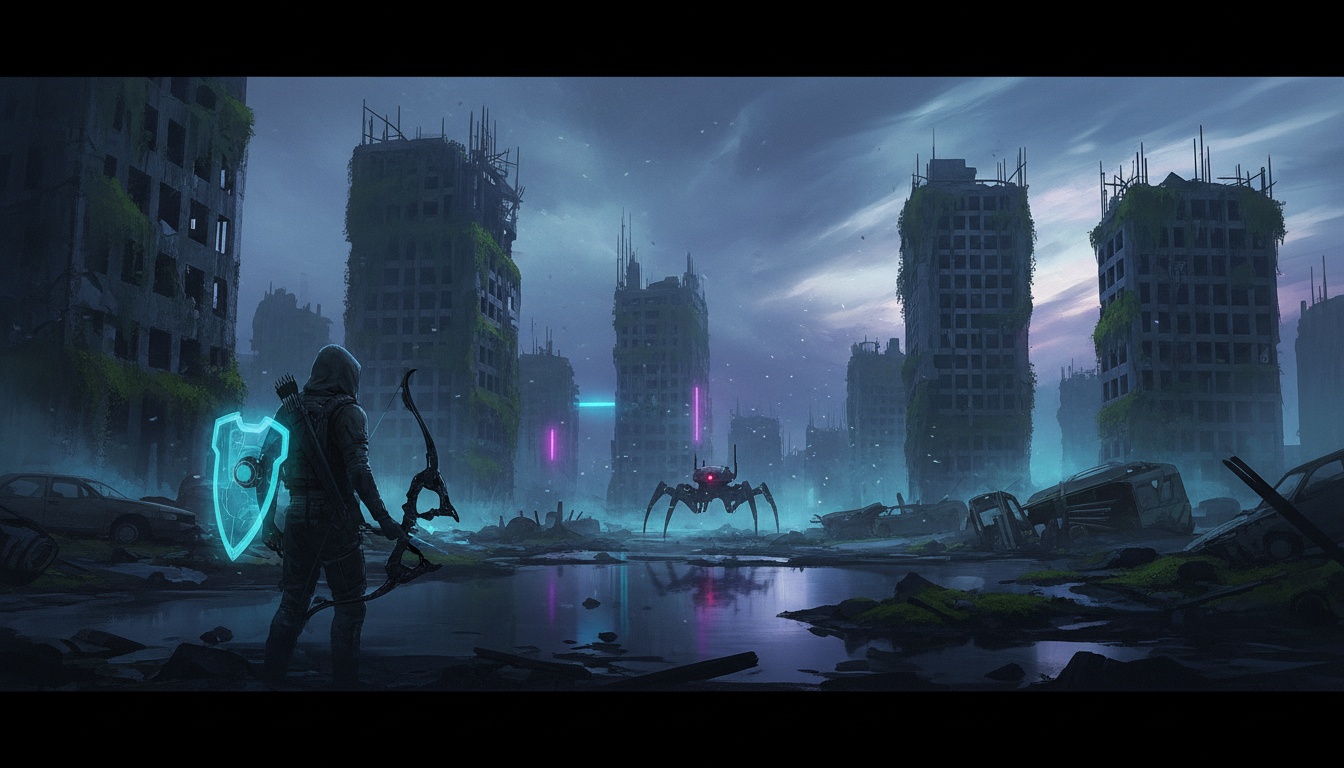
Apex Construct was the Quest’s puzzle-adventure — a narrative-driven experience that used the headset’s capabilities for exploration and environmental storytelling, not just action.
You explored a mysterious facility, solving physics-based puzzles with a bow and shield, uncovering a story about a fractured world and the AI that controlled it. The game was built specifically for VR — the bow mechanic required physically drawing and aiming, the shield was used for defense, and the environments were designed to reward looking around and interacting with objects.
Apex Construct was the launch’s sleeper hit. It didn’t have Beat Saber’s cultural footprint or Superhot VR’s critical acclaim, but it was the game that best demonstrated the Quest’s potential for narrative VR. The story was compelling, the puzzles were satisfying, and the world was atmospheric. It was the game you played after the blockbusters, the one that showed the Quest could deliver depth as well as spectacle.
Read the full Apex Construct review
The Lineup That Changed the Argument
The Quest’s launch library wasn’t just good “for VR.” It was good, period. Beat Saber was the best rhythm game in any medium. Superhot VR was a masterclass in VR design. Vader Immortal was the Star Wars experience fans had been waiting for. The rest of the lineup covered shooters, adventure, social, fitness, puzzles, and arcade — a range that no VR headset had launched with before.
The secret was curation. Oculus didn’t just port everything from the Rift and call it a day. They selected games that worked on standalone hardware, funded exclusives that demonstrated the headset’s strengths, and launched with a library that covered enough genres to give every type of player a reason to buy. The 53 launch titles included the hits, the sleepers, and the surprises — and the result was a launch lineup that made the case for standalone VR more convincingly than any hardware spec sheet could.
The Quest launched on May 21, 2019. By June, the argument was over. This wasn’t a compromise. This was the future.