
The 12 Best Quest 2 Launch Titles: The Launch Window That Made Standalone VR Mainstream
The Quest 2 launched October 13, 2020 with the entire Quest library running better, then kept delivering all year: Saints & Sinners, Population: One, Galaxy's Edge, Tetris Effect, Myst and more. These are the 12 best Quest 2 launch titles.
When the Oculus Quest 2 landed on October 13, 2020, a lot of people shrugged. Same library, better screen, cheaper price — what’s the story? That reading misses the point entirely. Facebook didn’t give the Quest 2 a launch library. It gave it a publishing calendar.
Look at the cadence. Saints & Sinners opened the show on day one. Population: One followed nine days later. Until You Fall a week after that. Tales from the Galaxy’s Edge in mid-November, then a December that felt like a dam breaking: Warhammer 40,000: Battle Sister, Myst, Medal of Honor via Link, and Jurassic World Aftermath as the curtain fell on December 17. One heavyweight every two to three weeks, straight through the holidays — that’s not a launch day, that’s a season.
The hardware made the season possible. The Quest 2 costs $100 less than the original at $299, yet it roughly doubles the GPU with the Snapdragon XR2, jumps to a 1832×1920-per-eye LCD at 90Hz, and ships lighter with redesigned controllers. Almost the entire Quest catalog carried over with free 90Hz and resolution upgrades, and Beat Saber — the game you hand to skeptics — came bundled free for early buyers.
So this list covers the launch window: October 13 through the end of 2020, plus the day-one essentials that were on the device from minute one. It’s the third in our launch-library series, after our ranking of the best Quest launch games and the best PSVR launch games. For the headset itself, see our Oculus Quest 2 review. What follows is the lineup that earned the Quest 2 a place under the tree.
#1: The Walking Dead: Saints & Sinners
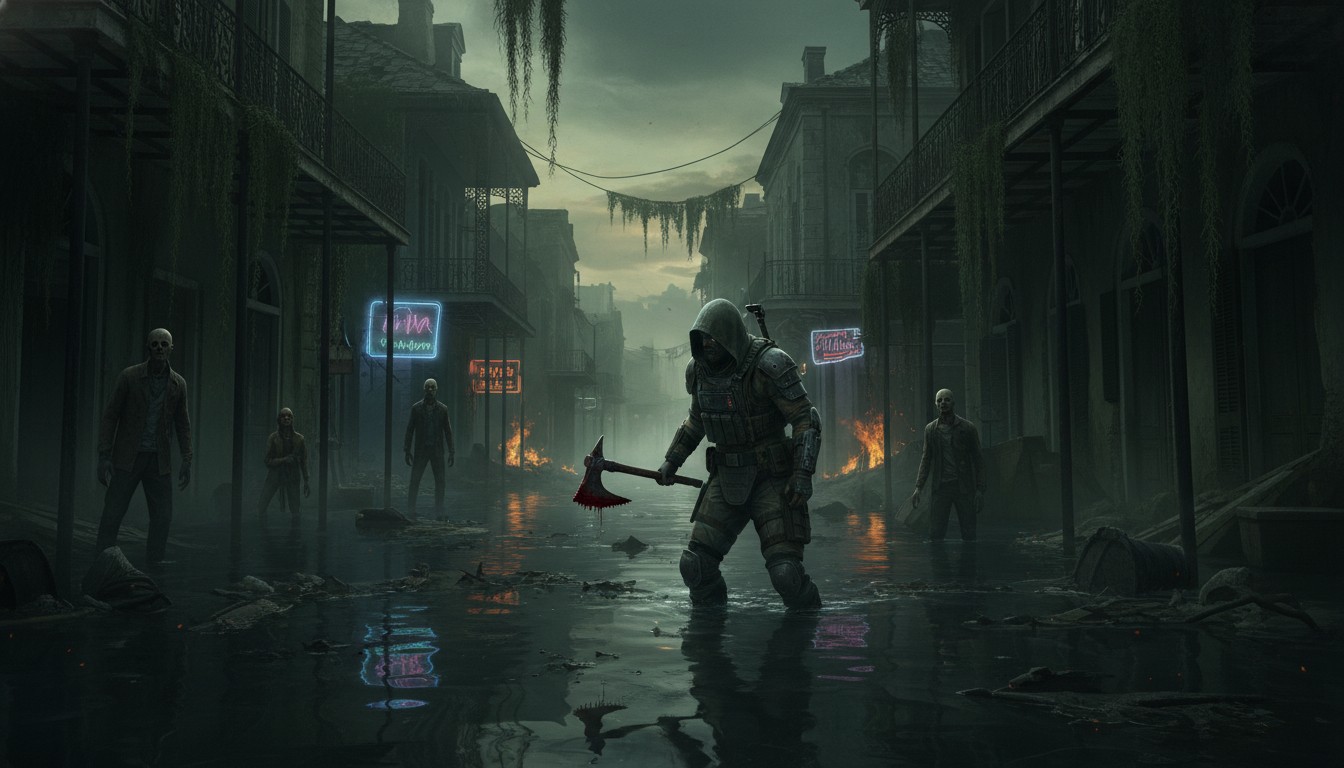
If you bought a Quest 2 for one reason, this is it. The Walking Dead: Saints & Sinners isn’t a tech demo with a licensed skin — it’s a full-length survival horror campaign set in a flooded, rotting New Orleans, and it’s the most ambitious thing running on standalone hardware, full stop. You scavenge, you craft, you stab walkers through the skull with physics that actually mean something, and you choose which human faction to feed or fight.
The Tower wants order. The Reclaimed want freedom. Neither trusts you, and the day/night cycle keeps tightening the screws — go out when it’s light and risk less, wait for dark and risk everything for better loot. That tension is the whole game. Skydance’s title proves a Quest can carry weight, consequence, and a world that doesn’t reset when you take the headset off.
It arrived on launch day, and it remains the single best argument for the hardware. If you only play one Quest 2 game this year, make it The Walking Dead: Saints & Sinners.
#2: Beat Saber
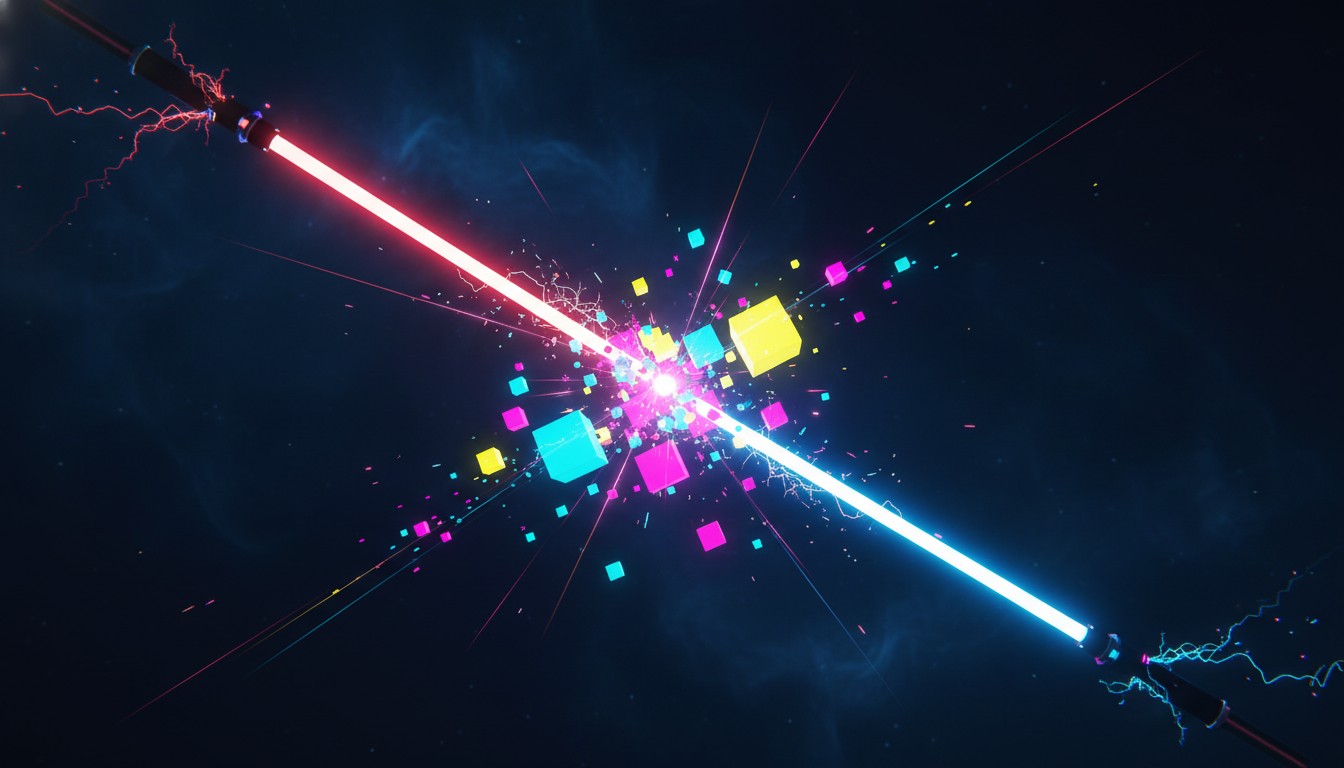
The killer app, now untethered and running at 90Hz. Beat Saber was the game that sold the first Quest, and on Quest 2 it’s the game Facebook gave away free at launch — a calculated move, because there’s still no better two-minute pitch for why VR matters. You slash neon blocks to a beat, your whole body moving, and twenty minutes later you’ve had a workout and a grin you can’t explain to anyone who hasn’t tried it.
The cable-free version is the definitive one. No trip-over hazard, no room-scale tether anxiety, just you and the grid. The DLC pipeline is relentless — weekly music packs spanning pop, rock, electronic, and K-pop — so the game you buy in December is a deeper game by February.
It’s the game you put on a visiting relative who “doesn’t get VR,” and watch them transform from skeptic to addict in one song. For the uninitiated, start at Beat Saber and let the rhythm do the convincing.
#3: Population: One
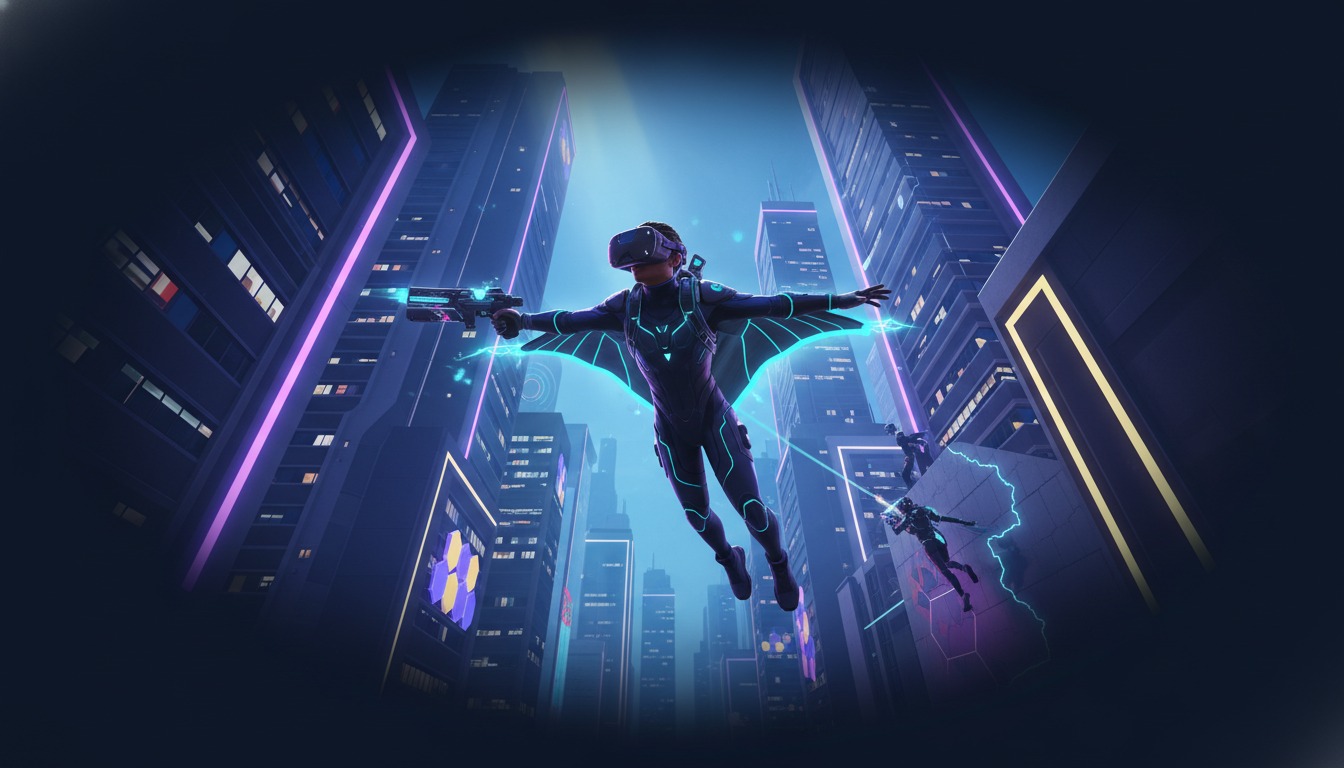
Nine days after launch, BigBox VR dropped the game that turned Quest 2 into a multiplayer machine. Population: One is battle royale with a trick no flat-screen shooter can steal: verticality. You climb any surface, you glide off rooftops, and you build structures mid-firefight to flank, escape, or just get the high ground. Eighteen players, six squads of three, and the kind of chaotic, scream-at-your-friends energy that defines VR’s social moment.
Cross-play spans Quest, Rift, and SteamVR, so your squad isn’t trapped on one storefront — and on Quest 2 the whole thing runs smoothly without a PC in sight. It’s the closest thing VR has to its Fortnite: easy to grasp, brutally hard to master, and endlessly replayable because every match writes its own stupid story.
If you want to know why standalone VR is suddenly a social platform and not a solo toy, Population: One is the answer.
#4: Star Wars: Tales from the Galaxy’s Edge
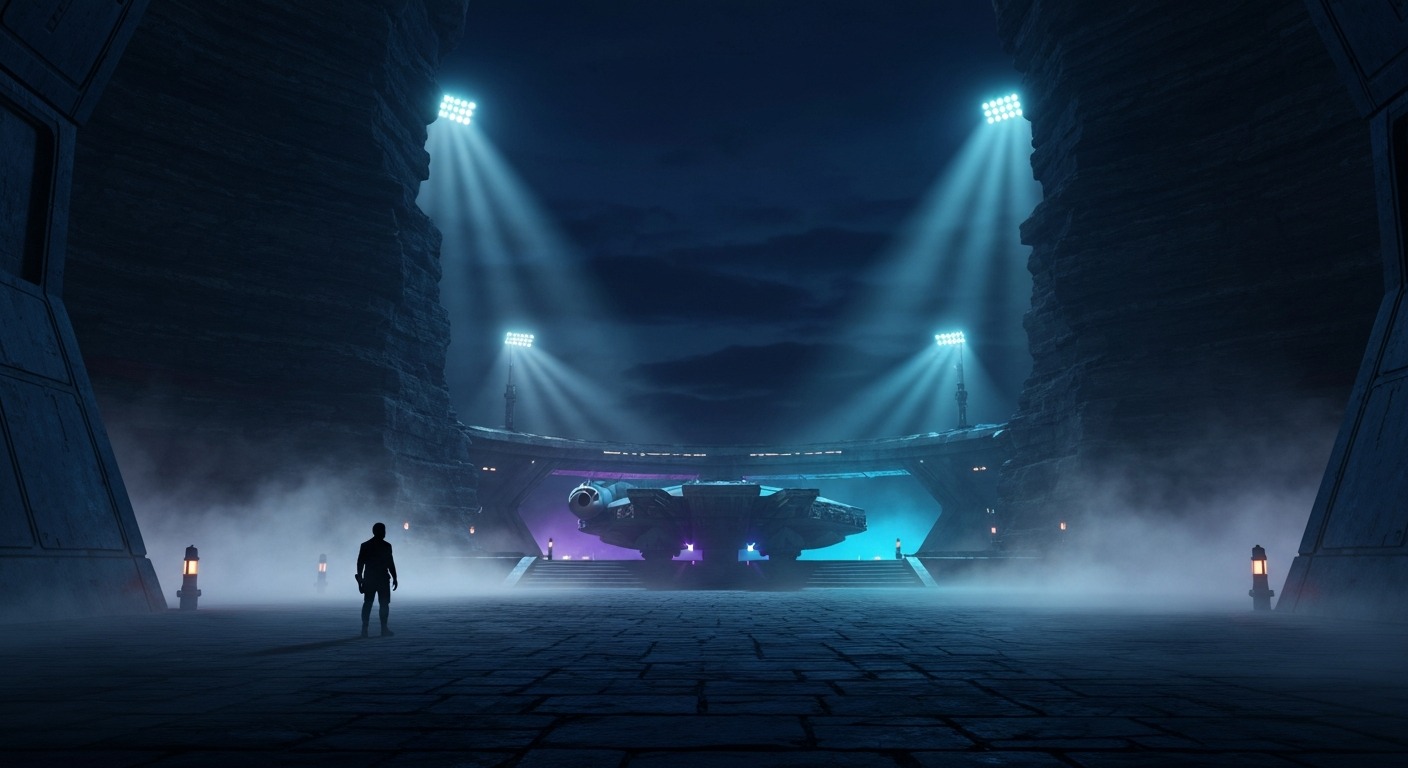
ILMxLAB brought Batuu to your living room on November 19, and it’s the Star Wars showcase of the entire launch window. Tales from the Galaxy’s Edge drops you on the outer rim as a mechanic caught in a pirate raid, then hands you a blaster, a few droids, and a smuggling plot that feels lifted from the park. The production values are Disney-grade: weighty gunplay, tactile droid repair, and a Yoda encounter performed by Frank Oz himself that lands harder in a headset than it ever could on a screen.
It’s a Quest exclusive built around an episode structure, so this is Chapter One — more to come — but even as a first installment it’s a confident statement. The Galaxy’s Edge ride proved Star Wars works in VR; this proves it works as a game.
For the full breakdown, see Star Wars: Tales from the Galaxy’s Edge.
#5: Superhot VR
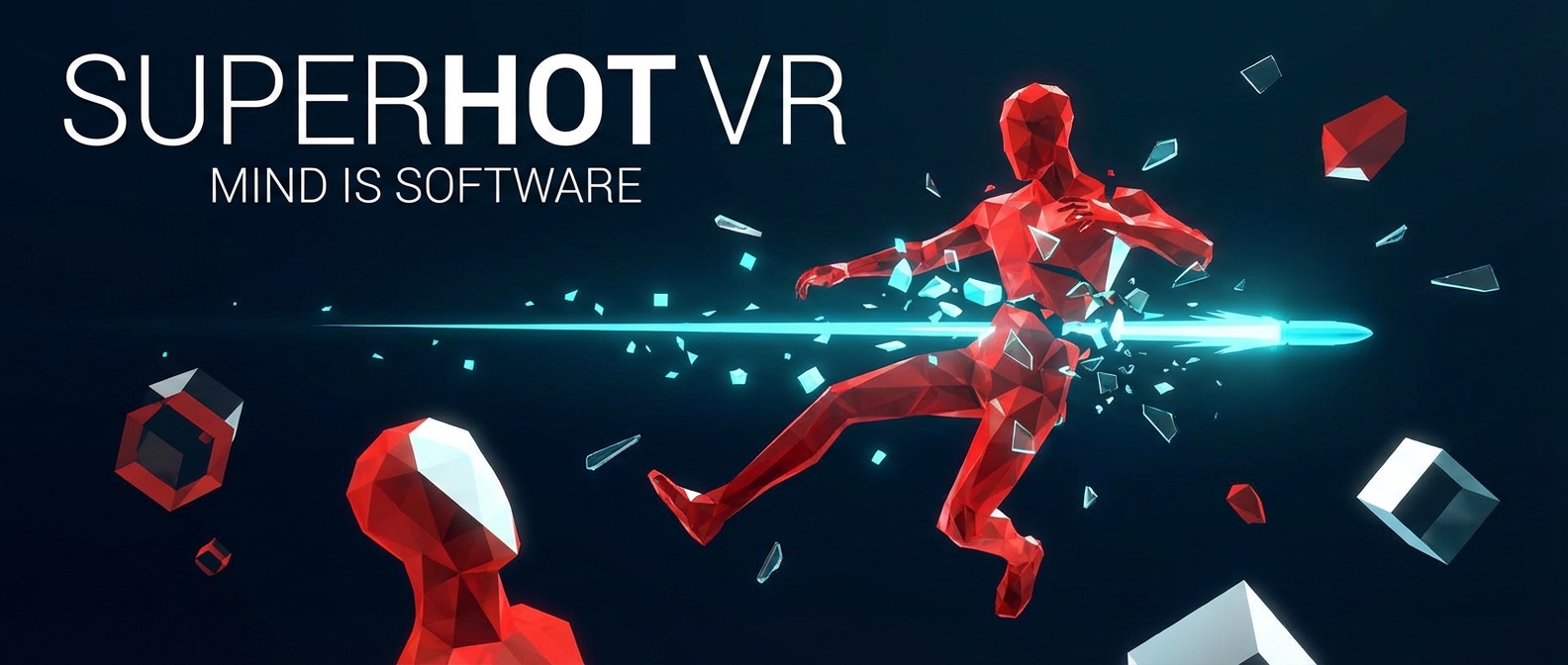
Time moves when you move. That one rule is the entire genius of Superhot VR, and on Quest 2’s 90Hz display it’s the purest physical showcase in the library. Bullets hang in the air as frozen red streaks; you lean around them, pluck a pistol off a dead enemy, and shatter the next guy with a thrown mug. Every level is a puzzle you solve with your body.
The free Quest 2 upgrade sharpened the visuals and smoothed the frame pacing, but the real upgrade is freedom. The cable-free build is the definitive version — no tether to yank you out of the choreography. It’s short, it’s repeatable, and it remains the game I hand to anyone who thinks VR is just “looking at things.”
The day-one library was strong, but Superhot VR is the one that makes you feel like an action hero in slow motion.
#6: Until You Fall
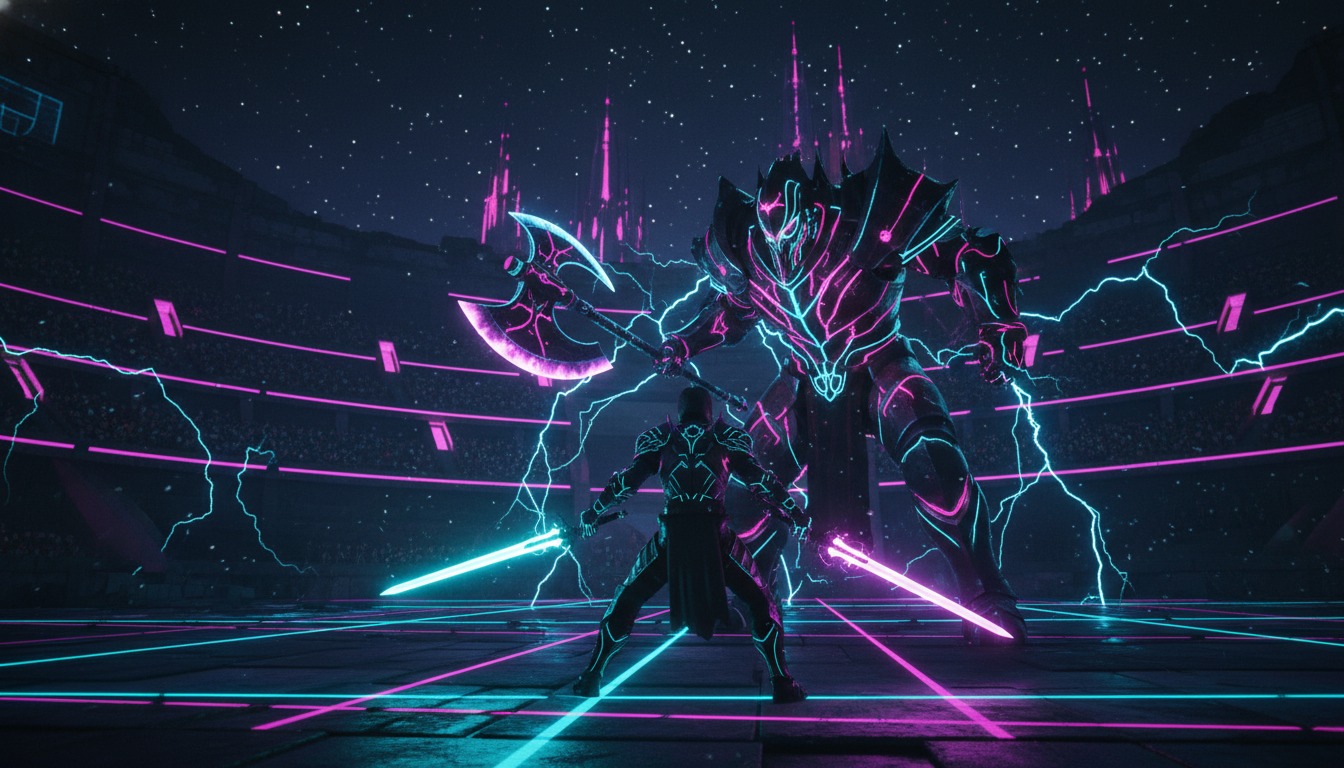
Schell Games shipped Until You Fall on October 29, and it’s the best sword-fighting workout of the launch window. This is a neon-brutalist roguelite where combat is about weight and commitment: you block with your off-hand, you dodge with your shoulders, and you chop through synthetic knights to a synthwave pulse that keeps the adrenaline honest. Rounds end. You die. The game pulls you back with just enough loot and progression to make the next run feel earned.
It landed on PC two days before Quest, but the Quest version is where it belongs — untethered, room-scale, swinging like a lunatic in your own living room. Few games in the window will leave you sweating and grinning quite like this one.
For the full write-up, see Until You Fall.
#7: Tetris Effect

Tetris Effect has been on Quest since May, but on Quest 2 it graduates from pleasant to essential. The sharper LCD and 90Hz refresh turn the synesthetic trip into something close to a concert — blocks fall, zones trigger, and the whole world breathes with the music until you hit flow state and lose an hour. It’s the launch window’s most soothing title, the palate cleanser between horror and shooters.
The “Connected” multiplayer mode arrived console-timed as the window closed, but the single-player journey is the draw. There’s nothing else like settling into a calm, luminous puzzle world after a session of Saints & Sinners.
Our full page for the game is at Tetris Effect.
#8: Pistol Whip
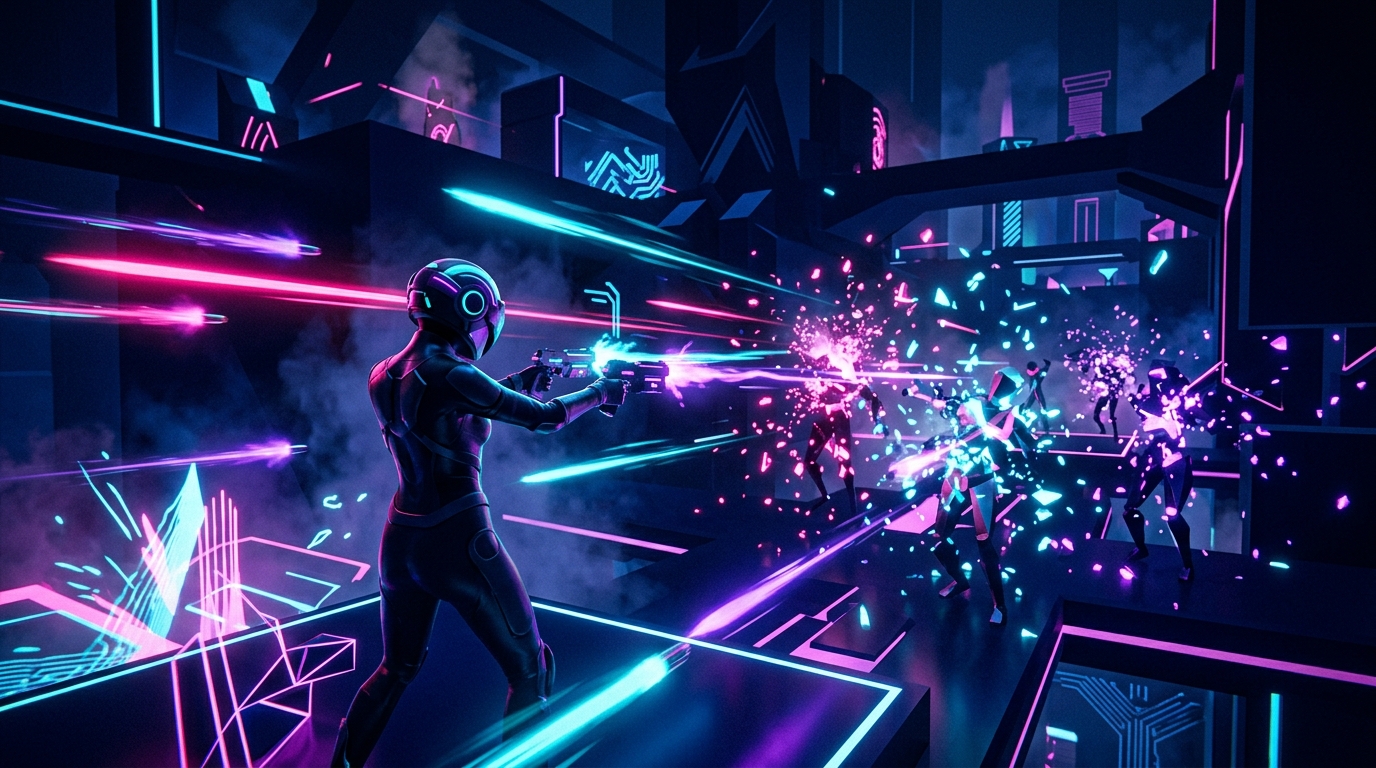
Pistol Whip was already a day-one staple, and the free Quest 2 upgrade pushed it to 90Hz — but the real news came mid-window: the 2089 campaign expansion turned a rhythm-shooter into a proper revenge story. You move through stylized levels, shooting to the beat, dodging bullets Matrix-style, never reloading, always flowing. It’s pure kinetic joy, and the new campaign gives that joy a spine.
The cable-free build is the one to play. No tether, no fuss, just you strutting through a synth-action movie. It’s the game I recommend to lapsed VR owners who bought a headset and let it collect dust — Pistol Whip drags them back in ten minutes.
Full coverage is on our Pistol Whip page.
#9: Walkabout Mini Golf
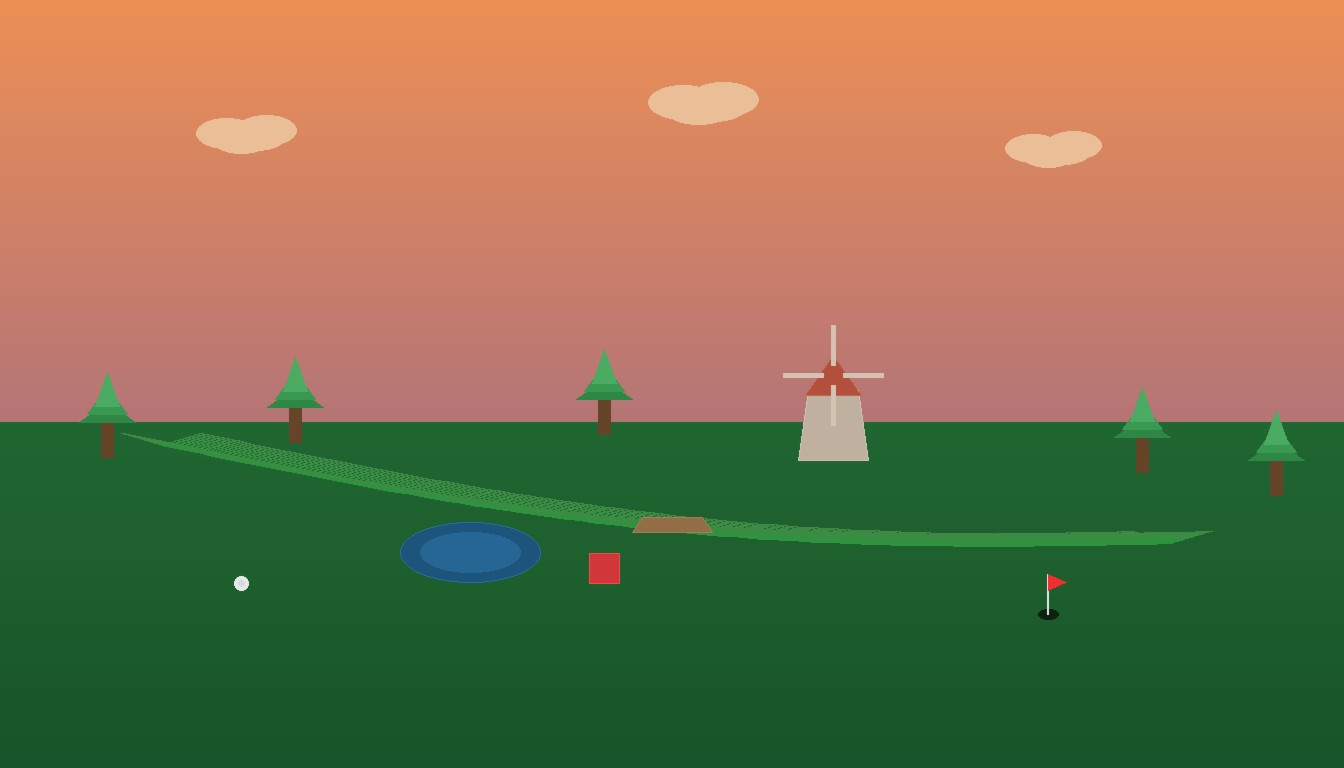
Mighty Coconut released Walkabout Mini Golf on September 24 — three weeks before the Quest 2 even existed — and it rode onto the new headset day one as the quiet breakout of the season. The physics are impeccable: putts roll true, wind matters, and the impossible courses are gorgeous enough to make you forget you’re playing minigolf at all. Up to five players can join cross-platform, which makes it the chillest, most-loved social game in the library.
It doesn’t shout. It doesn’t have a battle pass or a leaderboard obsession. It’s just the perfect thing to play with a friend who’s never touched VR, because swinging a club feels like nothing else needs explaining. The launch window was loud with shooters and horror; Walkabout was the warm room everyone kept drifting back to.
The rest of the case is on our Walkabout Mini Golf page.
#10: In Death: Unchained
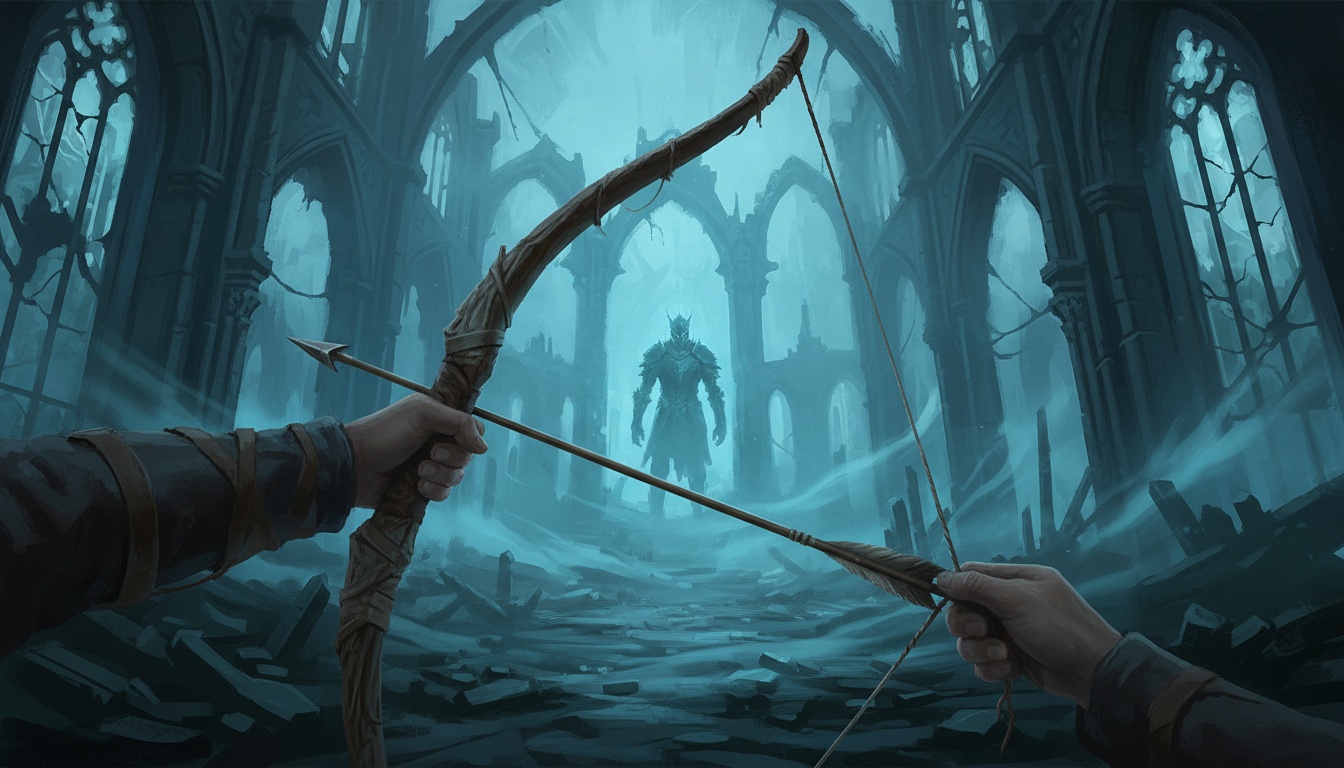
In Death: Unchained arrived on Quest earlier in 2020 and stood ready as a day-one library title, and for my money it’s the best bow in VR. You climb through a gothic Purgatory, drawing a real bowstring, leading flying enemies, and dodging return fire across procedurally shifting levels that never play the same twice. It’s punishing but fair — the roguelite loop that keeps you one more run from the next unlock.
The physics sell it. Archery in VR is easy to fake and hard to nail; In Death nails it, and the Quest 2’s sharper screen makes the distant targets readable without squinting. If Saints & Sinners is the platform’s blockbuster, this is its secret archer’s game.
Our full write-up is at In Death: Unchained.
#11: Myst
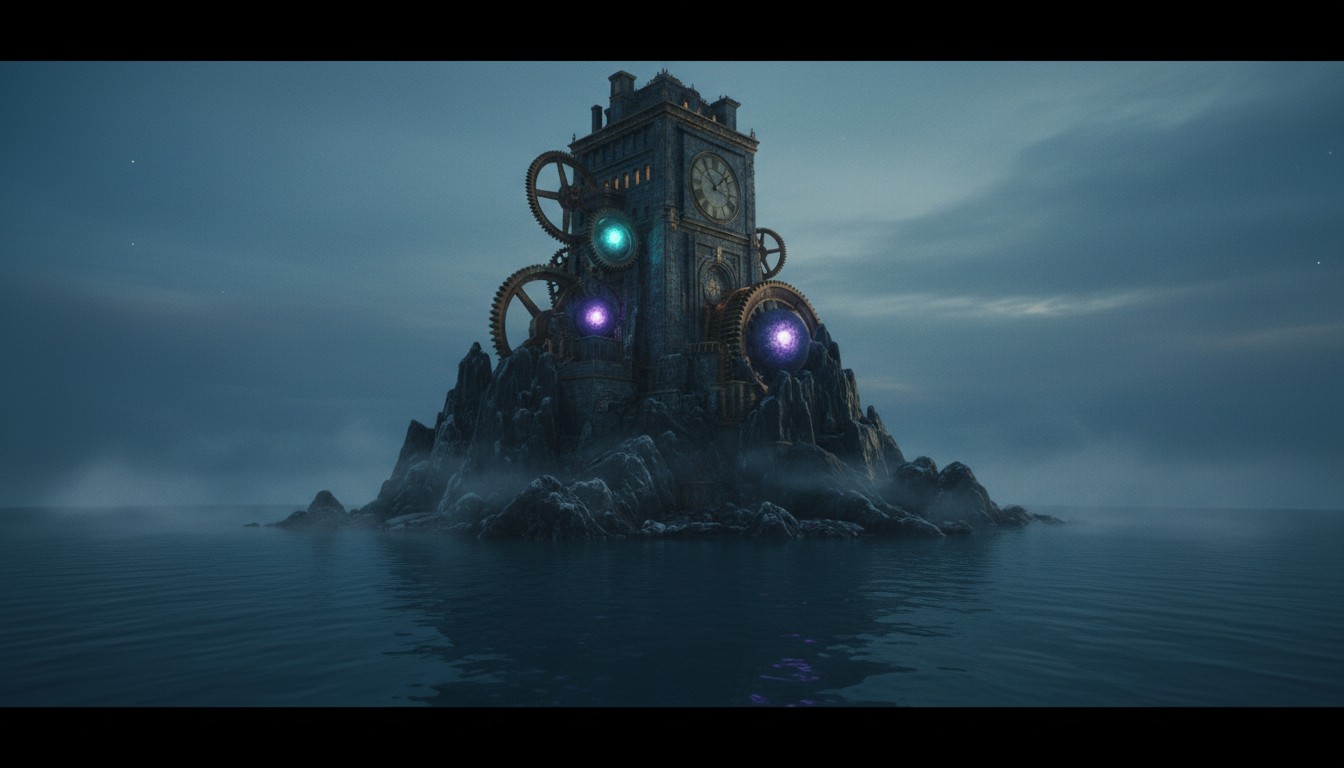
Cyan Worlds rebuilt the 1993 landmark from scratch in Unreal and shipped it on Quest first, on December 10 — the window’s prestige release. Myst was always a place you imagined; now it’s a place you stand inside. The island’s mechanisms, its books, its quiet dread all gain weight when they surround you. It’s contemplative, gorgeous, and demanding of patience in a launch window full of shooters, which is exactly why it matters.
This isn’t a remaster with a VR toggle. It’s a from-the-ground-up rethinking, and the Quest 2’s LCD makes the aged-world textures pop without the smear of older headsets. Bring your thinking cap. Myst rewards slow observation over twitch skill, and in late 2020 it’s the game that proved standalone VR can carry a thoughtful, adult puzzle epic.
Read our full coverage at Myst.
#12: Jurassic World Aftermath
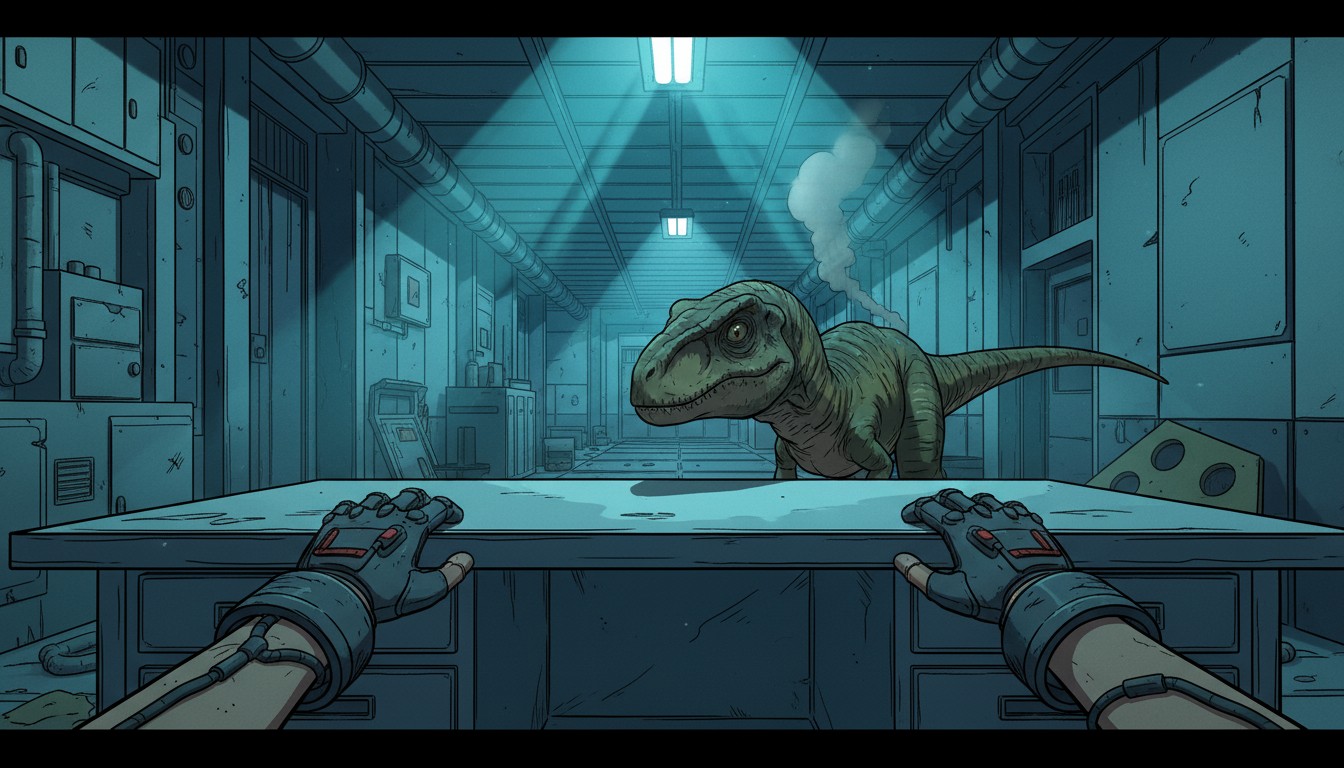
Coatsink and Oculus Studios closed the window on December 17 with Jurassic World Aftermath, Part One — announced at the Quest 2 reveal as a showcase for the new hardware, and it earns that spotlight as the scariest exclusive of the season. There’s no gun here. You’re unarmed in a Jurassic World facility, velociraptors hunting by sound, and your only tools are stealth and a shaky pulse of nerve. You hide. You survive. You regret every footstep.
It’s a bold note to end on — horror over heroics — and Part Two lands next year. But as a standalone VR stealth experience, it’s a genuine achievement, proof that the headset can frighten as well as it can thrill. The launch window opened with the walking dead in New Orleans and closed with raptors in the dark.
Read our full coverage at Jurassic World Aftermath.
Honorable Mentions
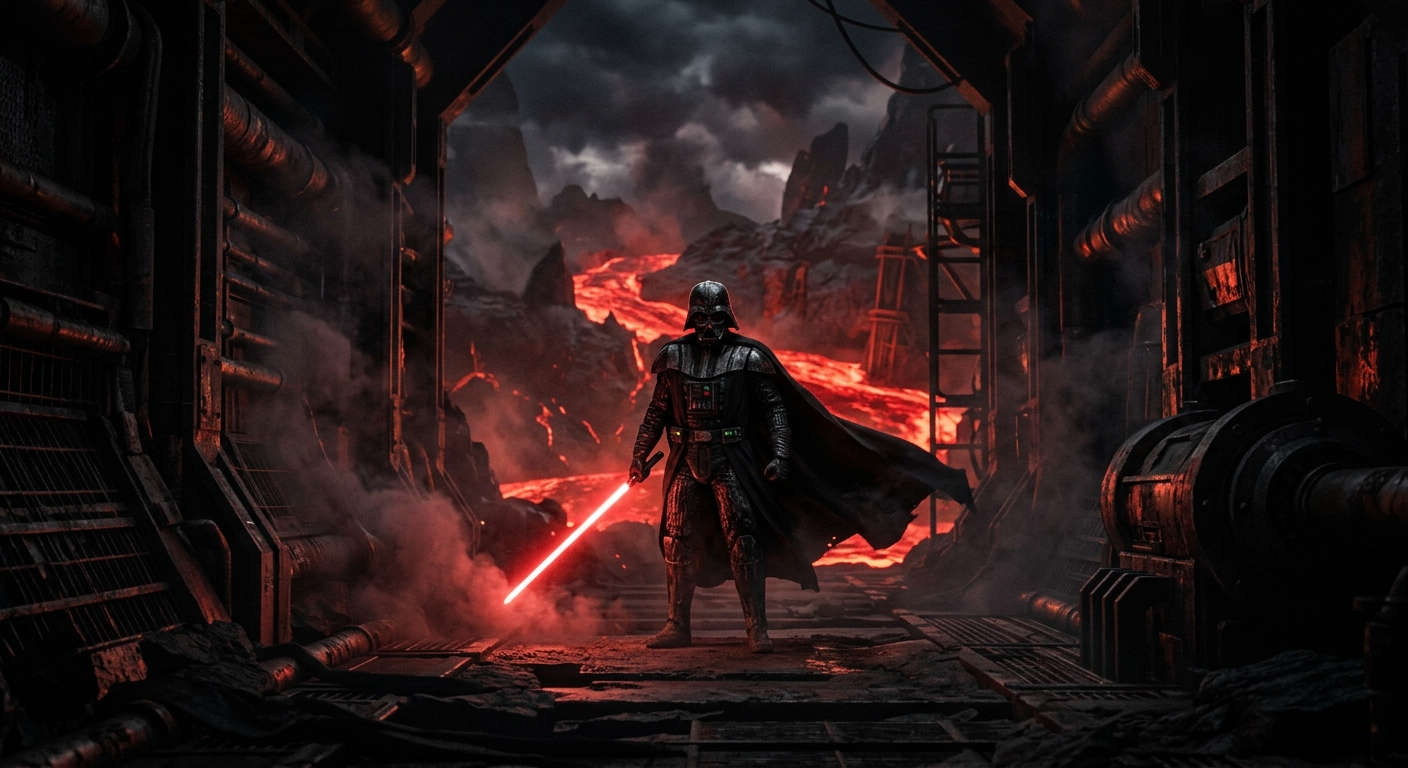
Vader Immortal — ILMxLAB’s 2019 trilogy was there on day one, and the Lightsaber Dojo remains the single best “I am a Jedi” simulator in VR. No other experience hands you a humming blade and sells the fantasy so completely. See Vader Immortal.
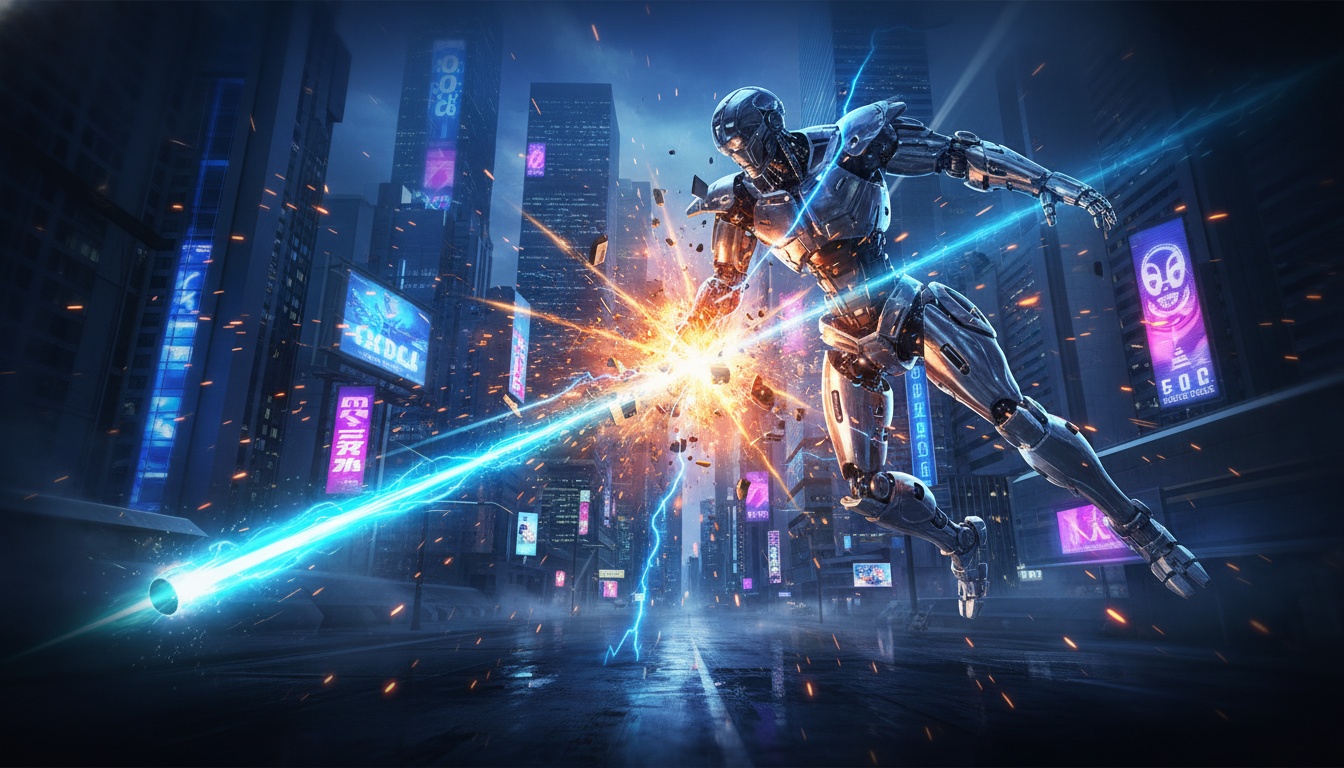
Robo Recall: Unplugged — the Rift showcase rebuilt for mobile silicon, and grabbing robots out of the air, ripping off their limbs, and using them as improvised weapons never gets old. A perfect demonstration of what Quest controllers can do. See Robo Recall: Unplugged.
Onward — the tactical milsim crowd’s home since July 30, 2020, with cross-play against PC. It’s the competitive shooter Quest 2 inherited rather than launched, and the hardcore community treats it like a sport.

The Room VR: A Dark Matter — Fireproof’s March 2020 puzzle-box is the best tactile mystery in VR, an atmospheric Edwardian supernatural tale where every object begs to be turned over in your hands. A perfect Quest 2 showcase. See The Room VR: A Dark Matter.
Warhammer 40,000: Battle Sister — December 8’s ambitious, uneven Warhammer debut, the franchise’s first VR shooter. It’s a curio for devotees more than a masterpiece, but its scale deserves a hat tip.
The Link Bonus: Two PC VR Heavyweights
The Quest 2’s killer trick is that it doesn’t need a PC — but when you plug in a USB-C cable, Oculus Link turns it into a PC VR headset. Two of the season’s biggest titles live on that side of the fence:
Star Wars: Squadrons (October 2, PC VR) — EA’s cockpit dogfighter is gorgeous in VR, every gauge and explosion filling your peripheral vision. On Quest 2 it plays through Oculus Link, no Rift required.
Medal of Honor: Above and Beyond (December 11, PC VR) — Respawn’s $60 six-hour campaign is the Oculus flagship holiday release, and on our Medal of Honor: Above and Beyond page you’ll find the full case for it.
The cable is the price of admission, but here’s the quiet truth: the Quest 2 doubled as the most affordable PC VR headset of 2020. Buy the standalone toy, and the high-end library comes along when you’re ready to plug in.
The Lineup That Proved Standalone VR Wasn’t a Fluke
Two months ago, the smart take was that the Quest 2 was just a spec bump — same games, shinier glass. The launch window answered that in the only language that matters: a steady drumbeat of must-play releases, one after another, from Saints & Sinners to Jurassic World Aftermath, with a PC VR holiday blockbuster riding in on a cable. That’s not a library refresh. That’s a platform behaving like a platform.
By the end of 2020, the argument was over. The Quest 2 is the best-selling VR headset of 2020, and standalone VR is no longer the experimental cousin of the PC — it’s the mainstream the industry spent a decade chasing. Facebook didn’t just ship better hardware. It shipped a calendar, and the calendar shipped a future.