
Top 20 VR Games of 2018
The year VR got serious — from rhythm phenomena and robot rescue missions to tactical shooters and physics playgrounds. The twenty games that defined VR's third act.
2017 proved VR could be great. 2018 proved it could be mainstream.
Beat Saber didn’t just top the VR charts — it topped the Steam charts, full stop. Astro Bot delivered the platformer that made PSVR owners forget they were waiting for Mario. Firewall Zero Hour proved tactical FPS worked in a headset. And beneath the headlines, games like Red Matter, In Death, and Blade & Sorcery were building the depth that turns a platform from promising into essential.
This was the year VR stopped asking for permission. The releases weren’t just “good for VR” — they were genuinely competitive with flat-screen alternatives in their genres. The install base grew, the software library thickened, and the conversation shifted from “is VR real?” to “which VR game should I play next?”
This list ranks the twenty most significant VR games of 2018. Not just by quality, but by how much they moved the medium forward.
#20: Doom 3 BFG VR
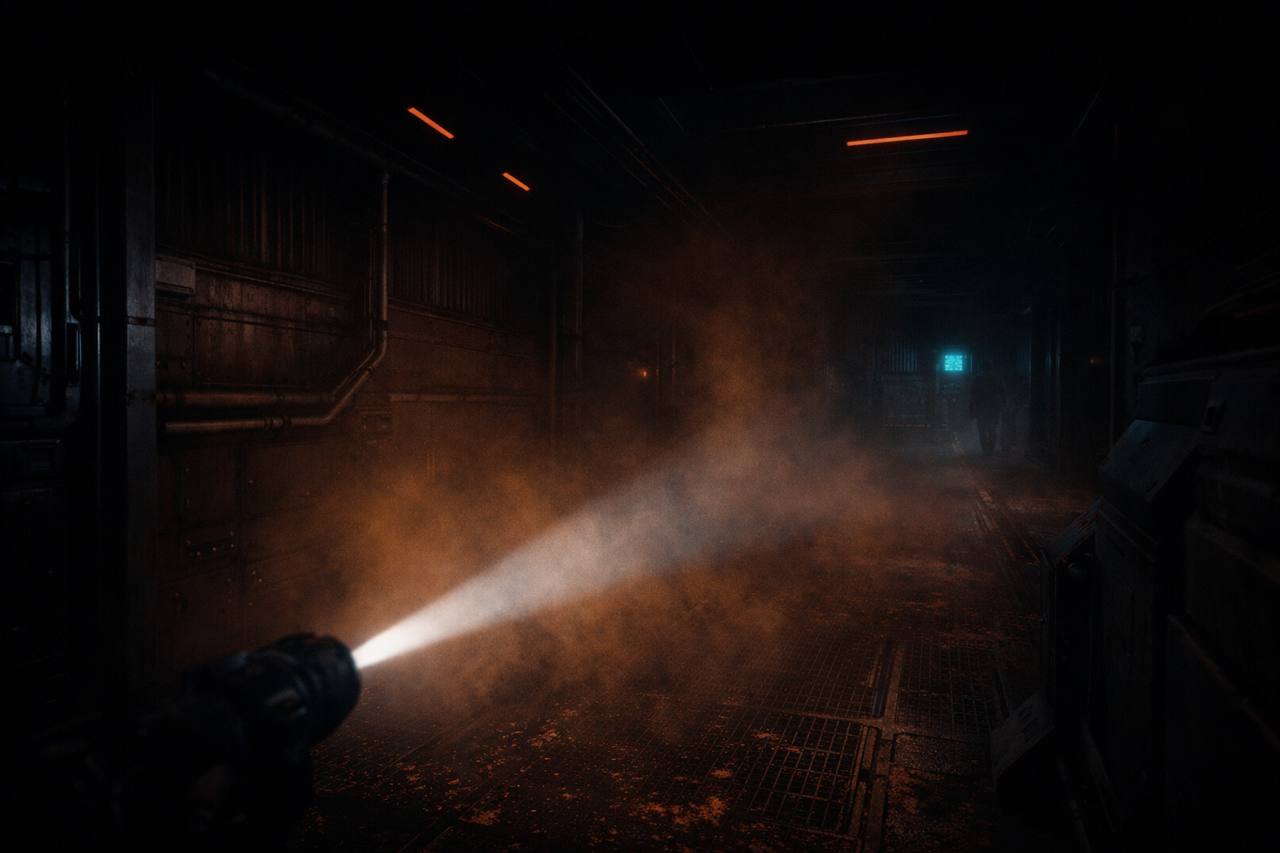
The community did what id wouldn’t — bring a full Doom campaign into VR with proper weapon handling, crouching, and flashlight management. Doom 3 was always the atmospheric outlier of the series, and in VR that atmosphere becomes suffocating in the best way. The dark corridors, the audio logs, the sudden demon spawns — they’re all more potent when the Martian base is surrounding you instead of sitting on a monitor. The mod requires setup and a tolerance for unofficial configurations, but the payoff is a complete AAA horror-shooter in VR that nobody asked for officially but everybody should play.
Read the full Doom 3 BFG VR review
#19: Deracine
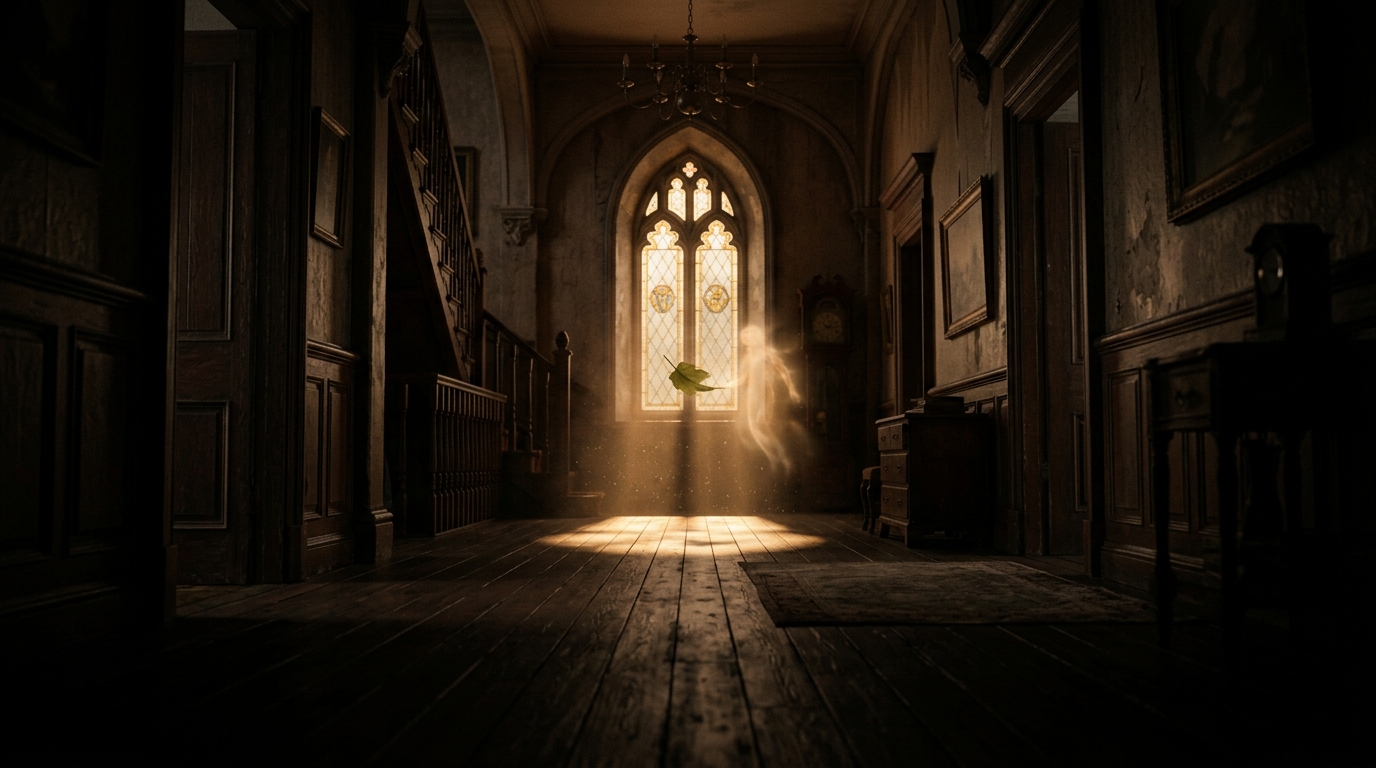
FromSoftware, the studio behind Dark Souls and Bloodborne, made a quiet boarding school mystery where you play as an invisible faerie manipulating time. No combat, no death loops — just a handful of students, a story about mortality, and the most contemplative VR narrative of 2018. The point-and-click structure and slow pacing won’t work for everyone, but Deracine proved that VR could sustain a story that demanded patience instead of adrenaline. It’s a haiku where the studio usually writes epics.
Read the full Deracine VR review
#18: Seeking Dawn
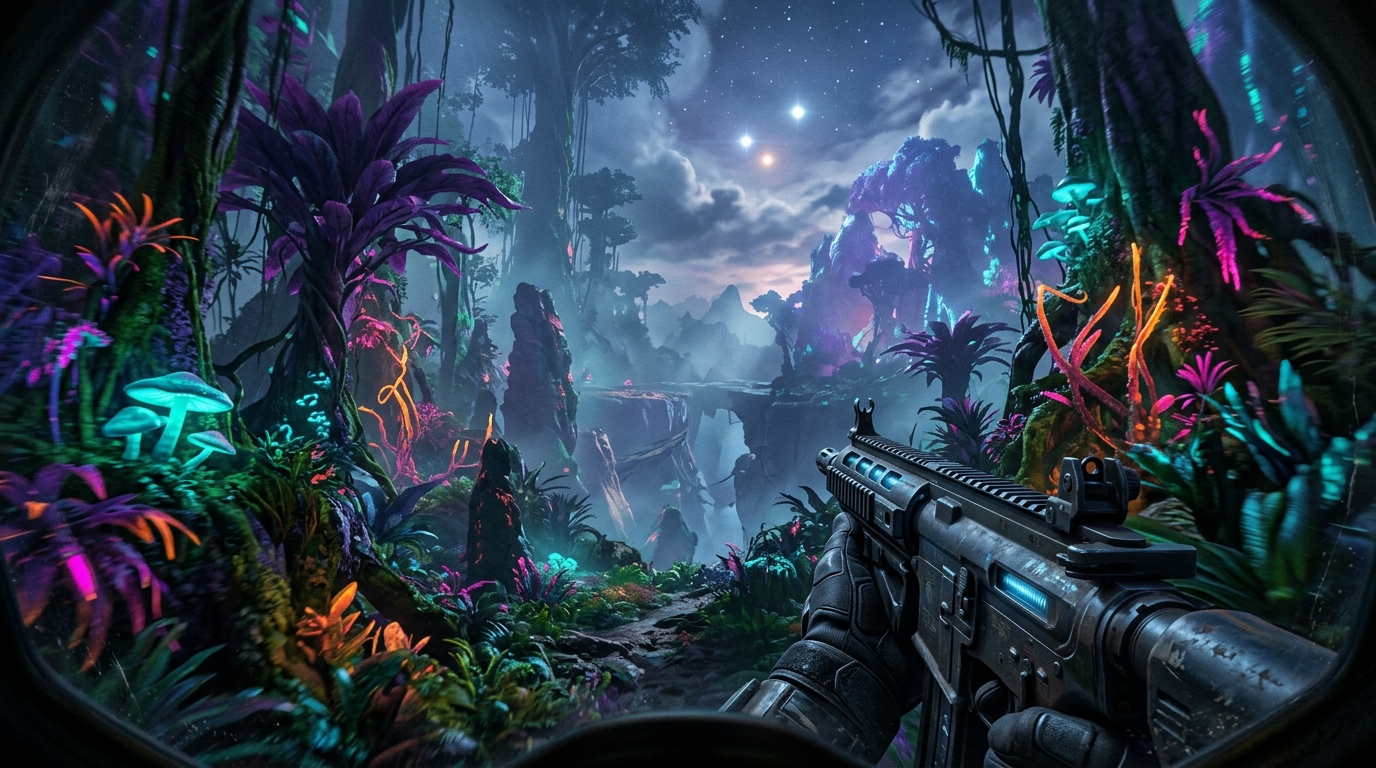
Multiverse built one of VR’s longest native campaigns — a ten-plus-hour sci-fi survival adventure on an alien planet with crafting, combat, and exploration that actually felt like a full game. The visuals were among the most striking on any headset in 2018, and the combat against alien creatures in three dimensions delivered genuine thrills. The survival mechanics dragged the experience down with tedious resource gathering and menu diving, and performance on mid-range hardware was rough. But for VR owners desperate for a game with real length, Seeking Dawn was one of the few options that delivered on the promise.
Read the full Seeking Dawn VR review
#17: Apex Construct
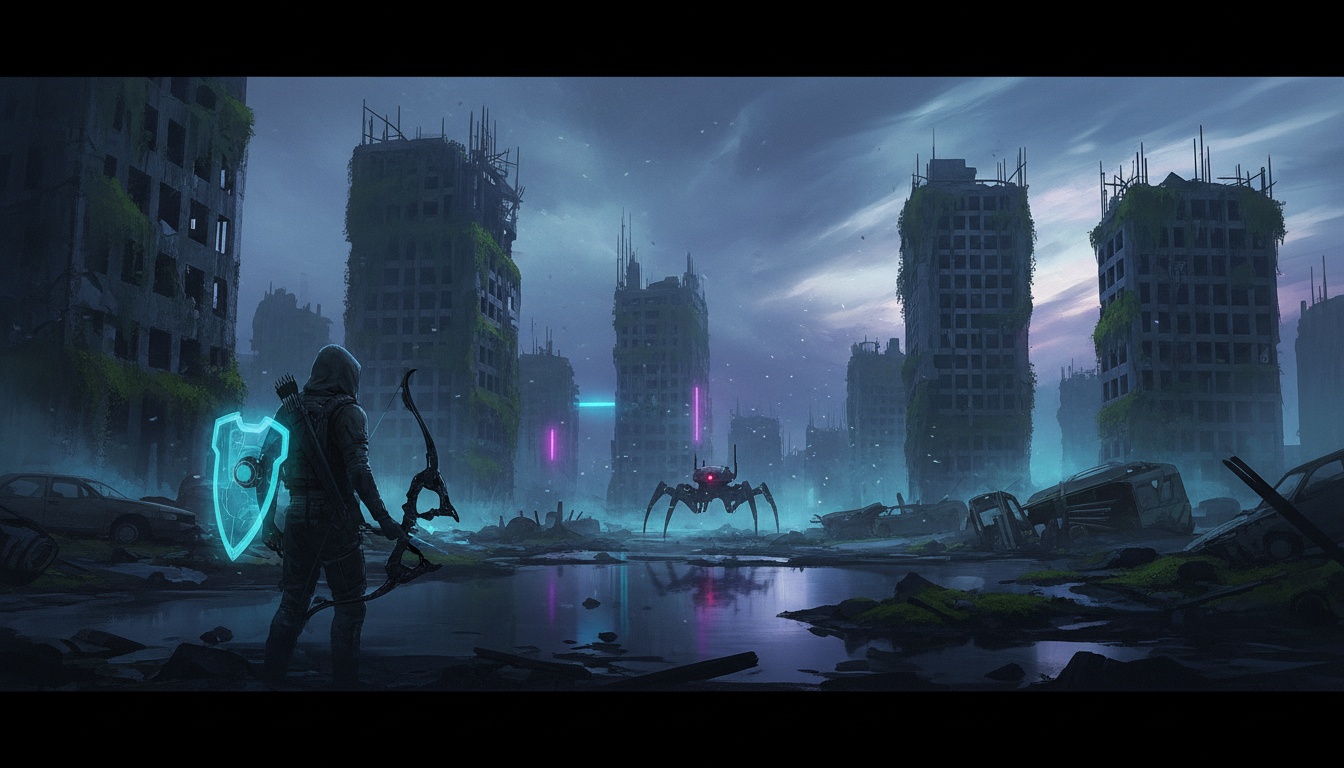
Fast Travel Games delivered one of the first full-length narrative campaigns built from the ground up for VR. Apex Construct is a post-apocalyptic bow-shooter set in a ruined Scandinavian city where rogue AI has destroyed humanity. The bow mechanics are satisfying — grabbing arrows from your quiver, drawing back the string, and watching robots shatter in slow motion never got old. The narrative is thin, the enemy variety is limited, and the structure gets repetitive by the back half, but in early 2018, simply having a VR game with a beginning, middle, and end felt like a breakthrough.
Read the full Apex Construct VR review
#16: Subnautica

Unknown Worlds’ underwater survival game had been in early access for years before its official 2018 launch, and the VR mode — technically a mod of the flat-screen version — turned one of the best survival games into one of the most terrifying. The ocean is already a place of primal fear. In VR, every shadow in the deep water becomes a threat, and the Reaper Leviathans that were scary on a monitor become absolutely menacing when they’re twenty meters away and getting closer. The VR integration is rough — menus are finicky, performance can struggle, and some interactions feel like flat-screen holdovers. But the core experience of exploring an alien ocean, building bases, and managing oxygen while something enormous moves in the darkness below you is transformative.
Read the full Subnautica VR review
#15: Space Junkies
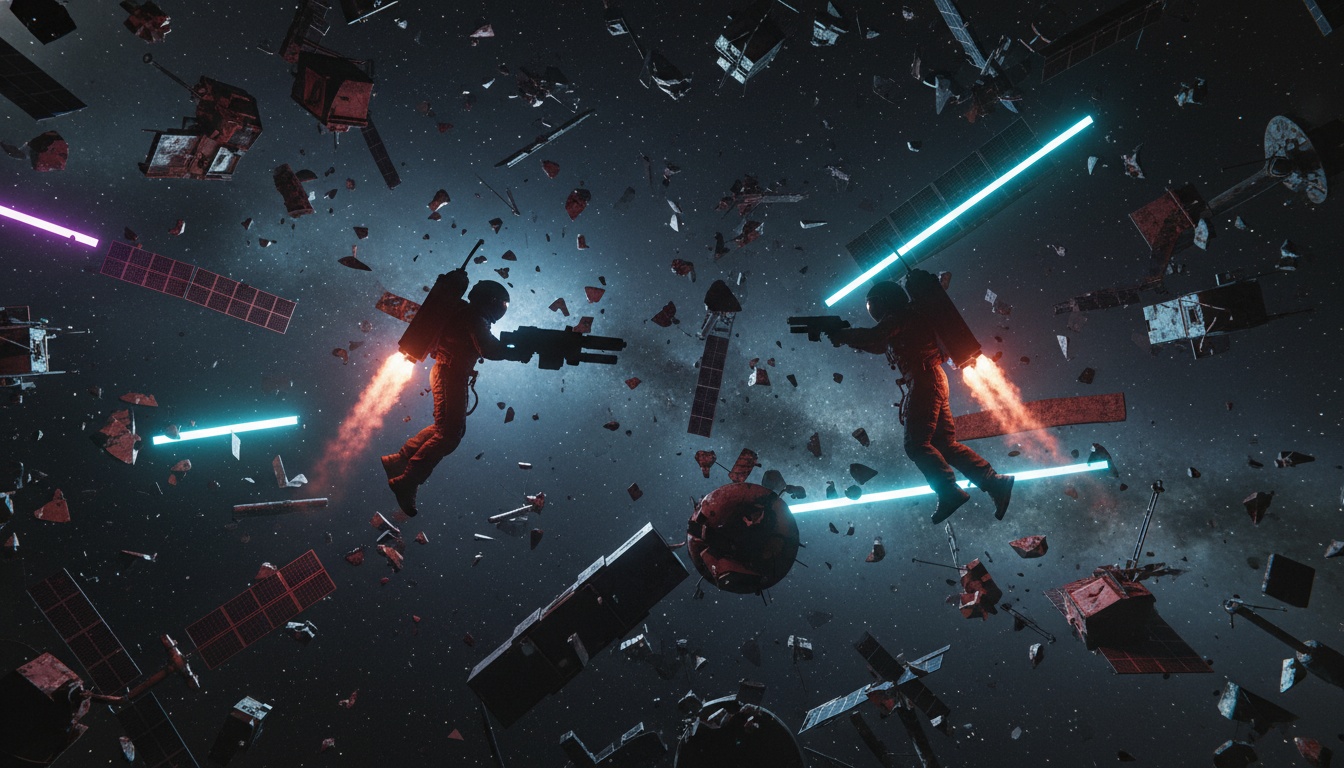
Ubisoft Montpellier built a zero-G arena shooter where you thrusted through orbital arenas with jetpacks and dual-wielded weapons in full 360-degree freedom. The movement was the star — floating, spinning, and dodging in space felt like the VR esports concept that could actually work. Ubisoft even ran tournaments. The problem was population: a multiplayer-only shooter lives or dies by its queue times, and Space Junkies never built the player base to sustain competitive play. When the servers eventually went dark, so did the game. As a proof of concept for zero-G competitive FPS, it was excellent. As a product you could rely on, it was temporary.
Read the full Space Junkies VR review
#14: Pixel Ripped 1989

Arvore Interactive built a game about playing games — specifically, about being a kid in 1989 trying to beat a Game Boy-style handheld while the real world keeps interrupting. The meta-layering is the whole point: you’re sitting in a classroom playing a pixel-art platformer on a tiny screen while the teacher walks past, and you have to manage both layers simultaneously. It’s clever, nostalgic, and genuinely inventive as a VR concept. The platforming on the handheld is simple but functional, and the real-world interruptions create a tension that only works because you’re physically present in both spaces. A love letter to gaming history that uses VR not for immersion but for distraction.
Read the full Pixel Ripped 1989 VR review
#13: Borderlands 2 VR
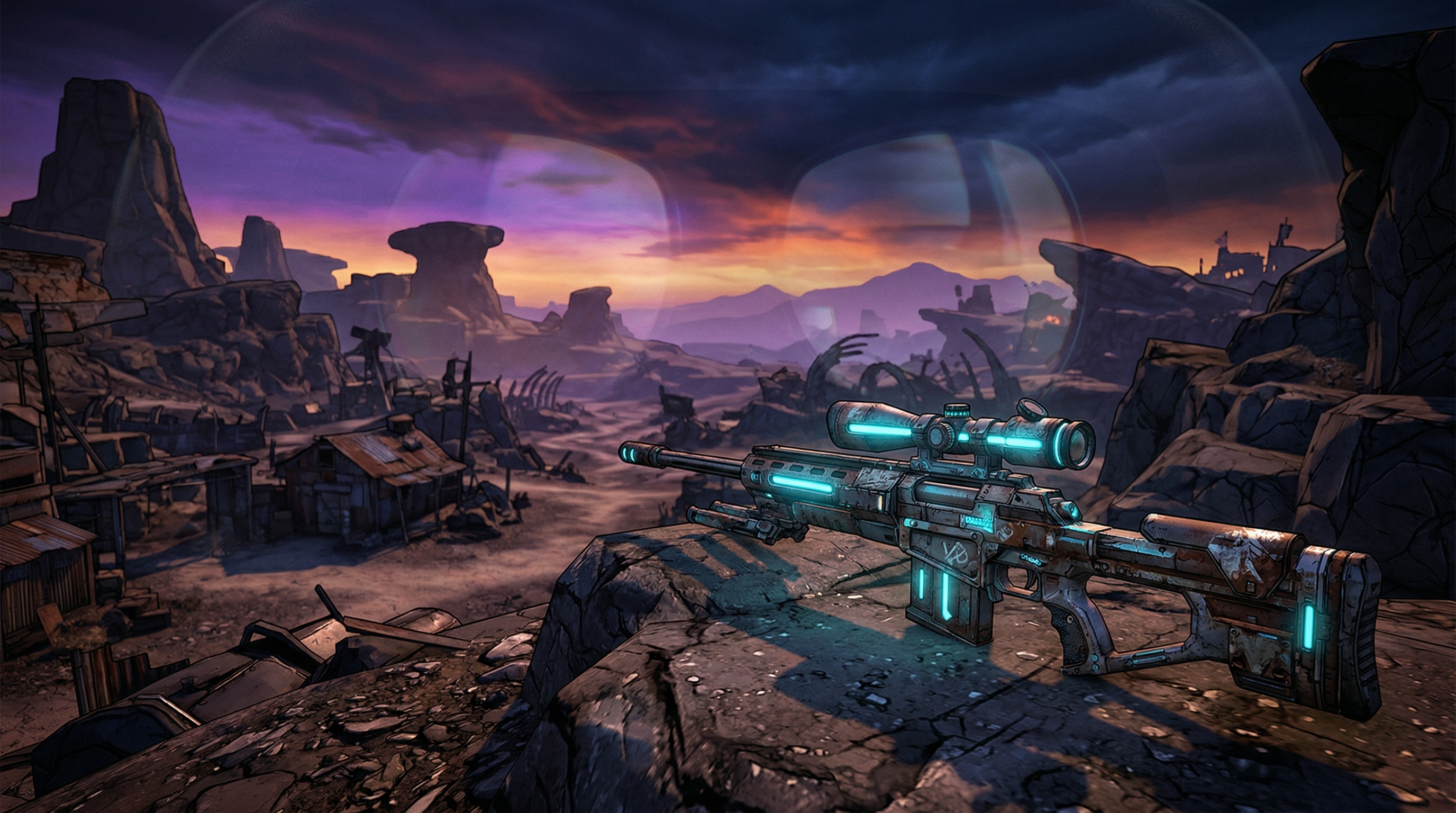
Gearbox shoved an entire looter-shooter RPG into a PSVR headset — every gun, every skill tree, every joke from Handsome Jack. The sheer scale of the port was impressive: this was a 50+ hour game running on 2016-era console hardware with a headset strapped to it. The motion controls added genuine value — aiming dual-wielded weapons independently, physically throwing grenades, and using V.A.T.S.-like Bad Ass targeting to paint enemies with your gaze. But the PSVR version launched without co-op, the performance struggled in chaotic firefights, and the text-heavy UI was never redesigned for headset viewing. A monumental porting effort that proved big games could fit in VR, even if the fit was tight.
Read the full Borderlands 2 VR review
#12: Sprint Vector
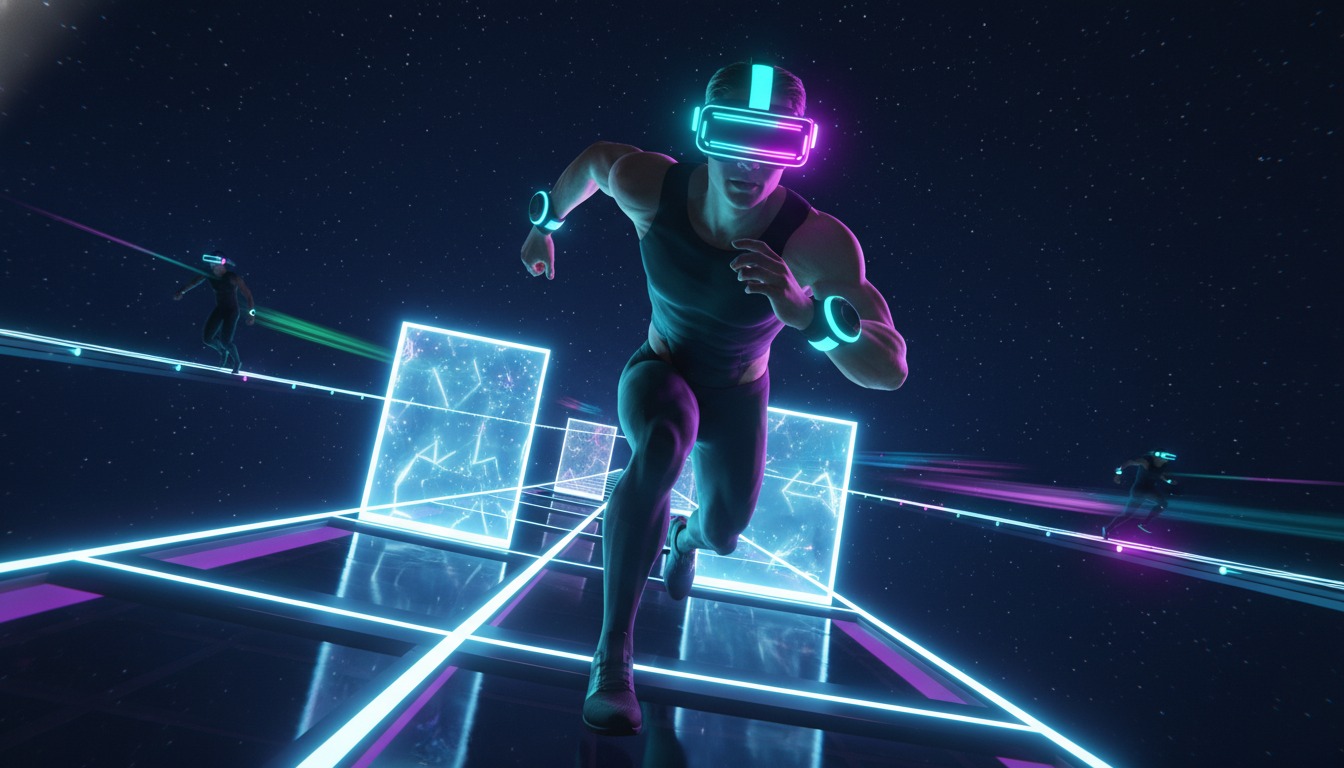
Survios built the VR game that made you sweat. Sprint Vector’s arm-pumping locomotion — physically swinging your arms to run, leaning to steer, sweeping to drift through turns — translated real athletic effort into virtual speed in a way that felt honest and exhilarating. The racing tracks were packed with shortcuts, boost pads, and hazard gates. The multiplayer was competitive and physical. The problem was that Sprint Vector demanded a level of cardio commitment that most VR players weren’t ready for — this is a game that leaves you genuinely winded after a single race. For those willing to put in the effort, it was the most physically intense VR game of 2018.
Read the full Sprint Vector VR review
#11: Hellblade: Senua’s Sacrifice
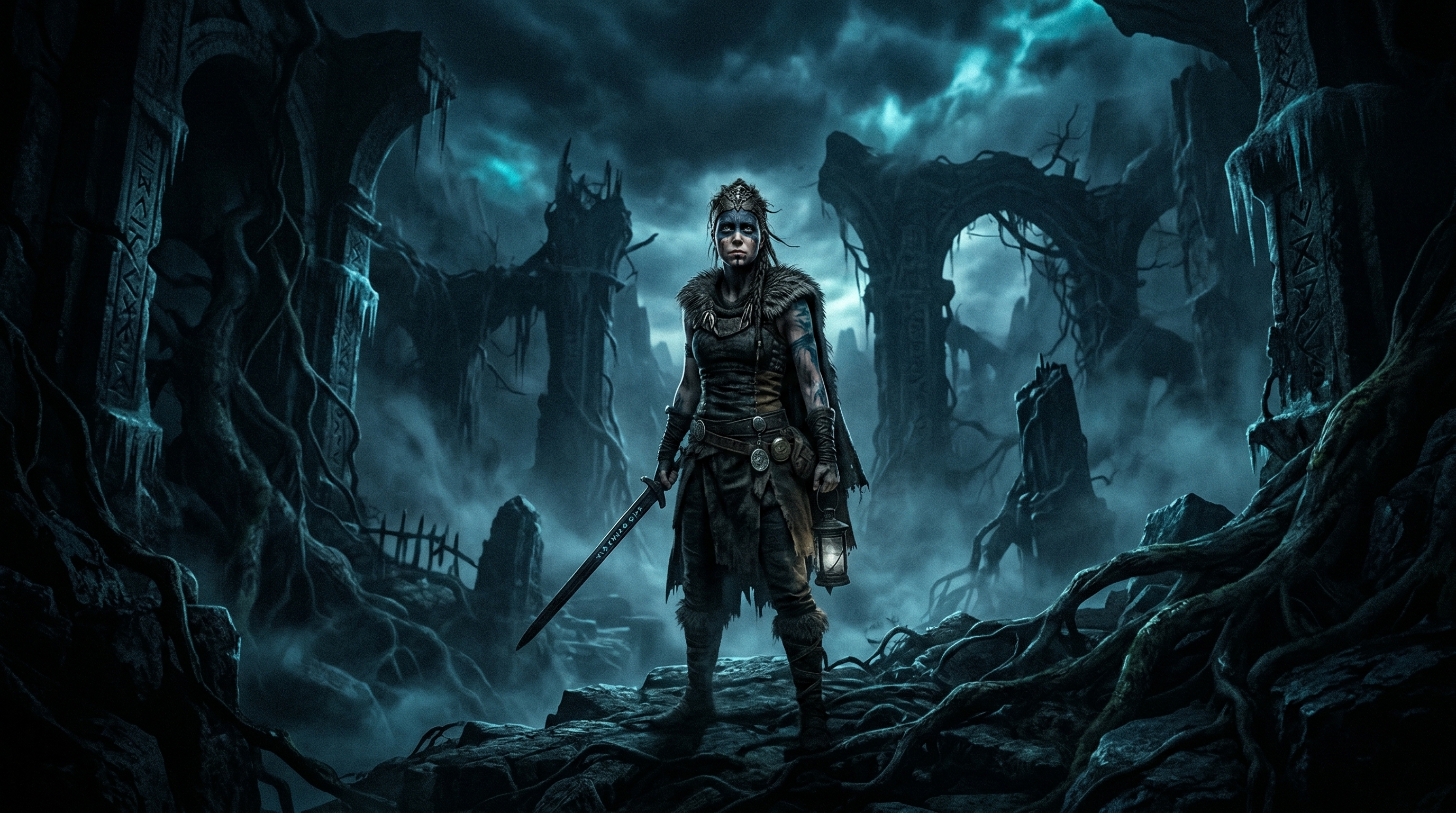
Ninja Theory’s psychological horror-action game gained more from VR than almost any flat-to-VR conversion in 2018. The binaural audio — voices whispering from behind, beside, and inside your head — was designed for headphones. In VR with spatial audio, it became genuinely destabilizing. The combat encounters, where Senua fights through visions of her own psychosis, take on a physical weight when you’re standing in the fog with her. The game’s themes of mental illness, perception, and reality were already unsettling on a screen. In VR, they’re confronting. A powerful example of how the right game in the right format can elevate both.
Read the full Hellblade: Senua’s Sacrifice VR review
#10: Transference
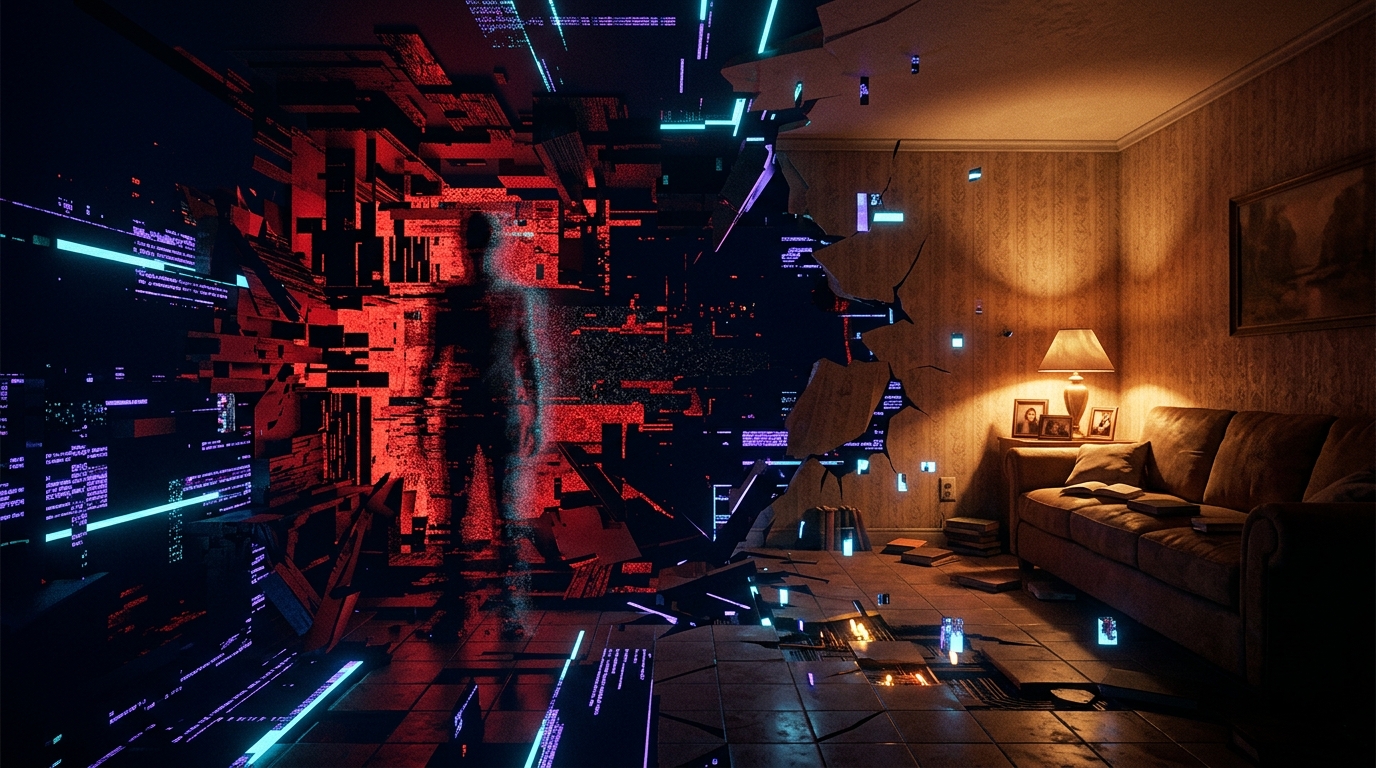
SpectreVision and Ubisoft Montreal built a psychological thriller that uses VR not as a display but as a storytelling device. You explore the corrupted memories of a family trapped inside a scientist’s digital mind-transfer experiment, and the VR perspective makes the glitches, jumps, and shifts between memory layers feel like actual cognitive malfunction. The environmental storytelling — photographs, audio logs, text messages — is sharp and unnerving. The horror is psychological rather than violent, which means it lingers longer. Transference proved that VR horror didn’t need jump scares or monsters; it just needed you inside a broken mind.
Read the full Transference VR review
#9: Creed: Rise to Glory
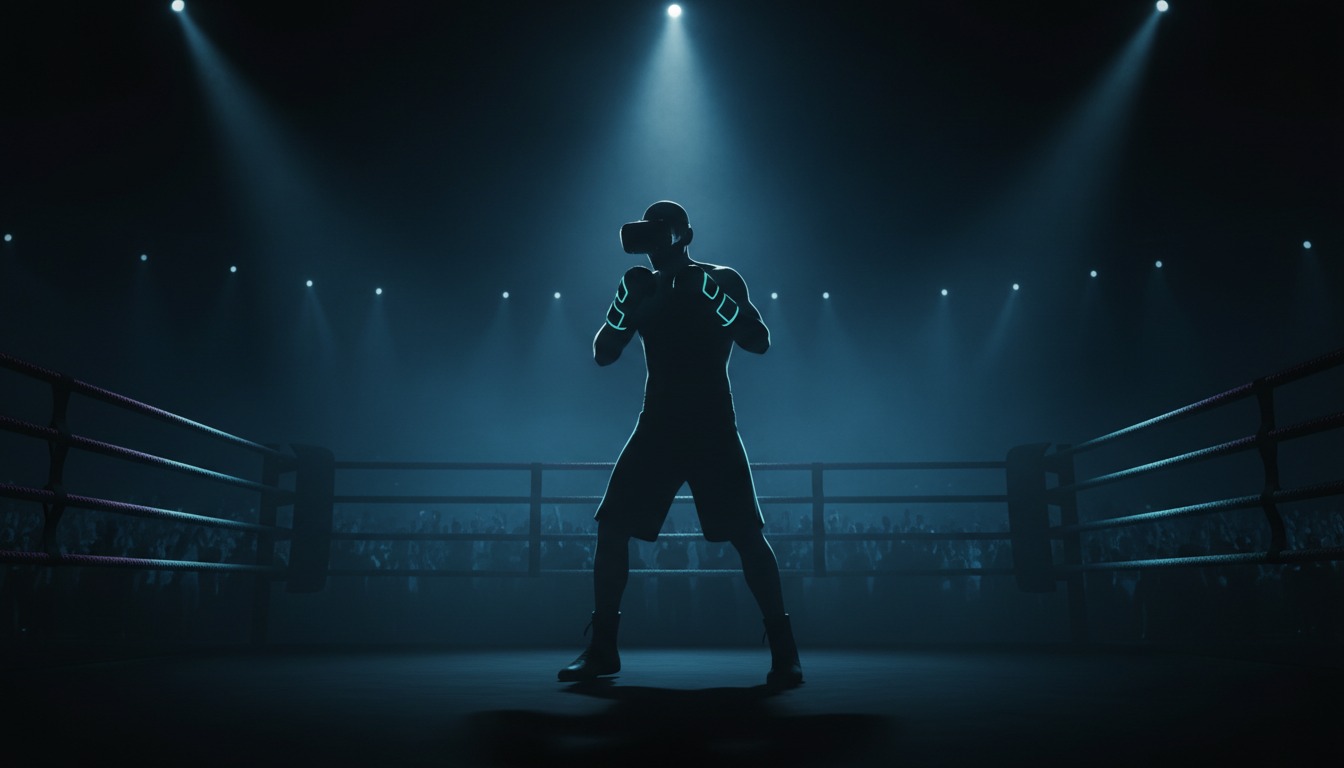
Survios traded the sprint mechanics of Sprint Vector for boxing gloves and built the most convincing VR boxing game of 2018. The punch tracking is responsive, the opponent AI forces you to actually bob and weave, and the training montages between fights create a rhythm that makes the career mode feel like a sports movie you’re starring in. The Phantom Melee system that pulls you back into range when you drift too far is a clever solution to VR locomotion limits in a boxing ring. Creed isn’t a deep boxing simulation — it’s a cinematic boxing experience, and it knows exactly what it wants to be.
Read the full Creed: Rise to Glory VR review
#8: Red Matter
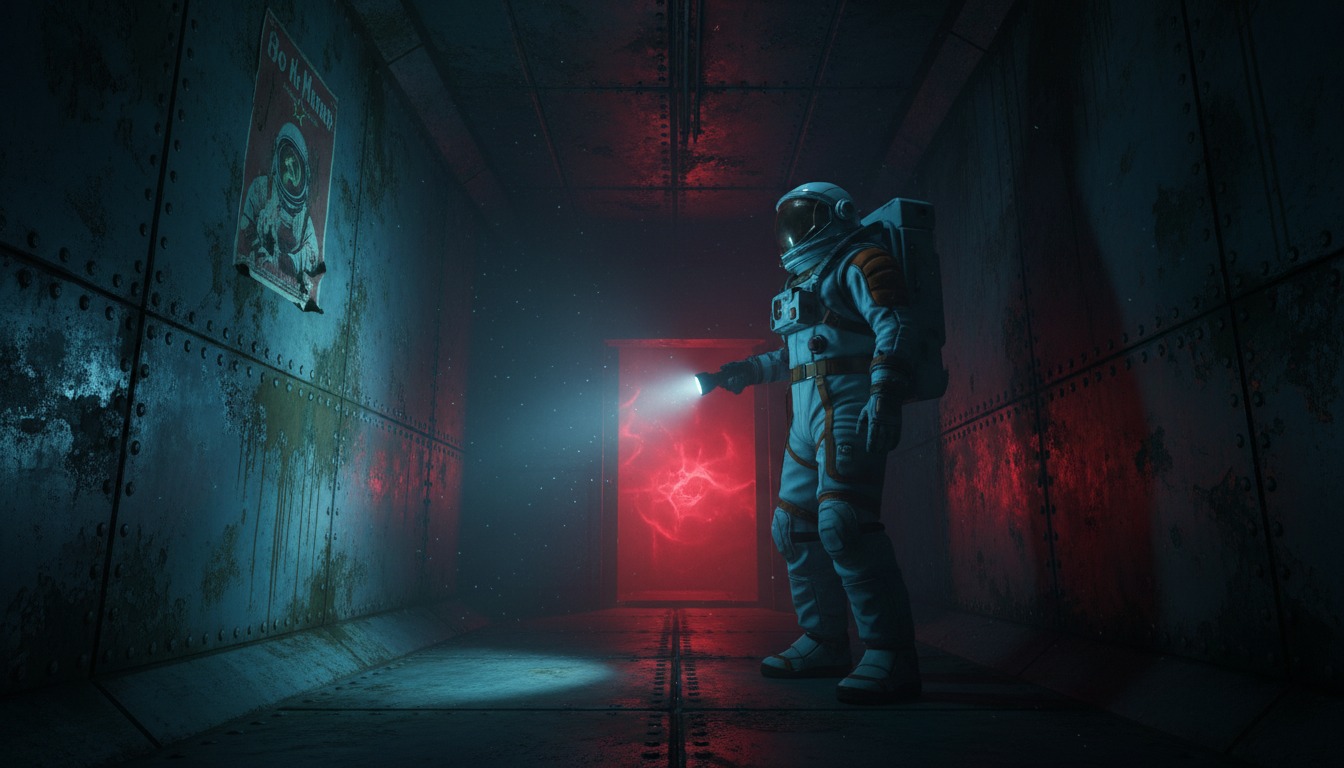
Vertical Robot delivered the best-looking VR game of 2018. Red Matter is a puzzle-adventure set in a Soviet moon base during an alternate Cold War, and every surface, every light, every piece of equipment is rendered with a level of detail that made most other VR games look last-gen by comparison. The puzzles are environmental and logical — examining documents, operating machinery, decoding signals — and the VR interactions are some of the most natural in the medium. Picking up a clipboard and reading it feels like picking up a clipboard and reading it. The story is cold-war conspiracy done well, the environments are stunning, and the entire experience is polished to a mirror sheen. Red Matter set a visual standard that took years for other VR games to match.
Read the full Red Matter VR review
#7: Blade & Sorcery
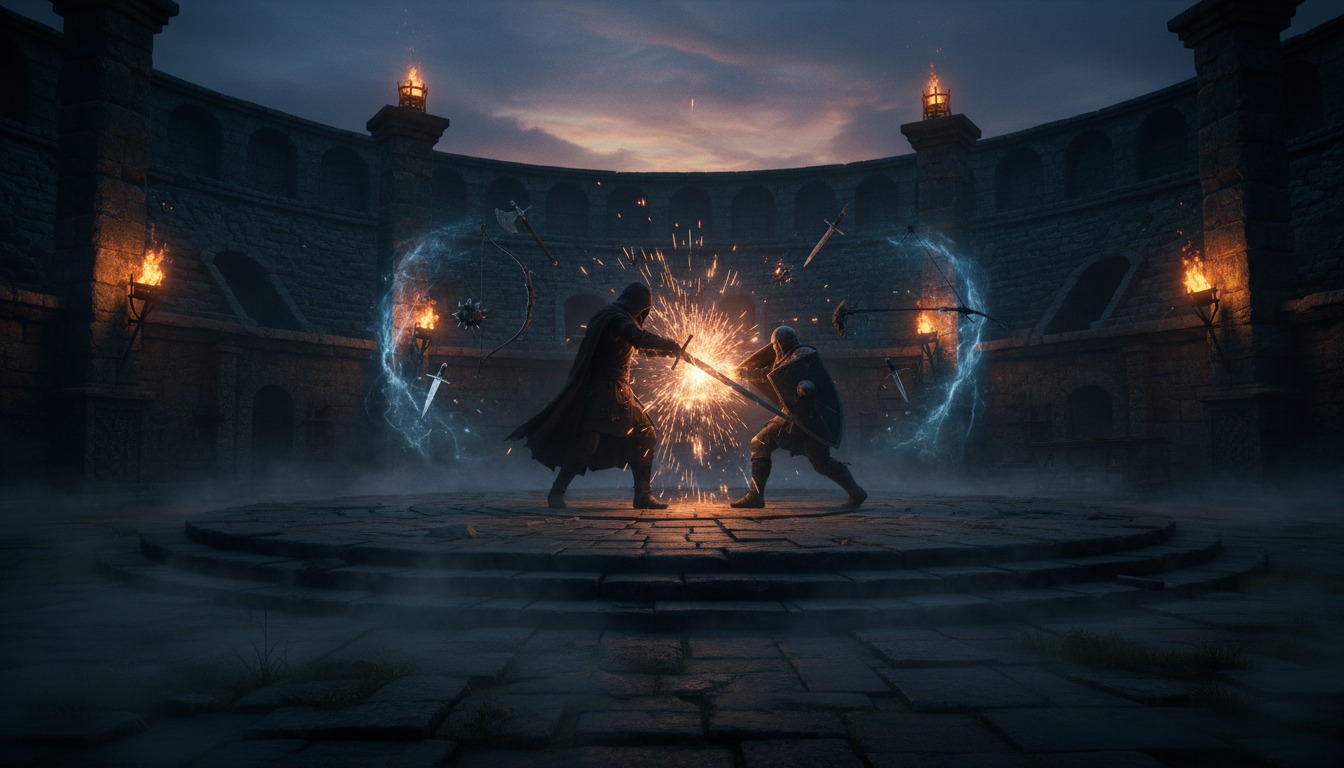
Warpfrog built the physics sandbox that VR melee combat had been waiting for. Every weapon has weight, every shield blocks where you hold it, and every impact feels like a real collision because the physics engine isn’t faking it. Swords bounce off armor. Daggers find gaps. Maces crush through guards. The magic system — telekinesis, lightning, gravity — adds a layer of power fantasy that the purely physical games can’t match. Blade & Sorcery launched in early access in 2018, and even in its initial state, the combat felt more satisfying than most finished VR melee titles. The caveat was always content: the sandbox was deep but the structured campaign was thin. As a combat system in search of a game, though, it was unmatched.
Read the full Blade & Sorcery VR review
#6: Budget Cuts
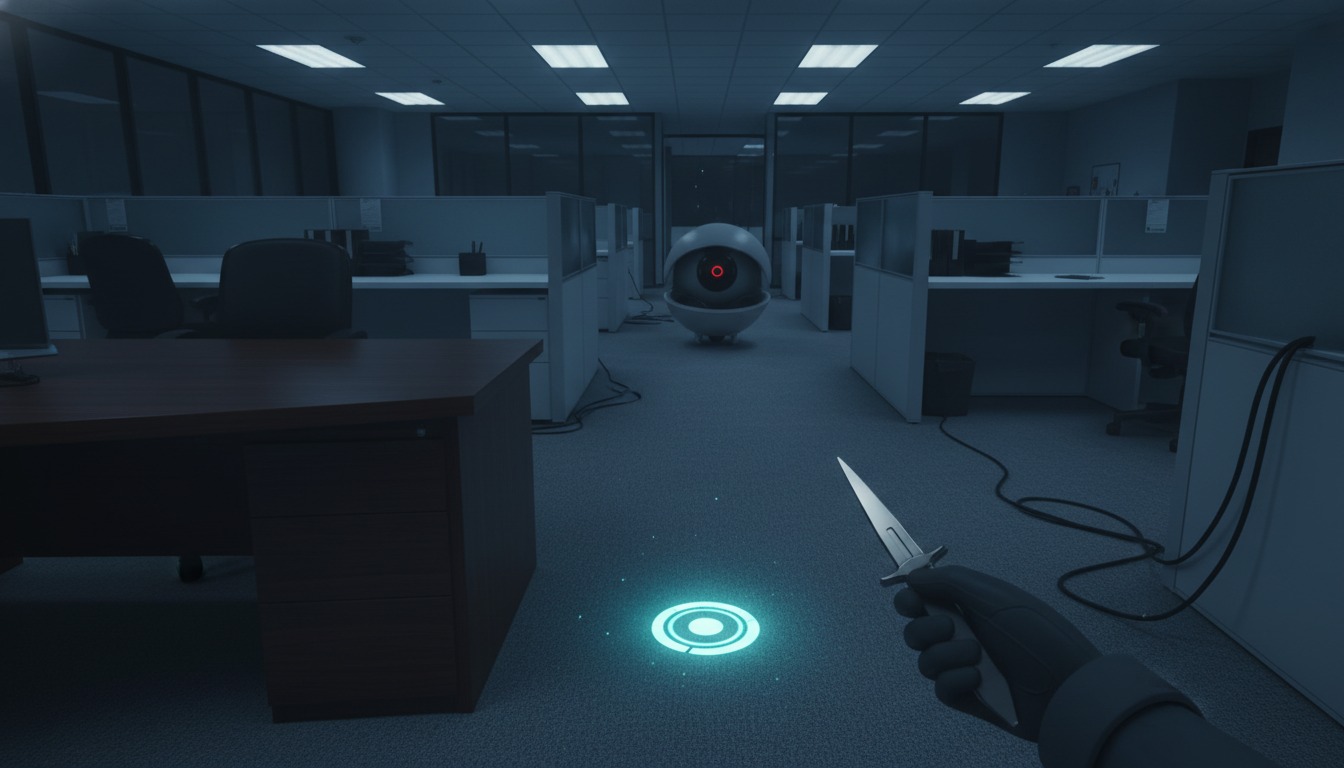
Neat Corporation built the VR stealth game that the community had been anticipating since its 2016 demo blew up the internet. The final product was more conventional than the demo promised — a linear office infiltration with teleportation-based movement, knife throwing, and robot guard evasion. The portal-based locomotion system, where you peek through a disc to scout before teleporting, remains one of VR’s smartest movement ideas. The throwing mechanics are physical and satisfying. The humor — a dystopian corporate office where you’re literally fighting your way through HR — lands more often than it misses. Budget Cuts didn’t reinvent VR, but it delivered a polished, funny, complete stealth adventure in a year when many VR games still shipped as experiments.
Read the full Budget Cuts VR review
#5: In Death
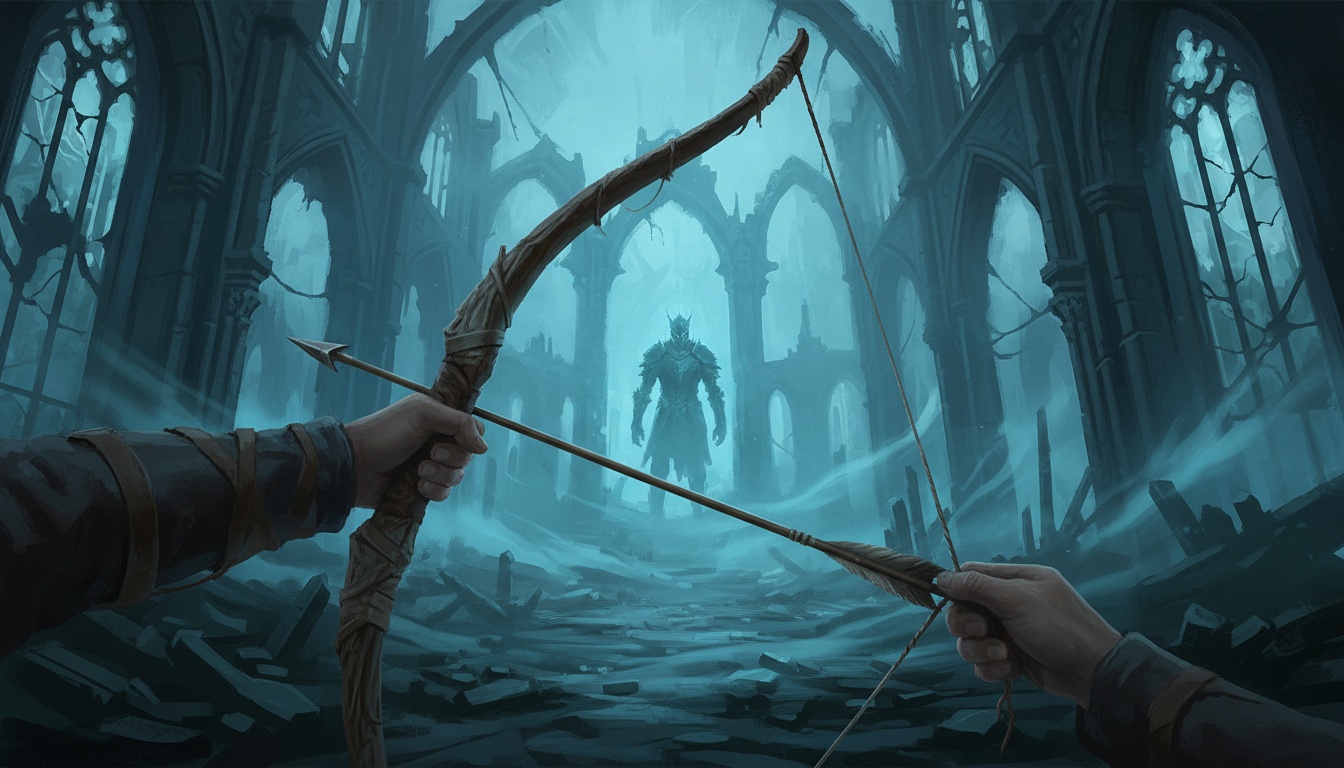
Sólfar Studios built a roguelike archery game that should have been a niche curiosity and instead became one of VR’s most replayable titles. The arrow-to-arrow combat loop — draw, aim, release, dodge, repeat — is rhythmic and precise in a way that flat-screen archery can’t replicate. The procedurally generated cathedral levels ensure every run is different. The difficulty is punishing but fair, and the progression system keeps you coming back for “one more run.” In Death proved that VR roguelikes didn’t need to compromise on depth or difficulty. The game is still getting updates, still finding new players, and still representing the gold standard for VR-native roguelike design.
Read the full In Death VR review
#4: Tetris Effect
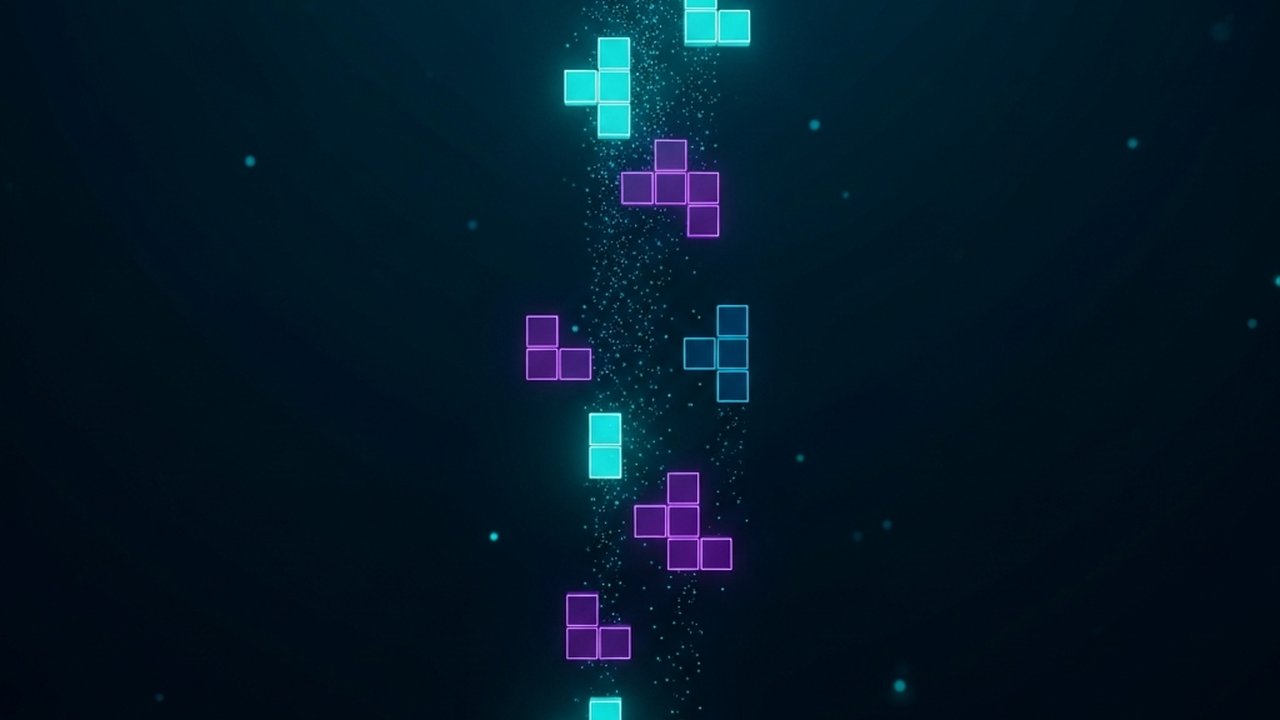
Tetsuya Mizuguchi took the most mechanically perfect puzzle game ever designed and wrapped it in synesthesia. Tetris Effect isn’t just Tetris with particle effects — the music, the visuals, the haptics, and the block-clearing are all synchronized into a single sensory feedback loop that builds and releases tension like a DJ set. In VR, the effect is amplified: the backgrounds surround you, the particles fly past your ears, and the zone-out state that Tetris players know becomes something closer to meditation. The flat-screen version is excellent. The VR version is transcendent. It’s the rare game where adding VR doesn’t enhance the mechanics — it enhances the feeling.
Read the full Tetris Effect VR review
#3: Firewall Zero Hour
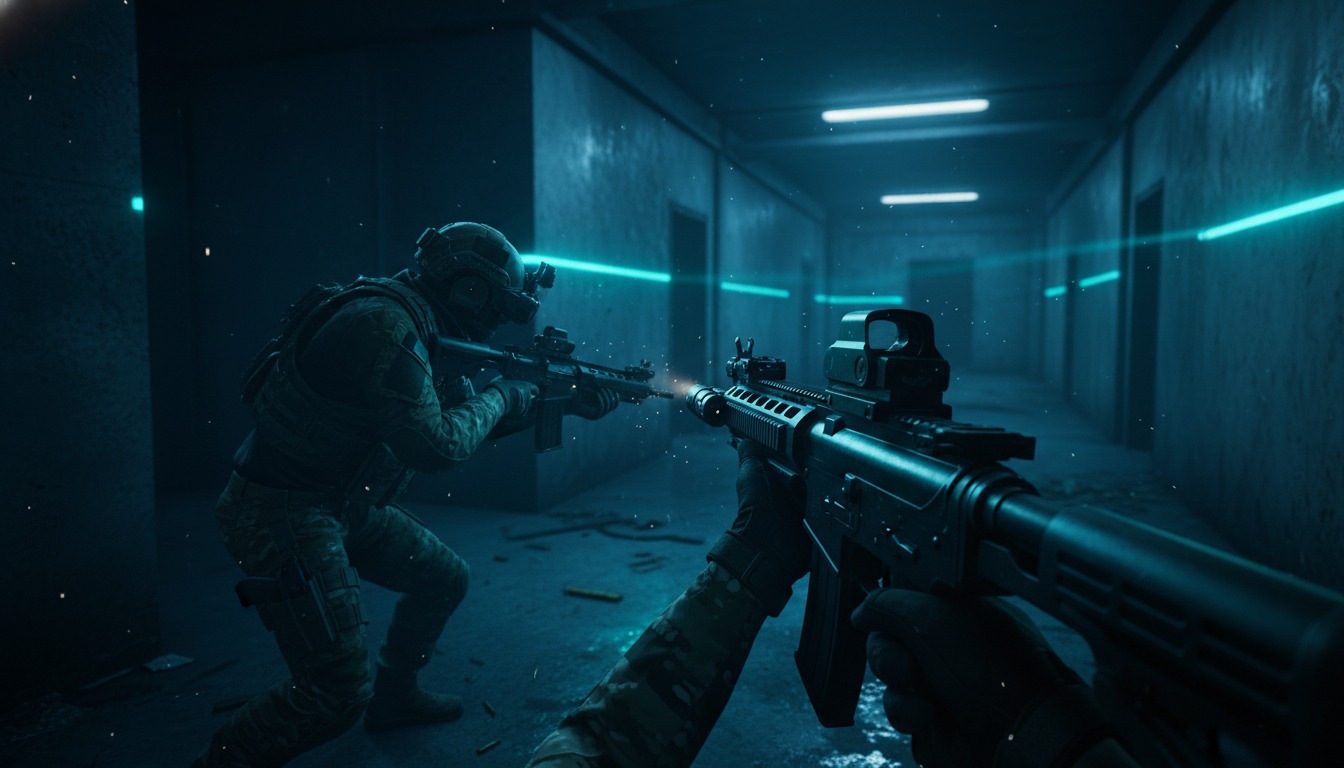
First Contact Entertainment and Sony built the tactical shooter that proved FPS worked in VR — not as a novelty, but as a genuine competitive experience. The Aim Controller transforms PSVR into something closer to a training simulator than a game: you physically aim down sights, lean around corners, and check your weapon’s magazine by looking at it. The 4v4 multiplayer was the draw, with contract-based attack/defend rounds that emphasized teamwork and map knowledge over twitch reflexes. The single-player contracts provided a solo training ground. The community was small but dedicated, and for a stretch in 2018, Firewall was the reason to own a PSVR and an Aim Controller.
Read the full Firewall Zero Hour VR review
#2: Astro Bot Rescue Mission
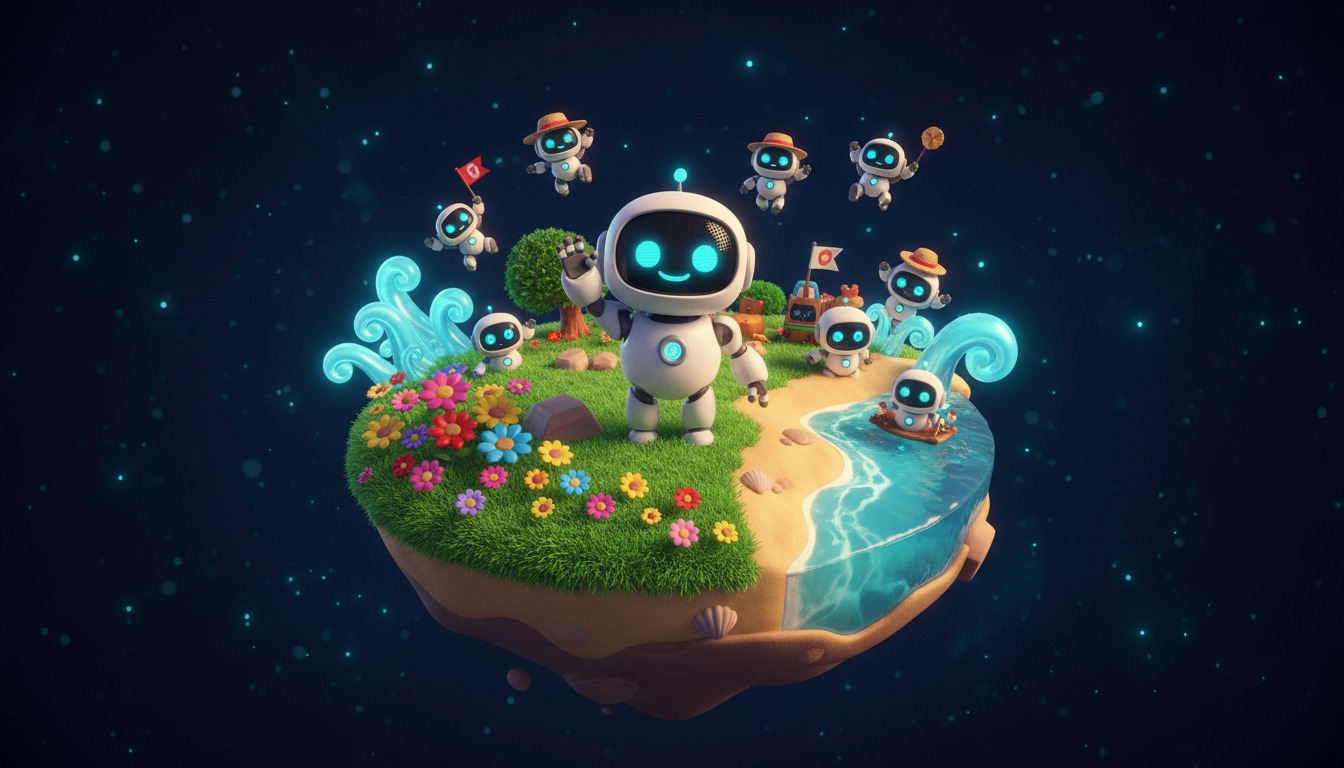
Sony Japan Studio built the platformer that VR had been waiting for — and did it by treating VR not as a display upgrade but as a design constraint that unlocked new ideas. Astro Bot isn’t a Mario clone in a headset. It’s a platformer where your head is the camera, your controller is a tool, and your physical presence in the level is a gameplay mechanic. You lean to look around corners. You physically duck under obstacles. You aim gadgets by pointing your controller at the screen. The levels are inventive, the boss fights are spectacular, and every world introduces a new idea that couldn’t exist on a flat screen. Astro Bot didn’t just prove that VR platformers worked — it proved they could be better than flat ones.
Read the full Astro Bot Rescue Mission VR review
#1: Beat Saber
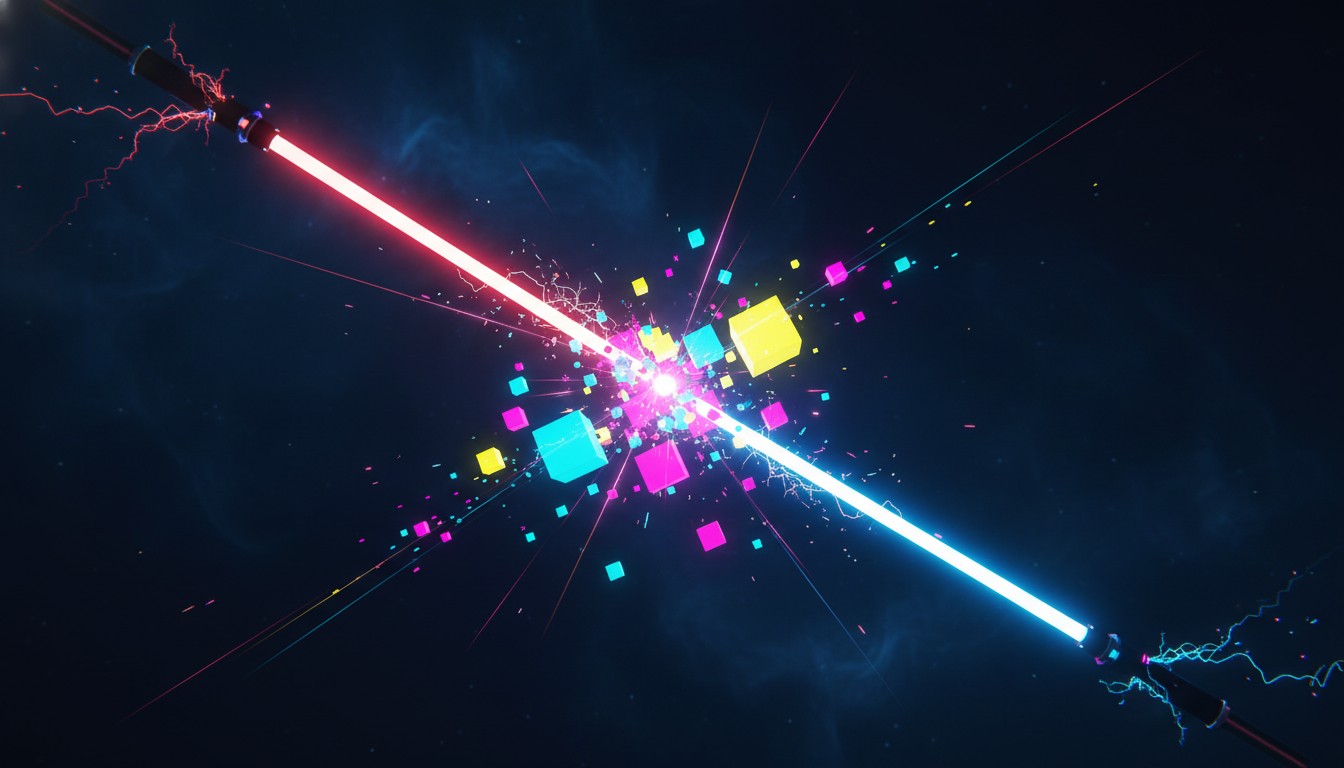
No game defined 2018 in VR more than Beat Saber. Beat Games took the rhythm-action formula — colored notes flying at you in time with music — and added two lightsabers. The concept was simple enough to explain in a sentence, intuitive enough to play in seconds, and physical enough to make you sweat within a minute. Every stream, every social feed, every VR demo station in 2018 was running Beat Saber. It became the game that convinced non-gamers to put on a headset, the game that dominated Twitch VR categories, and the game that proved VR software could sell hardware.
But Beat Saber’s dominance wasn’t just about accessibility. The note charts were precisely designed, the difficulty curve was well-paced, and the core slashing mechanic felt viscerally correct — the moment your saber connects with a block on the beat, the haptic click and visual burst create a feedback loop that is genuinely addictive. The custom song community turned a game with a modest official track list into a platform with unlimited content — see our Beat Saber modding guide for how to get set up. Beat Saber wasn’t just the game of the year in VR. It was the game that made VR matter to people who had never cared before.
Read the full Beat Saber VR review
Honorable Mentions
VRChat — Not a game, but the social platform that defined VR culture in 2018. Avatar worlds, midnight hangouts, comedy shows, and the kind of chaotic community energy that no curated experience could replicate. VRChat proved that VR’s killer app might not be a game at all — it might be other people.
3dSen VR — The NES emulator that renders 8-bit games in 3D inside VR. Playing Super Mario Bros. with depth perception and a VR headset is a gimmick that becomes genuinely magical when the 3D effect clicks. A love letter to retro gaming that uses VR to reveal dimensions in flat classics.
Every game on this list with a full individual review has a link above. Click through for the complete VR analysis.