
Top 20 VR Games of 2017
The year VR grew up — from AAA survival horror and full-length RPGs to competitive sport and social theater. The twenty games that defined VR's second act.
2016 proved VR was real. 2017 proved it could be great.
The first year of consumer VR was defined by novelty — room-scale demos, wave shooters, and tech showcases that proved the hardware worked. The second year was defined by depth. Skyrim VR gave us a full open-world RPG inside a headset. Resident Evil 7 proved that AAA horror belonged in VR. Lone Echo invented a new locomotion system. Moss reinvented what a third-person character game could feel like. These weren’t proofs of concept. They were arguments for the medium that didn’t need asterisks.
PSVR’s first full year on shelves meant the install base expanded beyond the PC enthusiast crowd. The Touch controller launch in late 2016 gave Rift owners room-scale parity. And the software library filled out with games that weren’t just “good for VR” — they were good, period, and happened to be better in a headset.
This list ranks the twenty most significant VR games of 2017. Not just by quality, but by how much they mattered to VR’s transition from promising experiment to viable platform.
#20: Sparc
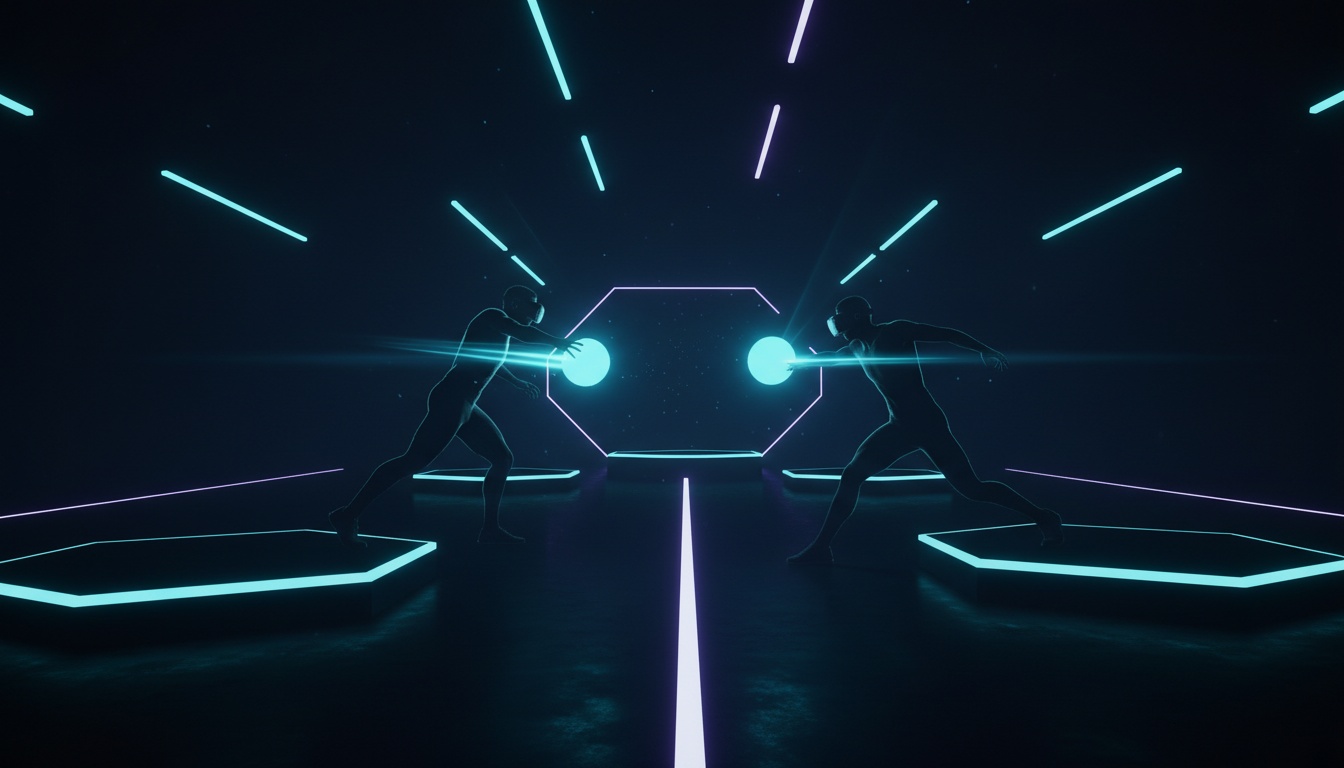
CCP Games built the VR sport that daredevils deserved. Sparc is competitive dodgeball in a neon arena — you physically throw, dodge, and deflect glowing projectiles with motion controllers, and the translation of real athletic reflexes into virtual competition is shockingly honest. Sessions leave you winded. The problem was always population: a multiplayer-only sport lives or dies by its queue times, and Sparc’s community was never large enough to sustain the competitive ecosystem it needed. But for the players who showed up, there was nothing else in VR that demanded this kind of physical skill.
#19: GORN
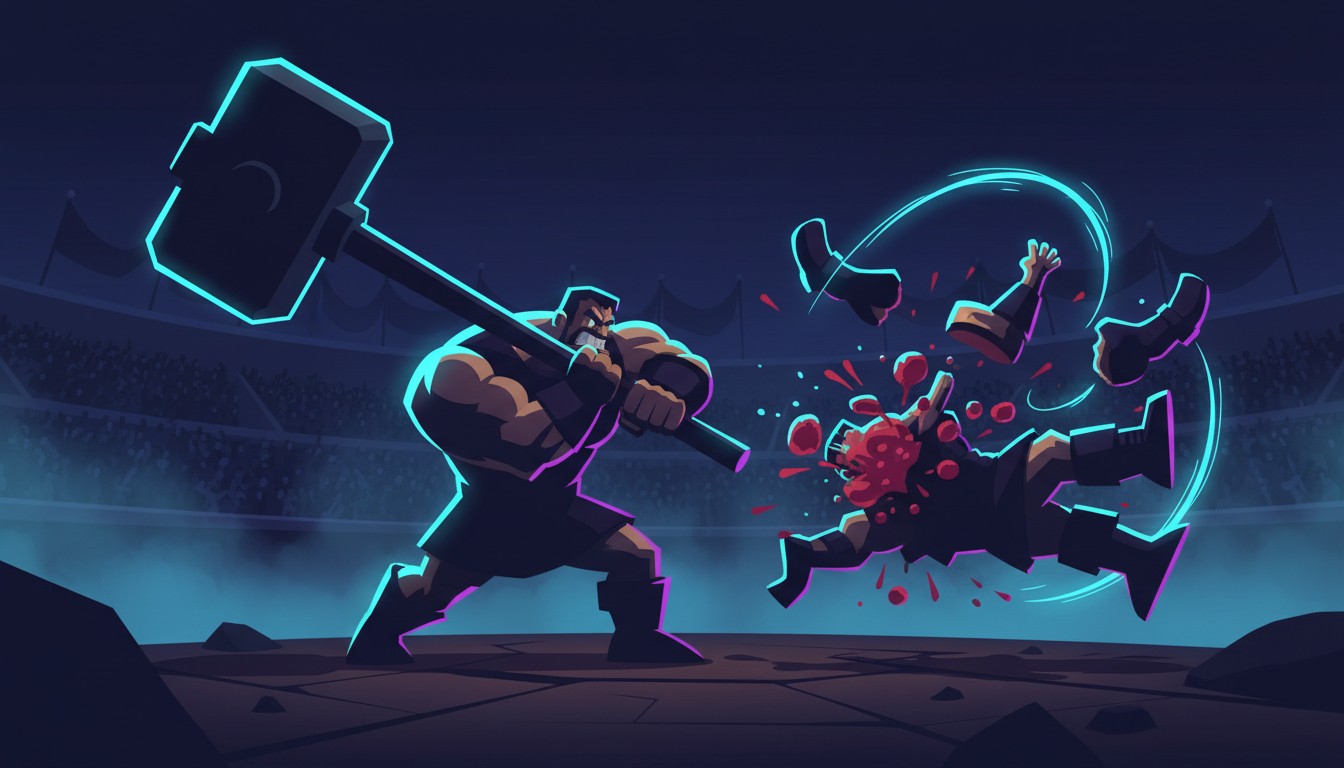
Free Lives built the gladiator game that turns every VR session into a comedy of physics. GORN’s combat is deliberately over-the-top — weapons bend and wobble, enemies ragdoll in spectacular fashion, and the physics-driven interactions mean every kill feels different depending on how you swung, stabbed, or accidentally threw your mace across the arena. It’s violent slapstick, the kind of game where you intend to execute a clean sword strike and instead knock a gladiator’s helmet into the stands. The combat depth is shallow compared to more serious melee games, but GORN isn’t trying to be Blade & Sorcery. It’s trying to make you laugh while you dismember Romans, and it succeeds every single time.
#18: Project CARS 2
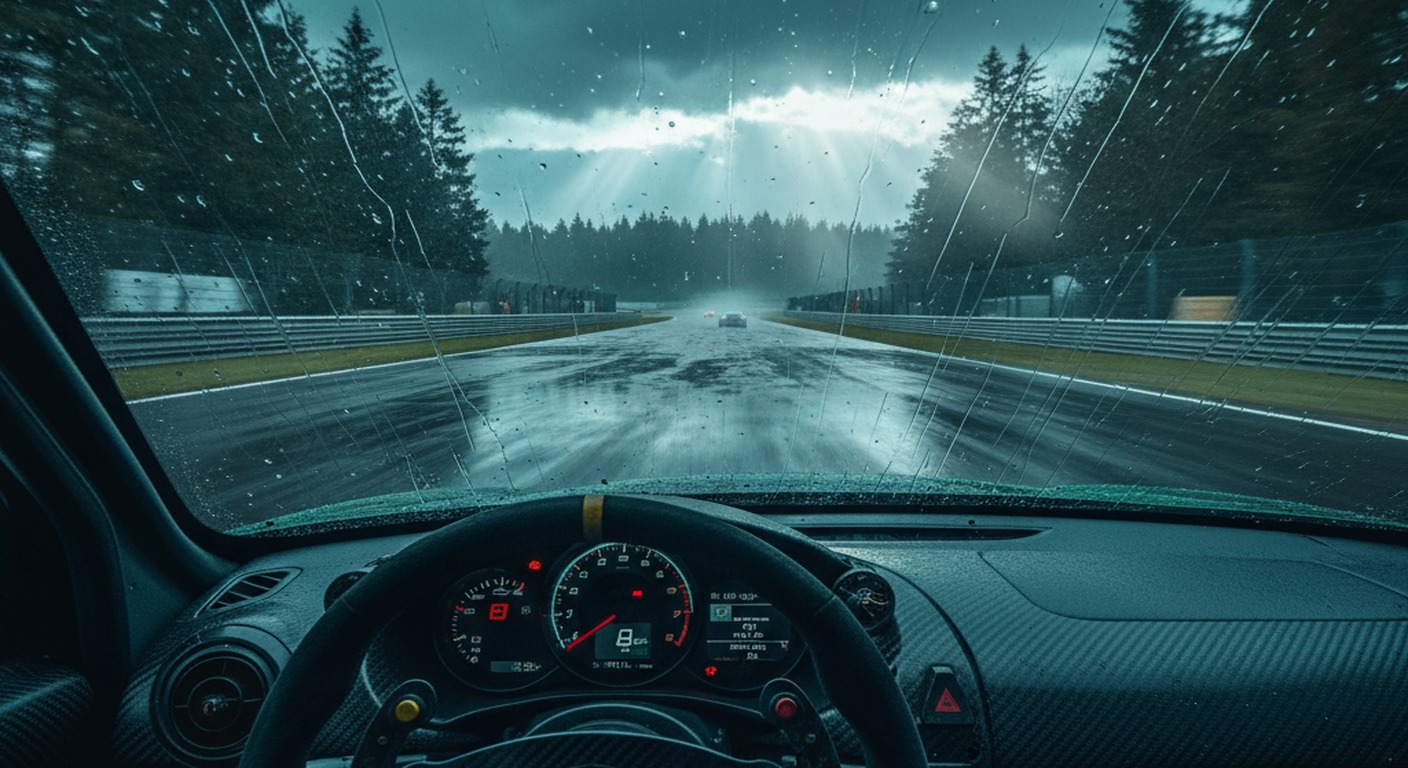
Slightly Mad Studios’ sequel fixed the VR implementation problems that plagued the original and delivered the most complete racing sim you could run inside a headset in 2017. The LiveTrack weather system is the showpiece — rain puddles form dynamically, ice racing on frozen Swedish circuits creates whiteout conditions, and the transition between dry and wet surfaces forces real-time driving adjustments. The flat-screen menus are still a nuisance, the performance demands are real, and you really want a force-feedback wheel. But when the rain starts falling at Spa and you can see every droplet on your windshield, no other VR racer comes close.
Read the full Project CARS 2 VR review
#17: The Gallery: Episode 2 — Heart of the Emberstone
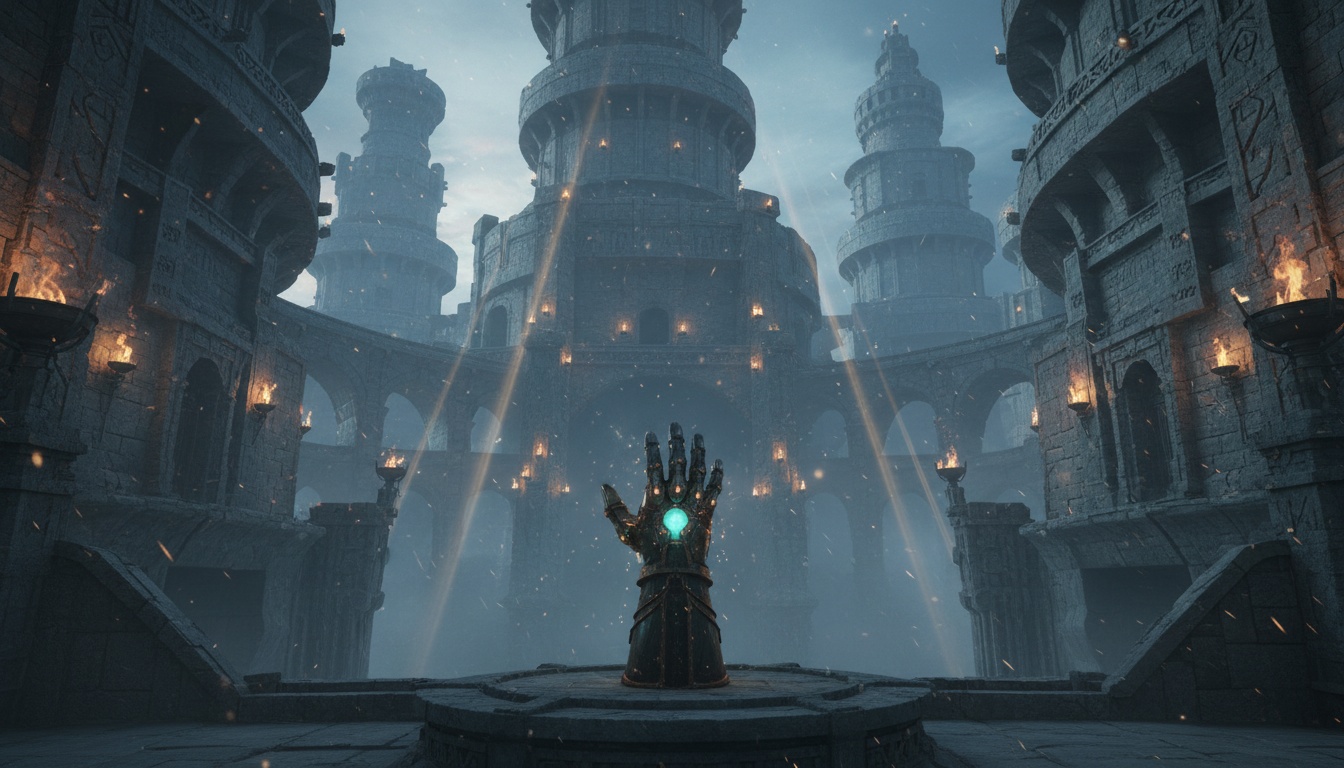
Cloudhead Games delivered the sequel that the VR adventure community had been waiting for. Episode 2 picked up where Call of the Starseed left off and expanded the scope — larger environments, more ambitious puzzles, and a story that finally started revealing what the whole thing was actually about. The hand-crafted environments and attention to environmental storytelling remained the best in class for VR. The problem was the same one that plagued episodic VR games: another episode never came. As half of a story, it’s exceptional. As a standalone experience, it’s a gorgeous cliffhanger.
Read the full The Gallery Episode 2 VR review
#16: Star Trek: Bridge Crew

Ubisoft Red Storm built the Star Trek fantasy that fans had carried in their heads for decades. Four players take the bridge of a Federation starship — captain, helm, tactical, and engineering — and cooperate through missions that range from routine patrol to full-scale crisis. The role-based structure means everyone has a job, and the cross-platform play between Rift, Vive, and PSVR gave it the largest multiplayer pool of any VR game at launch. The missions ran thin after a few hours, and the 2017 version of the game hadn’t yet received the Ongoing Voyages update that would extend its lifespan. But the fantasy of sitting in that chair, barking orders at your friends while the viewscreen fills with hostile contacts, was worth the price of admission on its own.
Read the full Star Trek: Bridge Crew VR review
#15: Wipeout: Omega Collection (VR Mode)
Native VR
Sony’s anti-gravity racing series had been perfecting speed for decades before it arrived on PSVR, and the VR mode in the Omega Collection turned out to be its definitive version. Every track, every ship, every pulse of the soundtrack hits differently when you’re physically inside the cockpit instead of watching it on a screen. The sense of velocity is staggering — the kind of speed that makes your peripheral vision blur and your hands grip the controller harder than necessary. The comfort options are extensive, which matters because Wipeout at full speed in VR will absolutely make you sick if you’re not acclimated. For those who are, it’s the purest expression of what VR racing can feel like when the physics allow impossible things.
#14: The Persistence
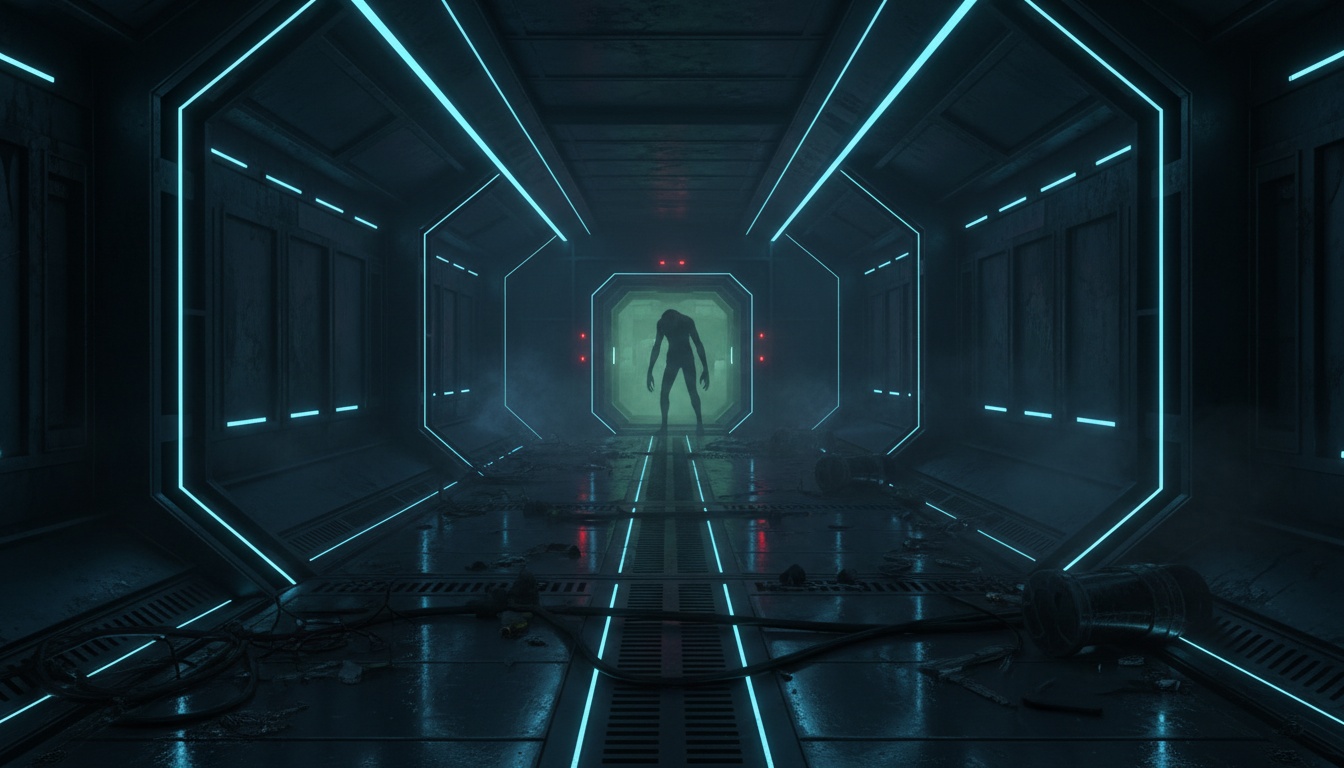
Firesprite’s roguelike horror game set aboard a doomed colony ship remains one of VR’s best-kept secrets. Every time you die, you clone into a new body with randomized stats, and the ship’s layout shifts. The stealth-driven exploration through dark corridors, the resource management, and the genuine tension of being hunted by mutated crew members created a loop that was more compelling than most VR horror offerings. The flat-screen version proved the design worked outside VR, but the VR version — where every shadow in your peripheral vision could be a threat — was where The Persistence found its true form.
Read the full The Persistence VR review
#13: Wilson’s Heart

Twisted Pixel built a prestige VR thriller and hired real actors to prove it. Wilson’s Heart is a first-person mystery set in a 1940s hospital, starring a patient who wakes up after surgery to find his missing heart replaced by a strange metallic orb. The production values are staggering — full performance capture, professional voice acting, and environments that feel like walking through a film set. The narrative mystery drives you forward even when the mechanics slow you down, and the horror set pieces deliver genuine dread without relying on jump scares. It remains one of the best arguments that VR can support story-driven experiences that flat screens can’t replicate.
Read the full Wilson’s Heart VR review
#12: Archangel: Hellfire
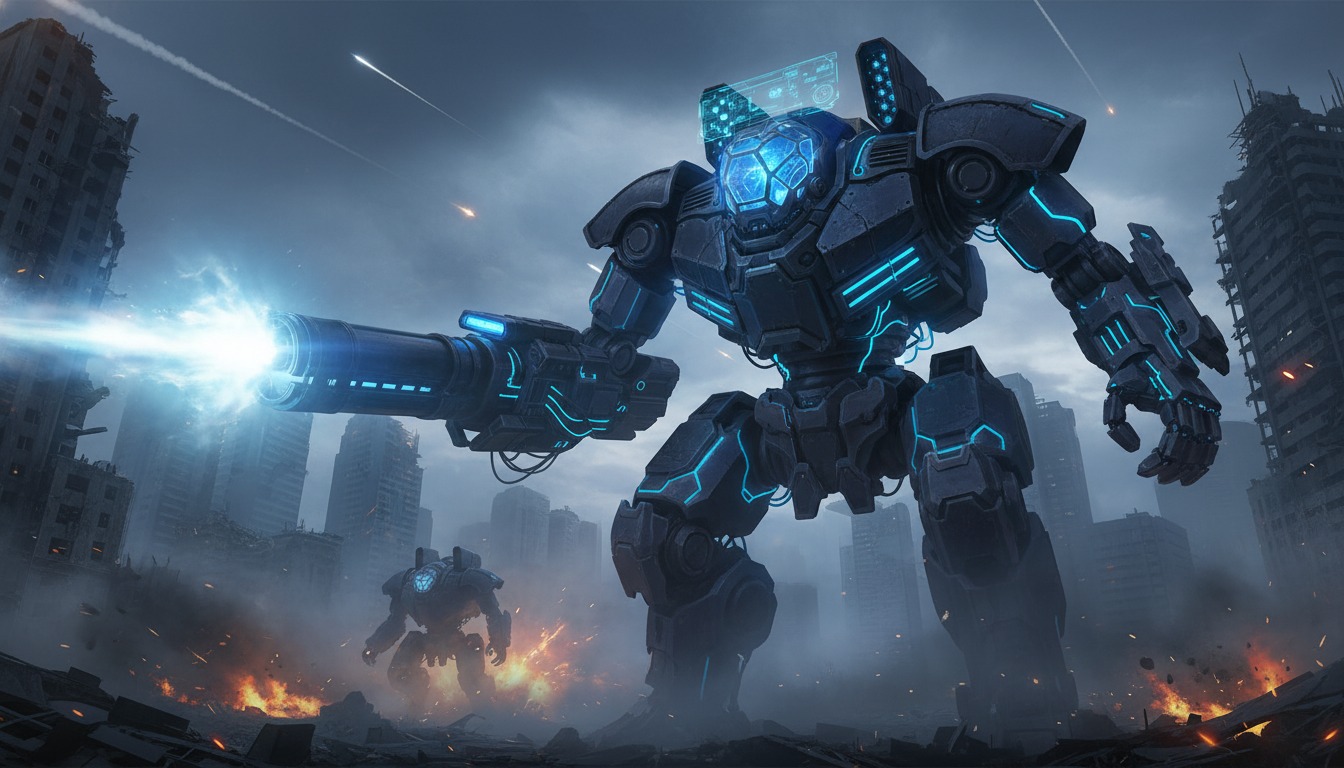
Skydance Interactive’s mech shooter took the wave-combat format and strapped it to a six-story walking tank. The on-rails structure was a constraint that worked in VR’s favor — you didn’t need to navigate, just aim, fire, and manage cooldowns while your mech trudged through post-apocalyptic America. The multiplayer Hellfire mode, where two pilots team up in co-op, was where the game found its rhythm. It wasn’t the deepest mech game ever made, but it understood that VR mechs work best when you feel small inside something enormous.
Read the full Archangel: Hellfire VR review
#11: L.A. Noire: The VR Case Files
Native VR
Rockstar’s detective thriller lost half its cases in the VR translation but gained something the flat version never had: your hands. The VR Case Files edition rebuilt six of L.A. Noire’s investigations for motion controllers, and the result transformed interrogation from a menu-driven guessing game into something physical. Examining crime scenes meant actually picking up evidence, turning it over, and reading the labels. Searching a suspect’s apartment meant opening drawers, flipping through ledgers, and checking behind picture frames. The facial animation system that made L.A. Noire famous took on new weight in VR — when a suspect is lying to your face and you can lean in and study their expression at eye level, the tension is different. The missing cases are a loss, and the locomotion options are limited compared to later VR titles, but the detective fantasy has never been more convincing.
#10: The Invisible Hours
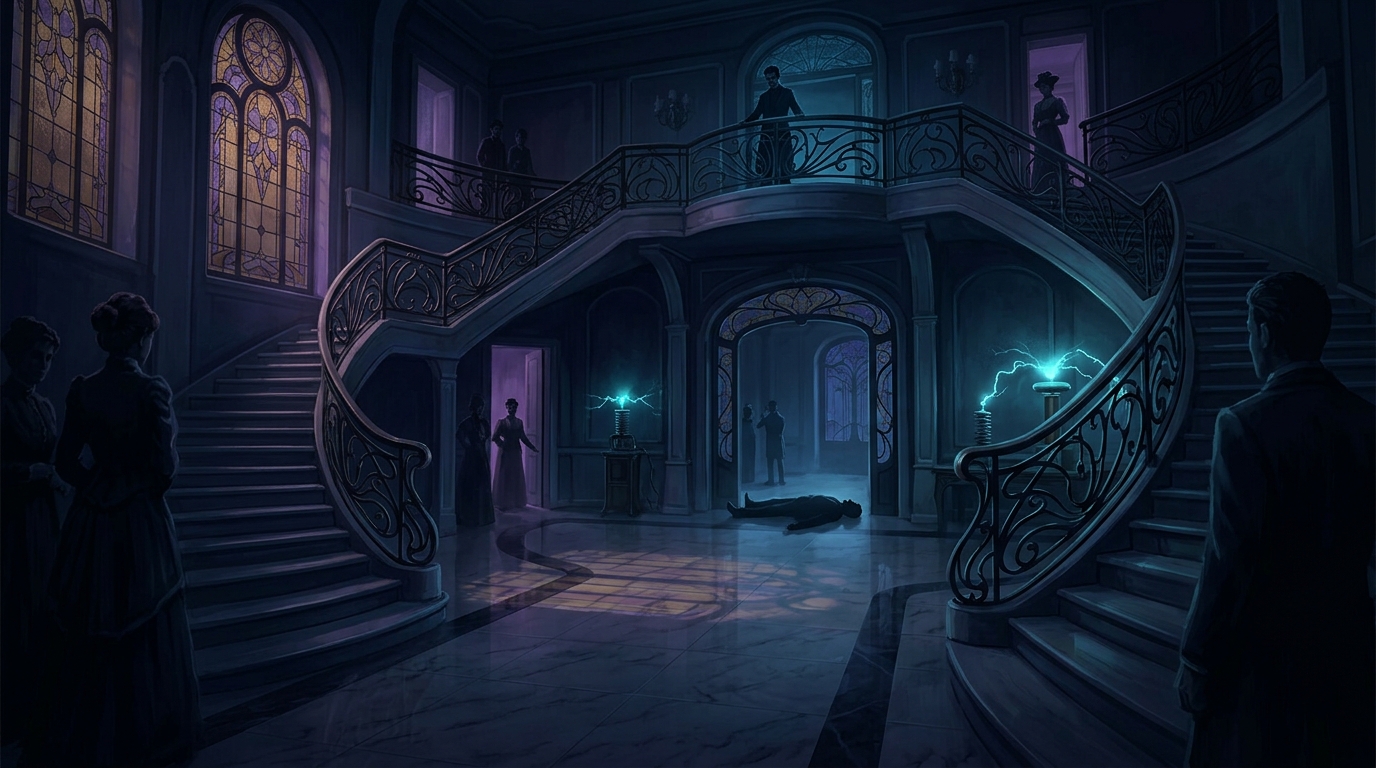
Tequila Works built a murder mystery that you experience by walking through it. The Invisible Hours presents a single timeline of events — a group of suspects moving through a mansion during a dinner party — and your only tool is your presence. You follow characters, eavesdrop on conversations, and piece together the truth from overlapping storylines that play out simultaneously. The VR implementation is essentially a theater-in-the-round: you’re not a participant, you’re a ghost moving through a play that doesn’t care whether you’re watching. It’s a narrative format that only works in VR, and it remains one of the medium’s best arguments for stories that demand your physical attention.
Read the full The Invisible Hours VR review
#9: Robo Recall
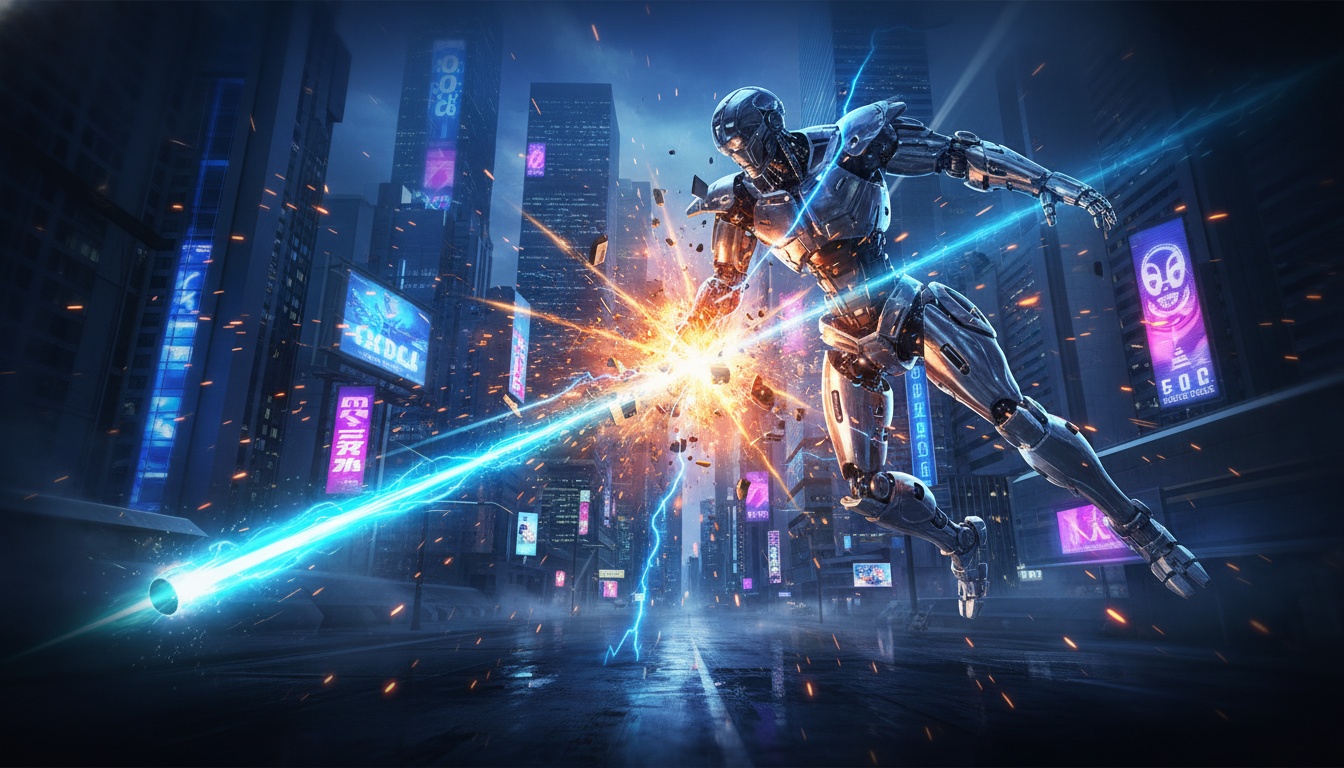
Epic Games built the VR shooter that made everyone feel like an action hero. Robo Recall’s core loop — teleport into an arena, grab a robot mid-air, rip its limbs off, throw the torso at another robot, then catch your gun as it flies back to you — is pure kinetic wish-fulfillment. The weapon swapping, the dual-wielding, the environmental destruction, and the scoring system that rewards style over survival turned every encounter into a choreographed stunt sequence. It was free on Oculus, which meant every Rift owner played it, and it set a visual and mechanical bar that most VR shooters in 2017 couldn’t reach. The Unreal Engine rendering quality held up in VR in a way that few titles managed.
Read the full Robo Recall VR review
#8: Alien: Isolation (VR Mod)
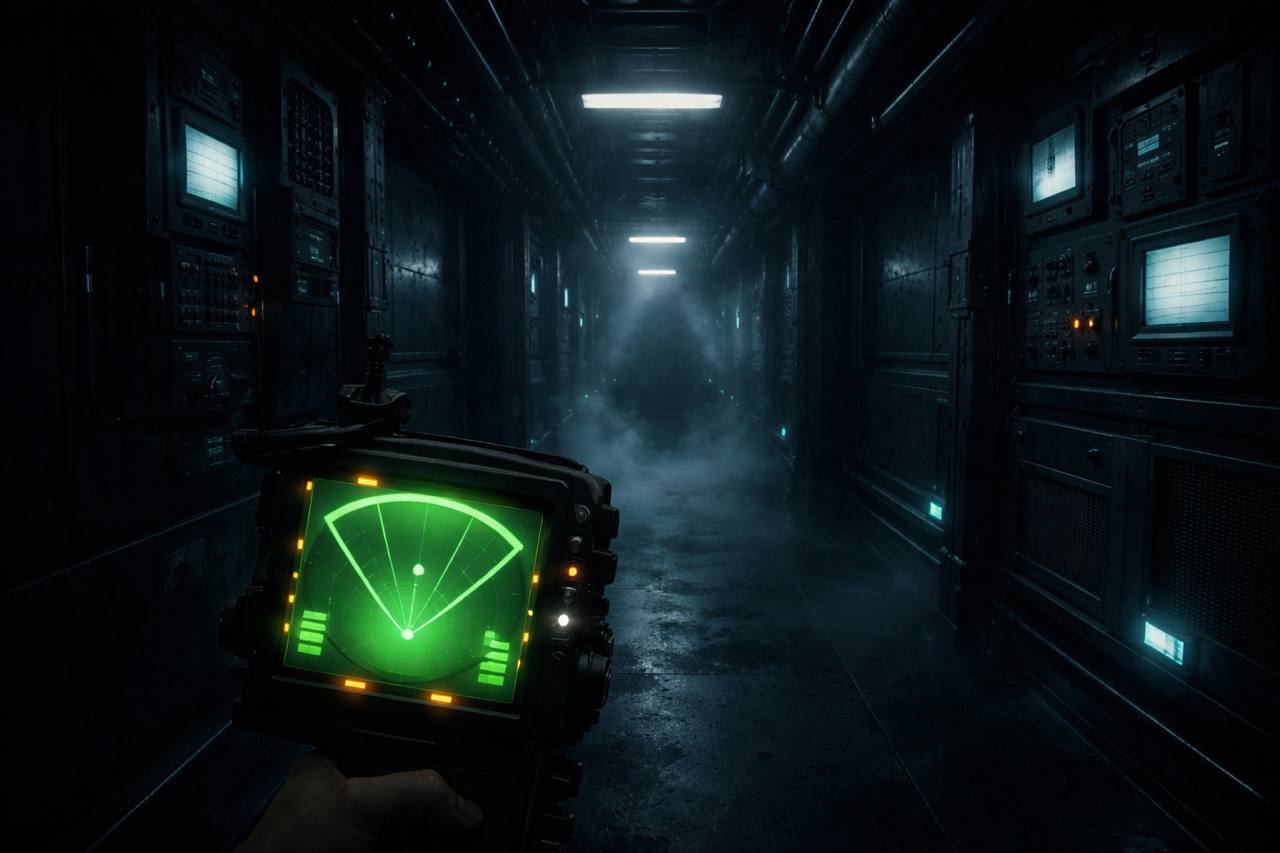
Creative Assembly never shipped VR support for Alien: Isolation — they left it hidden in the code. The community found it, finished it, and turned one of the best survival horror games ever made into one of the most terrifying VR experiences in existence. Playing Alien: Isolation in VR means the xenomorph isn’t on your screen — it’s in the room with you. Every motion tracker ping, every vent rattle, every flickering light becomes a physical threat instead of a narrative one. The mod requires configuration and a tolerance for imperfect VR integration, but the payoff is a horror experience that no native VR game has matched. This is the mod that proved community VR implementations could outperform official ones.
Read the full Alien: Isolation in VR review
#7: Doom VFR
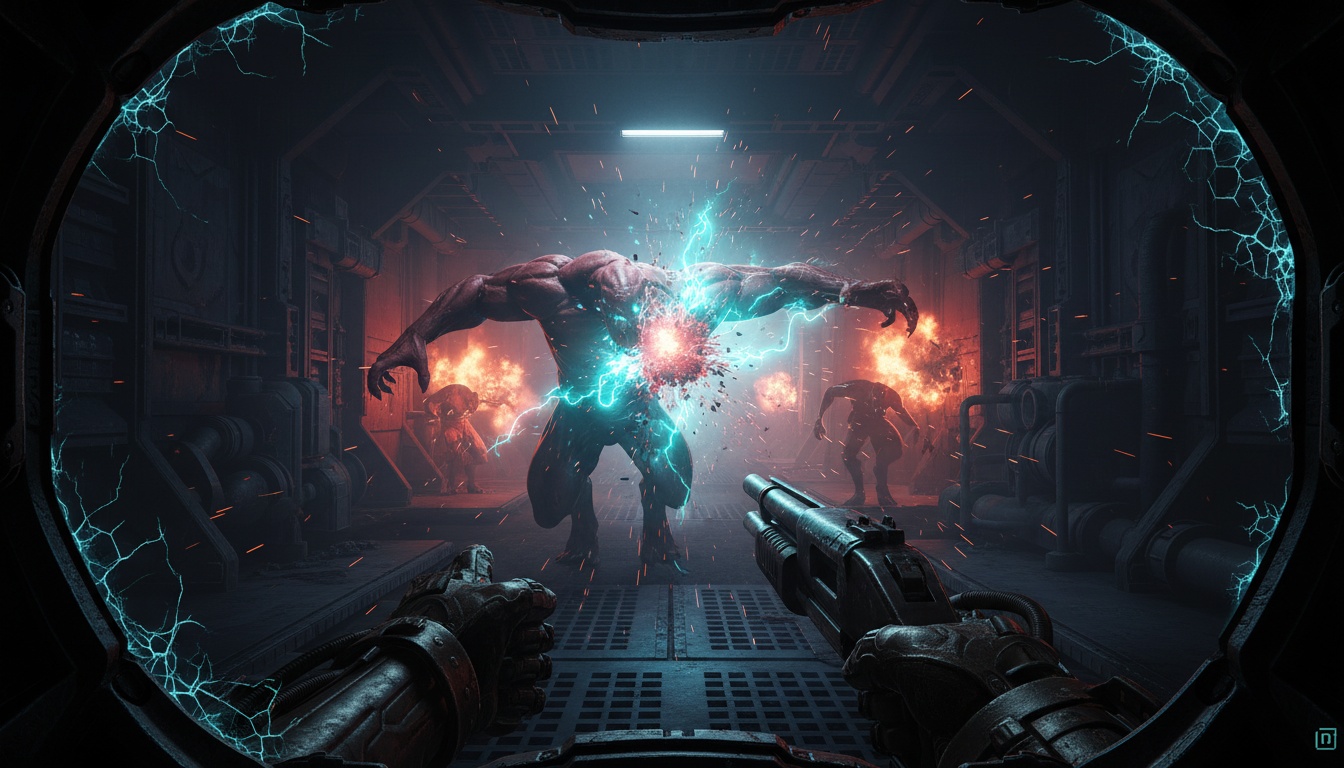
id Software brought the Doom brand to VR and the result was polarizing. Doom VFR translated the series’ signature aggression into a headset — the demon-slaying, the weapon swapping, the glory kills — but the locomotion system frustrated players who expected smooth movement. The dash-based teleportation and the reliance on point-turn mechanics created a combat rhythm that felt neither fully free nor fully tactical. When it worked, the visceral satisfaction of ripping through a demon horde in first-person was undeniable. When it didn’t, you were fighting the control scheme more than the enemies. Doom VFR is a fascinating experiment that proved Doom’s energy could survive the transition to VR — just not without some bruises along the way.
Read the full Doom VFR VR review
#6: Fallout 4 VR
Native VR
Bethesda shipped an entire open-world RPG inside a headset, and it was equal parts impressive and infuriating. Fallout 4 VR gave you the full Commonwealth — every settlement, every dungeon, every radio station — and the ability to walk through it with motion controllers. V.A.T.S. in VR feels like cheating in the best way: time slows, you paint targets on specific body parts by pointing at them, and then you watch the chaos unfold. The weapon crafting and settlement building translated surprisingly well to motion controls. But the port was rough. Performance was demanding even on high-end hardware. The UI was a flat-screen transplant that felt cumbersome in VR. Locomotion options existed but never felt natural. For players willing to tolerate the jank, Fallout 4 VR delivered something no other VR game offered in 2017: a hundred-hour RPG in a headset, warts and all.
#5: Resident Evil 7: biohazard (VR Mode)

Capcom didn’t add VR to Resident Evil 7. They designed the entire game around the possibility, and the PSVR mode that shipped at launch was the moment AAA horror arrived in headsets. The Baker plantation, the mold-infested basement, the dinner scene where Marguerite serves you something you don’t want to identify — every location in RE7 was built with VR-scale geometry, meaning doors open at the right height, hallways are the right width, and the monsters are the right size to be genuinely terrifying when they’re two feet from your face. The decision to go first-person was controversial among series fans. In VR, it was the only correct choice. RE7 in VR isn’t a side mode or a curiosity — it’s the definitive way to experience one of the best survival horror games of the generation. It proved that a major publisher could commit to VR as a first-class experience, not a technical footnote.
Read the full Resident Evil 7 VR review
#4: Lone Echo
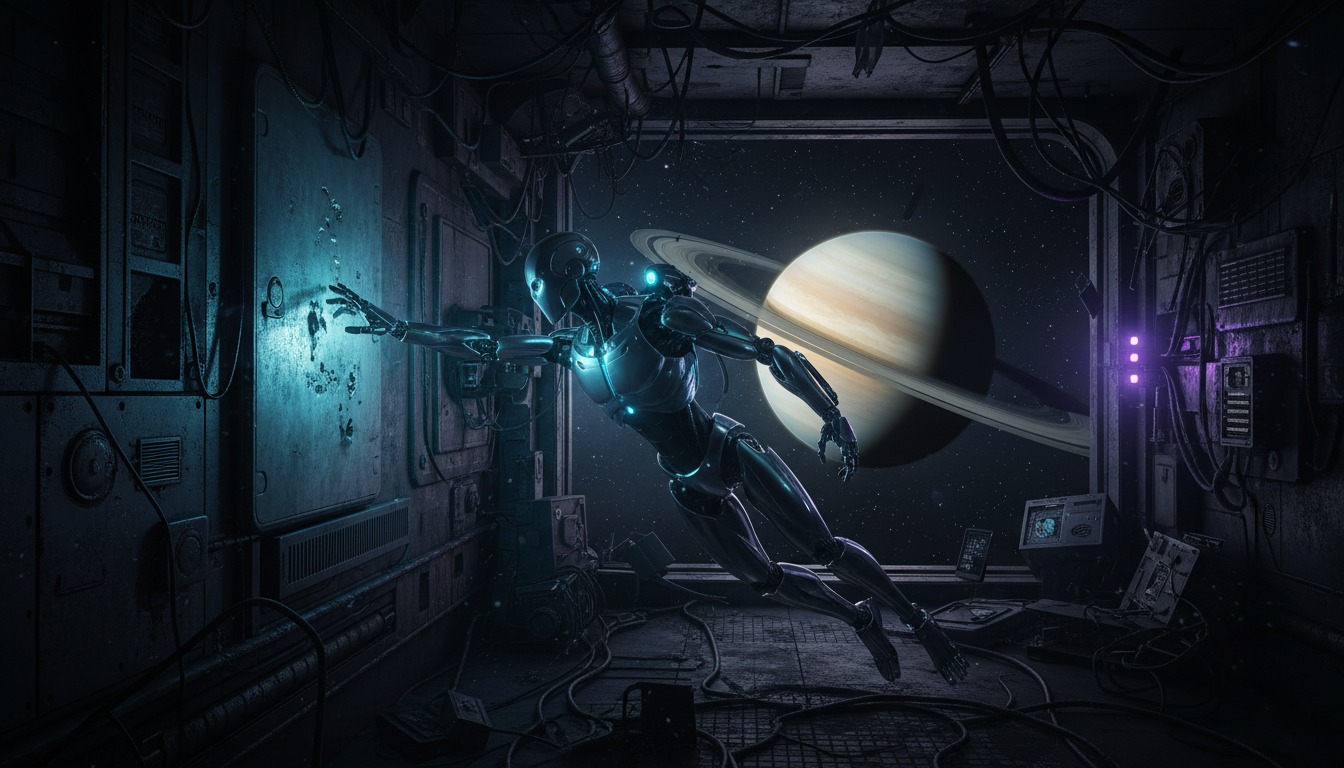
Ready at Dawn built the VR game that made zero-gravity feel like the most natural thing in the world. Lone Echo’s arm-based locomotion — grab a surface, pull yourself through space, push off walls, float through corridors — is the single best movement system VR has ever produced. It’s not a compromise or a workaround. It’s a design that could only exist in VR, and once you learn it, going back to thumbstick locomotion feels primitive. The narrative campaign is a well-acted, well-paced science fiction story about an AI and its human captain investigating a mysterious anomaly near Saturn. The multiplayer mode, Echo Arena, became an esport. But the locomotion is the legacy. Every VR game that lets you grab and push through an environment owes something to what Lone Echo figured out in 2017.
Read the full Lone Echo VR review
#3: Moss
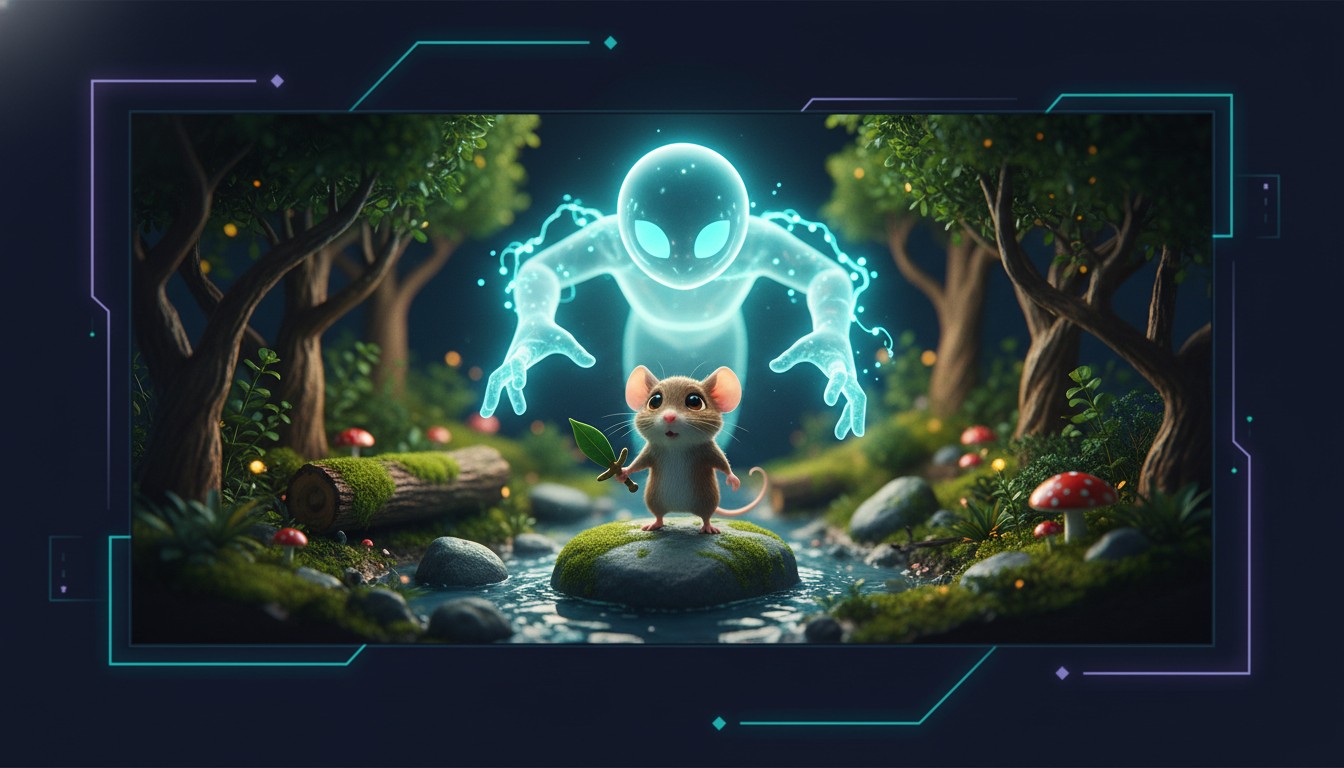
Polyarc achieved something that dozens of studios attempted and failed: a third-person VR game that doesn’t feel like a compromise. You play as Quill, a tiny mouse swordfighter, and you also play as the Reader — a godlike presence that Quill acknowledges directly, looking up at you for help with puzzles and encouragement during combat. The dual-role design isn’t a gimmick. You’re simultaneously guiding a character through a story and participating as a character in that story. The environments are storybook dioramas with the kind of hand-painted detail that rewards leaning in and examining every corner. Moss proved that VR didn’t need to be first-person to be immersive — it just needed to make you matter.
#2: Farpoint

Impulse Gear and Sony built a full-length FPS campaign for PSVR and paired it with the Aim Controller — a rifle-shaped peripheral that made the game feel like something from an arcade cabinet in the best possible way. Farpoint’s story about astronauts stranded on an alien world is serviceable sci-fi, but the shooting is what matters. The Aim Controller’s 1:1 tracking means you physically aim down sights, track moving targets, and feel the weight of a virtual weapon in your hands. The co-op mode extended the experience, and the wave-based challenge maps kept players coming back. It remains the best argument for dedicated VR input hardware — when the controller disappears and the gun becomes your hands, that’s the whole point of the medium.
Read the full Farpoint VR review
#1: Skyrim VR

The game that refused to die found yet another life in VR. Skyrim VR put the entire open world — every quest, every dragon, every side dungeon, every Jarl’s long-winded speech — inside a headset, and the result was the most expansive VR RPG available in 2017 by an order of magnitude. The combat is simplified compared to the flat version. The graphics took a noticeable hit on PSVR. The menus are cumbersome. None of it mattered when you were standing on a mountain peak at dawn, watching the sun rise over a valley you’d explored a hundred times on a screen but never actually stood in. Skyrim VR proved that VR could handle a full-length AAA experience — not just a demo, not just a port, but an entire world you could live in. It was rough, it was compromised, and it was the most important VR game of 2017.
Read the full Skyrim VR review
Honorable Mentions
Polybius — Jeff Minter’s tunnel shooter is pure sensory flow at 120fps. It’s the closest VR has come to a trance state, and the only game on this list where the goal is to stop thinking and let the speed take over. Read the full Polybius VR review
Rick and Morty: Virtual Rick-ality — Owlchemy Labs applied the Job Simulator formula to the show’s universe, and the result was a funny, frantic puzzle game that understood the IP without leaning on it. The teleport-based locomotion limited exploration, but the writing and environmental comedy carried it.
Duck Season — Stress Level Zero’s horror-tinged homage to light gun games turned a nostalgic duck hunting premise into something genuinely unsettling. The 80s suburban setting, the creeping dread, and the multiple endings made it more than a nostalgia trip.
Werewolves Within — Ubisoft’s social deduction game turned the classic party game into a VR experience with real-time voice chat, animated avatars, and enough role variety to sustain dozens of matches. The community kept it alive long after most VR multiplayer games died.
Windlands — A grappling-hook platformer that let you swing through a ruined civilization like a VR Spider-Man. The movement system was exhilarating for those with strong VR legs and terrifying for everyone else. Read the full Windlands VR review
Killing Floor: Incursion — Tripwire brought their co-op horror formula to VR with full campaign co-op, weapon handling that actually felt right, and enough gore to make the flat-screen version look restrained. The two-player campaign was some of the best VR co-op of the year.
Ultra Wings — A light aircraft sandbox that proved VR flight didn’t need combat to be compelling. The motion-controlled stick and throttle created genuine cockpit presence, and the relaxed mission structure made it the most approachable flight game on headsets. Read the full Ultra Wings VR review
Every game on this list with a full individual review has a link above. Click through for the complete VR analysis.