
Top 10 Retro Games From the 80s & 90s Worth Playing in VR
The classic games that actually hold up in VR — ranked by VR implementation quality. Tetris Effect leads, followed by Half-Life, Quake, and the 3dSen voxel transformations.

Top 10 Retro Games From the 80s & 90s Worth Playing in VR
There are two ways to bring classic games into VR: you either transform the experience or you preserve it. This list ranks games that do one or both exceptionally well — not by nostalgia, but by whether the VR implementation justifies the friction of getting them running.
The question we’re answering: If you have one Saturday afternoon, which of these is worth your time compared to any VR option?
We ranked by tier first (S > A > B > C), then by release date within tiers to create narrative flow. The result is a list that moves from polished native experiences through ambitious community efforts to charming but limited conversions.
#10: The Elder Scrolls: Daggerfall VR (1996)
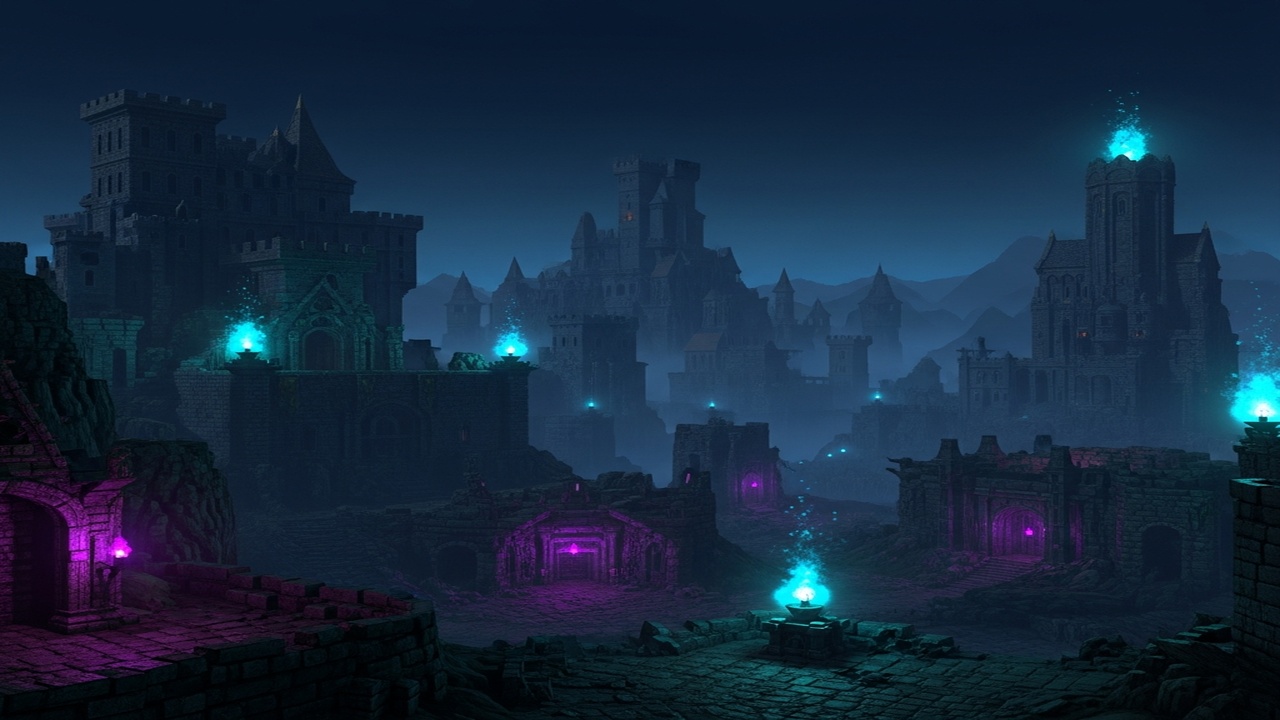
Daggerfall VR via the Daggerfall Unity VR mod (DFUVR) delivers something rare: a genuinely massive open-world RPG with full 6DOF motion controls. Physical sword swinging, spellcasting through hand gestures, and dungeon exploration at true scale transform Bethesda’s 1996 cult classic from historical curiosity into a playable VR RPG.
The VR implementation is thoughtful — you’re not just viewing Daggerfall in stereoscopic 3D, you’re physically interacting with its world. The mod includes calibration systems for player height, VR-native UI adjustments with laser pointer interaction, and full motion controller support. You can swing weapons, block with shields, and cast spells using natural hand movements.
What keeps it at #10 is friction. Setup requires monitor configuration (1920×1080 only), the UI interaction method is quirky (laser pointer moves your actual mouse cursor), and the game itself is dense, text-heavy, and unapologetically retro. Daggerfall’s procedurally generated world can feel empty, its systems obtuse by modern standards.
But for players willing to meet it halfway, this is a singular experience: a sprawling RPG with VR-native controls that’s completely free to play (base game is free from Bethesda, DFUVR is a free mod). If you’ve ever wanted to physically explore a dungeon the size of Great Britain, this is your chance.
Read the full Daggerfall VR review
#9: Battlezone VR (2016)
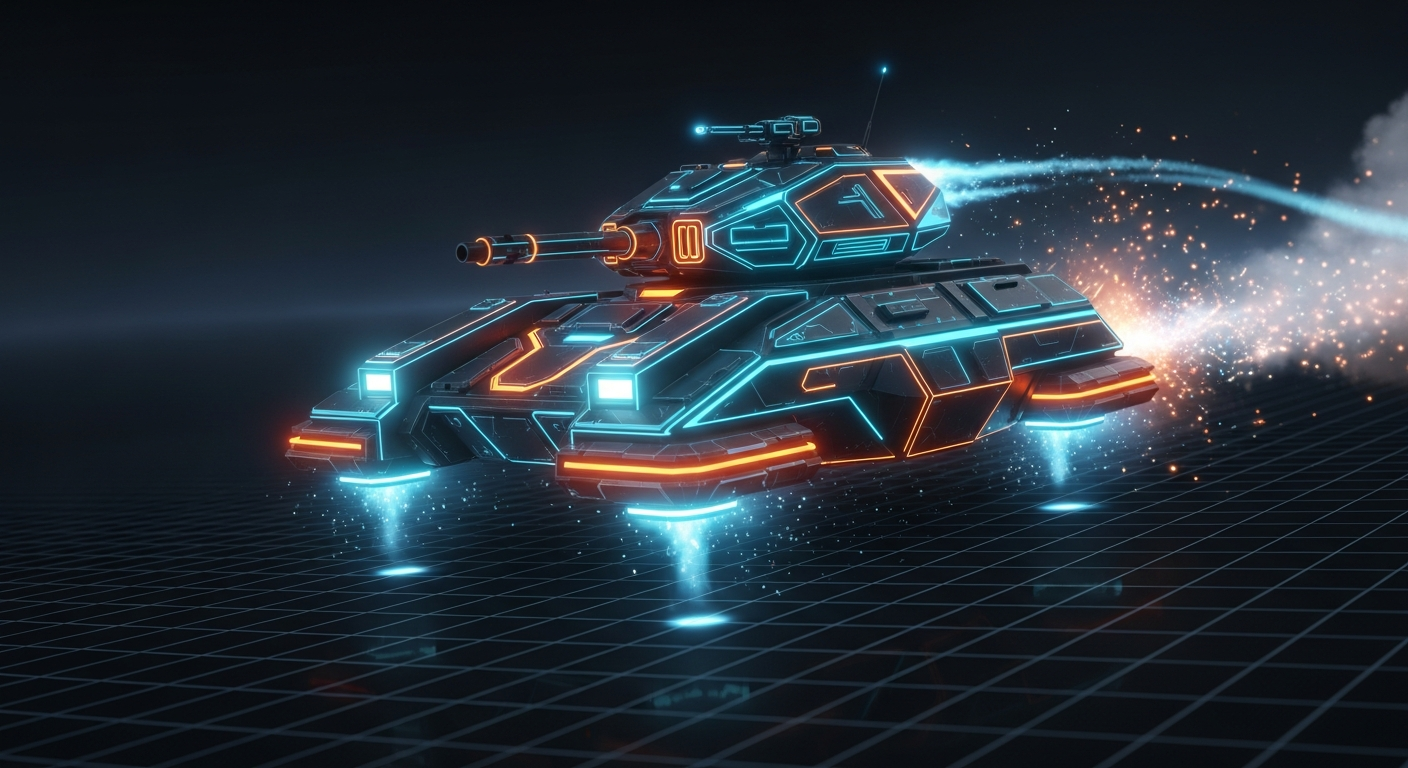
Battlezone is the only native VR title on this list, and that distinction matters. Rebellion’s 2016 release was built from the ground up for first-generation VR headsets — no injection drivers, no source port workarounds, no file extraction. You buy it, you launch it, you play.
The premise is simple: pilot a hover tank through neon-drenched sci-fi battlefields in roguelite campaigns with up to four-player co-op. The cockpit experience is polished — full 6DOF head tracking, independent turret aiming, and a vector-inspired aesthetic that honors the 1980 arcade original’s periscope-immersion legacy.
The catch is content depth. The procedural campaign generates variety in enemy placement and map layout, but the limited tileset of environments becomes apparent within a few hours. Optimal play often means beelining for objectives rather than exploring side missions. A successful run takes 6-8 hours, but permadeath means failed runs are common.
At its frequent discount prices (often under $10), Battlezone offers solid value for VR enthusiasts wanting low-friction arcade combat. The four-player co-op is genuinely fun, and Classic Mode recreates the 1980 arcade game’s dual-lever control scheme for history-minded players. Just don’t expect narrative engagement or endless variety.
Read the full Battlezone VR review
#8: Doom VR (1993)
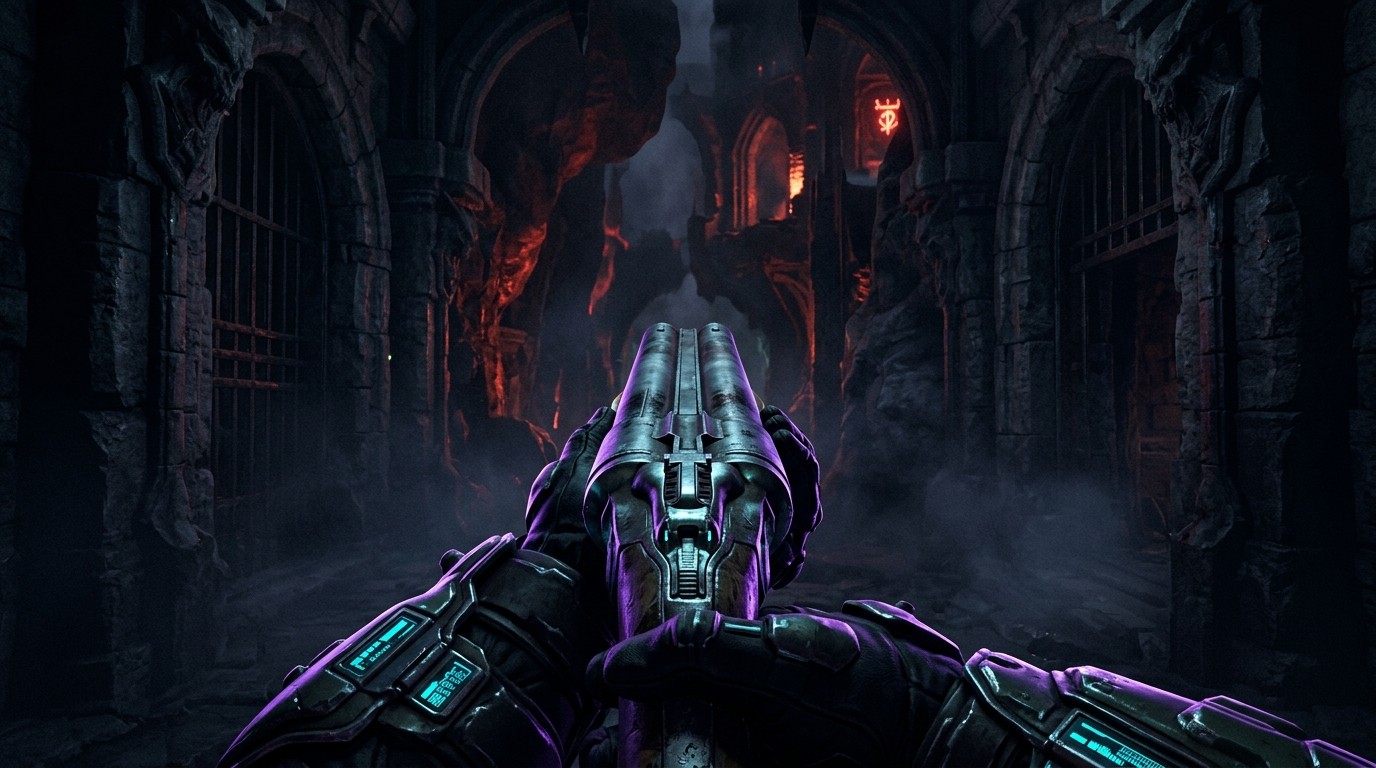
Doom in VR isn’t a single mod — it’s a category. The 1993 classic that defined the first-person shooter has been ported through community source ports built on the GZDoom engine, primarily QuestZDoom for standalone Quest headsets and gzdoom-VR for PCVR.
The implementation delivers convincing 6DoF VR: head tracking, stereoscopy, weapon handling via tracked controllers with two-handed grip support, and VR-specific weapon packs that replace flat sprites with 3D models. You can play Doom, Doom II, Final Doom, Hexen, Heretic, and thousands of community WADs — this is a complete engine port, not a demo.
But the experience has limits. The sprite-based enemies and items remain 2D billboards, which is jarring in VR even if historically accurate. Setup requires sideloading (Quest) or manual mod management (PC) — neither path is frictionless. Classic Doom’s breakneck speed creates intensity that can challenge VR newcomers.
Where Doom VR excels is content richness. No other retro VR conversion offers this breadth of community-created content. The QuestZDoom Launcher categorizes mods by type and includes curated recommendations. Performance varies dramatically with mods — vanilla Doom runs fine, but heavy gameplay overhauls demand tuning.
For VR enthusiasts comfortable with sideloading and file management, Doom VR is a genuinely worthwhile way to revisit the foundational FPS. Just know what you’re signing up for: authentic 1993 aesthetics, intense movement, and setup complexity.
#7: Star Wars: TIE Fighter VR (1994)
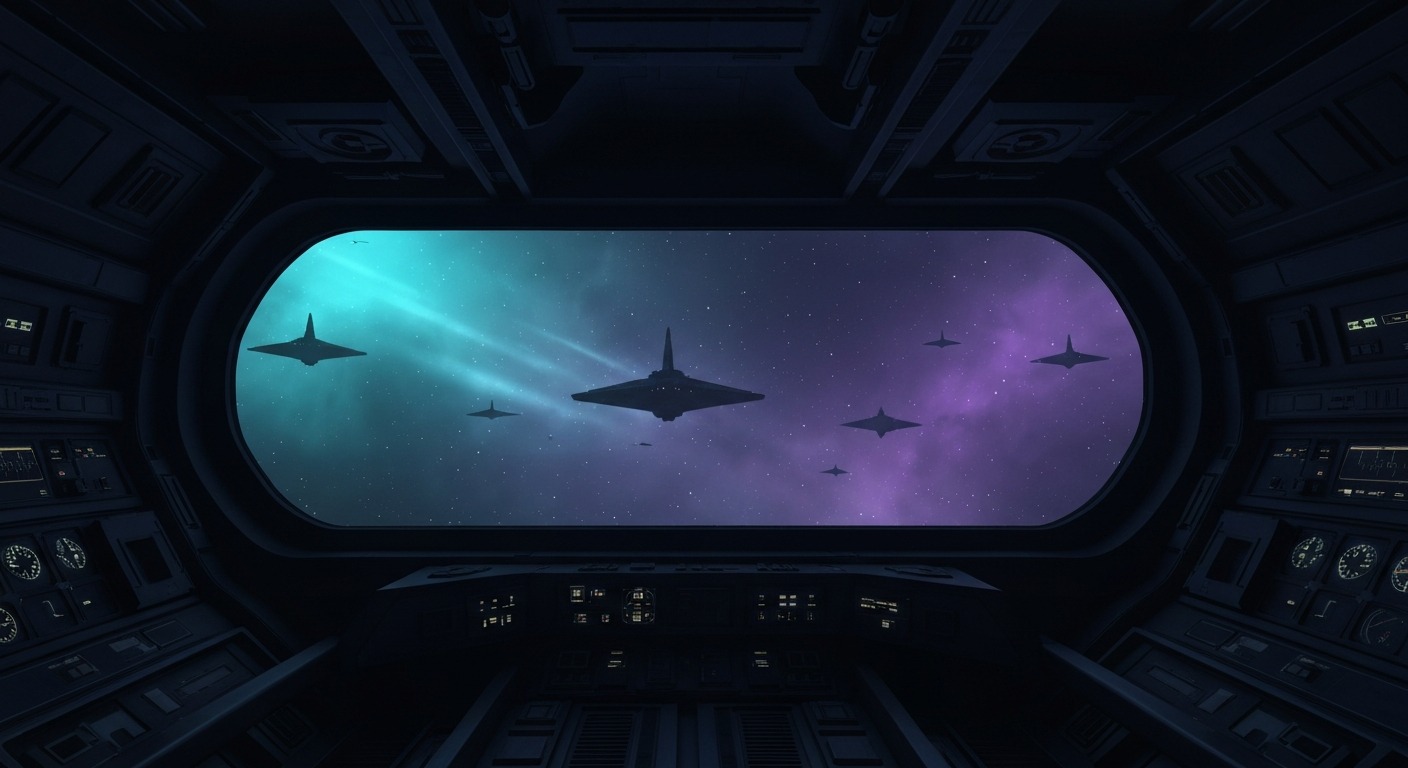
TIE Fighter Total Conversion (TFTC) is a total conversion mod for 1999’s X-Wing Alliance that delivers the complete 1994 space sim rebuilt with modern assets and native VR support. All 13 campaigns, every TIE variant, cockpit presence that makes you understand why Imperial pilots die in such numbers.
The VR implementation understands cockpit presence: full 6DOF head tracking, distinct interiors for each craft, and HUD readability that preserves the original’s green monochrome aesthetic while functioning at modern resolution. Combat transforms when you can lean forward to examine instruments and look over your shoulder during dogfights.
What keeps TIE Fighter at #7 is the barrier to entry. Multi-layer installation requires a clean X-Wing Alliance installation, XWAU 2025 (20GB+ download), TFTC Classic or Reimagined, and VR configuration via the Babu Frik configurator. SteamVR setup must avoid Steam overlay (it causes crashes). HOTAS is strongly recommended — playing with gamepad works but lacks the precision for advanced maneuvers.
Performance is demanding. VR mode requires RTX 3060 Ti minimum, RTX 3070+ recommended, with tuning required: resolution scaling to 70-80%, disabling raytraced shadows, reducing effects.
For patient Star Wars fans with HOTAS hardware, this is essential — the definitive way to experience one of gaming’s most beloved space sims. For everyone else, the setup friction and performance demands make this enthusiasts-only territory.
Read the full TIE Fighter VR review
#6: The Legend of Zelda VR (1986)
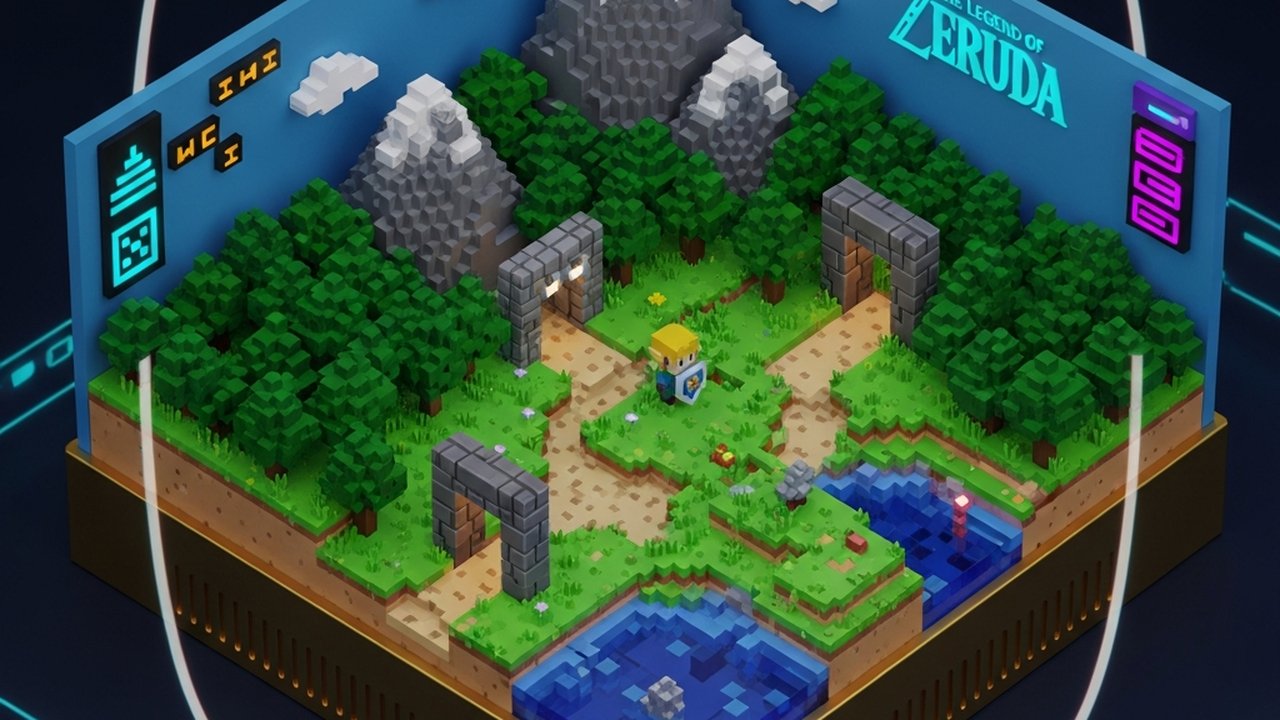
The Legend of Zelda in 3dSen VR creates something remarkable: the foundational action-adventure gains genuine spatial depth that enhances rather than merely alters the experience. The top-down perspective that once flattened Hyrule into a map-like abstraction now features actual elevation — mountains become peaks, dungeons develop cavernous depth, and the sense of scale shifts from “map representation” to “actual world.”
3dSen VR is a specialized NES emulator that converts 2D sprites into real-time 3D voxel geometry. For Zelda specifically, this transformation is particularly effective. The overworld feels more navigable with visual landmarks. Different terrain types develop distinct profiles. The voxel transformation recaptures some of the discovery that made the original unforgettable.
Controls remain gamepad-based — this is not motion-controlled combat. The VR value comes from the visual presentation, the ability to position yourself at the perfect viewing angle, and the optional mixed reality mode on Quest that places Hyrule as a diorama in your actual room.
The Legend of Zelda remains one of the most perfectly designed games ever created. Its nonlinear exploration, dungeon structure, and sense of discovery established templates that the genre still follows. In 3dSen VR, it becomes something else entirely: the same foundational adventure viewed through a lens that makes its achievements even more apparent.
Read the full Legend of Zelda VR review
#5: Super Mario Bros. VR (1985)

Super Mario Bros. in 3dSen VR is one of the most delightful flat-to-VR conversions available. The voxel transformation preserves the iconic gameplay while adding genuine spatial depth that makes platforming feel fresh again. Blocks pop out as actual cubes. Underground sections gain cavernous depth. Fireballs and enemies move through 3D space.
The game plays exactly as you remember — the physics, timing, and level layouts are untouched — but the visual presentation transforms the experience entirely. This is not a native VR platformer with motion controls. You play with a gamepad, just as you would with any emulator. The VR value comes from the dimensional translation that somehow feels faithful.
What elevates Super Mario Bros. above other 3dSen titles is the source material’s perfection. The 1985 game established the vocabulary that every platformer still speaks: precise jumps, power-ups, secret blocks, that perfect arc of momentum. Seeing 1-1 with blocks that actually pop out, or descending into underground sections with real depth, recaptures some of the wonder that players felt four decades ago.
For Mario fans who’ve played the original dozens of times and want to see it differently — or for anyone with a Meta Quest who wants to experience a magical diorama of gaming history floating in their living room — this is unmatched.
Read the full Super Mario Bros. VR review
#4: Tomb Raider VR (1996)
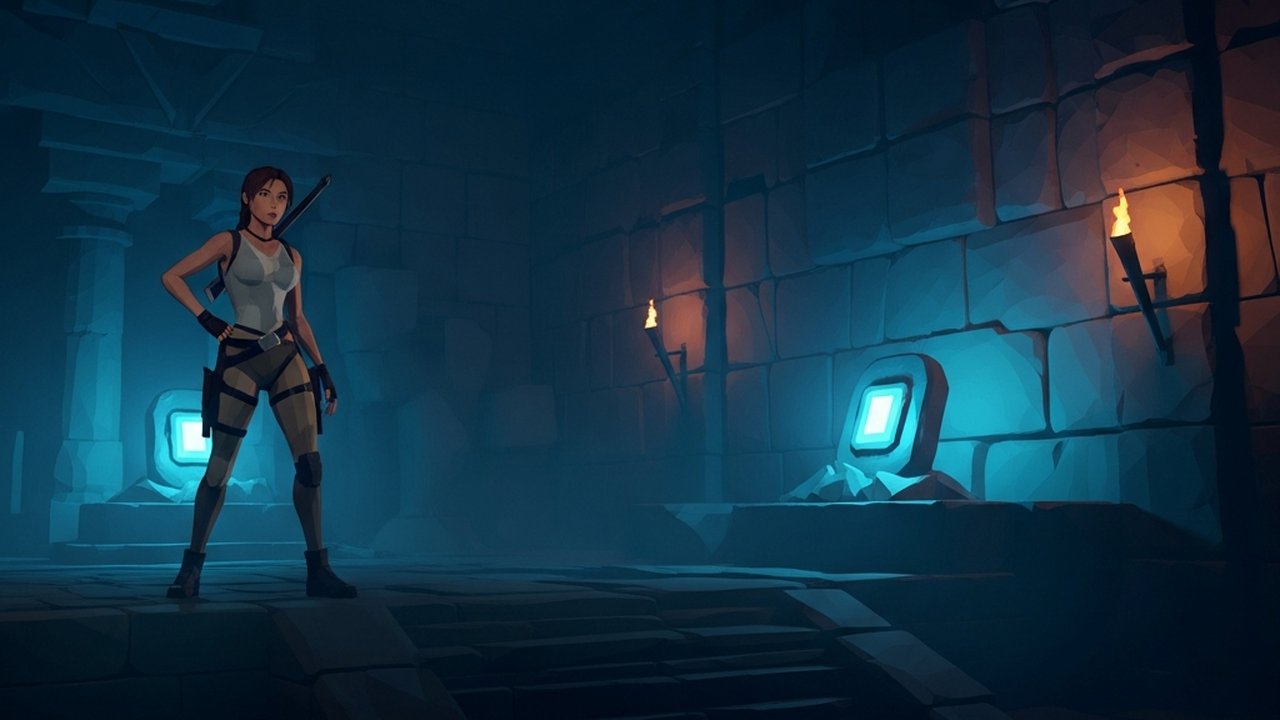
BeefRaiderXR by Team Beef is not a traditional mod — it’s a complete OpenXR source port of Tomb Raider 1 using the OpenLara engine. This is closer to GZDoom or QuakeSpasm than to a wrapper-based VR mod. The result: a polished, feature-complete port with multiple view modes, full motion controls, and cross-platform support.
The implementation offers four distinct modes: first-person VR with full 6DoF and IK body presence; third-person VR with classic tank controls adapted for VR; top-down diorama mode; and mixed reality mode on Quest that projects the game world into your physical space.
What makes Tomb Raider VR exceptional is how it handles the fundamental tension of adapting 1996 tank controls to VR’s expectation of camera-relative movement. Team Beef’s solution preserves the original’s grid-based movement while adding 6DoF extensions. You can instantly toggle between first-person (for exploration and combat) and third-person (for platforming) — this isn’t a bug workaround, it’s the intended way to play.
The 1996 game’s DNA creates inherent friction that no VR adaptation can fully resolve. Platforming in first-person is challenging without seeing Lara’s body for jump distance estimation. Head bobbing cannot be disabled. But for players who can adapt — or who primarily play in third-person mode — it’s a unique experience that breathes surprising new life into a classic.
Read the full Tomb Raider VR review
#3: Quake VR (1996)
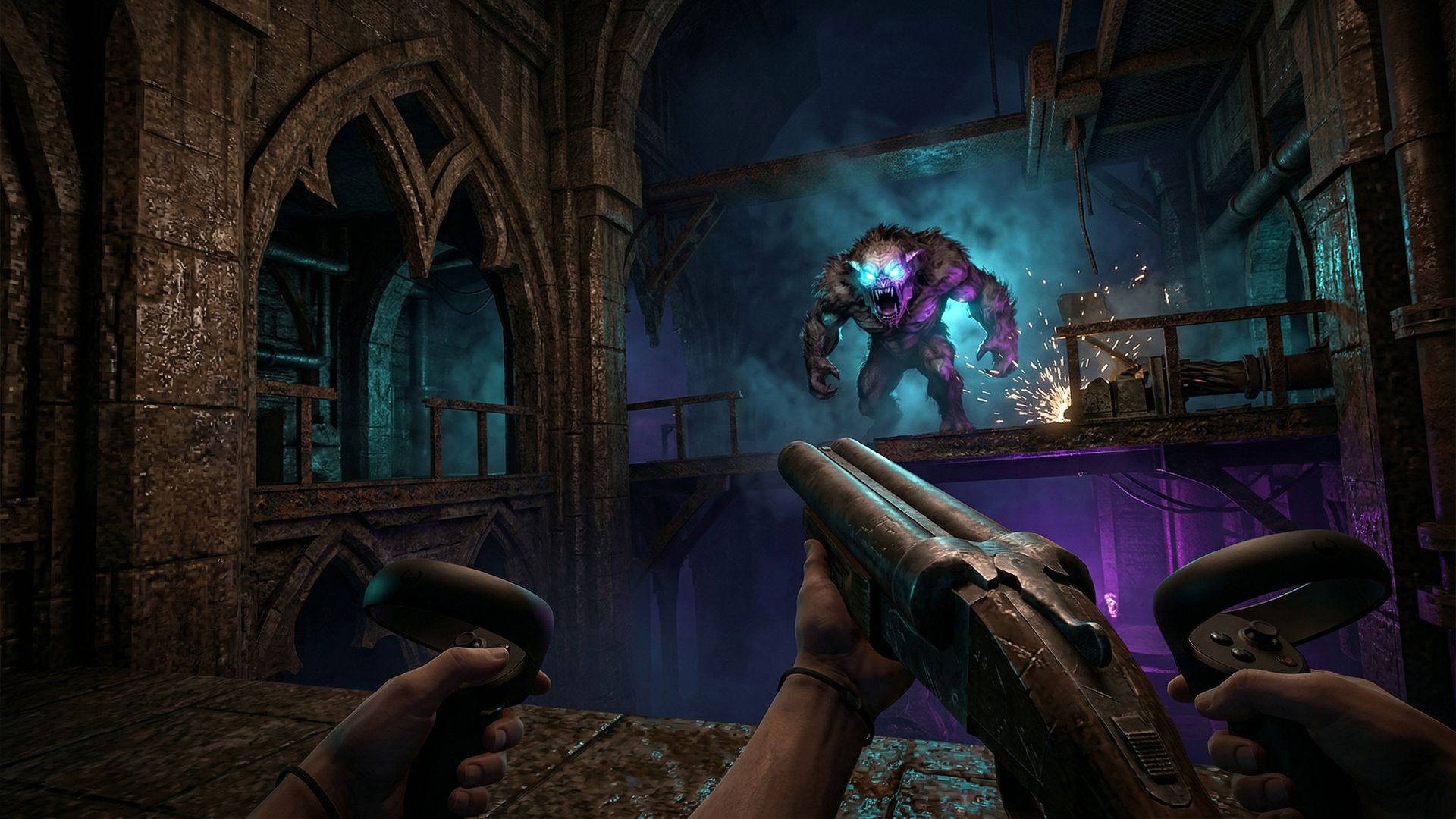
Quake VR earns its A-tier through genuine VR-native systems that go far beyond “playable in VR.” Physical weapon handling — dual-wielding, throwing, holster-based reloading with wrist-flick shotgun pumps — creates hand presence that most flat-to-VR conversions skip. Full room-scale movement including physical jumping, finger tracking on Index, and melee combat with headbutts demonstrate a depth of implementation rarely seen in hobbyist mods.
The PCVR implementation by Vittorio Romeo (built on QuakeSpasm) delivers comprehensive motion controls, hand tracking with individual finger articulation, and a weapon interaction system that includes throwing and holster-based reloading. Weapons are physical objects — you hold them, throw them, store them on virtual holsters at your hips and shoulders. The shotgun reloads with a satisfying wrist flick.
Quest/Pico users get QuakeQuest by DrBeef — a competent standalone 6DoF port via the DarkPlaces engine that lacks the depth of interaction found in the PCVR version but captures the core experience.
What keeps Quake from S-tier is accessibility. The breakneck speed and bunny-hopping DNA create an intense VR experience that will flat-out reject players without strong VR legs. Compare to Doom VR: while both offer full campaigns and motion controls, Quake VR’s weapon systems, room-scale integration, and physical interaction density are significantly more sophisticated. Doom VR is “Doom in VR”; this is “Quake rebuilt for VR.”
#2: Half-Life VR (1998)

Half-Life enjoys three distinct, actively maintained VR implementations — a luxury that reflects both the game’s importance and its technical accessibility. Lambda1VR for Quest, the Half-Life: Source VR Mod for PCVR, and Black Mesa VR for the fan remake each solve the problem differently.
Lambda1VR by Team Beef is arguably the best path for most users. It’s a complete standalone Quest port built on the Xash3D-FWGS engine — not emulation, not streaming, but proper VR running natively on Quest hardware. The complete Half-Life campaign, Opposing Force, Blue Shift, and multiplayer functionality with 6DoF tracking, full motion controls, and room-scale support. Physical crowbar swinging transforms melee — you actually swing your arm, and the game detects motion. Two-handed weapon stabilization adds realism.
For PCVR users, the Source VR Mod team’s implementation offers manual reloading, physics-based object interaction, comprehensive comfort options, and Steam Workshop integration. Black Mesa VR delivers the most visually impressive experience with modern assets and reimagined Xen chapters, though with slightly rougher edges as an unofficial mod.
Half-Life (1998) remains one of the finest first-person shooters ever created. Its environmental storytelling, pacing, and atmospheric design influenced the entire genre. In VR, the level design accommodates room-scale movement, the pacing suits immersive sessions, and the combat benefits from physical presence. Lambda1VR deserves special recognition — a technical miracle demonstrating what’s possible when talented developers treat classic games with respect.
Read the full Half-Life VR review
#1: Tetris Effect: Connected VR (1984)

Tetris Effect: Connected is the only S-tier on this list — the definitive VR puzzle experience and one of the few games that justifies VR on its own terms, not as a gimmick but as a genuinely transformative way to experience a familiar game.
This is native, official, first-party VR support across PSVR, PSVR2, Meta Quest 2/3, and PCVR. No modding, no unofficial patches, no workarounds — Enhance ships VR as a first-class feature. The synesthetic marriage of music, particle effects, and puzzle gameplay reaches its full potential when you’re surrounded by it.
The Journey mode — 10 stages with unique music and visual themes — is where VR shines. Each stage is a self-contained audiovisual experience; completing it in VR feels like attending a private concert. The particle density, background transitions, and Zone Mode time-stops create presence that flat screens cannot replicate.
PSVR2 offers the premium experience: 120fps, headset haptics for transitions, eye tracking for Zone triggering, DualSense haptics for piece movements. But all versions deliver the same core transformation.
The honest caveats: competitive players may still prefer flat screens for leaderboard precision (input latency exists, visual effects can obstruct at high speeds), and visual intensity is genuinely high — sensitive users may need to reduce effects. But as an atmospheric, almost meditative experience, VR is unmatched.
For the price of a few lattes, you can experience what may be the definitive form of gaming’s most enduring puzzle game. That this is a first-party native implementation — not a community mod, not an injection driver — matters. It shows what VR can achieve when developers understand that virtual reality isn’t just about presence, it’s about amplification.
Read the full Tetris Effect: Connected VR review
Honorable Mentions: C-Tier Games That Didn’t Make the Cut
These games have original flat releases before 2000 and VR implementations, but the combination of setup friction, limited content, or weaker VR integration keeps them out of the top 10.
Duck Hunt VR (1985)
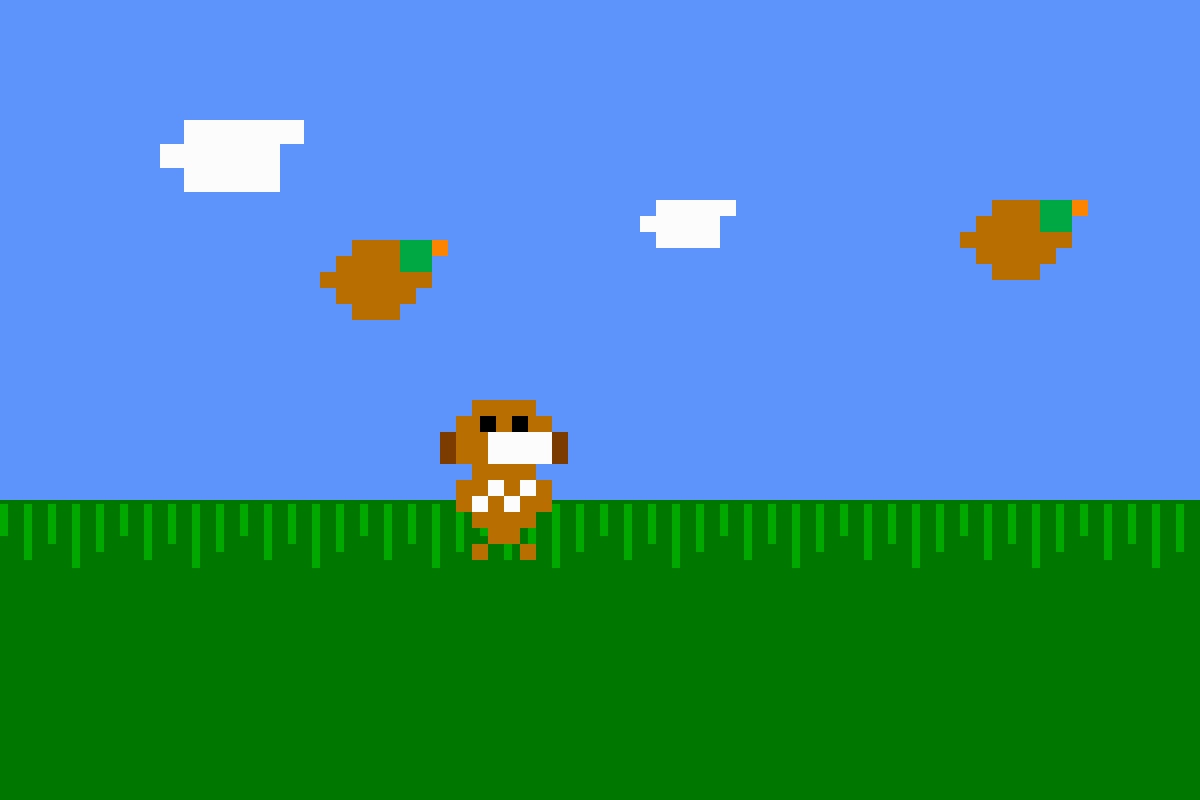 The authentic NES experience lives in 3dSen VR — motion controllers as the Zapper, voxel transformation, the laughing dog in 3D. Modern clones on Quest/Steam exist but lack the original’s charm. For NES nostalgia, 3dSen is the route. For casual duck shooting without emulator setup, clones may suffice. The core limitation: it’s a 1984 light gun game — limited depth even with VR enhancement.
Read the full Duck Hunt VR review
Space Channel 5 VR (1999)
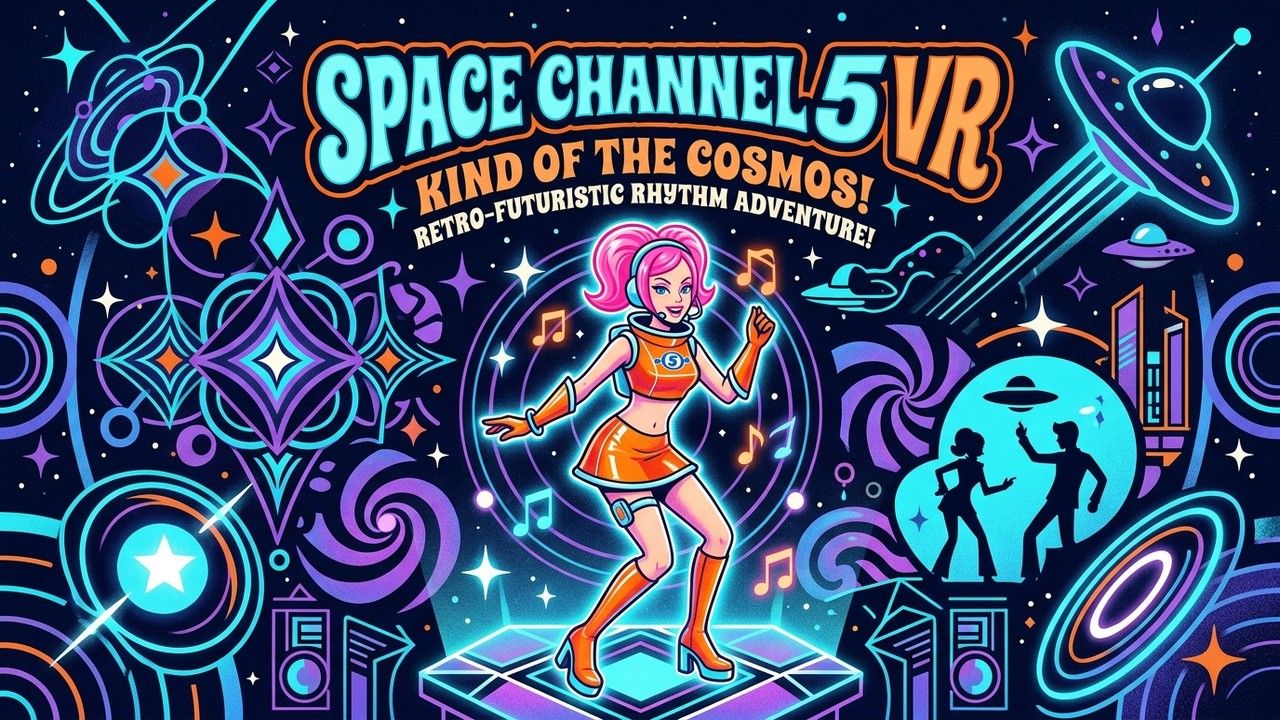 The native VR rhythm game successfully translates the Dreamcast classic’s “up, down, left, right, chu” gameplay into full-body motion controls. The campy 60s mod aesthetic returns in full force. But the 30-60 minute runtime offers poor value compared to Beat Saber or Pistol Whip. Fans will appreciate the faithful revival; newcomers should wait for a sale below $15. No seated play option limits accessibility.
Read the full Space Channel 5 VR review
Pac-Man VR (1980)
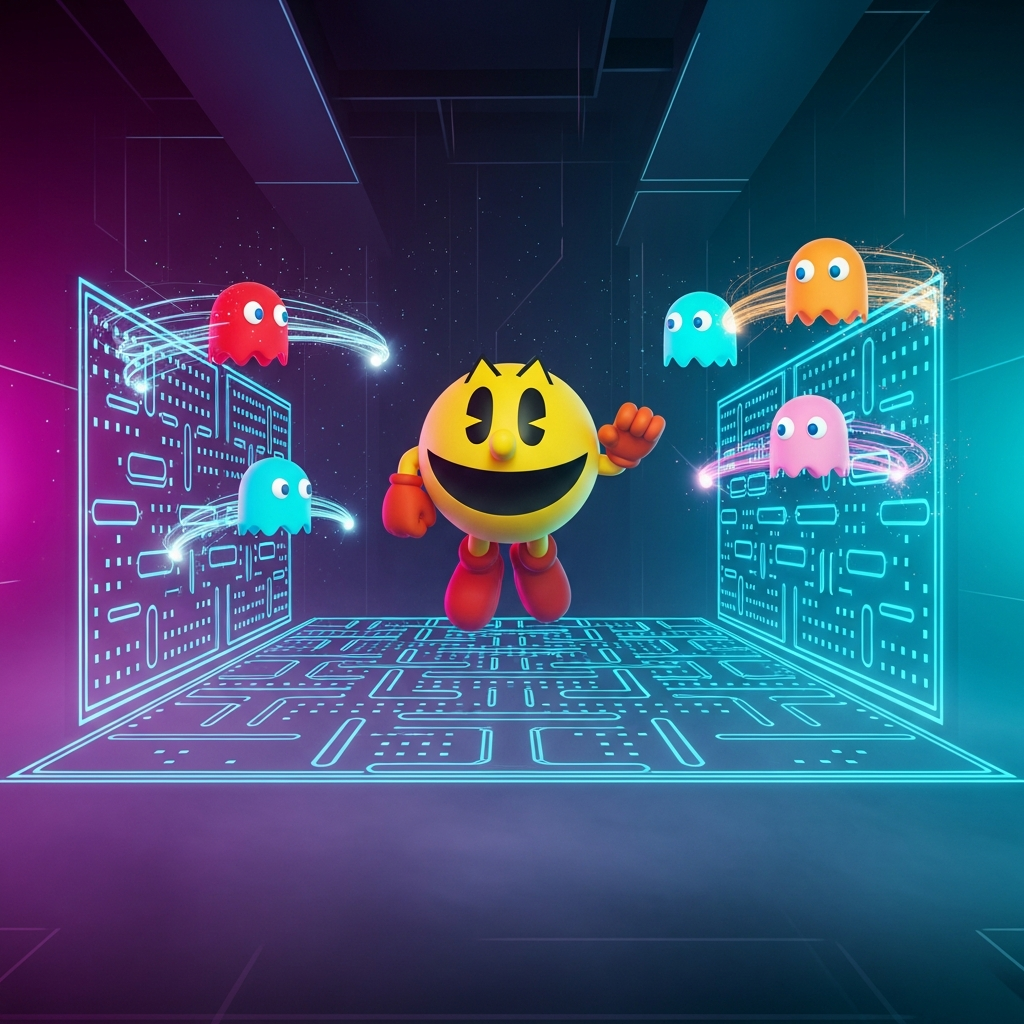 The most iconic arcade game has multiple VR paths: 3dSen VR for NES authenticity with voxel transformation, EmuVR for arcade cabinet atmosphere, and various unofficial clones. None transform the gameplay, but all preserve the classic experience. The limitation: Pac-Man doesn’t gain much from VR presentation beyond novelty. It’s still the same maze, same patterns, same appeal — just viewed from a different angle.
Read the full Pac-Man VR review
Conclusion: What Separates Good Retro VR From Bad
This ranking reveals a clear hierarchy in how classic games translate to VR:
S-tier (Tetris Effect): Native first-party implementations that understand VR as amplification, not gimmick. The game justifies the hardware.
A-tier (Half-Life, Quake, Tomb Raider, Mario, Zelda): Community-driven source ports or voxel transformations that add genuine value. These respect the original while creating something meaningfully new — physical crowbar swinging, holster-based reloading, dimensional depth that aids navigation. Setup requires effort, but the payoff warrants it.
B-tier (TIE Fighter, Doom, Battlezone, Daggerfall): Solid implementations compromised by friction. Complex multi-layer installation, demanding performance requirements, or repetitive procedural content. Worthwhile for enthusiasts with patience and hardware, but not easy recommendations.
C-tier (Duck Hunt, Space Channel 5, Pac-Man): Limited by source material depth, content volume, or weak VR integration. Charm exists, but the VR justification is thinner.
The pattern: the best retro VR isn’t just “old game in new display.” It’s old game plus new interaction paradigms, or old game plus spatial transformation that reveals something about the original design, or old game plus first-party polish that treats VR as a primary platform.
If you’re building a retro VR library, start with Tetris Effect for the essential native experience. Add Quake VR or Half-Life VR for ambitious community implementation. Consider 3dSen titles (Zelda, Mario) for charming voxel transformations. Tread carefully into B-tier territory — the games are good, but the friction is real.
The classics deserve better than lazy injection drivers and half-baked stereoscopic modes. These ten games — and the three honorable mentions — represent the standard for what retro VR should be: not just preserved, but transformed.