
The Best VR Games of 2015–2020
The definitive ranking of the thirty games that defined consumer VR's first era — from DK2 experiments and cockpit sims to full-length RPGs and physics sandboxes that proved VR was here to stay.
Five years. That’s how long it took consumer VR to go from a Kickstarter promise to a platform with genuine masterpieces. In 2015, the best VR experience was strapping a development kit to your face and hoping the nausea stayed manageable. By 2020, you could explore Skyrim in VR, slice blocks with lightsabers, fight dinosaurs with motion controllers, and play full-length campaigns that stood toe-to-toe with flat-screen games.
This isn’t a list of every VR game worth playing between 2015 and 2020. It’s the thirty games that mattered most — the ones that defined what VR could be, proved the skeptics wrong, and built the foundation that every VR game since has stood on. Ranked by a combination of quality, significance, and lasting influence on the medium.
#30: Subnautica

The ocean planet 4546B is one of gaming’s great environments, and experiencing it in VR transforms exploration from a mechanic into a primal instinct. Unknown Worlds built a survival game where the act of descending into deeper water — away from the safety of your lifepod, toward sounds you can’t identify — generates genuine dread. The flat version is tense. The VR version makes you check over your shoulder.
The VR implementation has rough edges: the UI wasn’t designed for headsets, and some interactions feel bolted on. But the core experience — swimming through kelp forests, scanning alien creatures, rebuilding your base piece by piece — is elevated by the spatial presence that only a headset provides. Subnautica proves that exploration games don’t need combat to be compelling. They need environments worth inhabiting, and Subnautica’s ocean is one of the best.
Read the full Subnautica VR review
#29: Westworld Awakening
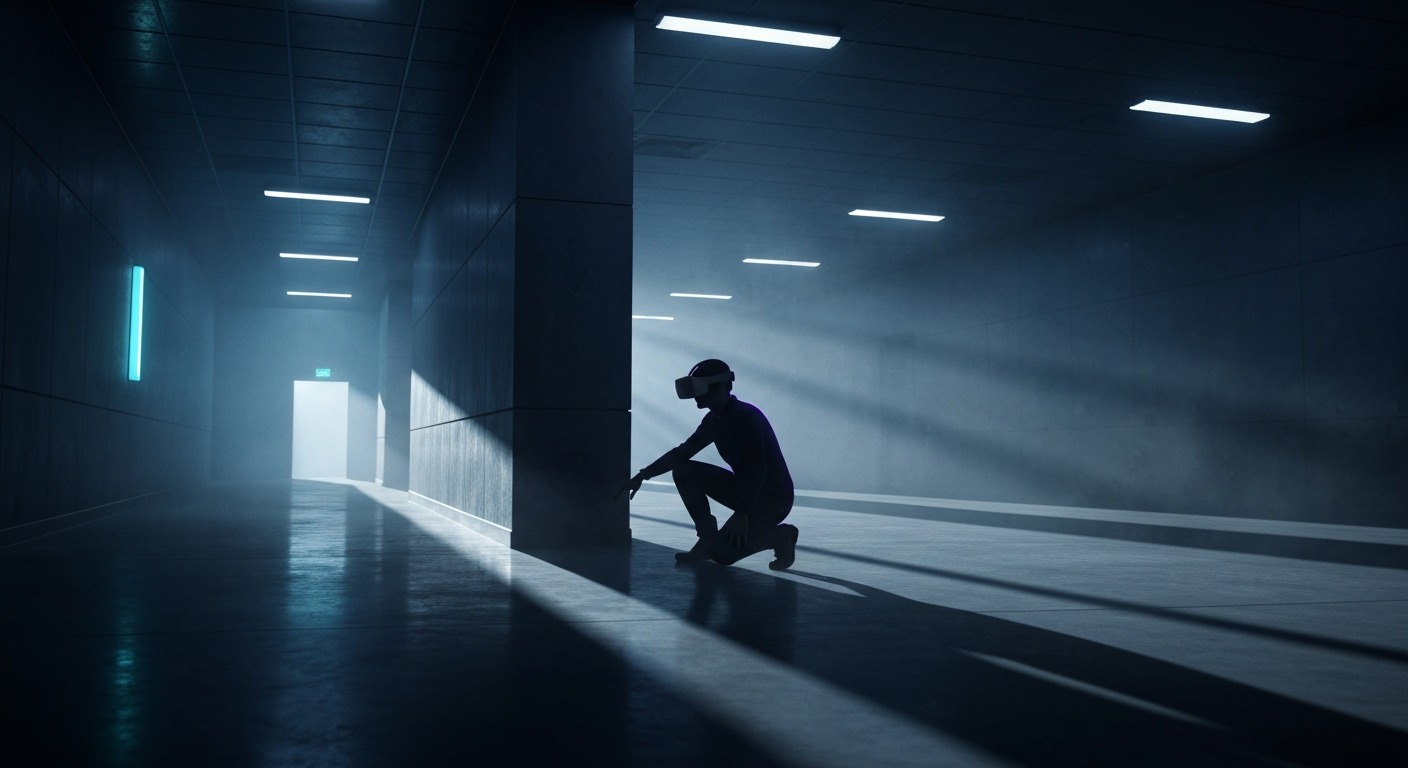
Upgrade Software turned a premium HBO license into something better than it had any right to be. Westworld Awakening is a first-person stealth-horror game set during Season 1’s timeline, and it understands something that most licensed games don’t: the franchise’s power isn’t in its action — it’s in its atmosphere of creeping dread and moral ambiguity.
You play as a Host who’s beginning to remember. The Delos labs are your playground and your prison. The VR implementation makes the déjà vu loops genuinely unsettling — you’re physically turning corners you’ve already turned, hearing conversations you’ve already had, and the sense that something is fundamentally wrong with reality is amplified by the fact that you’re inside it. Westworld Awakening is short, and the stealth mechanics are familiar, but the world-building and atmosphere make it one of the era’s most underrated narrative experiences.
Read the full Westworld Awakening VR review
#28: Golem
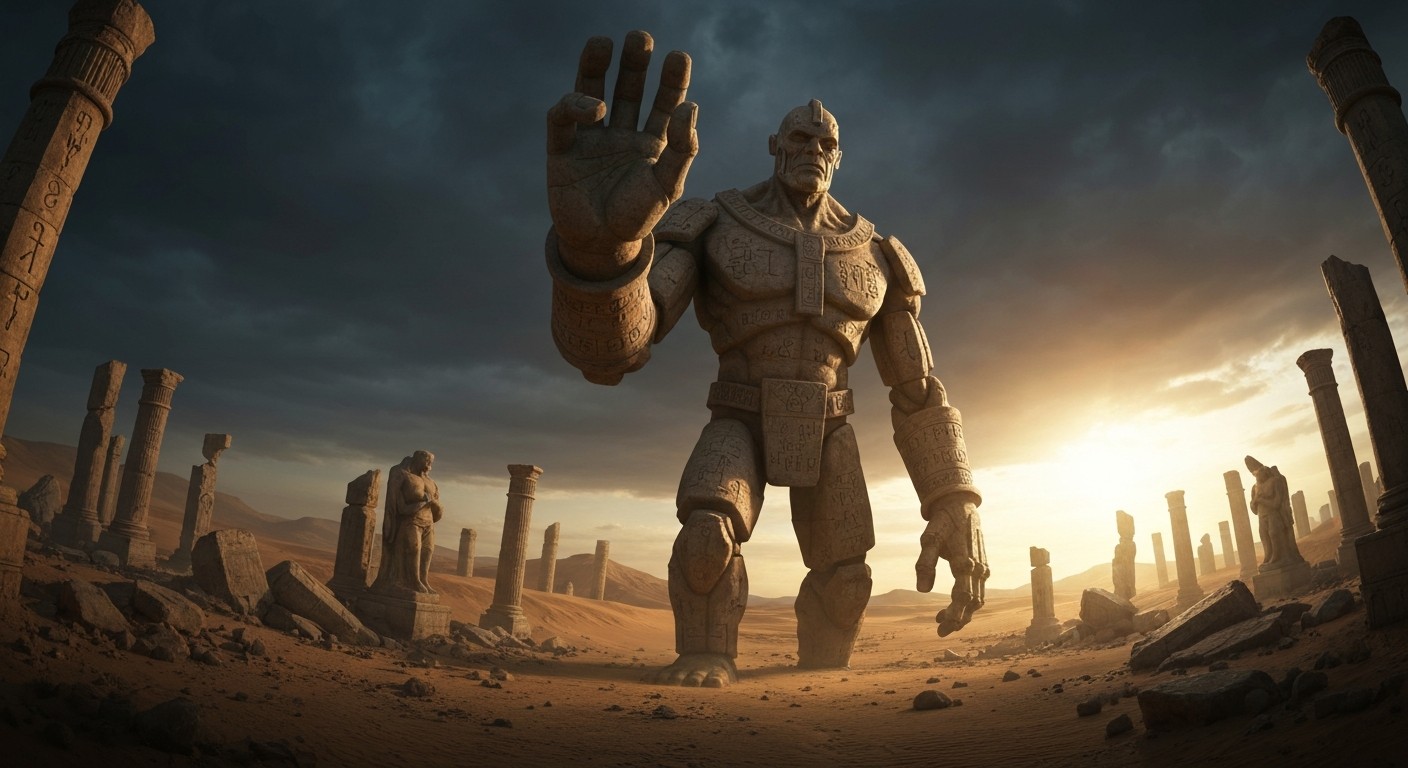
Highwire Games — a studio founded by former Bungie developers — built a game about controlling stone creatures through a dying girl’s dreams. Golem’s concept is stranger than its execution: you inhabit a medieval girl named Twine who’s connected to golems through a mysterious bond, and your physical movements translate to the stone creatures’ actions.
The combat is slow and deliberate — not the frantic wave-shooter pace that dominated 2019 VR. You feel the weight of each strike. The environments are gorgeous in a painterly, dreamlike way. The story unfolds through environmental storytelling rather than dialogue. Golem is the kind of game that only exists in VR — its physicality and atmosphere are inseparable from the medium. It’s not for everyone, but for players who value presence over pace, it’s a quiet masterpiece.
#27: SUPERHOT VR
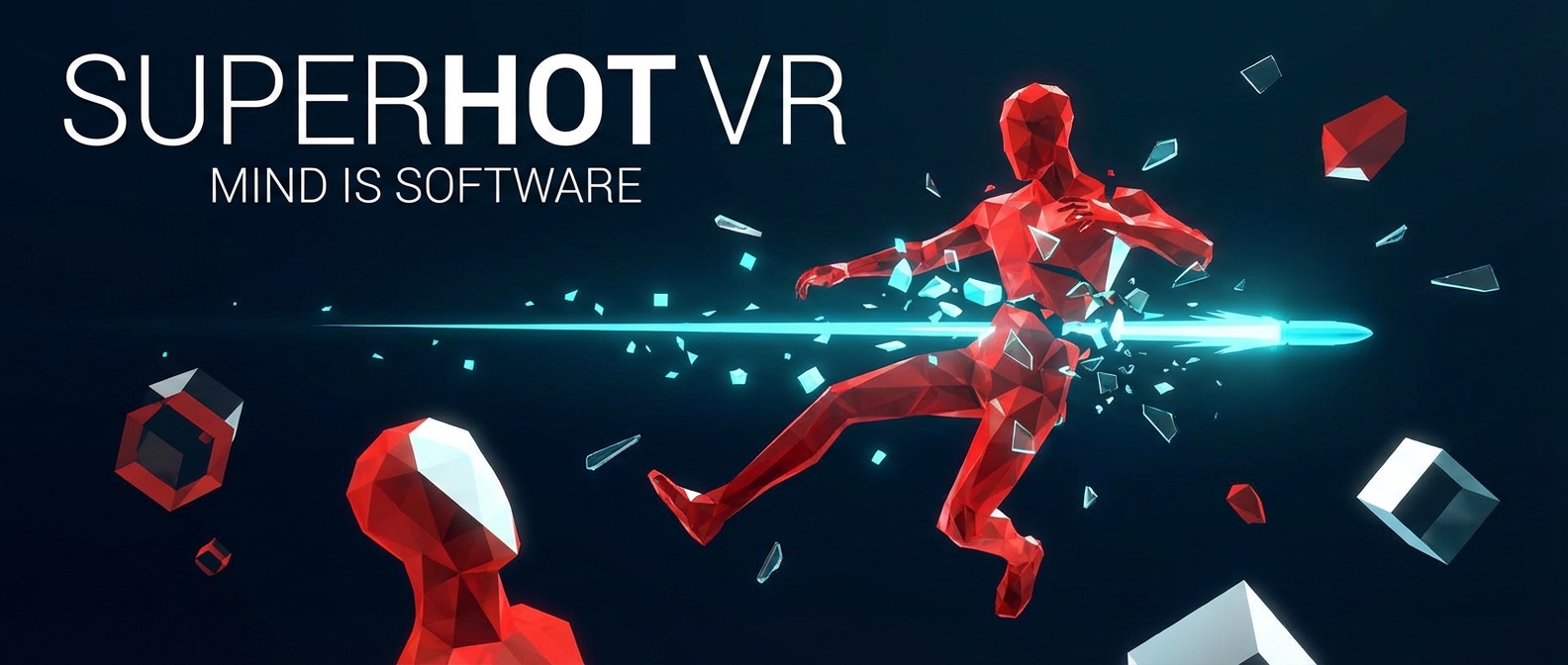
The flat-screen version of Superhot is a clever puzzle game where time moves when you move. The VR version is a revelation. The same mechanic — time advances proportionally to your physical movement — transforms from a gimmick into the most viscerally satisfying combat system in VR. Punch a man, grab his gun from the air, shoot his friend, sidestep a bullet, throw the empty weapon into the next guy’s face. All in slow motion. All with your actual body.
SUPERHOT VR proved that the best VR games aren’t ports. They’re reimaginings. The campaign is short — most players finish it in under three hours — but those three hours contain more memorable moments than most games manage in thirty. The final level, where time flows at full speed and you have to actually be as fast as the game has been letting you pretend to be, is one of VR’s greatest sequences.
Read the full SUPERHOT VR review
#26: Tetris Effect

The most beautiful version of the most perfect game ever designed. Tetsuya Mizuguchi — the man behind Rez and Lumines — took Tetris and wrapped it in a sensory experience that justifies VR’s existence. Blocks fall in time with music. Environments shift around you: underwater, in space, through desert storms, across frozen lakes. The effect is meditative in a way that no other VR game achieves.
Tetris Effect in VR isn’t about challenge or competition. It’s about transcendence. The Zone mechanic — where clearing lines slows time and pulls you into a flow state — is the closest any game has come to capturing what it feels like to be completely absorbed in something. You don’t play Tetris Effect to beat it. You play it to disappear inside it. On a Saturday afternoon with a headset, there’s nothing else like it.
Read the full Tetris Effect VR review
#25: Star Wars: Tales from the Galaxy’s Edge
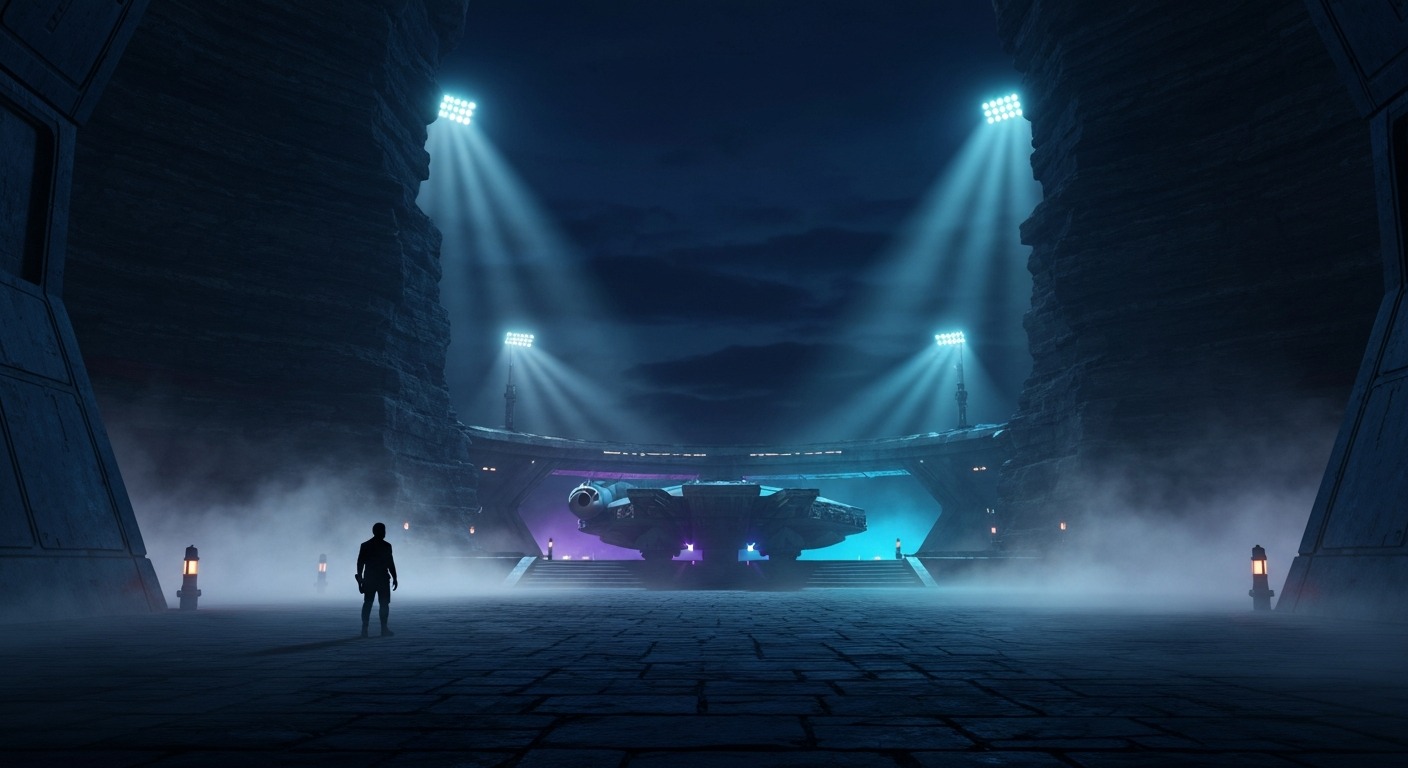
ILMxLAB built the Star Wars cantina experience that every fan wanted: you’re a hyperspace merchant who crash-lands on Batuu, the same planet from Galaxy’s Edge at Disneyland, and stumbles into a conflict with the First Order. The game splits into two experiences — the main story missions where you play as the smuggler, and bonus content where you play as legendary bounty hunter AD-33 (aka Seezelslak) telling tales of classic Star Wars characters.
The VR implementation is polished and accessible. Grabbing objects with short-range telekinesis, reloading blasters by hand, physically ducking behind cover during firefights — it all feels natural. The production values are ILM at its best: the environments are dense with Star Wars detail, the voice acting is solid, and the scale of the sets — a full-size Millennium Falcon hangar, a bustling cantina — makes you feel like you’re actually on Batuu. Tales from the Galaxy’s Edge is the kind of VR experience that converts non-gamers: it’s short enough to finish in one sitting, polished enough to impress, and Star Wars enough to make you smile. The Enhanced Edition for PSVR2 added haptic feedback and improved visuals, but the Quest version remains the definitive way to play.
Read the full Star Wars: Tales from the Galaxy’s Edge VR review
#24: WipEout Omega Collection

The anti-gravity racing game that proved VR could deliver speed. WipEout Omega Collection — a remaster of the PS3-era duology — runs at a locked 120fps in VR on PS4 Pro, and the sense of velocity is unlike anything else in the medium. You’re not watching a racing game from a distance. You’re inside a cockpit, 600 kilometers per hour, threading between pillars in a tunnel while the bass thumps through your skull.
The VR mode was added as a free update, and it’s the definitive way to play. The depth perception makes cornering intuitive. The scale makes the tracks feel real. The sense of speed makes your stomach drop on the first drop. WipEout Omega Collection is the proof that racing games don’t need to be simulations to benefit from VR — they just need to be fast enough that your body believes it’s moving.
Read the full WipEout Omega Collection VR review
#23: Ace Combat 7: Skies Unknown
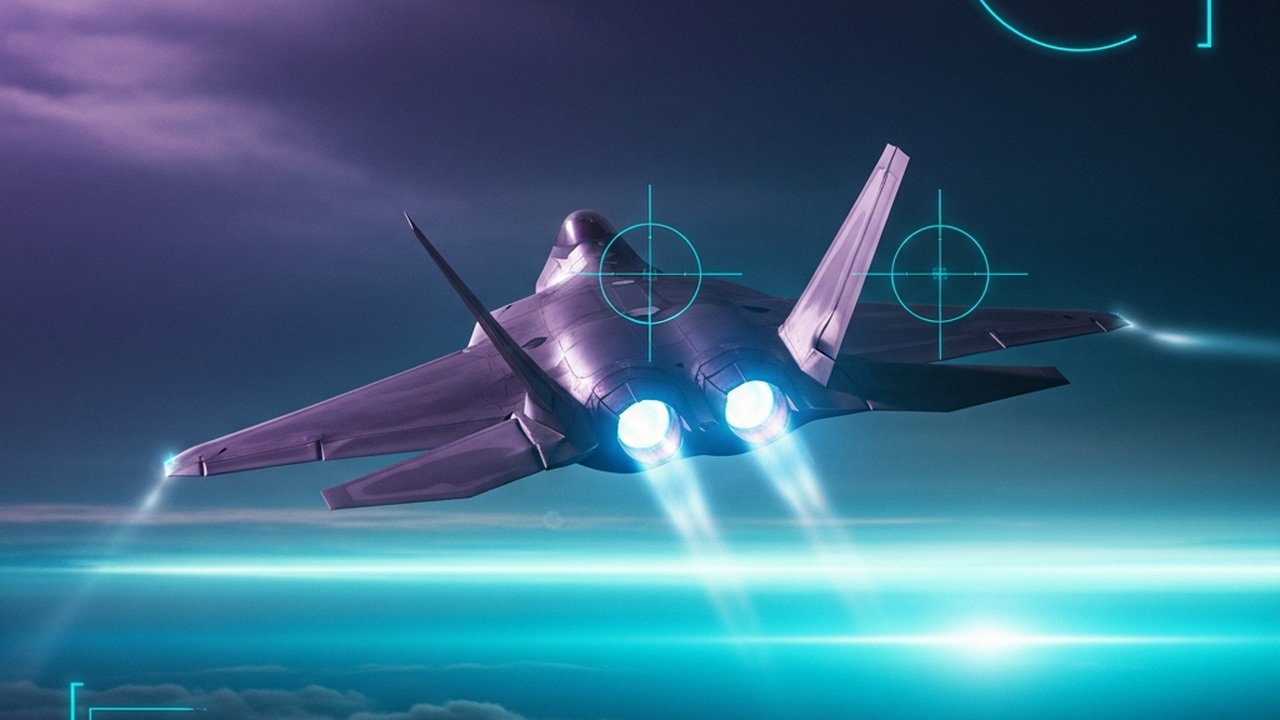
The childhood fantasy of dogfighting in a fighter jet, realized in VR. Ace Combat 7’s PSVR mode lets you sit in the cockpit of an Su-37 and actually aim by looking at targets. The flat version is a perfectly good arcade flight game. The VR version makes you believe you’re flying.
The VR mode is limited — a handful of missions, no full campaign — but what’s there is electric. The sense of altitude, the physical act of checking your six by turning your head, the moment a missile lock warning starts screaming and you actually bank to evade — it’s the kind of experience that makes you understand why people buy headsets. Ace Combat 7 isn’t a full VR game, but the slices it delivers are among the most exhilarating in the medium.
Read the full Ace Combat 7 VR review
#22: Medal of Honor: Above and Beyond
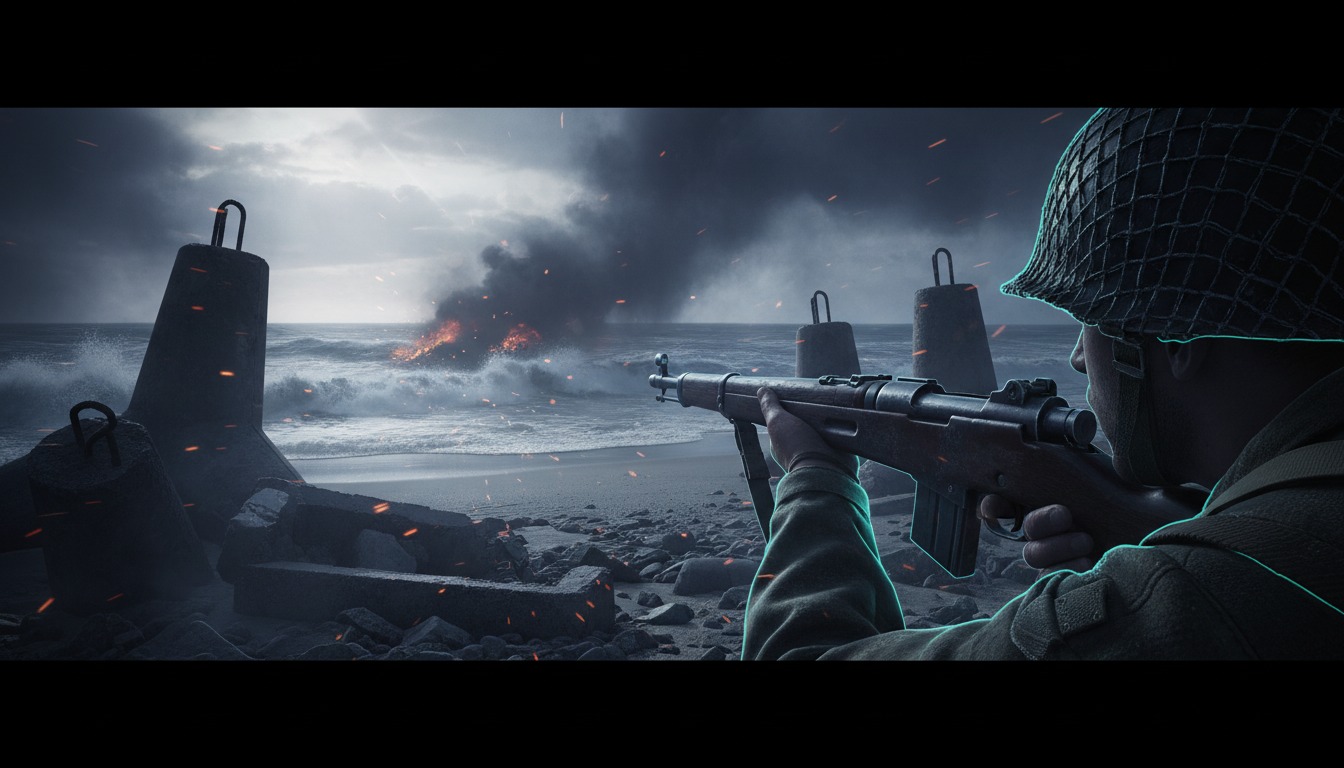
Respawn Entertainment — the studio behind Titanfall and Apex Legends — brought the Medal of Honor franchise to VR with a full single-player campaign set in World War II. The result is a game that’s uneven in its systems but transcendent in its set pieces. Storming Omaha Beach in VR is one of the era’s most intense sequences — bullets whizzing past, explosions shaking the ground, the scale of the invasion laid out around you in a way a flat screen can’t convey.
The campaign has pacing problems. The stealth sections are undercooked. The stealth mechanics feel bolted onto a game that wants to be an action blockbuster. But when Medal of Honor commits to spectacle — the train heist, the mountain fortress assault, the final desperate push — it delivers some of the most cinematic moments in VR. The multiplayer was dead on arrival, but the single-player campaign is worth experiencing for the beach landing alone.
Read the full Medal of Honor: Above and Beyond VR review
#21: Creed: Rise to Glory
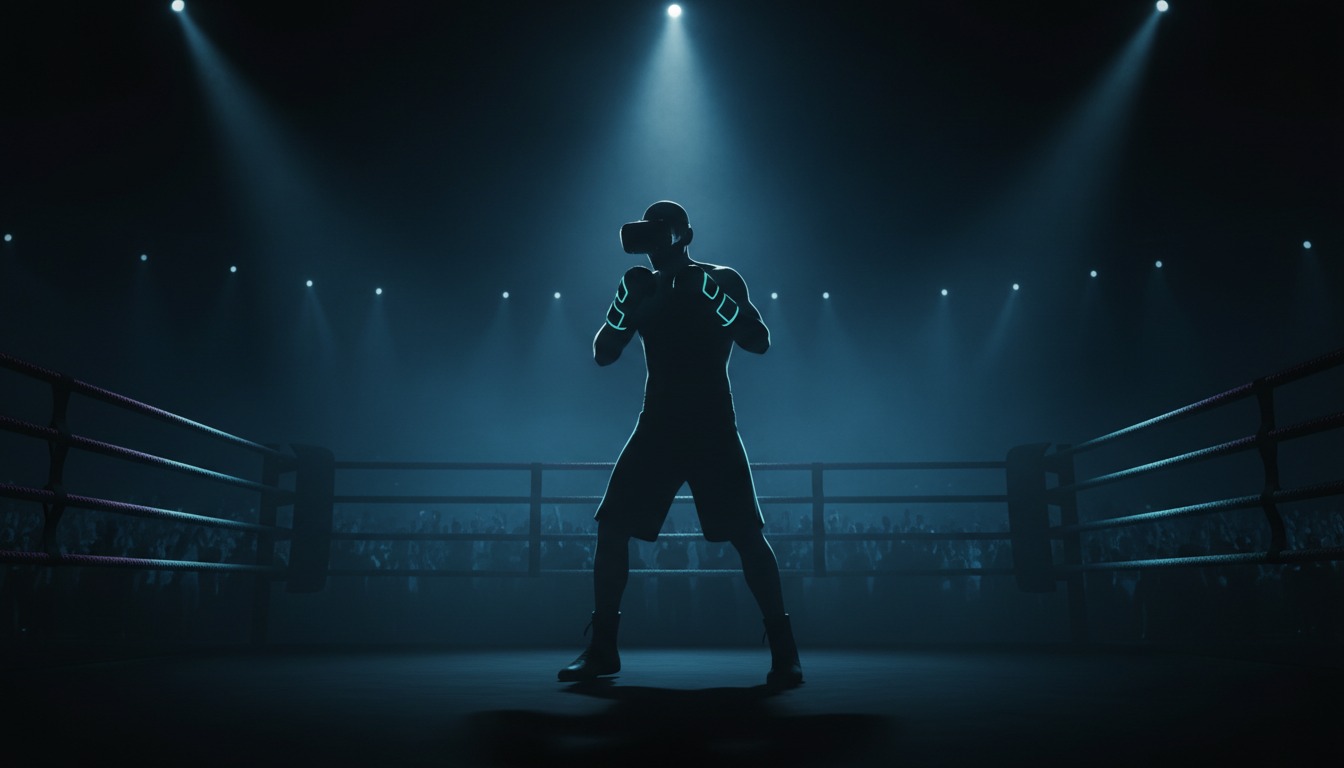
The Rocky franchise’s VR debut understands something that most fighting games don’t: in VR, the fight isn’t about combos and frame data. It’s about体力. Creed: Rise to Glory puts you in the ring as Adonis Creed, and the physical toll of boxing in VR — the actual sweating, the actual ducking, the actual feeling of exhaustion after three rounds — makes it one of the most immersive sports experiences in the medium.
The cinematic career mode follows Adonis’s arc from underdog to champion, complete with training montages and rival boxers with distinct fighting styles. The “Phantasm” mechanic — where defeated opponents appear as ghostly echoes in later fights — adds a psychological layer that elevates it beyond a simple boxing simulator. Creed isn’t the deepest fighting game, but it’s the one that makes you feel like a boxer. The physicality is the point.
Read the full Creed: Rise to Glory VR review
#20: Star Wars: Squadrons

The childhood fantasy of flying an X-Wing, delivered with the production values to back it up. Star Wars: Squadrons puts you in the cockpit of iconic Star Wars spacecraft — X-Wings, TIE Fighters, Y-Wings, and more — and lets you fly them in VR with full six-degrees-of-freedom movement. The sense of scale is everything: a Star Destroyer looming above you, a trench run stretching into the distance, the cockpit instruments glowing around you.
The single-player campaign splits time between the New Republic and the remnants of the Empire, delivering a competent Star Wars story with strong character work. The multiplayer is where Squadrons shines — 5v5 fleet battles that require coordination, positioning, and the kind of spatial awareness that VR excels at. Squadrons is the Star Wars flight game fans wanted for decades, and VR is the reason it works.
Read the full Star Wars: Squadrons VR review
#19: Hellblade: Senua’s Sacrifice
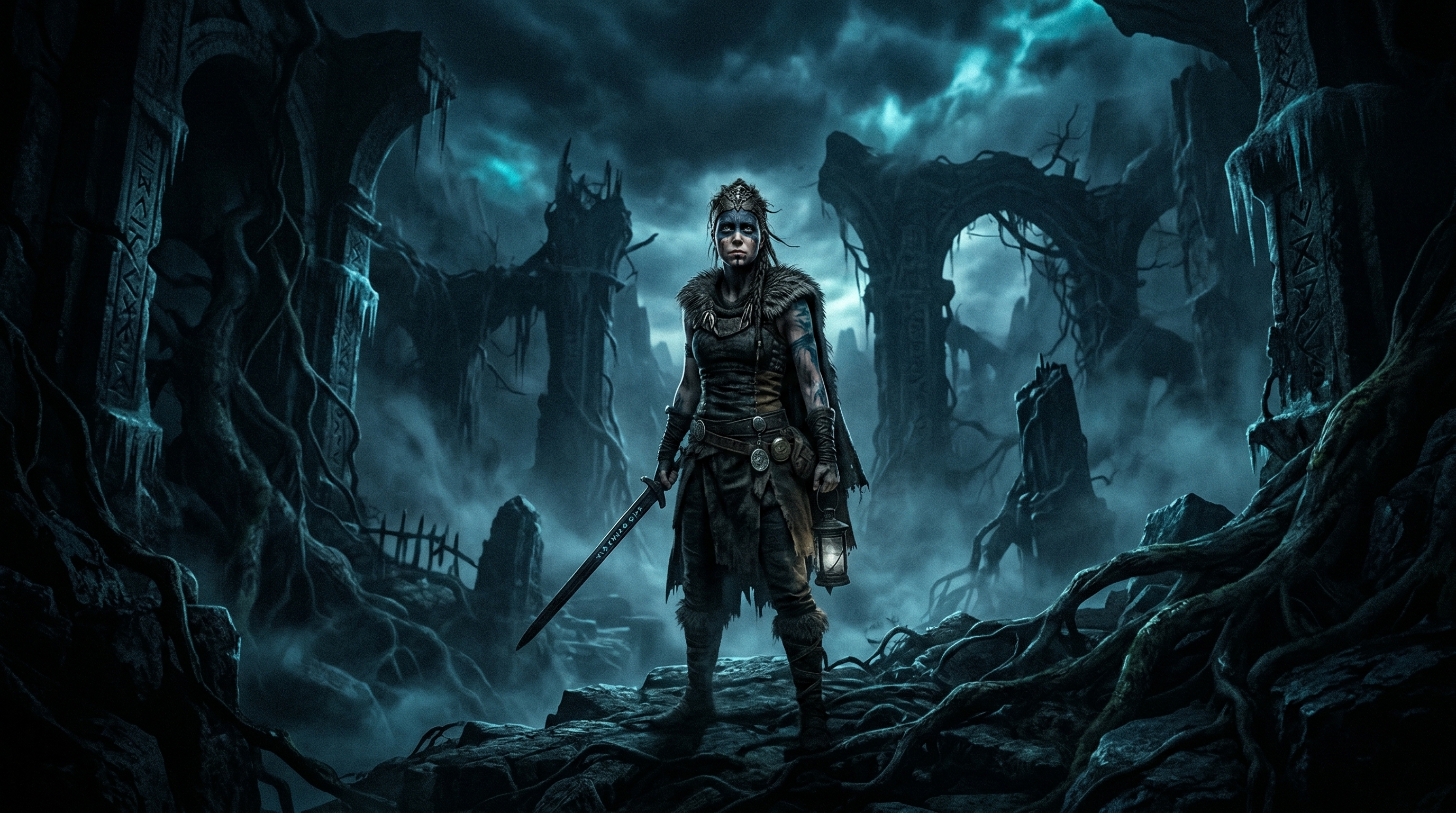
Ninja Theory’s Norse mythology action game was already one of the most intense narrative experiences of 2017. In VR, it becomes something closer to an endurance test — and that’s the point. The game follows Senua, a Pict warrior with psychosis, as she journeys into Helheim to rescue her dead lover’s soul. The voices in her head — binaurally mixed to sound like they’re whispering directly into your ears — are more unsettling in VR than on any screen.
The combat is solid but repetitive. The puzzles are clever but familiar. What makes Hellblade essential in VR is the atmosphere: the sense of isolation, the whispered doubts, the feeling that reality itself is unreliable. When Senua looks at a corpse and hears it speak, you hear it too. When she turns to face something behind you, you turn too. Hellblade in VR isn’t comfortable. It’s not supposed to be. It’s one of the few VR games that uses the medium to make you feel something genuinely unsettling.
Read the full Hellblade: Senua’s Sacrifice VR review
#18: Microsoft Flight Simulator

The entire planet, rendered in satellite imagery and real-time weather, accessible from a cockpit in VR. Microsoft Flight Simulator’s VR support — added months after launch — transformed the most ambitious simulation ever made into the most ambitious VR experience ever made. Flying over your hometown and recognizing landmarks. Landing at an airport you’ve actually been to. Watching a thunderstorm build on the horizon in real-time.
The VR implementation has performance demands that match the ambition — you need serious hardware to run it well. But when it works, it’s the closest VR has come to the “holodeck” promise. You’re not playing a flight simulator. You’re flying. The sense of altitude, the scale of the landscape, the way clouds feel like actual volumes of water vapor rather than textures — it’s the most convincing argument that VR’s future is bigger than gaming.
Read the full Microsoft Flight Simulator VR review
#17: Vader Immortal: A Star Wars VR Series
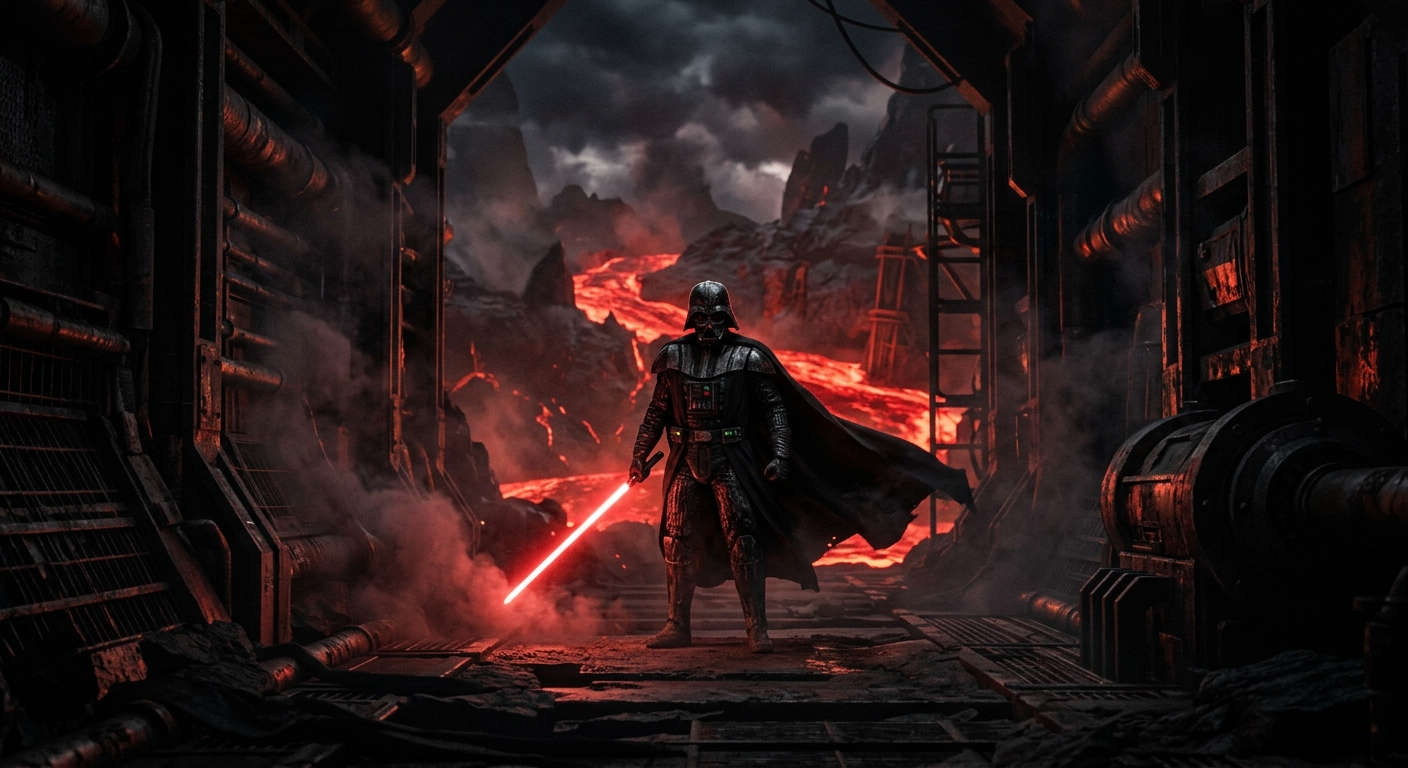
Three episodes, each a theme-park ride disguised as a game. Vader Immortal is the Star Wars VR experience that non-gamers can understand: you’re a smuggler who gets captured by Darth Vader and pulled into a mystery on Mustafar. The production values are ILM at its best — the lightsaber, the environments, the voice work. When Vader himself appears and speaks to you, the scale is genuinely intimidating.
The combat — lightsaber duels and Force-powered puzzles — is satisfying but brief. Each episode runs about 45 minutes. But the Lightsaber Dojo mode, where you spar against waves of training droids, extends the experience significantly. Vader Immortal isn’t deep, but it’s the kind of VR experience that converts skeptics: polished, accessible, and immediately legible. It’s the ride you put people on to show them what VR can do.
Read the full Vader Immortal VR review
#16: Iron Man VR

Camouflaj built the Iron Man game that people wanted since the first movie: you put on the headset, you ARE Tony Stark, and you fly. The motion controls map to repulsor blasts, flight stabilization, and unibeam attacks in a way that feels intuitive within minutes. Taking off from a landing pad, accelerating through clouds, and breaking the sound barrier while firing repulsors at incoming missiles — it’s the superhero fantasy made physical.
The campaign is a competent Iron Man story — corporate espionage, drone warfare, a villain with personal stakes — but the real draw is the moment-to-moment flight. The sense of speed, the physical act of angling your hands to bank and dive, the feeling of hovering above a cityscape with your repulsors keeping you aloft — it’s the closest VR has come to making you feel like you have superpowers. Iron Man VR is proof that superhero games don’t need open worlds to be compelling. They need to make you feel powerful.
Read the full Iron Man VR review
#15: Stormland
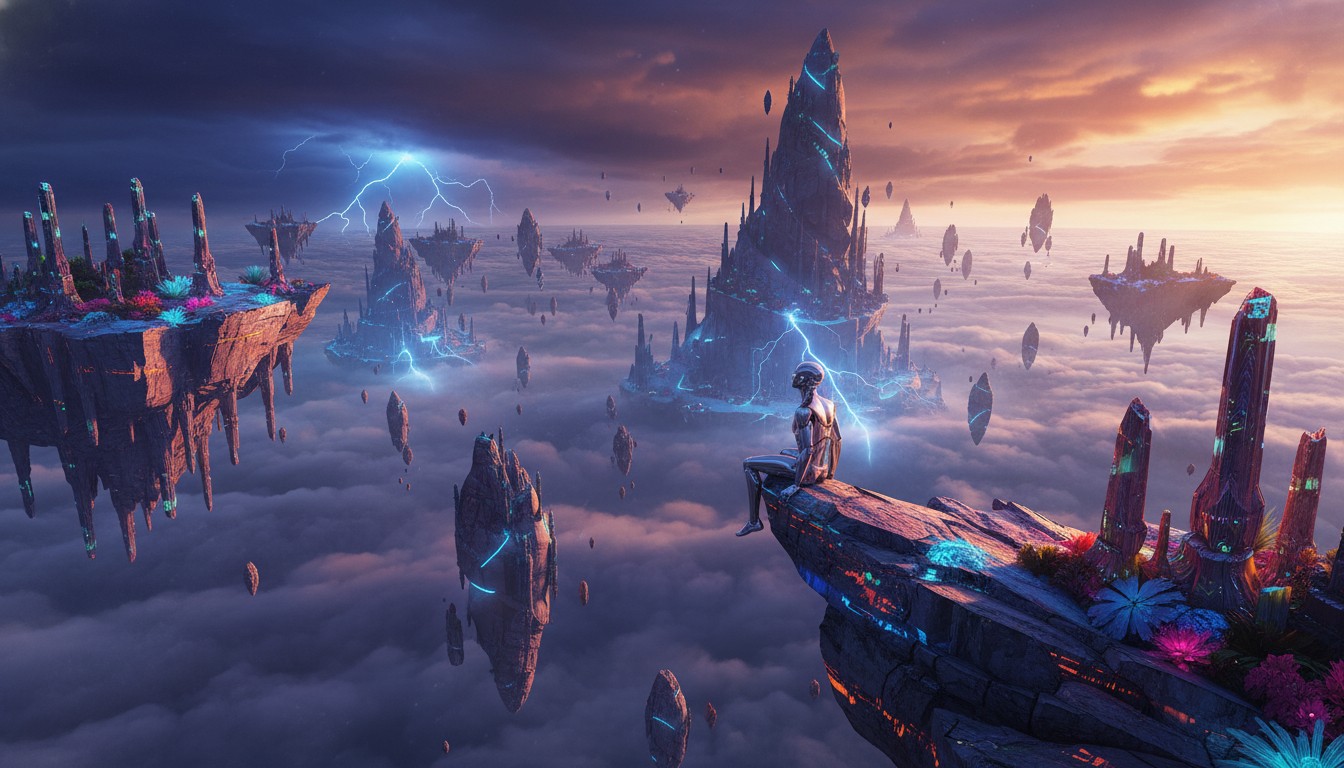
Insomniac Games — the studio behind Ratchet & Clank and Spider-Man — built a VR-exclusive action game about a robot gardener fighting to reclaim his world from an alien scourge. Stormland is a game about movement: gliding between floating islands, climbing cliffs with your actual hands, swinging from vines, and diving through clouds to reach the next platform. The locomotion system — a combination of climbing, gliding, and teleporting — makes traversal feel like play rather than a problem to solve.
The combat is solid. The weapons are satisfying. The world is beautiful. But Stormland’s real achievement is proving that Insomniac’s signature sense of movement — the thing that makes their flat games sing — translates to VR. When you’re gliding between islands with the wind rushing past you, Stormland isn’t a VR game with good movement. It’s a good game that happens to be in VR.
Read the full Stormland VR review
#14: Pistol Whip
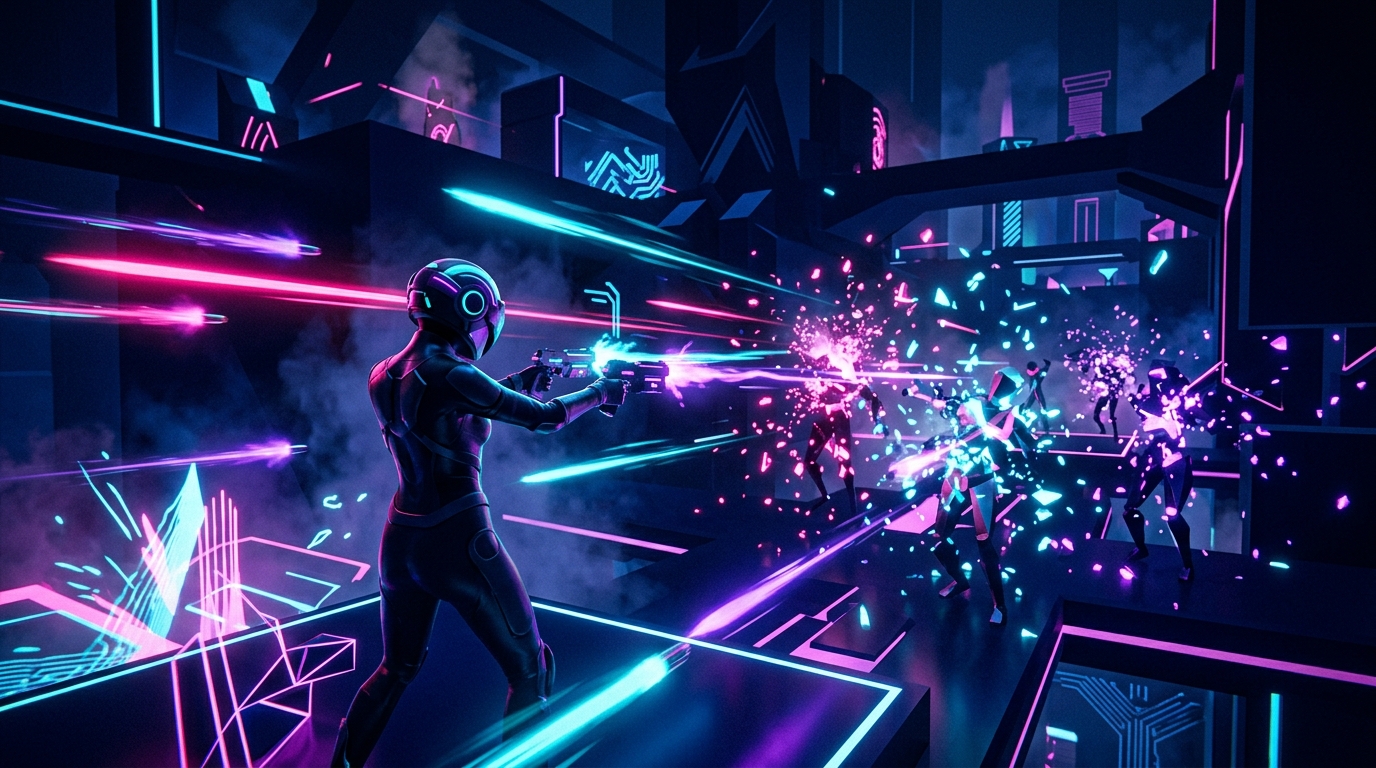
Beat Saber made rhythm games mainstream in VR. Pistol Whip proved they could be action games too. The concept is simple: enemies appear in choreographed sequences along a track, and you shoot them to the beat. The execution transforms that concept into something that feels like starring in a John Wick movie. You’re physically ducking, spinning, reloading by slamming magazines home, and punching enemies who get too close — all in rhythm.
Cloudhead Games understood something that most rhythm shooters didn’t: the beat isn’t just a scoring mechanism, it’s a pacing tool. The music dictates when enemies appear, how fast you need to react, and when you can breathe. The result is a cardiovascular workout disguised as a power fantasy, and it’s one of the few VR games that’s genuinely better the faster and harder you go.
Read the full Pistol Whip VR review
#13: Farpoint
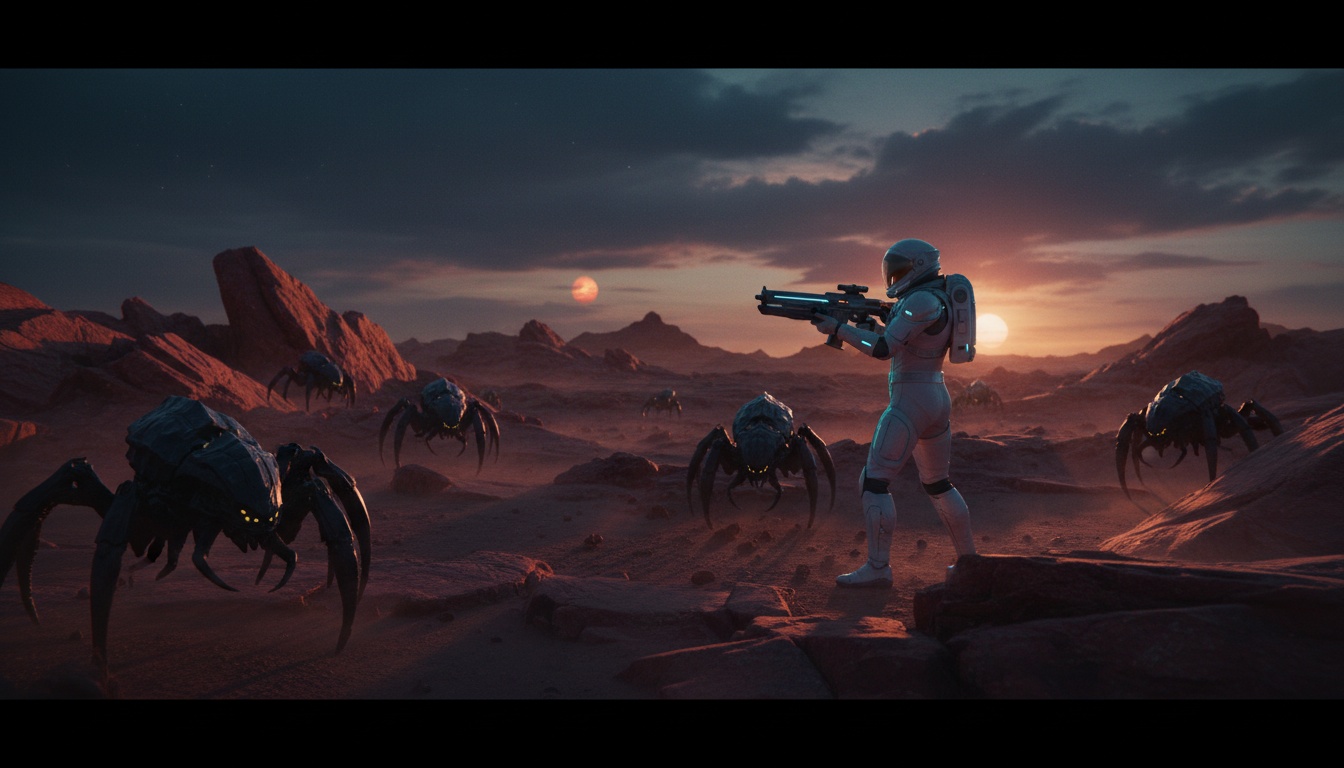
Impulse Gear and Sony built a full-length FPS campaign for PSVR and paired it with the Aim Controller — a rifle-shaped peripheral that made the game feel like something from an arcade cabinet in the best possible way. Farpoint’s story about astronauts stranded on an alien world is serviceable sci-fi, but the shooting is what matters. The Aim Controller’s 1:1 tracking means you physically aim down sights, track moving targets, and feel the weight of a virtual weapon in your hands.
The co-op mode extended the experience, and the wave-based challenge maps kept players coming back. Farpoint remains the best argument for dedicated VR input hardware — when the controller disappears and the gun becomes your hands, that’s the whole point of the medium. The campaign is short but tight, the alien designs are memorable, and the Aim Controller integration is still the gold standard for VR shooting.
Read the full Farpoint VR review
#12: Fallout 4 VR
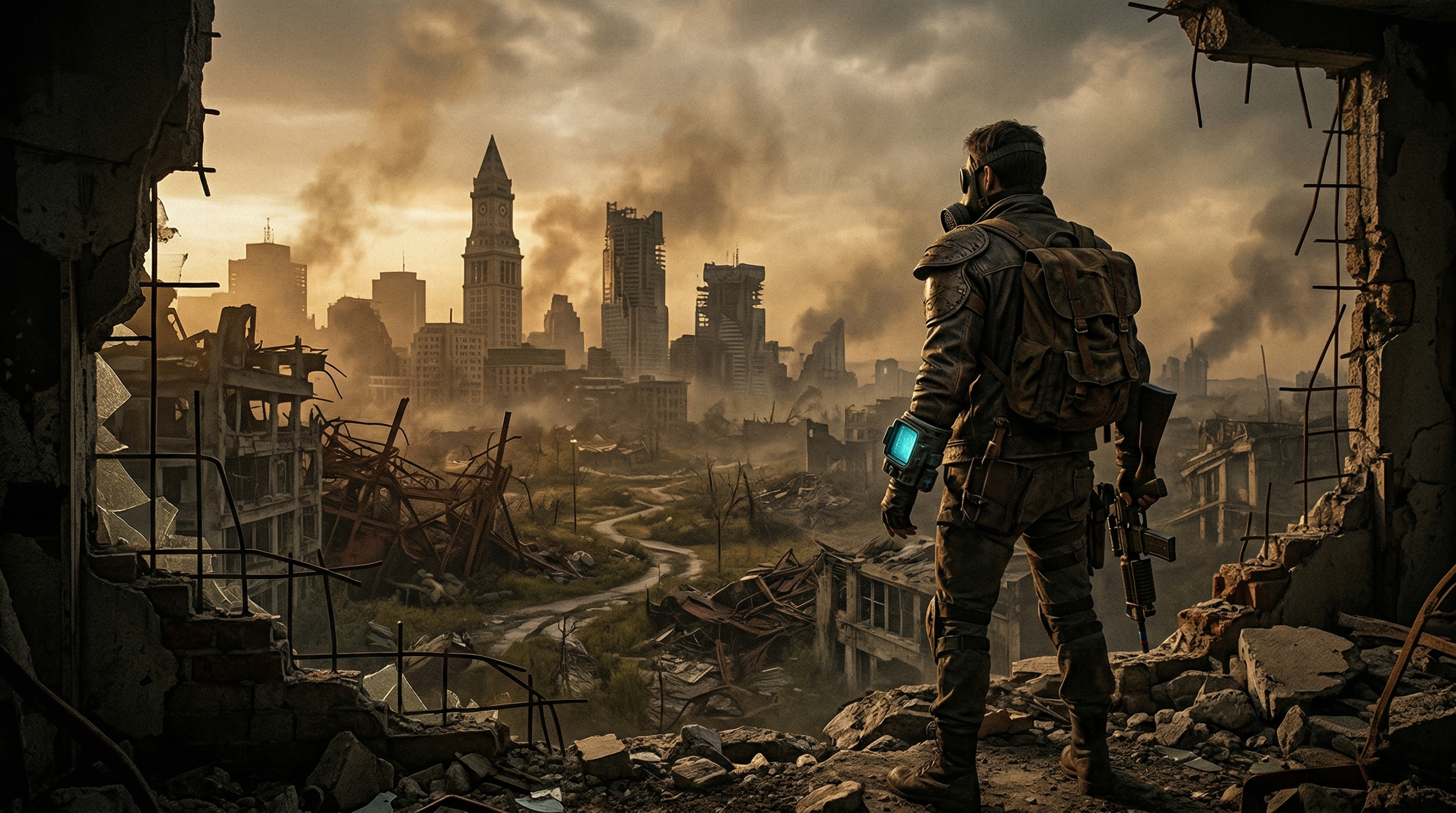
The Commonwealth in VR is both exhilarating and exhausting. Bethesda brought the full Fallout 4 experience — the crafting, the base-building, the VATS system, the hundred-hour campaign — to VR with motion controls and a first-person perspective that makes the wasteland feel genuinely dangerous. Scavenging a building at night, hearing a synth patrol outside, and physically ducking behind cover while you decide whether to sneak or fight — that’s a VR experience no other game replicates.
The VR implementation is rough. The visuals are dated. The performance demands serious hardware. The menu system fights you. But the core Fallout 4 loop — explore, scavenge, build, survive — is elevated by the spatial presence of being inside the wasteland. When you’re standing on a rooftop overlooking Boston at sunset, the sense of scale and atmosphere is something the flat version can’t touch. Fallout 4 VR is proof that massive open-world games can work in VR, even if the execution needs another pass.
Read the full Fallout 4 VR review
#11: Blood and Truth
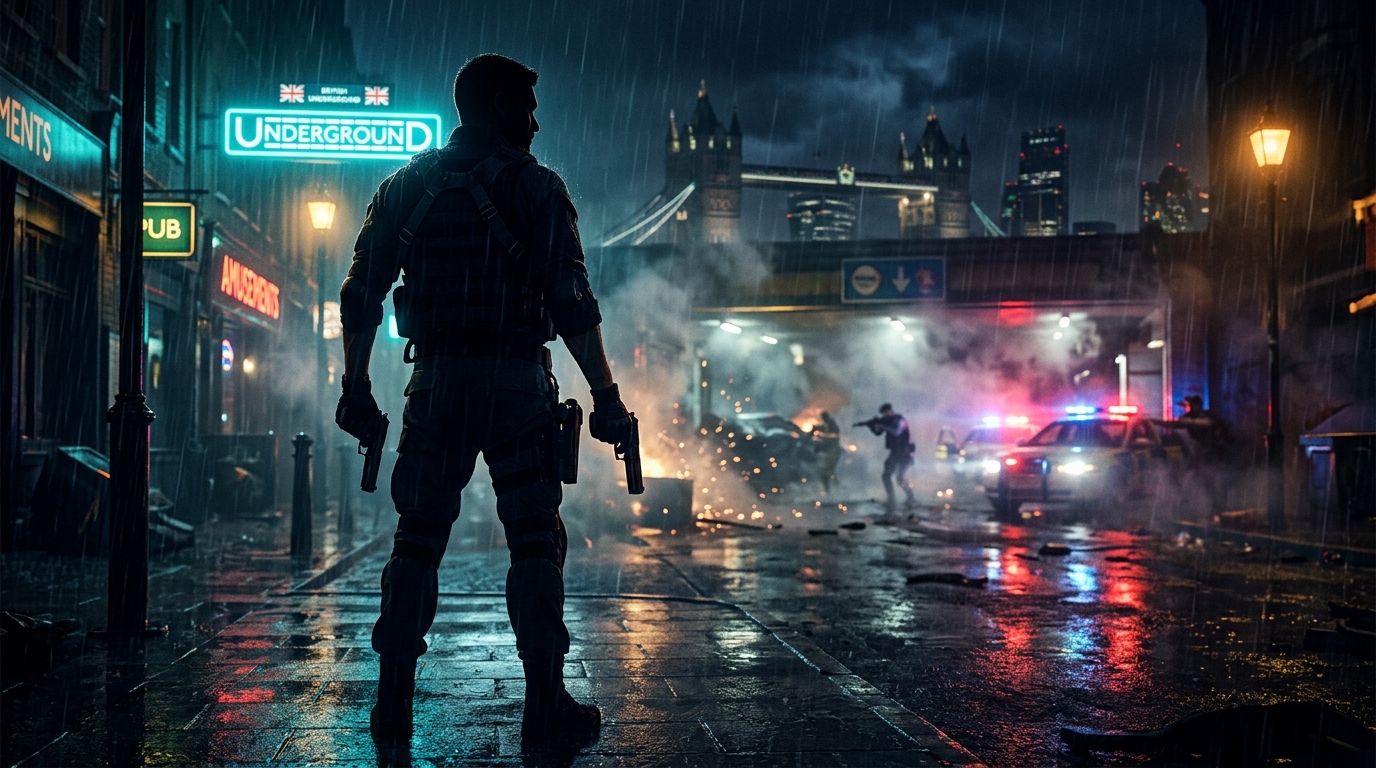
London Studios built a crime thriller that feels like playing through a Guy Ritchie film. Blood and Truth follows Danny North, a former soldier returning to London’s criminal underworld, through a series of heists, shootouts, and betrayals. The VR implementation is polished — gunplay feels weighty, the motion controls are intuitive, and the set pieces are genuinely cinematic.
The shooting is thin — limited enemy types, simple AI — but the spectacle carries it. The opening sequence, where you’re strapped to a chair while interrogators work on you, uses VR’s presence to create genuine tension. The heist missions put you in the middle of action-movie scenarios with a physicality that flat games can’t match. Blood and Truth is proof that cinematic set-piece games can thrive in VR when the production values are high enough and the world is worth inhabiting.
Read the full Blood and Truth VR review
#10: The Walking Dead: Saints & Sinners
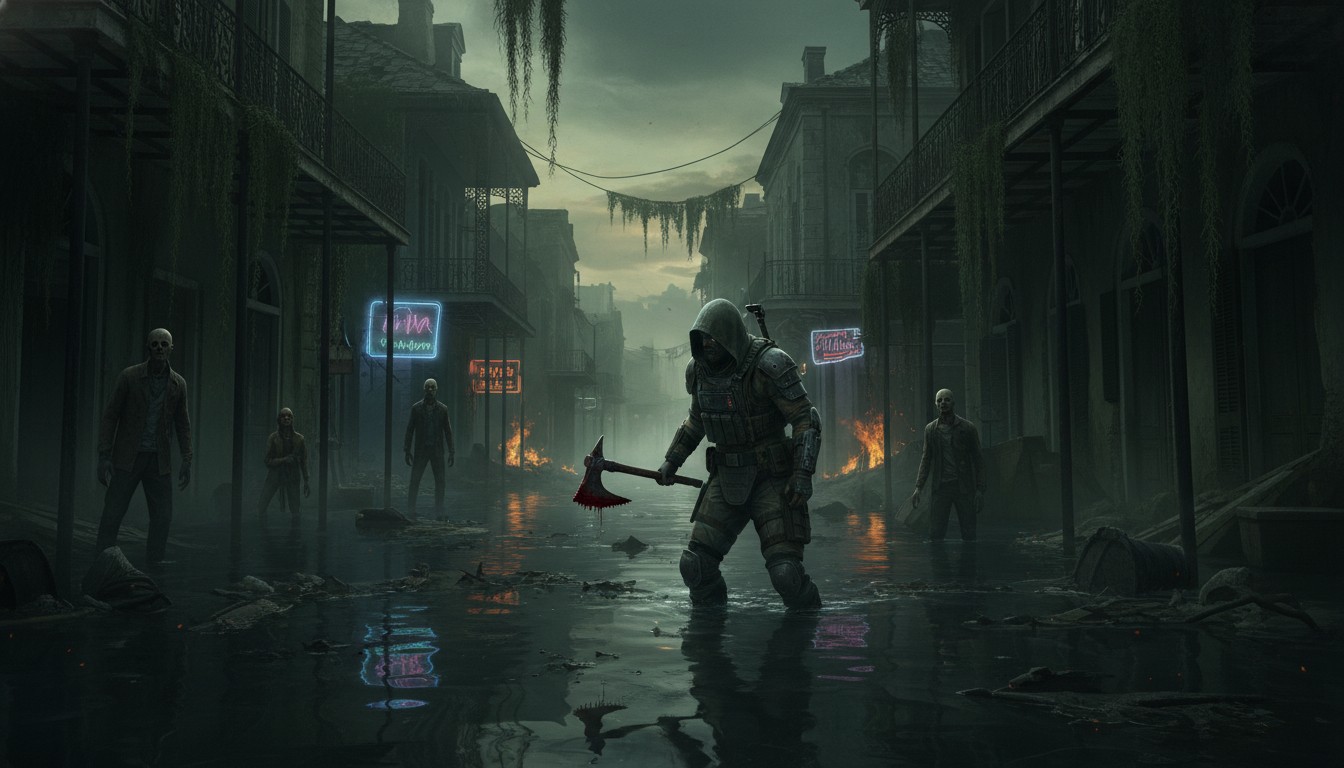
The Walking Dead game that actually delivered on the franchise’s promise. Skydance Interactive built a survival horror experience where every encounter matters, every resource counts, and the zombies are genuinely terrifying — not because they’re fast or smart, but because they’re everywhere and you’re vulnerable.
The knife combat — physically plunging a blade into a walker’s skull — is one of VR’s most visceral mechanics. The crafting system forces hard choices about what to carry. The morality system makes you live with your decisions. Saints & Sinners doesn’t just put you in the Walking Dead universe. It makes you feel like you’re surviving in it. The atmosphere, the tension, the genuine fear when you hear groaning around a corner — it’s the Walking Dead game fans wanted, and VR is the reason it works.
Read the full The Walking Dead: Saints & Sinners VR review
#9: No Man’s Sky

The redemption arc of the decade, delivered in VR. Hello Games rebuilt No Man’s Sky from the ground up after its disastrous launch, and the VR mode — added for free in the Beyond update — transformed it from a disappointing survival game into the most ambitious space exploration experience ever made. You can fly your ship by physically grabbing the controls. You can walk across alien planets and see the horizon curve beneath you. You can build bases with your hands.
The sense of scale is the achievement. Standing on a planet surface and watching a freighter warp in overhead. Diving into an ocean and seeing it stretch to an unknowable depth. Flying through a storm with rain hitting your cockpit. No Man’s Sky in VR isn’t just a good VR game — it’s the fulfillment of the game’s original promise. The universe feels real because you’re inside it.
Read the full No Man’s Sky VR review
#8: Moss
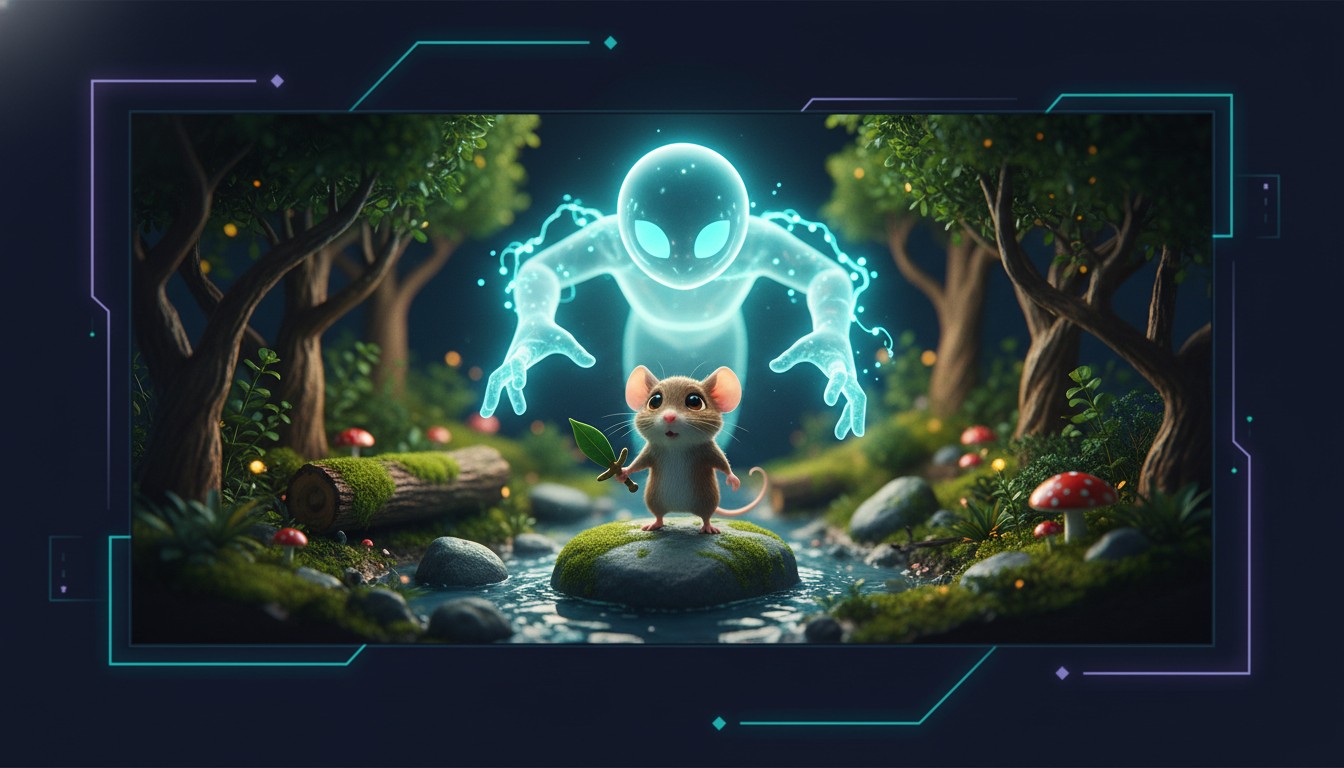
Polyarc built a game that would be a solid action-adventure on any platform. In VR, it becomes something else entirely. You play as a godlike presence watching over Quill, a tiny mouse on a quest to save her uncle. The bond between player and character is established through a shared gaze — Quill looks up at you, and you look down at her — and it’s more emotionally effective than any cutscene.
The diorama-like environments, the physical puzzle-solving, and the combat that requires you to split attention between Quill’s movements and the enemies around her created a template for third-person VR that still hasn’t been surpassed. Moss proves that VR doesn’t need to be first-person to be essential. Sometimes the most powerful VR experience is watching a small hero look up at you and trust you to help.
#7: Lone Echo
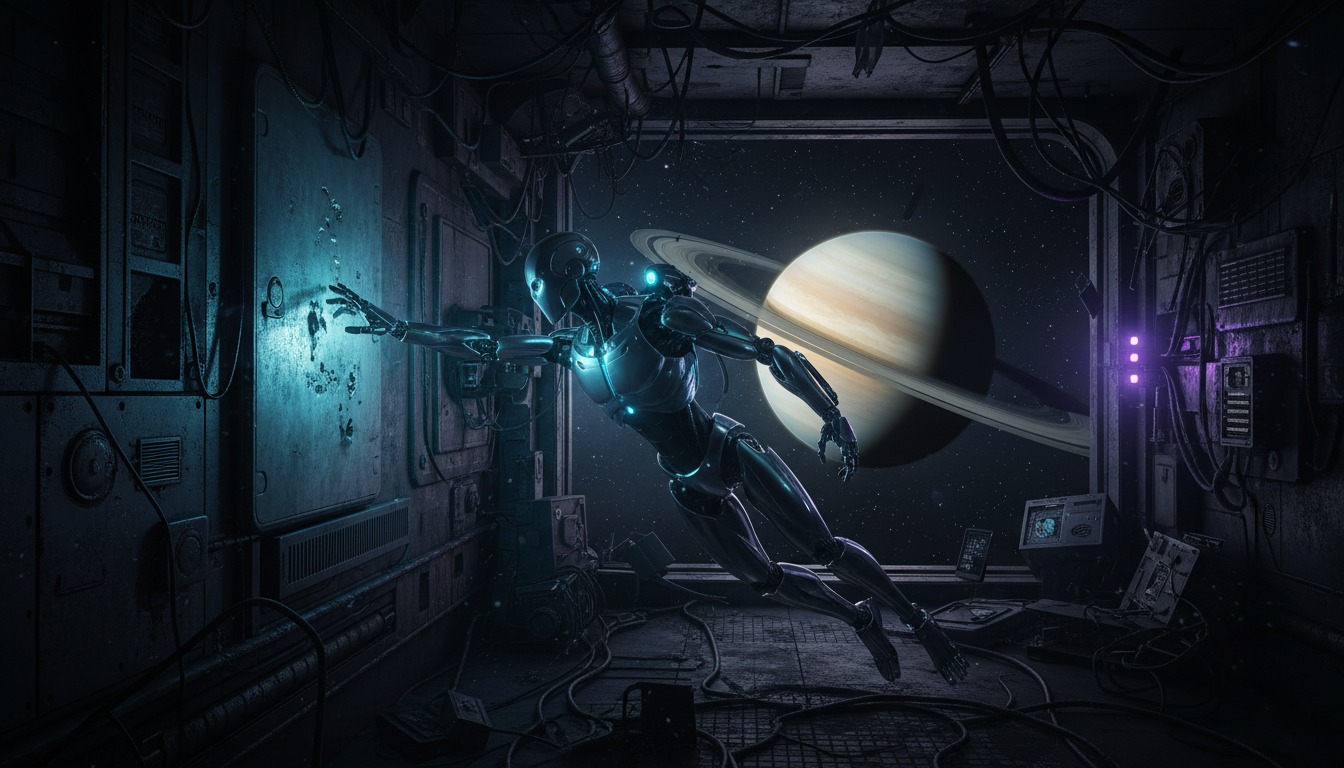
Ready at Dawn solved VR locomotion. That’s the headline, and it’s more significant than it sounds. Before Lone Echo, moving through virtual space meant teleporting, sliding, or fighting nausea. Lone Echo’s solution — grabbing surfaces with your hands and pulling yourself through zero-gravity environments — was so intuitive that it made every other locomotion system feel primitive.
The single-player story that wraps around this locomotion system is genuinely good. The characters are well-written, the environmental storytelling is effective, and the set pieces — repairing satellites in orbit, navigating derelict stations, making contact with an alien intelligence — are the most cinematic moments in VR up to that point. Lone Echo proved that VR could deliver narrative experiences with the same emotional weight as flat-screen games, if you built the interaction model from scratch.
Read the full Lone Echo VR review
#6: Asgard’s Wrath
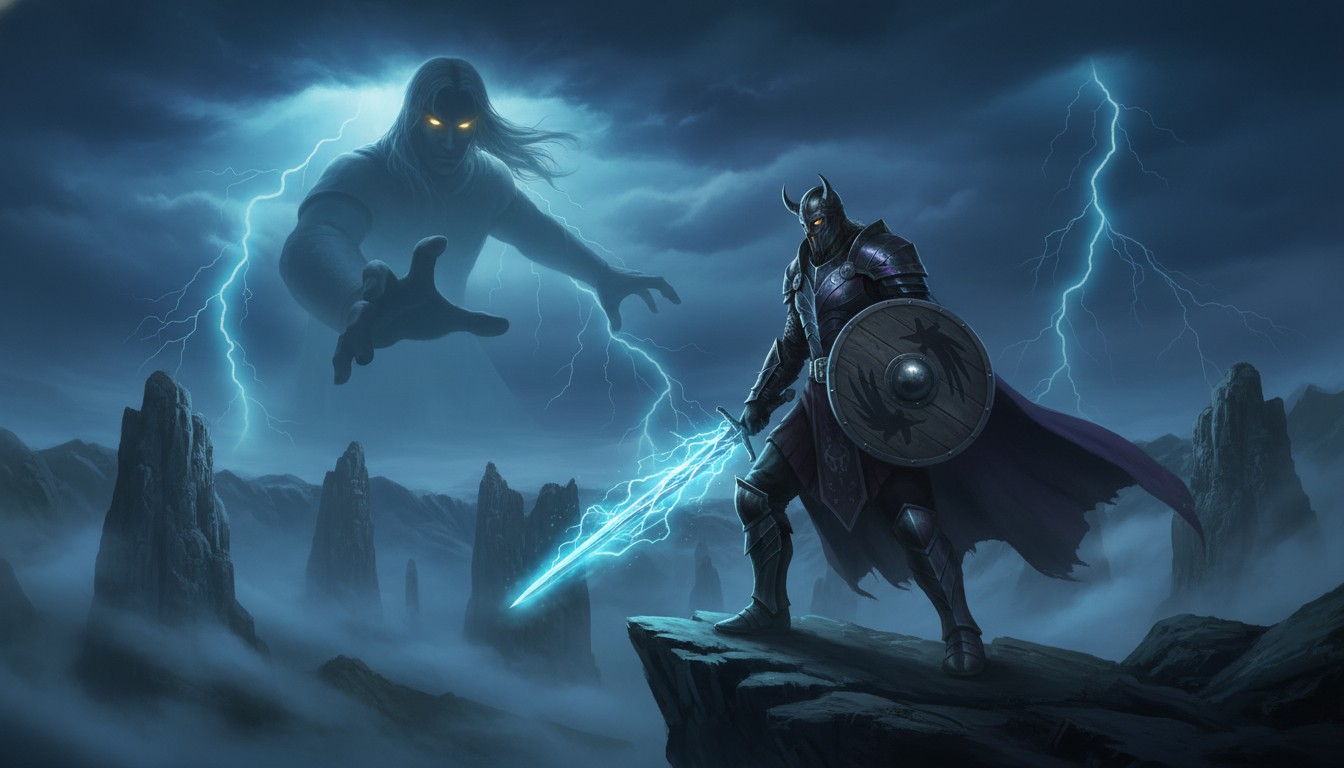
The game that proved VR could support a full-length RPG. Before Asgard’s Wrath, the prevailing wisdom was that VR games needed to be short — thirty minutes, maybe an hour, before fatigue set in. Sanzaru Games demolished that assumption with a 20+ hour action RPG set across Norse mythology, complete with weapon crafting, companion systems, and boss fights that required genuine mechanical mastery.
The scale is what matters most. You stand face-to-face with gods who tower over you. You physically swing swords, block with shields, and pull back bowstrings. The world is enormous and dense with things to discover. Asgard’s Wrath isn’t “good for VR” — it’s a genuine RPG that happens to be better in VR, and it forced the entire industry to recalibrate its assumptions about what was possible in the medium.
Read the full Asgard’s Wrath VR review
#5: Resident Evil 7: biohazard

The game that proved AAA horror belonged in VR. Capcom didn’t bolt VR onto Resident Evil 7 — they built the entire first-person perspective around it. The Baker plantation, the mold-infested corridors, the first time Marguerite appears behind you — these moments are terrifying on a screen and genuinely traumatic in a headset. The VR mode is PSVR-exclusive and has compromises (low resolution, Aim controller only), but the core experience is so powerful that those compromises stop mattering within the first five minutes.
Resident Evil 7 is the reason the “can VR support real games?” question died. A full-length, critically acclaimed, commercially successful horror campaign — playable entirely in VR, designed from the ground up for the first-person perspective, and better in a headset than on a TV. It’s the strongest argument that VR isn’t a peripheral. It’s a platform.
Read the full Resident Evil 7 VR review
#4: Astro Bot Rescue Mission
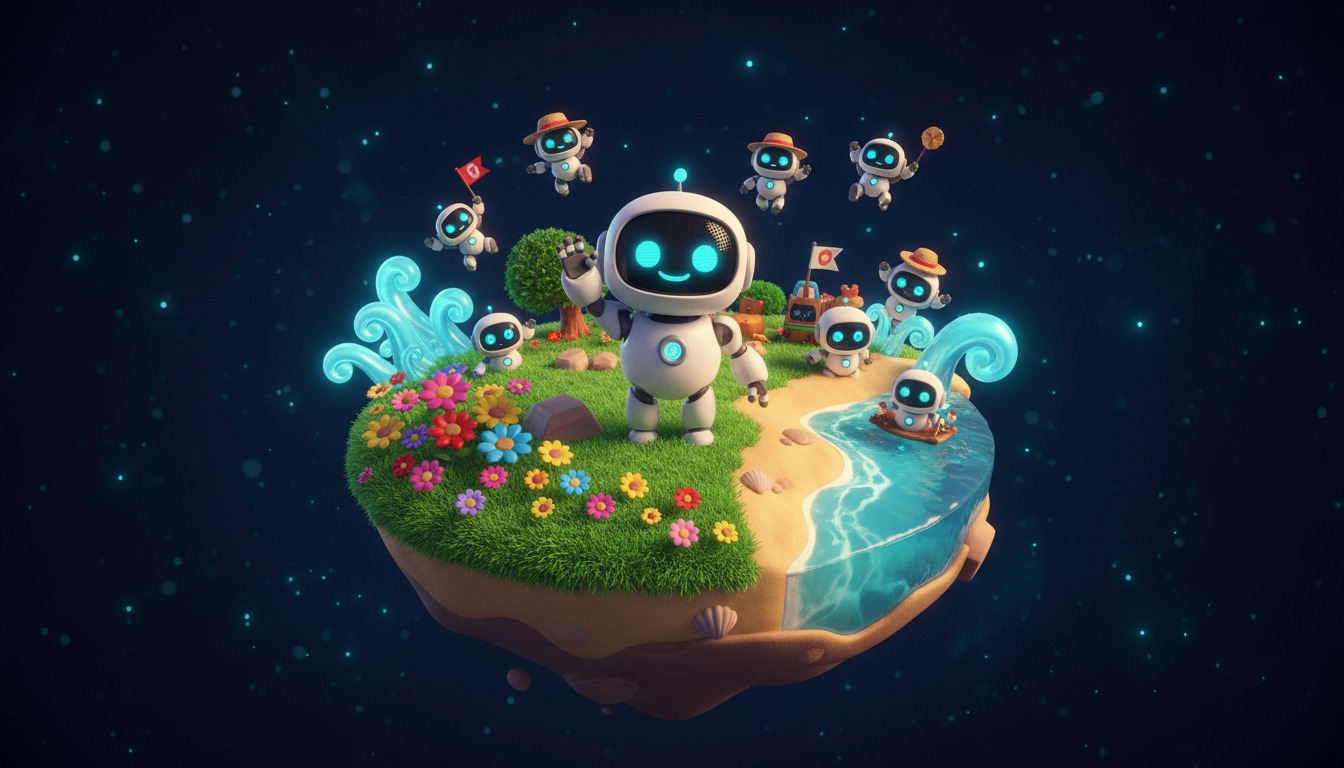
The platformer that made PSVR owners forget they were waiting for Mario. Team Asobi built a masterclass in VR game design — a third-person platformer where the player’s physical perspective is part of the level design. You lean to look around corners. You physically duck to avoid obstacles. You aim gadgets by moving your head. The levels are designed around the fact that you’re a giant looking down into a diorama, and every secret, every hidden path, every enemy encounter accounts for the spatial relationship between you and the world.
The production values are Sony at its best — lush environments, responsive controls, a soundtrack that’s been stuck in heads since 2018. But the real achievement is structural: 26 boss encounters and over 50 levels that never repeat a mechanic without adding a twist. Astro Bot Rescue Mission is the strongest argument that VR doesn’t need to be first-person to be essential.
Read the full Astro Bot Rescue Mission VR review
#3: Skyrim VR

The game that proved VR could support a full open world. Not a curated experience, not a linear campaign, not a series of minigames — a complete, 300-hour open-world RPG where you can go anywhere, do anything, and live an entire alternate life inside a headset. Skyrim VR shipped with technical problems: the base visuals were dated even in 2017, the motion controls felt bolted on, and the comfort options were limited. None of that mattered.
What mattered was standing on the Throat of the World and actually seeing the entire province of Skyrim spread out below you. What mattered was physically drawing a bow and watching an arrow arc across the tundra into a dragon’s eye. What mattered was walking through Whiterun at dawn and feeling like you’d actually been there. Skyrim VR proved that the dream of full-length VR wasn’t a dream — it was a shipping product with a ten-year-old game engine and a community that refused to let the medium’s potential go unrealized.
Read the full Skyrim VR review
#2: Beat Saber
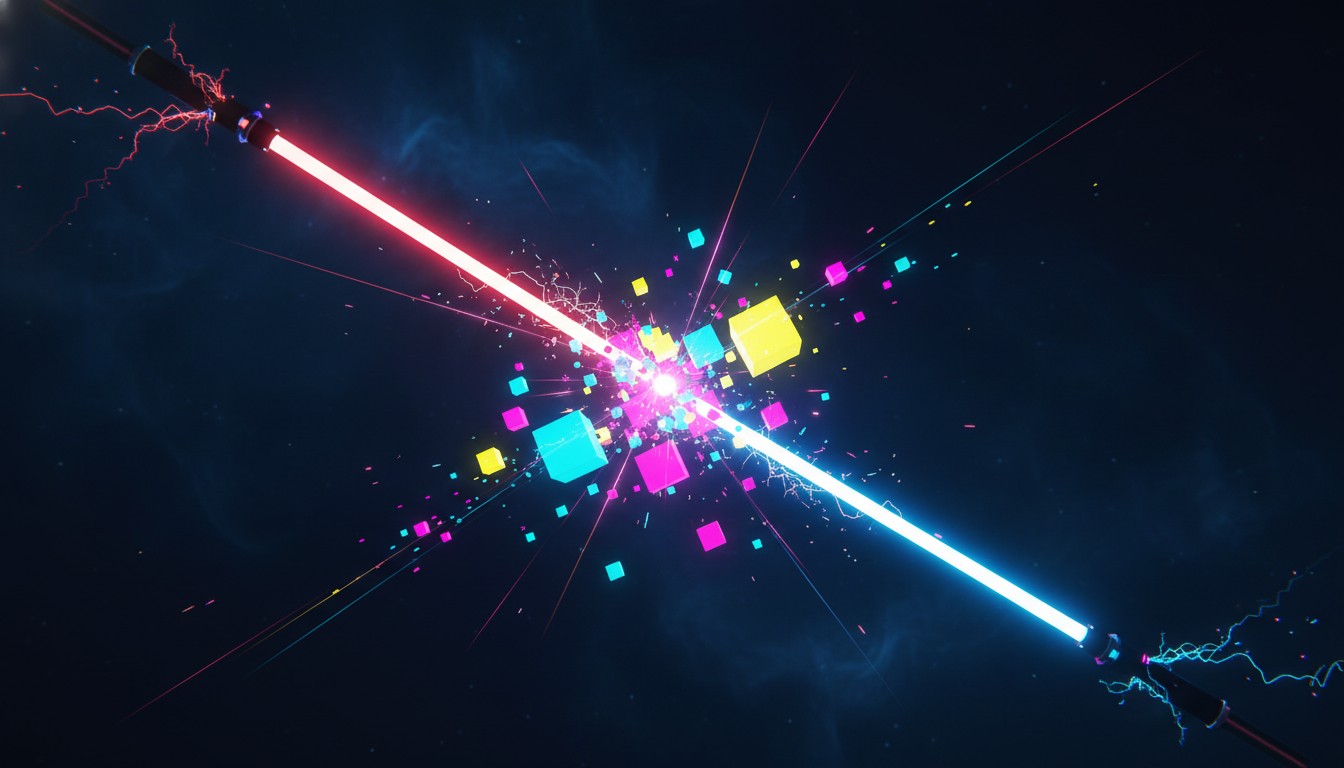
The VR game that transcended VR. Beat Saber topped the Steam charts — not the VR charts, the overall charts — and became the single most recognizable title in the medium’s history. The concept is immediately legible: blocks fly at you in time with music, and you slice them with lightsabers. No tutorial needed. No VR experience required. Pick up the controllers, see the blocks, swing.
What made Beat Saber special wasn’t just accessibility. It was the combination of physical exertion, rhythmic satisfaction, and visual spectacle that created a feedback loop stronger than any VR game before it. The custom song community turned it from a game into a platform. The DLC packs brought mainstream music into VR for the first time. Beat Saber is the reason many people bought headsets, and for a significant portion of the VR audience, it’s the game they still play most. It’s VR’s Tetris — simple, perfect, and inexhaustible.
Read the full Beat Saber VR review
#1: Half-Life: Alyx
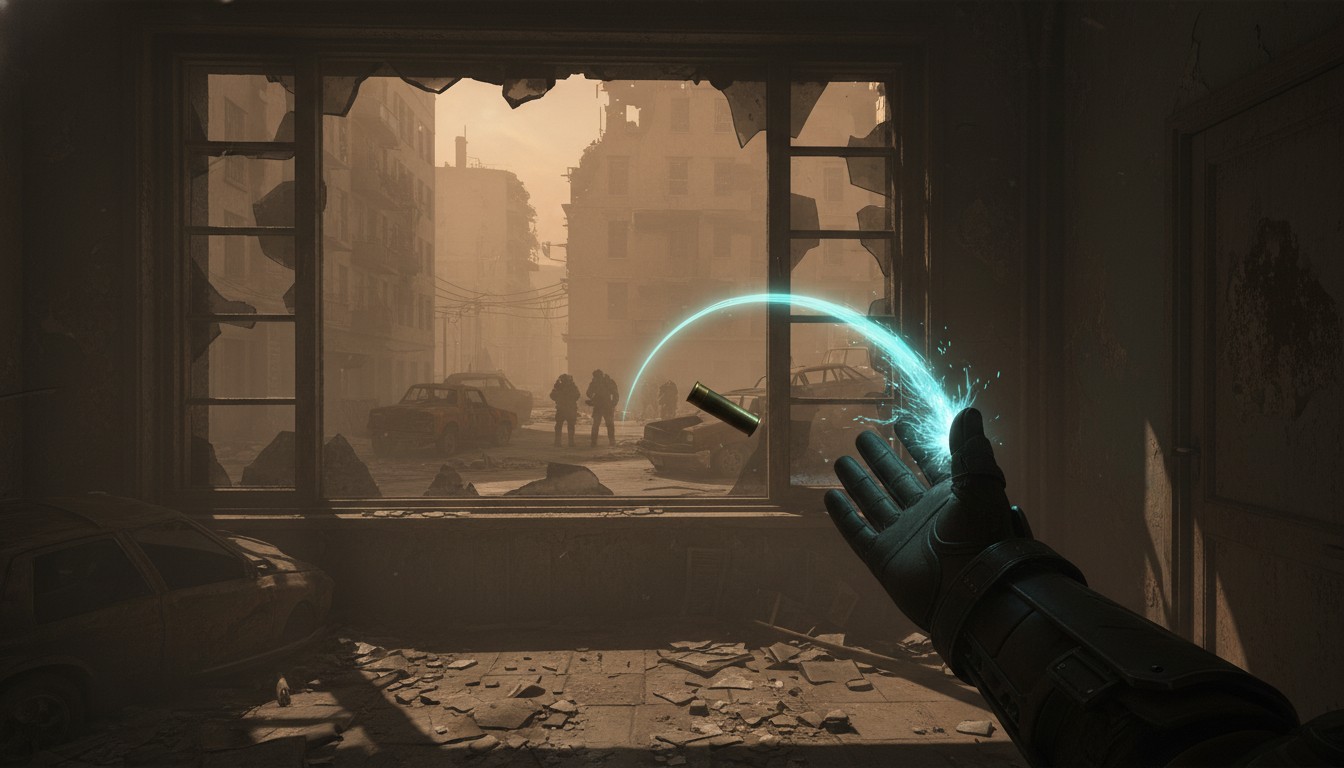
The game that justified VR for millions of people who were still on the fence. Half-Life: Alyx isn’t just the best VR game ever made — it’s one of the best games of the generation, period. Valve built a full-length, AAA-quality campaign with production values, level design, and narrative ambition that no other VR game has matched. The combat encounters are genuinely tense. The puzzles are inventive. The story adds real weight to the Half-Life mythos. The environments are detailed enough that you’ll spend minutes just looking at propaganda posters on the walls.
The gravity gloves — reach, flick, catch — are the most elegant interaction system in VR. They solve the “bending down to pick things up” problem with a gesture that feels natural within minutes and indispensable within hours. Every door interaction, every ammo reload, every health station is a small demonstration that VR interfaces don’t have to compromise. Half-Life: Alyx is the standard every VR game is measured against, and so far, nothing has matched it.
Read the full Half-Life: Alyx VR review
The Era in Retrospect
2015–2020 was VR’s foundation era. The games on this list aren’t just good — they’re the proof that VR works as a medium, not just as a technology. They range from free tech demos to full AAA campaigns, from physics sandboxes to social platforms, from official releases to community experiments.
The common thread isn’t a genre or a hardware generation. It’s that every game on this list does something in VR that can’t be done on a flat screen. The depth perception that makes racing sims competitive. The physical interaction that makes rhythm games cardiovascular. The spatial presence that makes horror games traumatic. The scale that makes open worlds feel like places instead of maps.
Consumer VR arrived in 2016 with more questions than answers. By 2020, these thirty games had answered all of them. The question for the next era isn’t whether VR works. It’s how far it can go.